U.S. health regulators are warning consumers not to use more than two dozen varieties of over-the-counter eyedrops because of the risk of infections that could lead to blindness.
The Food and Drug Administration advisory applies to lubricating drops sold by six companies, including CVS Health, Target, Rite Aid and Cardinal Health. Consumers should stop using the products immediately and avoid purchasing any that remain on pharmacy and store shelves, the FDA said in a statement Friday.
The agency asked the companies to recall their products last week, because FDA inspectors found unsanitary conditions and bacteria at the facility producing the drops. The FDA did not disclose the location of the factory or when it was inspected.
No injuries related to the products had been reported at the time of the announcement, but the FDA encouraged doctors and patients to submit cases through the agency’s online reporting system.
Earlier this year, federal officials linked an outbreak of drug-resistant bacteria to eyedrops from two companies, EzriCare and Delsam Pharma. More than 80 people in the U.S. tested positive for eye infections from the rare bacterial strain, according to the most recent update from the Centers for Disease Control and Prevention.
After the products were recalled in February, health inspectors visited the manufacturing plant in India that made the eyedrops and uncovered problems with how they were made and tested, including inadequate sterility measures.
Blame geography for the U.S. getting hit by stronger, costlier, more varied and frequent extreme weather than anywhere on the planet, several experts said. But that's only part of it.
Residents across a wide swath of the U.S. raced Sunday to assess the destruction from fierce storms that spawned possibly dozens of tornadoes from the South and the Midwest into the Northeast.
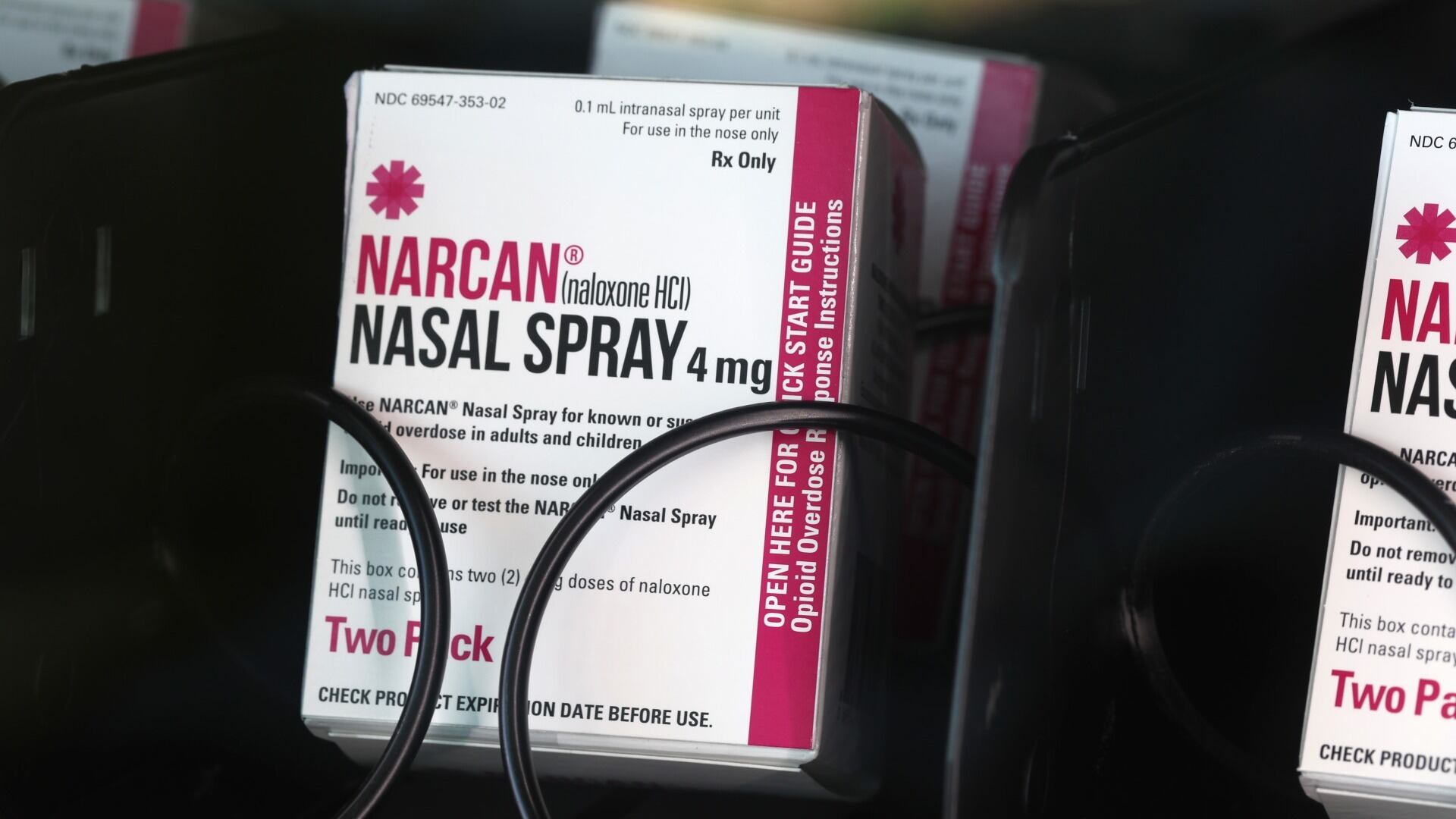
The U.S. Food and Drug Administration has approved selling overdose antidote naloxone over-the-counter, marking the first time a opioid treatment drug will be available without a prescription.
Millions of Americans could lose access to Medicaid on April 1, and Joe Dunn, senior vice president of public policy at the National Association of Community Health Centers, joined Cheddar News' anchor Shannon LaNier to discuss what this means for public health.
One third of Americans don't have access to primary care providers in their communities, according to a study from the National Association of Community Health Centers published last month.
Neuralink, Elon Musk's brain implant venture, is reaching out to major U.S. neurosurgery centers to potentially begin testing its devices on humans, according to a Reuters report.