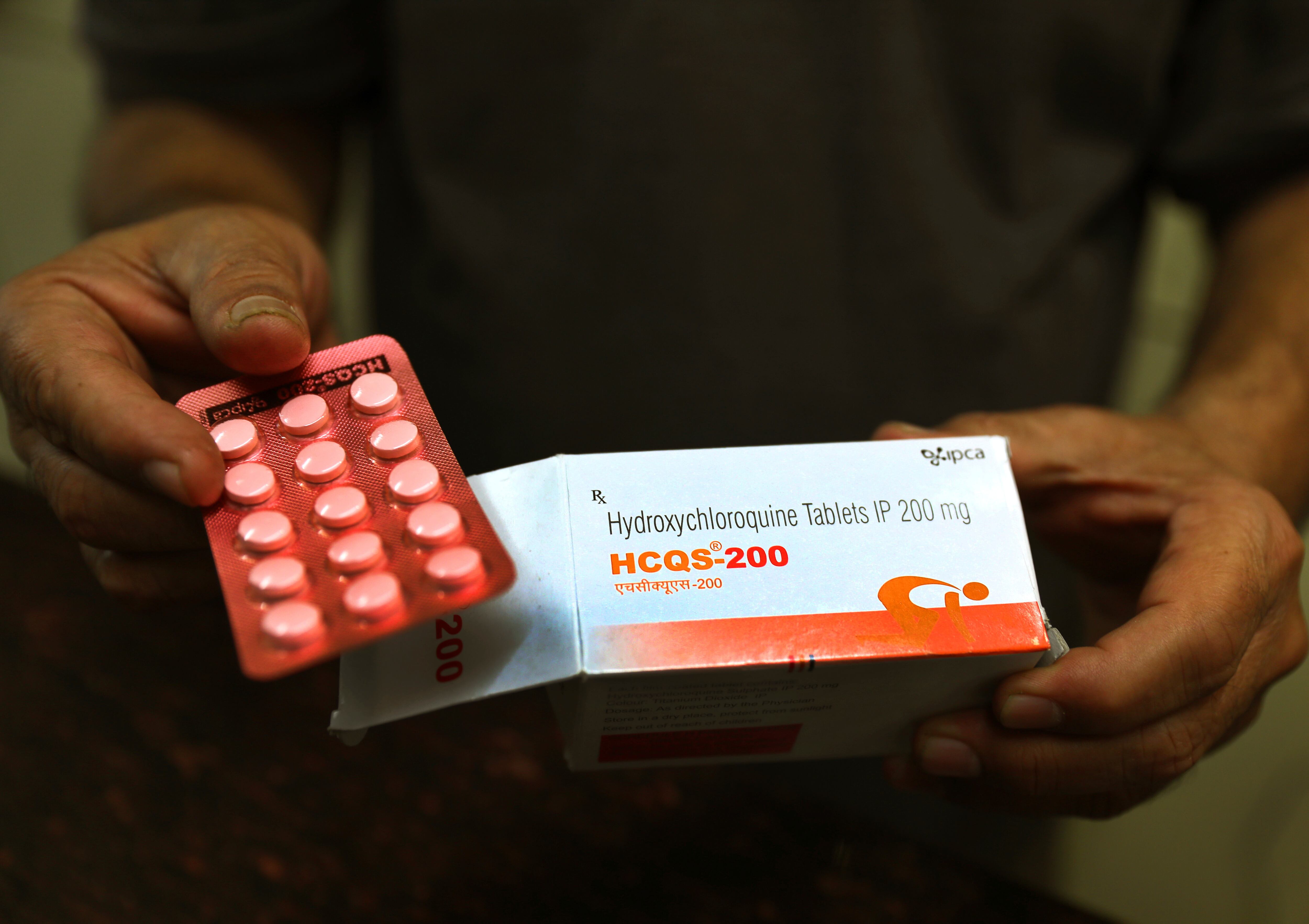
In this April 9, 2020 file photo, a chemist displays hydroxychloroquine tablets in New Delhi, India. U.S. regulators are revoking emergency authorization for malaria drugs promoted by President Donald Trump for treating COVID-19. The Food and Drug Administration said Monday, June 15 that the drugs hydroxychloroquine and chloroquine are unlikely to be effective in treating the coronavirus. (AP Photo/Manish Swarup, File)
By Matthew Perrone
The U.S. Food and Drug Administration is revoking its emergency authorization for malaria drugs promoted by President Donald Trump for treating COVID-19 amid growing evidence they don’t work and could cause deadly side effects.
The agency said Monday that the drugs hydroxychloroquine and chloroquine are unlikely to be effective in treating the coronavirus. Citing reports of heart complications, the FDA said the drugs pose a greater risk to patients than any potential benefits.
The decades-old drugs, also prescribed for lupus and rheumatoid arthritis, can cause heart rhythm problems, severely low blood pressure, and muscle or nerve damage.
The move means that shipments of the drugs obtained by the federal government will no longer be distributed to state and local health authorities. The drugs are still available for alternate uses, so U.S. doctors could still prescribe them for COVID-19 — a practice known as off-label prescribing.
On Thursday, a National Institutes of Health expert panel revised its guidelines to specifically recommend against the drug’s use except in formal studies.
Trump aggressively pushed the drug beginning in the first weeks of the outbreak and stunned medical professionals when he revealed he took the drug preemptively against infection.
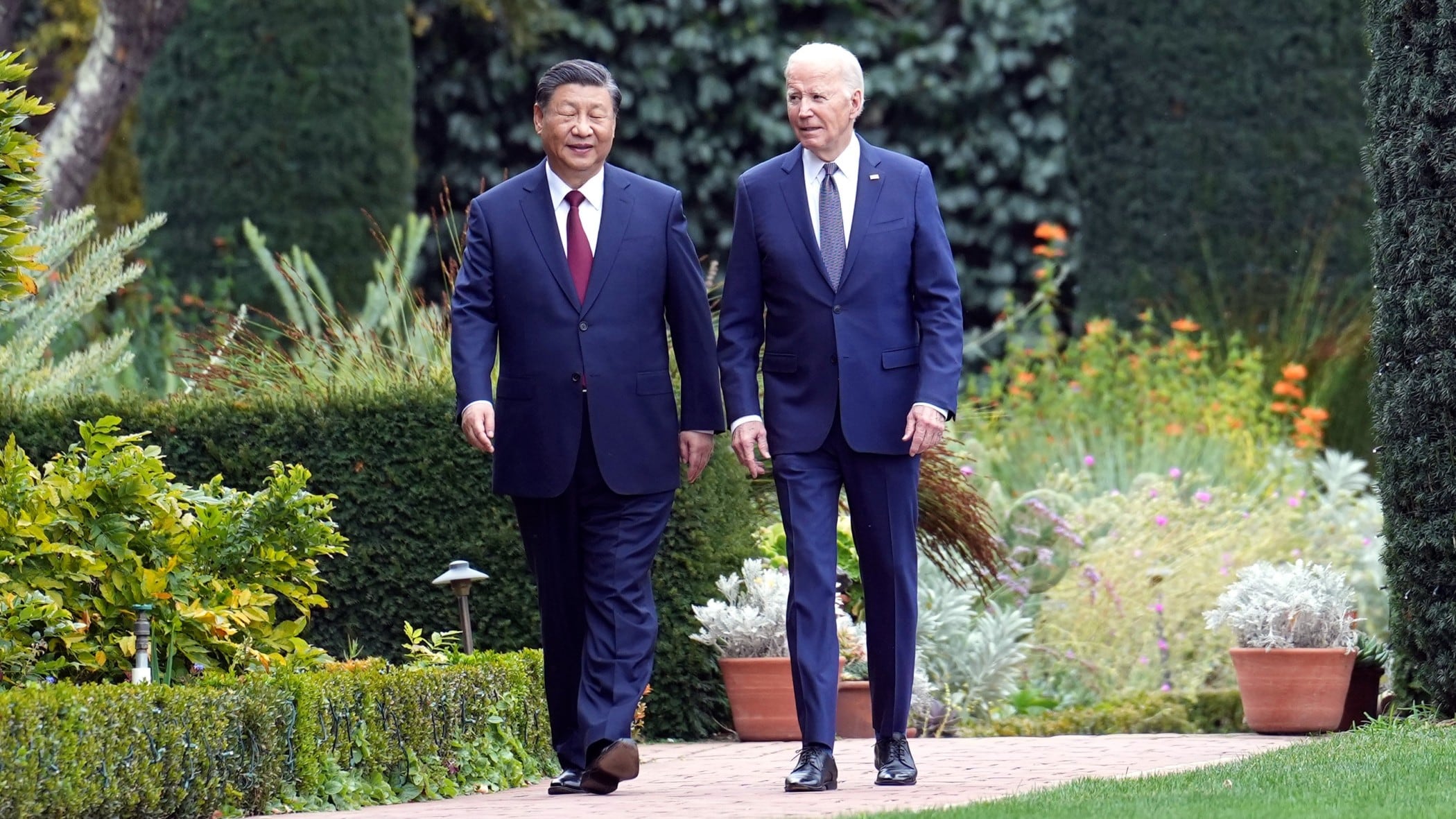
President Joe Biden and Chinese President Xi Jinping have discussed Taiwan, artificial intelligence and security issues in a call meant to demonstrate a return to regular leader-to-leader dialogue between the two powers.
April is Earth month, and while the green revolution might feel far away, the founder of climate VC Siam Capital says it’s on it’s way, and, even better: it won't cost you more.
From snow in April to heatwaves in December, it’s hard to plan a trip in a climate change world. Startup Sensible Weather thinks weather-based travel reimbursements are the solution.
Between corporate debt and the widening gap between ‘the haves and the have nots,’ there are reasons to be cautious about the economy, even with interest rate cuts on their way.
If the A.I. hype hasn’t given you enough of a reason to be excited (and a little terrified), the CEO of Zapata AI says the next frontier is designing bridges or creating pharmaceutical drugs.
Stocks are near record highs, inflation is moderating, and analyst Deiya Pernas is 'optimistic' the U.S. is heading for a soft landing without a recession – which is good news for your wallet.
Google co-founders Larry Page and Sergey Brin loved pulling pranks, so much so they began rolling outlandish ideas every April Fools' Day not long after starting their company more than a quarter century ago.