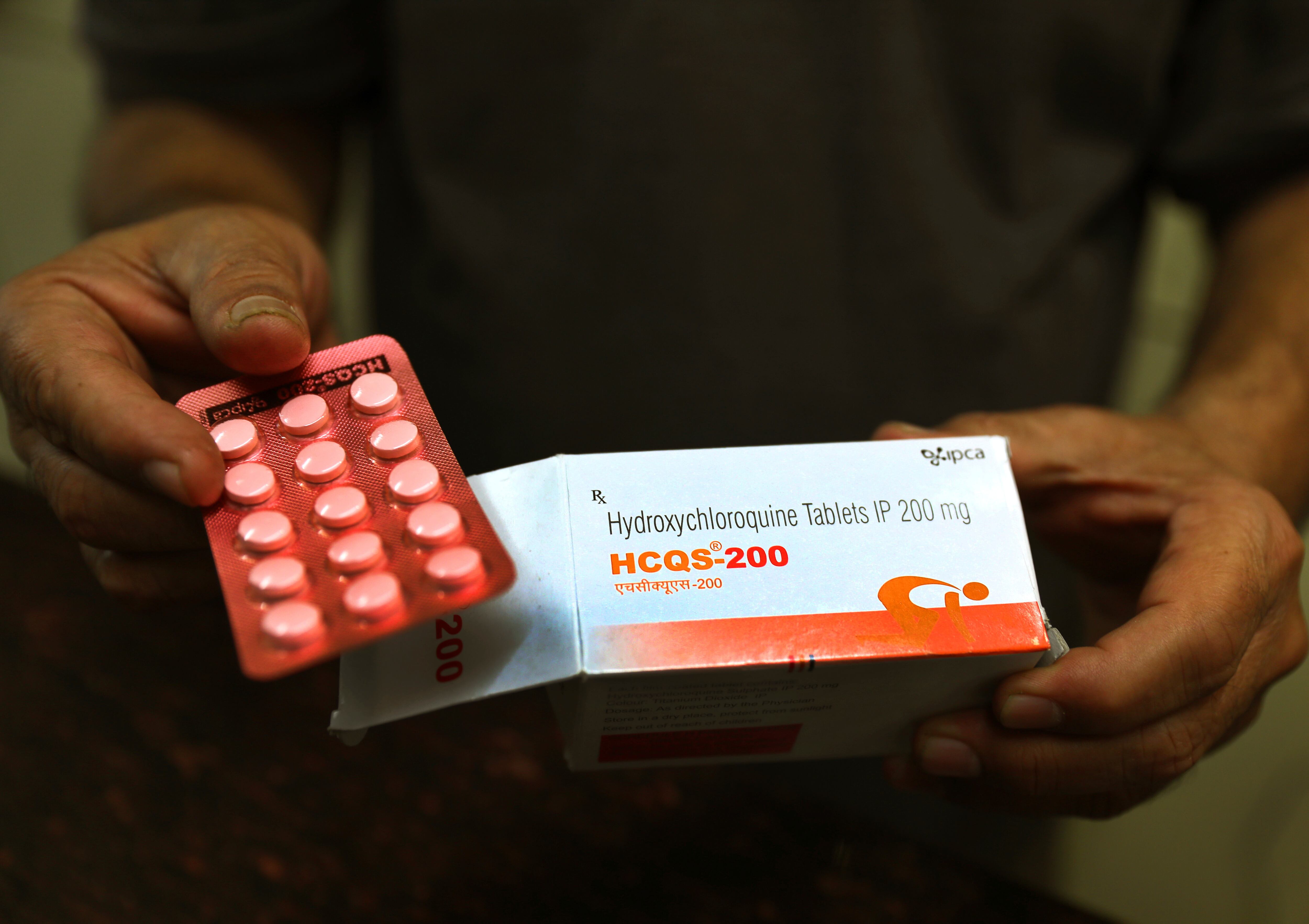
In this April 9, 2020 file photo, a chemist displays hydroxychloroquine tablets in New Delhi, India. U.S. regulators are revoking emergency authorization for malaria drugs promoted by President Donald Trump for treating COVID-19. The Food and Drug Administration said Monday, June 15 that the drugs hydroxychloroquine and chloroquine are unlikely to be effective in treating the coronavirus. (AP Photo/Manish Swarup, File)
By Matthew Perrone
The U.S. Food and Drug Administration is revoking its emergency authorization for malaria drugs promoted by President Donald Trump for treating COVID-19 amid growing evidence they don’t work and could cause deadly side effects.
The agency said Monday that the drugs hydroxychloroquine and chloroquine are unlikely to be effective in treating the coronavirus. Citing reports of heart complications, the FDA said the drugs pose a greater risk to patients than any potential benefits.
The decades-old drugs, also prescribed for lupus and rheumatoid arthritis, can cause heart rhythm problems, severely low blood pressure, and muscle or nerve damage.
The move means that shipments of the drugs obtained by the federal government will no longer be distributed to state and local health authorities. The drugs are still available for alternate uses, so U.S. doctors could still prescribe them for COVID-19 — a practice known as off-label prescribing.
On Thursday, a National Institutes of Health expert panel revised its guidelines to specifically recommend against the drug’s use except in formal studies.
Trump aggressively pushed the drug beginning in the first weeks of the outbreak and stunned medical professionals when he revealed he took the drug preemptively against infection.
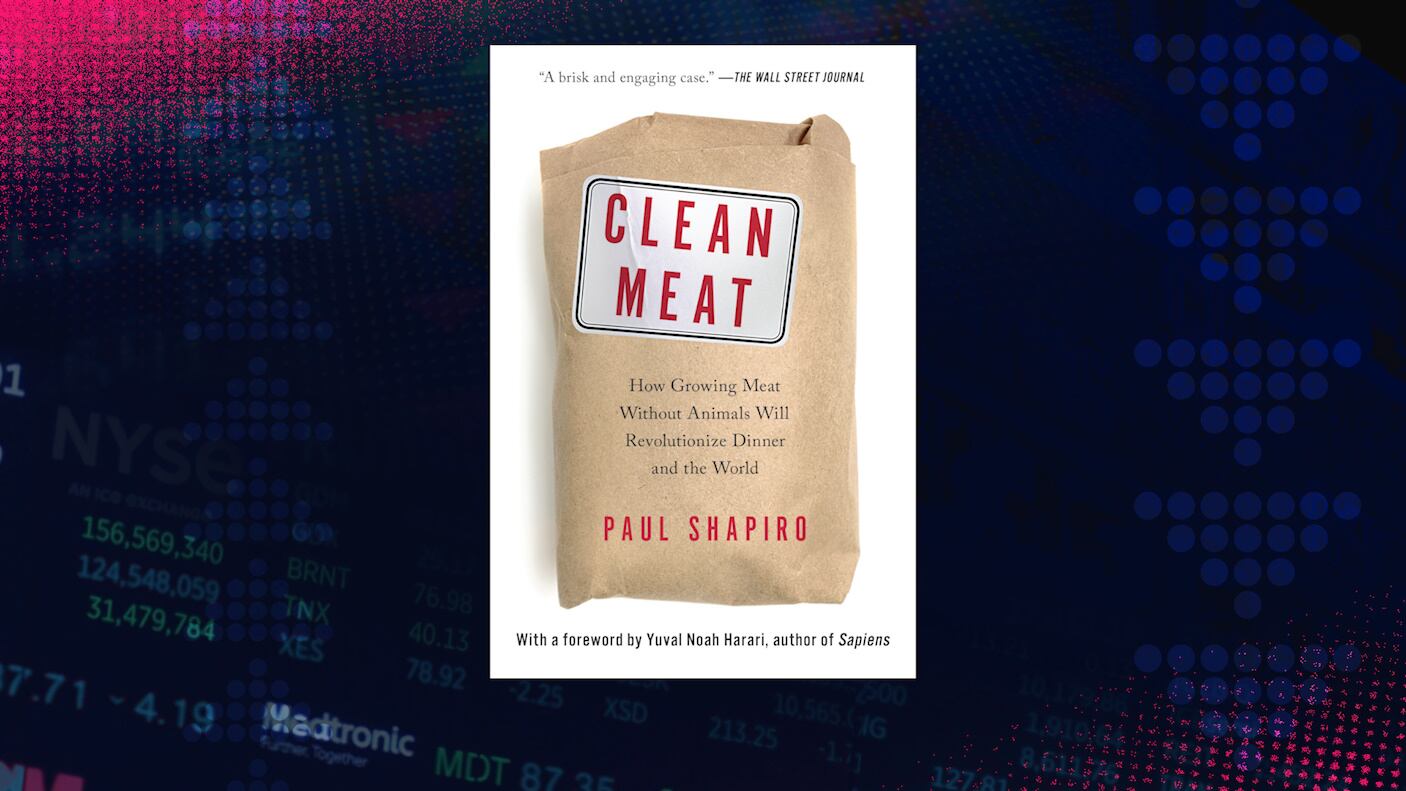
Author of 'Clean Meat,' Paul Shapiro joins Cheddar to discuss how the cellular agricultural revolution helps lower rates of foodborne illness and greatly improves environmental sustainability. Plus, how his company The Better Meat Co. is bringing healthier food options to the table.
Recent headlines might make it sound like World War III is imminent, but when it comes to your finances, it's not the time to panic. The market is coming off its longest winning streak since 2011.
You may have noticed fewer new venture capital-backed startups (like Airbnb or Uber) lately. The market slowed to a crawl after 2021, but things are expected to take off again in 2025.
Corporate earnings season is underway, that time when companies share their billions in sales or double-digit profits. But the data shows even companies are struggling with high inflation and interest rates.
Boeing continues their terrifying trend of having their planes fall apart mid-flight, inflation — checks notes — is still up and the future of AI looks terrifying. Cheery!
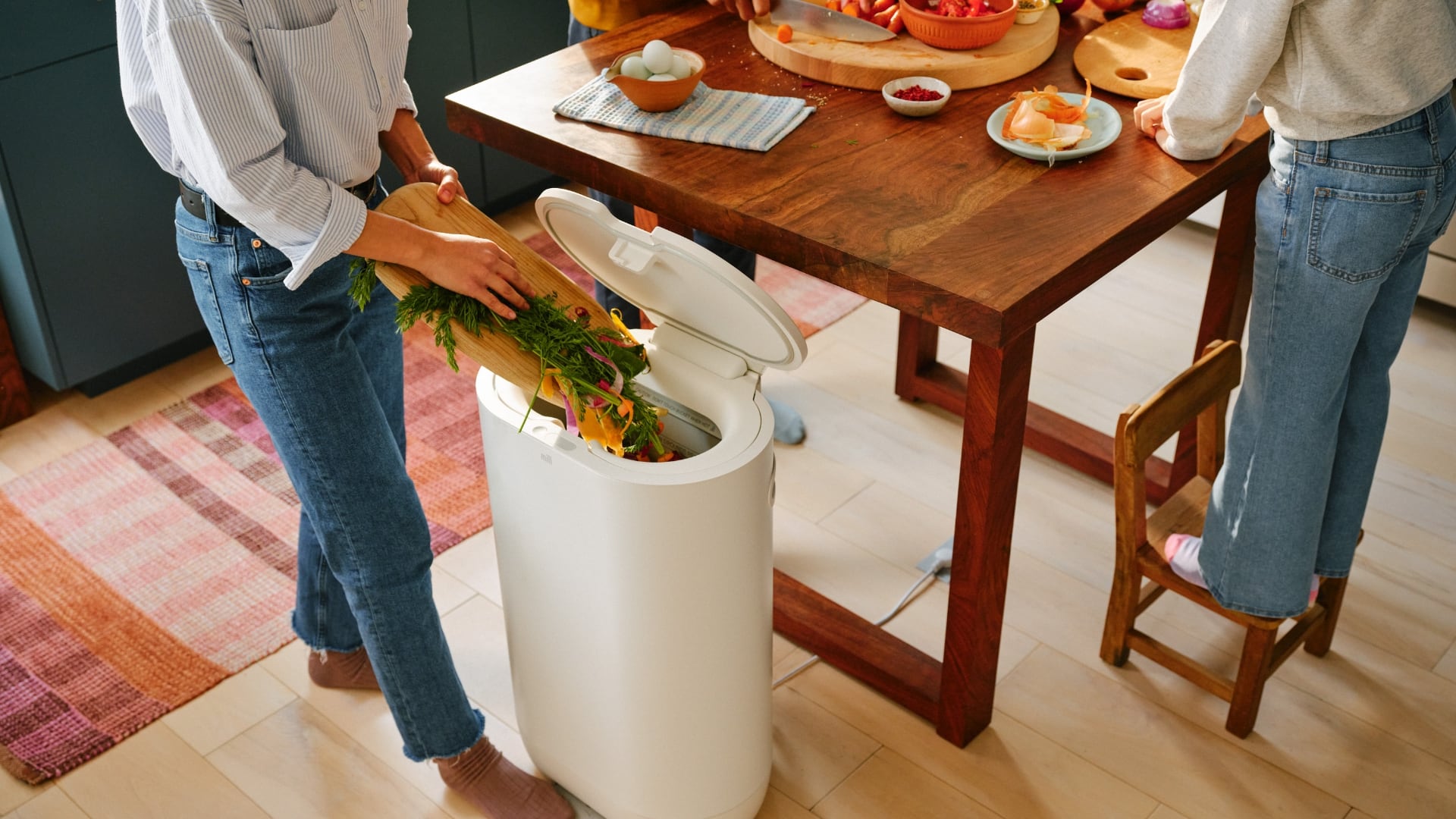
Food waste – uneaten scraps or leftovers sent to landfills – is responsible for 10% of global emissions. Mill, a new product from the co-founder of Nest, thinks technology can play a role in eliminating it.
By the time the 2024 election is over, be prepared to see some form of a recession – but this shouldn’t be as bad as what we experienced in 2020 or 2008.
International Master Alice Lee defeated grandmaster Irina Krush to win the American Cup – becoming one of the best women players in the world in the process – but she’s not stopping there.
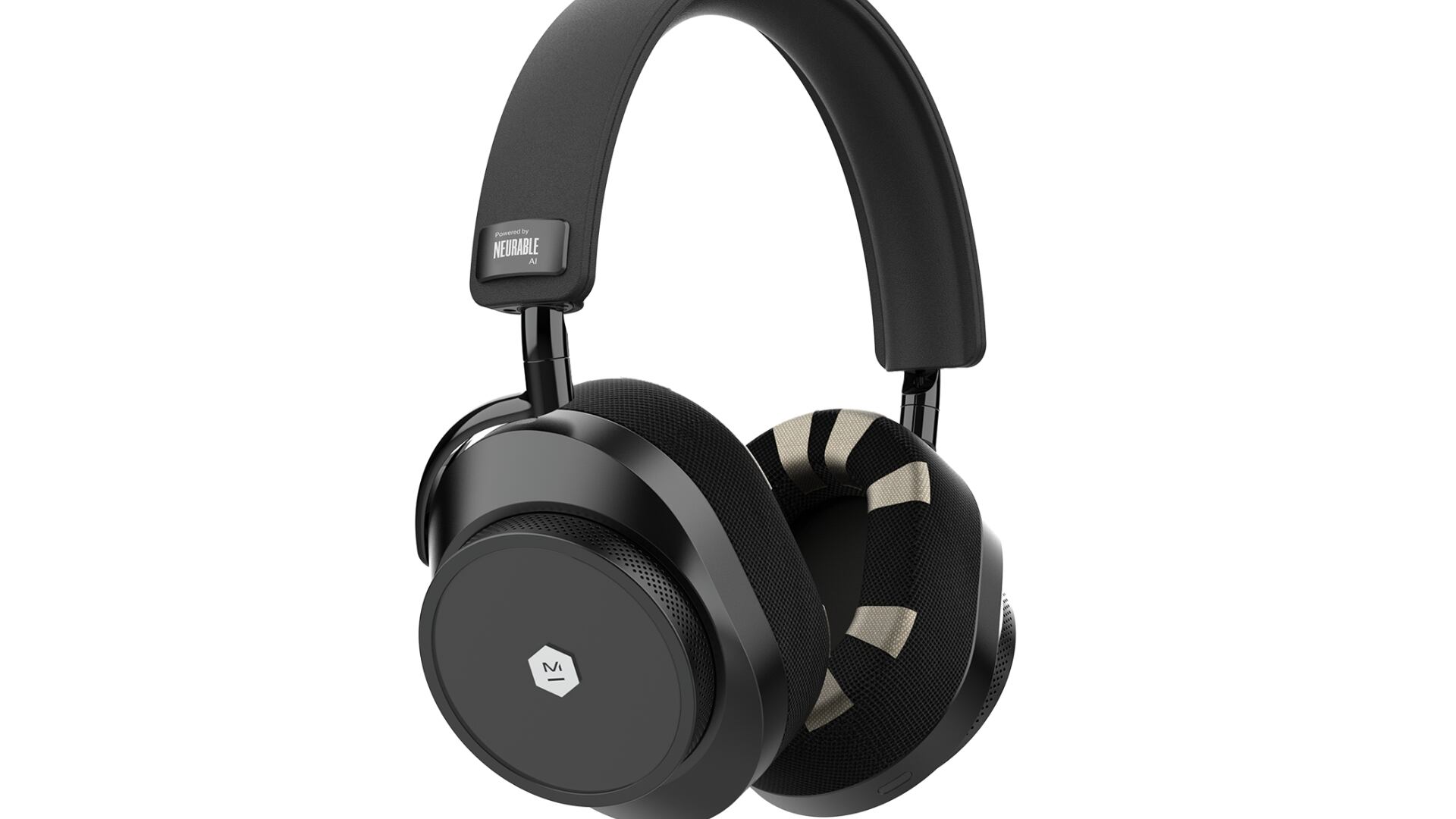
You can track your sleep habits or heart rate, but how about your brain? Neurable's MW75-Neuro headphones turn your focus and productivity into data you can use to avoid burnout – here's how they do it.