U.S. health regulators pledged again Thursday to try to ban menthol cigarettes, this time under pressure from African American groups to remove the mint flavor popular among Black smokers.
The Food and Drug Administration has attempted several times to get rid of menthol but faced pushback from Big Tobacco, members of Congress and competing political interests in both the Obama and Trump administrations. Any menthol ban will take years to implement and will likely face legal challenges from tobacco companies.
Thursday’s announcement is the result of a lawsuit filed by anti-smoking and medical groups last summer to force the FDA to finally make a decision on menthol, alleging that regulators had “unreasonably delayed” responding to a 2013 petition seeking to ban the flavor.
The deadline for the agency’s response was Thursday. The FDA said it aims to propose regulations banning the flavor in the coming year.
The action would also ban menthol and fruity flavors from low-cost, small cigars, which are increasingly popular with young people, especially Black teens.
“We will save save hundreds of thousands of lives and prevent future generations from becoming addicted smokers,” said Dr. Janet Woodcock, the FDA's acting commissioner.
She cited research estimates that banning menthol would prevent 630,000 tobacco-related deaths over 40 years, more than a third of them among African Americans.
Menthol is the only cigarette flavor that was not banned under the 2009 law that gave the FDA authority over tobacco products, an exemption negotiated by industry lobbyists. The act did, though, instruct the agency to continue to weigh banning menthol.
The flavor’s persistence has infuriated anti-smoking advocates, who point to research that menthol’s numbing effect masks the harshness of smoking, likely making it easier to start and harder to quit.
The mint-flavored cigarettes are overwhelmingly used by young people and minorities, particularly Black smokers, 85% of whom smoke menthols. That compares to about a third of white smokers.
“The science is there, the data is there, so why are these products still on the market?” said Carol McGruder of the African American Tobacco Control Leadership Council.
Her group sued along with Action on Smoking and Health, the American Medical Association and the National Medical Association, which represents Black physicians.
For decades, companies focused menthol marketing and promotions on Black communities, including sponsoring music festivals and neighborhood events. Company documents released via 1990s litigation also show companies viewed menthol cigarettes as good “starter” products because they were more palatable for teenagers .
“There was a specific, intentional focus on creating the next generation of smokers by making menthol cigarettes available in those communities,” said Dr. Nia Heard-Garris, who chairs the American Academy of Pediatrics’ group on minority health and equity.
Reva Shakkottai, Senior Vice President and financial advisor at RBC Wealth Management, joins Cheddar News' Closing Bell, where she elaborates on factors besides Wednesday's Fed decision that led to gains across the major indexes on Thursday, including new home construction and jobless claims data.
March Nadness is officially underway, and betting on this year's tournament has the potential to reach record levels. About 45 million Americans are expected to wager a total of $3.1 billion on just the men's tournament alone, according to a new survey from the American Gaming Association. Prince Grimes, Senior Writer for USA Today's sports betting media property, BetFTW, joins Cheddar News' Closing Bell to discuss how betting could play into this year's tournament and other storylines surrounding March Madness.
Netflix is testing out a way to charge users who share their passwords with friends and family, and while it's not being introduced in the U.S. yet, it might one day. The streaming giant is under pressure to grow membership numbers after lackluster fourth-quarter guidance, and anticipated pressures as people return to work and face higher costs elsewhere, thanks to rising inflation. Will Netflix see increased customer cancellations if it implements a price hike for password sharing? Is the company only focusing on the investor, and not the subscriber? Seth Schachner, Managing Director at StratAmericas and Digital Business Executive, joins Closing Bell to discuss Netflix's plans to charge for password sharing, why the company is doing so, how it might hurt subscriber numbers and more.
Simeon Hyman, Chief Investment Strategist at ProShares, joins Cheddar News' Closing Bell, where he explains why his firm launched the Proshares Metaverse ETF today and how this portfolio offers the opportunity for success both now and in the future.
Medical cannabis company Akanda went public this week in what was the first traditional IPO of the month. Shares jumped about 163% in the stock's first day of trading. The London-based company says it hopes to supply medical cannabis products to wholesalers in international markets. Tej Virk, CEO of Akanda, joins Cheddar News' Closing Bell to discuss.
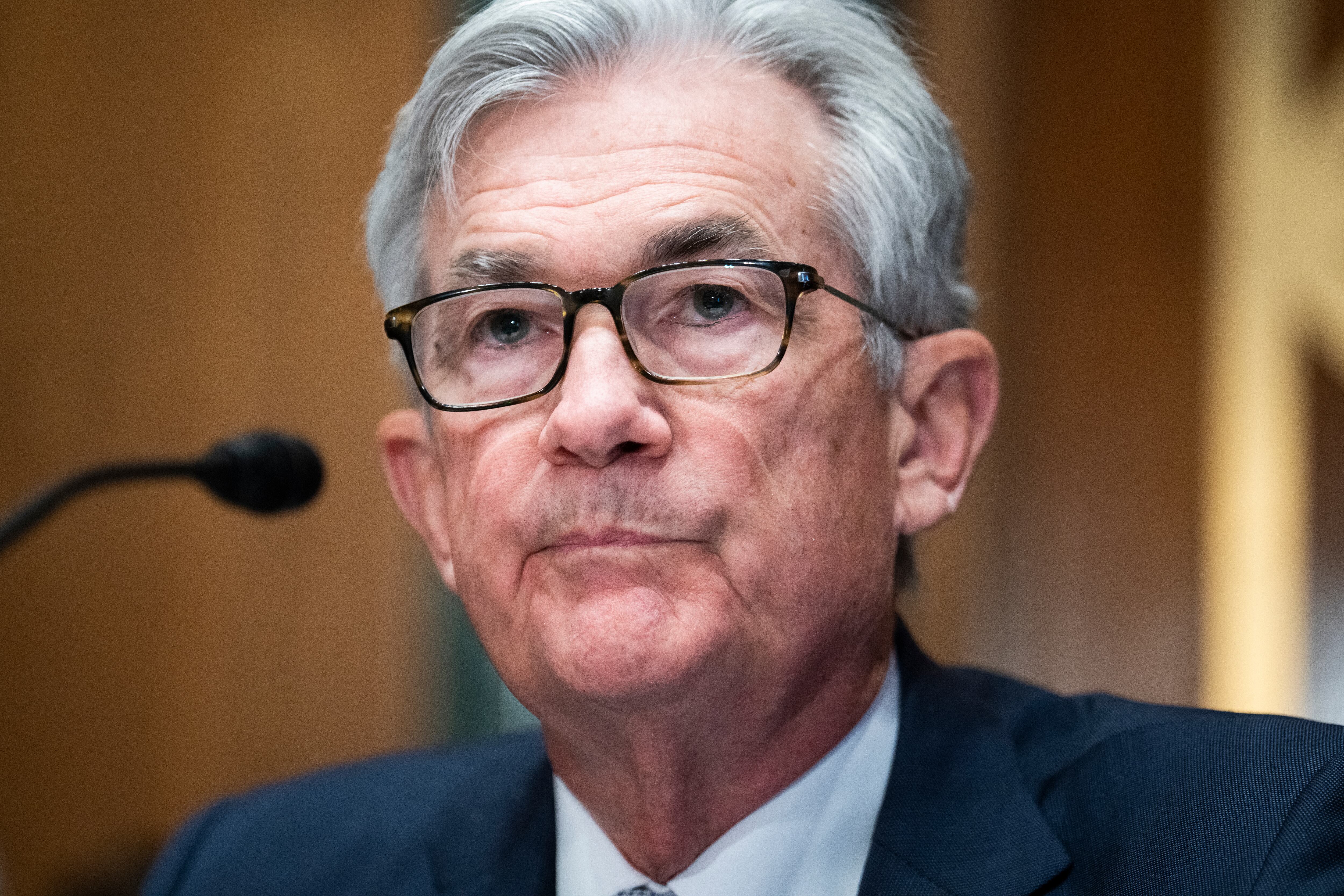
Art Hogan, Chief Market Strategist at National Securities, joins Cheddar News' Closing Bell, where he breaks down Fed Chair Jerome Powell's speech following the U.S. central bank's decision to raise rates and explains why Powell's comments move the markets more than the Fed decision itself.
Software company Akeneo CEO Fred De Gombert joined Closing Bell to discuss its recently closed Series D funding round raising $135 million in its quest to redefine product information management. De Gombert said the company is set out to improve the product information category by harnessing the power of data, which comes at a time where customer behavior has shifted in the pandemic era. "We are more and more demanding as consumers when we are shopping online or even offline. We are looking for more and more information," De Gombert said.
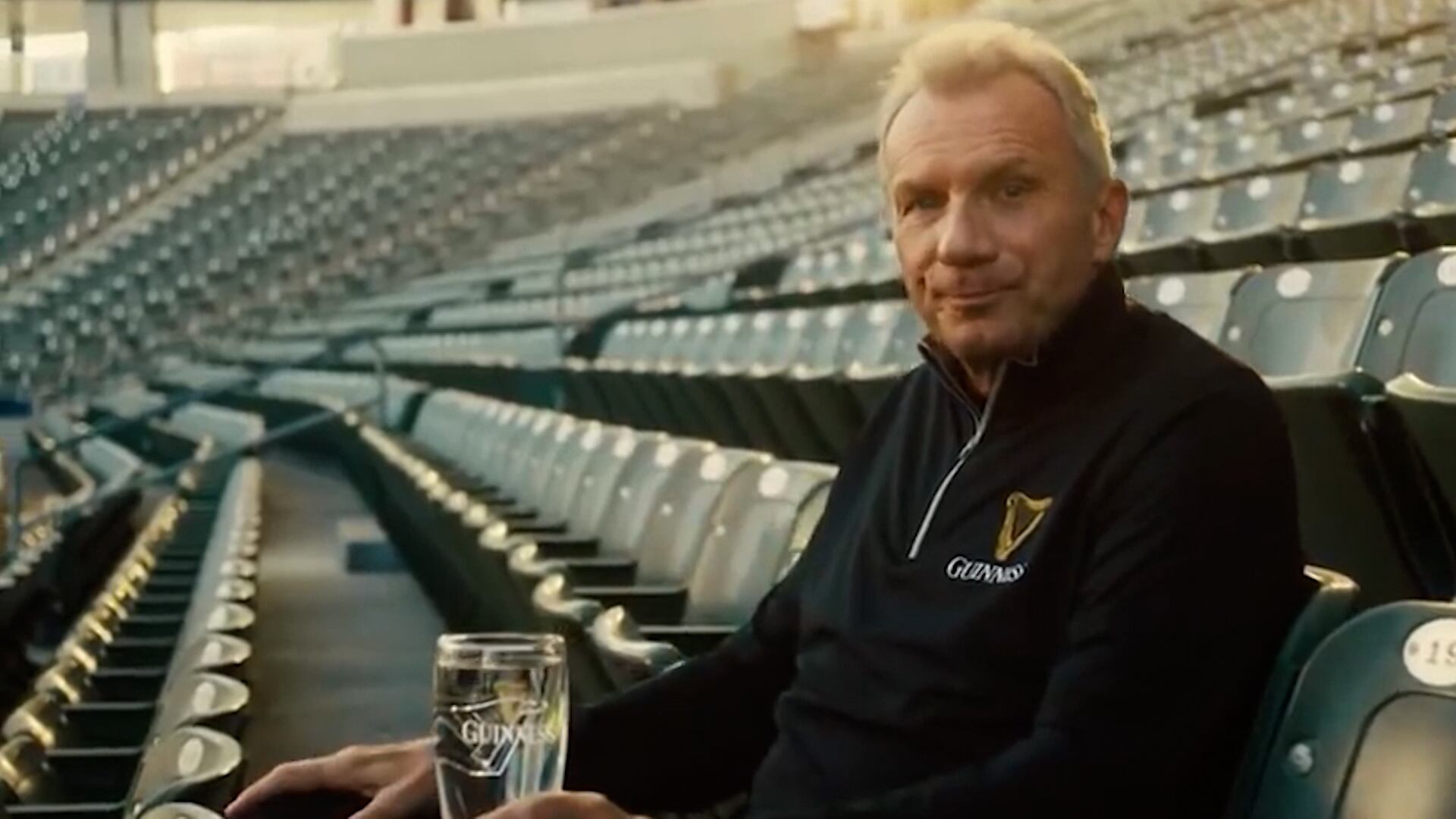
Guinness Ambassador and Pro Football Hall of Famer Joe Montana and Diageo CEO Nuno Teles got to ring the closing bell at the New York Stock Exchange to celebrate the St. Patrick’s Day holiday for the first time in two years. "We're just happy to be out here celebrating today. not only St. Patrick's Day, but the ability for all of us to get together again, right, and be able to celebrate St. Patrick's Day," said Montana. And with March 17th being the biggest day of the year for the Guinness brand, it comes amid supply chain woes. "Well, there's a high demand and with high demand, we need to really go and be more creative in the way we manage the supply," Teles said. "So we have been able to allocate product, making sure that everyone has what they need to go through this important period of the year, which is St. Patrick's."
Bioscience and genetic engineering company, Colossal, raised $60 million in a Series A funding round. Colossal is focused on developing new technologies and genetic tools to restore extinct species, and protect critically endangered species. One of the startup's long-term goals is to resurrect the woolly mammoth, and return it back to the arctic. Colossal also says it is developing technology that expands beyond animals, and has the potential to advance human health. Ben Lamm, co-founder and CEO of Colossal, joins Cheddar News' Closing Bell to discuss.