U.S. health regulators pledged again Thursday to try to ban menthol cigarettes, this time under pressure from African American groups to remove the mint flavor popular among Black smokers.
The Food and Drug Administration has attempted several times to get rid of menthol but faced pushback from Big Tobacco, members of Congress and competing political interests in both the Obama and Trump administrations. Any menthol ban will take years to implement and will likely face legal challenges from tobacco companies.
Thursday’s announcement is the result of a lawsuit filed by anti-smoking and medical groups last summer to force the FDA to finally make a decision on menthol, alleging that regulators had “unreasonably delayed” responding to a 2013 petition seeking to ban the flavor.
The deadline for the agency’s response was Thursday. The FDA said it aims to propose regulations banning the flavor in the coming year.
The action would also ban menthol and fruity flavors from low-cost, small cigars, which are increasingly popular with young people, especially Black teens.
“We will save save hundreds of thousands of lives and prevent future generations from becoming addicted smokers,” said Dr. Janet Woodcock, the FDA's acting commissioner.
She cited research estimates that banning menthol would prevent 630,000 tobacco-related deaths over 40 years, more than a third of them among African Americans.
Menthol is the only cigarette flavor that was not banned under the 2009 law that gave the FDA authority over tobacco products, an exemption negotiated by industry lobbyists. The act did, though, instruct the agency to continue to weigh banning menthol.
The flavor’s persistence has infuriated anti-smoking advocates, who point to research that menthol’s numbing effect masks the harshness of smoking, likely making it easier to start and harder to quit.
The mint-flavored cigarettes are overwhelmingly used by young people and minorities, particularly Black smokers, 85% of whom smoke menthols. That compares to about a third of white smokers.
“The science is there, the data is there, so why are these products still on the market?” said Carol McGruder of the African American Tobacco Control Leadership Council.
Her group sued along with Action on Smoking and Health, the American Medical Association and the National Medical Association, which represents Black physicians.
For decades, companies focused menthol marketing and promotions on Black communities, including sponsoring music festivals and neighborhood events. Company documents released via 1990s litigation also show companies viewed menthol cigarettes as good “starter” products because they were more palatable for teenagers .
“There was a specific, intentional focus on creating the next generation of smokers by making menthol cigarettes available in those communities,” said Dr. Nia Heard-Garris, who chairs the American Academy of Pediatrics’ group on minority health and equity.
William Li and Danielle Chang, co-founders of The Hao Life, join Cheddar Innovates to discuss how they're shaking up the $71 billion supplement industry by putting a modern spin on traditional natural Chinese remedies.
Stocks closed at session lows Thursday, with the major indexes falling slightly for the shortened trading week. The S&P 500 fell 2.1% for the week, the Dow Jones Industrial Average fell 0.8%, and the tech-heavy Nasdaq fell 2.6%. Investors continue to keep a close eye on inflation data, as well as earnings. Nancy Tengler, Chief investment Officer at Laffer Tengler Investments, joins Closing Bell to discuss today's close, inflation, how the Fed will handle rising prices, earnings, and more.
The major U.S. indexes closed Tuesday off of session lows as investors digest the latest read on inflation, showing it remains hot. Wall Street is also preparing for earnings from big banks and monitoring potential policy moves from the Federal Reserve. Peter Tuchman, a stock trader at TradeMas, joins Cheddar News' Closing Bell and highlighted tech stocks in particular. 'The tech sector, which led us to record highs before the 1st of this year, are now the ones that are leading us lower,' he said.
The competition between streaming platforms is heating up as Apple TV+, HBO Max, and others acquire the rights to air live sports, oftentimes behind an exclusive paywall. While this is likely to entice some viewers, it also presents a risk that viewership will become fractured. Customers might steer away from subscription overload as content streaming options become seemingly endless. Jeff Agrest, deputy sports editor and media columnist at the Chicago Sun-Times, joins Closing Bell to discuss what it means for the live sports industry when content is put behind a paywall on streaming platforms, how it could impact viewership, impact on sports betting, potential acquisition targets, and more.
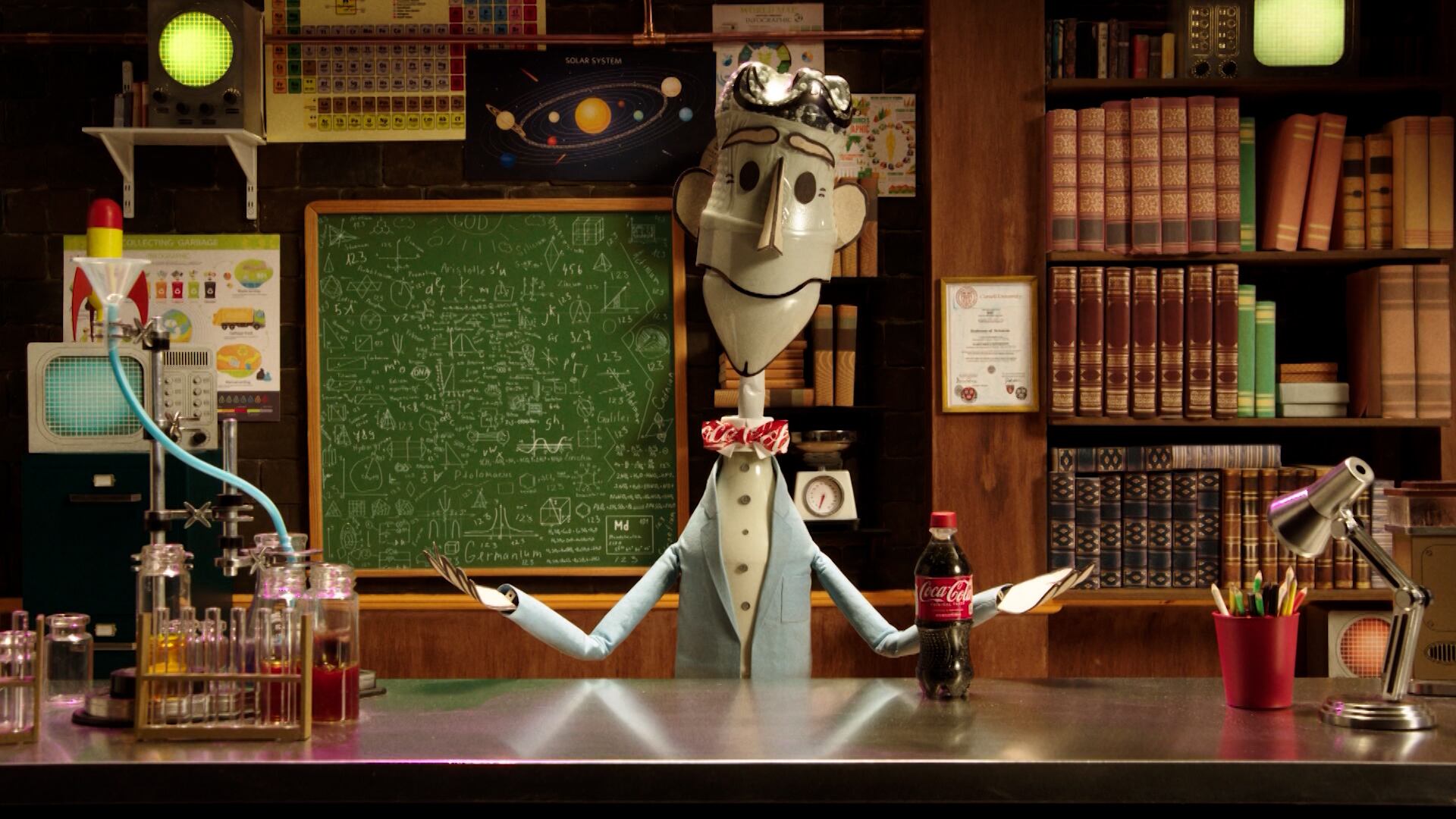
The Coca-Cola Company is teaming up with science education personality Bill Nye as part of its World Without Waste Initiative to describe the bottle-to-bottle plastic recycling process through a vividly animated, stop-motion short film. Christine Yeager, director of sustainability at The Coca-Cola Company, North America, joined Cheddar News to talk about their initiative and the partnership. "We really wanted to partner with someone who can help us make recycling relatable, but also has a very um respected voice in the climate change space," she said.
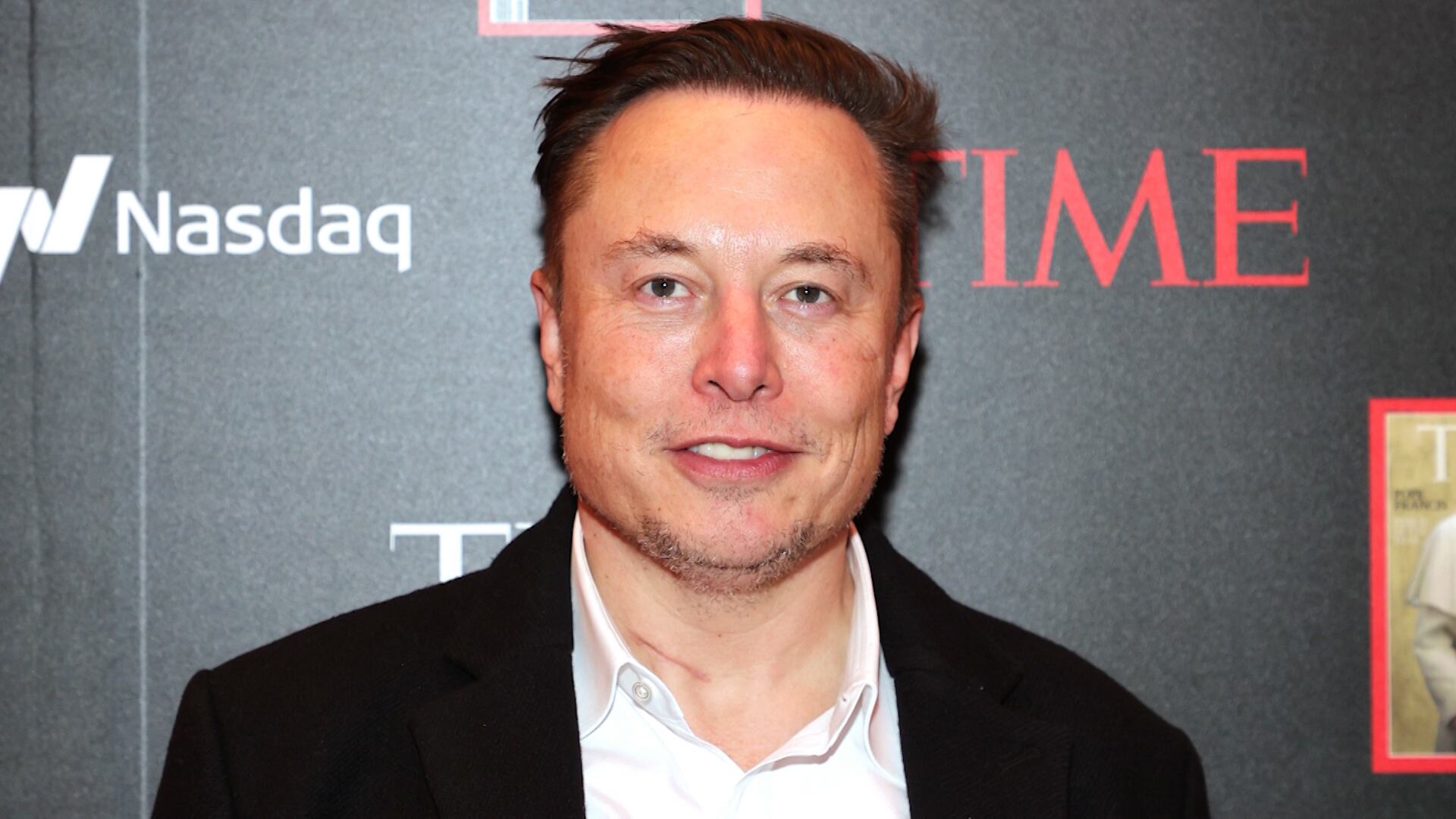
Billionaire Elon Musk made waves after revealing he's making an attempt at a hostile takeover of the social media platform Twitter. The Tesla CEO is offering $43 billion to buy the social media platform outright with "freedom of speech" allegedly at the forefront of his agenda. Dan Ives, managing director of equity research at Wedbush Securities, is taking the tech entrepreneur seriously. "I think through many twists and turns over the coming months, he ultimately ends up owning Twitter because Twitter's board, their back is going to be against the wall," he said.
Retail sales grew 0.5 percent in March, largely being attributed to the rise in gas prices. Jharonne Martis, director of consumer research at Refinitiv, joined Cheddar News to discuss why consumer confidence has remained strong despite high prices. "What's holding on the consumer is the strong employment market that we have right now in the United States, which is one of the strongest we had in a very long time. If consumers feel that they are secure in their job, they're going to continue to spend," she said. However, Martis noted that signs that consumer spending is slowing down are already visible as well.