U.S. health regulators pledged again Thursday to try to ban menthol cigarettes, this time under pressure from African American groups to remove the mint flavor popular among Black smokers.
The Food and Drug Administration has attempted several times to get rid of menthol but faced pushback from Big Tobacco, members of Congress and competing political interests in both the Obama and Trump administrations. Any menthol ban will take years to implement and will likely face legal challenges from tobacco companies.
Thursday’s announcement is the result of a lawsuit filed by anti-smoking and medical groups last summer to force the FDA to finally make a decision on menthol, alleging that regulators had “unreasonably delayed” responding to a 2013 petition seeking to ban the flavor.
The deadline for the agency’s response was Thursday. The FDA said it aims to propose regulations banning the flavor in the coming year.
The action would also ban menthol and fruity flavors from low-cost, small cigars, which are increasingly popular with young people, especially Black teens.
“We will save save hundreds of thousands of lives and prevent future generations from becoming addicted smokers,” said Dr. Janet Woodcock, the FDA's acting commissioner.
She cited research estimates that banning menthol would prevent 630,000 tobacco-related deaths over 40 years, more than a third of them among African Americans.
Menthol is the only cigarette flavor that was not banned under the 2009 law that gave the FDA authority over tobacco products, an exemption negotiated by industry lobbyists. The act did, though, instruct the agency to continue to weigh banning menthol.
The flavor’s persistence has infuriated anti-smoking advocates, who point to research that menthol’s numbing effect masks the harshness of smoking, likely making it easier to start and harder to quit.
The mint-flavored cigarettes are overwhelmingly used by young people and minorities, particularly Black smokers, 85% of whom smoke menthols. That compares to about a third of white smokers.
“The science is there, the data is there, so why are these products still on the market?” said Carol McGruder of the African American Tobacco Control Leadership Council.
Her group sued along with Action on Smoking and Health, the American Medical Association and the National Medical Association, which represents Black physicians.
For decades, companies focused menthol marketing and promotions on Black communities, including sponsoring music festivals and neighborhood events. Company documents released via 1990s litigation also show companies viewed menthol cigarettes as good “starter” products because they were more palatable for teenagers .
“There was a specific, intentional focus on creating the next generation of smokers by making menthol cigarettes available in those communities,” said Dr. Nia Heard-Garris, who chairs the American Academy of Pediatrics’ group on minority health and equity.
The telecom giant AT&T is looking to make online learning more fun for students by engaging them with content from its partners at Warner Bros. Discovery. Mylayna Albright, the assistant vice president of corporate social responsibility for AT&T, joined Cheddar to discuss how the company came about with the free digital e-learning program that it's calling The Achievery. "We knew that once students went home as a result of the pandemic, it was very difficult for them, and we knew from research, specifically through Morning Consult, that parents and teachers realized that probably 80 percent of students felt that they would be more engaged if they had a more entertaining approach," she said.
Stocks closed lower Monday as investors eye earnings, inflation, rising rates, and more. The 10-year Treasury yield reached its highest level since late 2018, leaving investors worried about rising rates and concerned about a potential recession. Earnings season is also kicking into high gear this week as big tech names, airlines, and other companies report their latest quarterly results. Steve Sosnick, Chief Investment Strategist at Interactive Brokers, joins Closing Bell to discuss today's close, how the Federal Reserve will balance inflation versus recession risk, how the war in Ukraine could continue to impact markets, and more.
Jared Walczak, Vice President of State Projects for the Tax Foundation, joins Cheddar News' Closing Bell, where he explains why a tax exemption for groceries does not benefit lower-income families as much as one would expect. He also makes the argument that a rate cut would actually be more beneficial.
Sourceful is an all-in-one platform for sourcing sustainable materials. The startup recently raised $20 million in a Series A round led by Index Ventures. Through its platform, Sourceful helps businesses find and design more eco-friendly packaging and reduce the carbon footprint of their supply chains. Wing Chan, Co-Founder and CEO of Sourceful, joined Cheddar News' Closing Bell to discuss.
If you did not attend Coachella and spent the weekend scrolling through Tiktok or Instagram, you probably saw a lot influencers comparing Revolve Festival to Fyre Fest.
Content creator Lars Gummer joins Cheddar News to discuss his experience at the festival.
Britt Reichborn-Kjennerud, Section Manager for E-Mobility & Demonstrations for Electric Vehicles, Con Edison and
Joe Morreale, Section Manager of EV Demo Projects and Managed Charging & E-Mobility & Demonstrations, Con Edison, join Cheddar News' Ken Buffa from the New York Auto Show to discuss Con Edison's Clean Energy Commitment and the goal to power New York with 100% clean energy through initiatives like the 'SmartCharge' and 'PowerReady' Programs.
Arthur Madrid, CEO of The Sandbox, and Steven Kolb, CEO of CFDA, join Cheddar News to discuss their partnership focused around fashion in the metaverse.
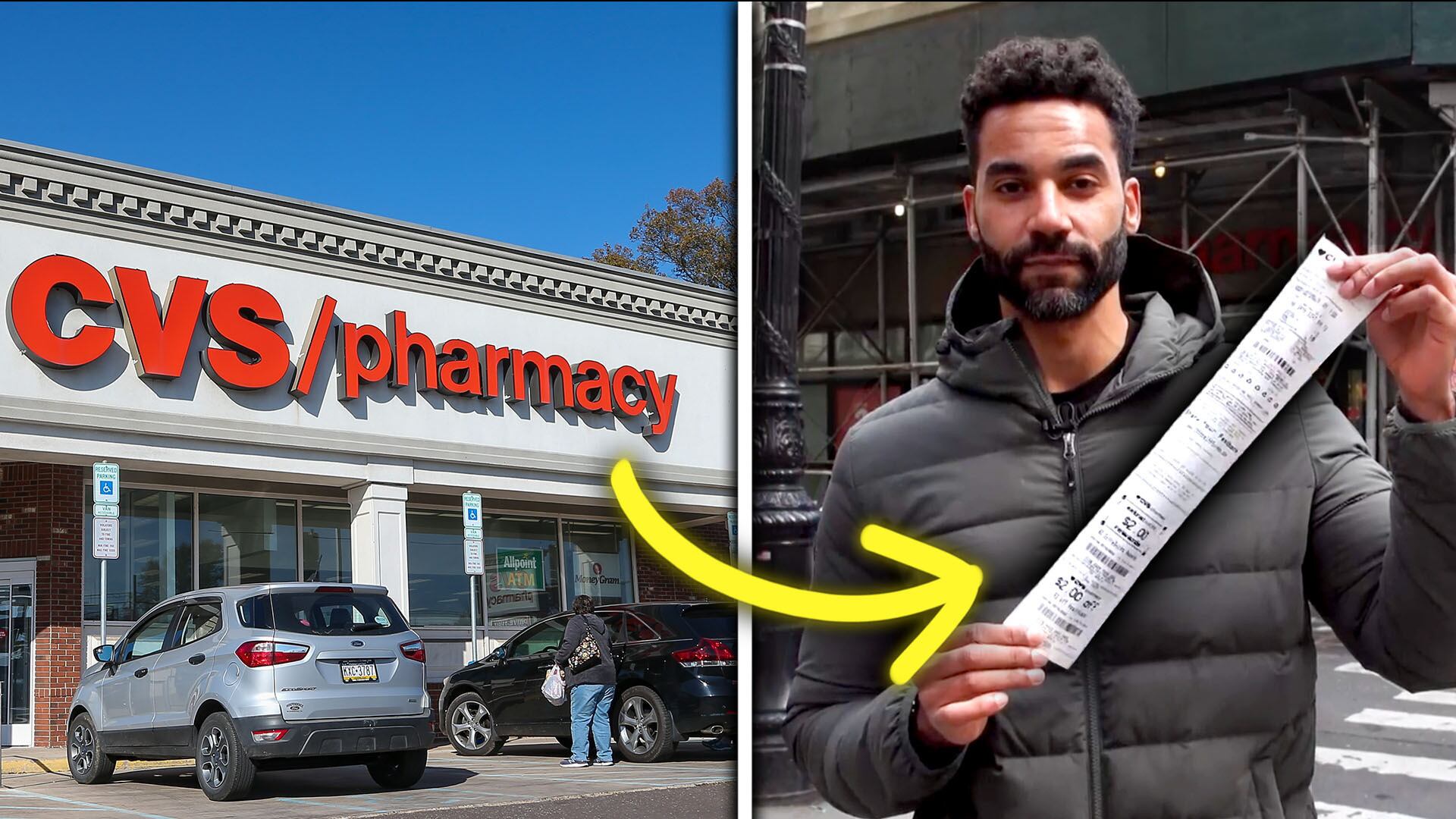
Ever walk into a CVS to pick up some gum, maybe some Chapstick, only to get hit with a ridiculously long receipt? It’s no secret that most CVS purchases come with these comically long receipts. But what might surprise you is that these long receipts are part of a marketing plan that's paying off big time for CVS.