U.S. health regulators pledged again Thursday to try to ban menthol cigarettes, this time under pressure from African American groups to remove the mint flavor popular among Black smokers.
The Food and Drug Administration has attempted several times to get rid of menthol but faced pushback from Big Tobacco, members of Congress and competing political interests in both the Obama and Trump administrations. Any menthol ban will take years to implement and will likely face legal challenges from tobacco companies.
Thursday’s announcement is the result of a lawsuit filed by anti-smoking and medical groups last summer to force the FDA to finally make a decision on menthol, alleging that regulators had “unreasonably delayed” responding to a 2013 petition seeking to ban the flavor.
The deadline for the agency’s response was Thursday. The FDA said it aims to propose regulations banning the flavor in the coming year.
The action would also ban menthol and fruity flavors from low-cost, small cigars, which are increasingly popular with young people, especially Black teens.
“We will save save hundreds of thousands of lives and prevent future generations from becoming addicted smokers,” said Dr. Janet Woodcock, the FDA's acting commissioner.
She cited research estimates that banning menthol would prevent 630,000 tobacco-related deaths over 40 years, more than a third of them among African Americans.
Menthol is the only cigarette flavor that was not banned under the 2009 law that gave the FDA authority over tobacco products, an exemption negotiated by industry lobbyists. The act did, though, instruct the agency to continue to weigh banning menthol.
The flavor’s persistence has infuriated anti-smoking advocates, who point to research that menthol’s numbing effect masks the harshness of smoking, likely making it easier to start and harder to quit.
The mint-flavored cigarettes are overwhelmingly used by young people and minorities, particularly Black smokers, 85% of whom smoke menthols. That compares to about a third of white smokers.
“The science is there, the data is there, so why are these products still on the market?” said Carol McGruder of the African American Tobacco Control Leadership Council.
Her group sued along with Action on Smoking and Health, the American Medical Association and the National Medical Association, which represents Black physicians.
For decades, companies focused menthol marketing and promotions on Black communities, including sponsoring music festivals and neighborhood events. Company documents released via 1990s litigation also show companies viewed menthol cigarettes as good “starter” products because they were more palatable for teenagers .
“There was a specific, intentional focus on creating the next generation of smokers by making menthol cigarettes available in those communities,” said Dr. Nia Heard-Garris, who chairs the American Academy of Pediatrics’ group on minority health and equity.
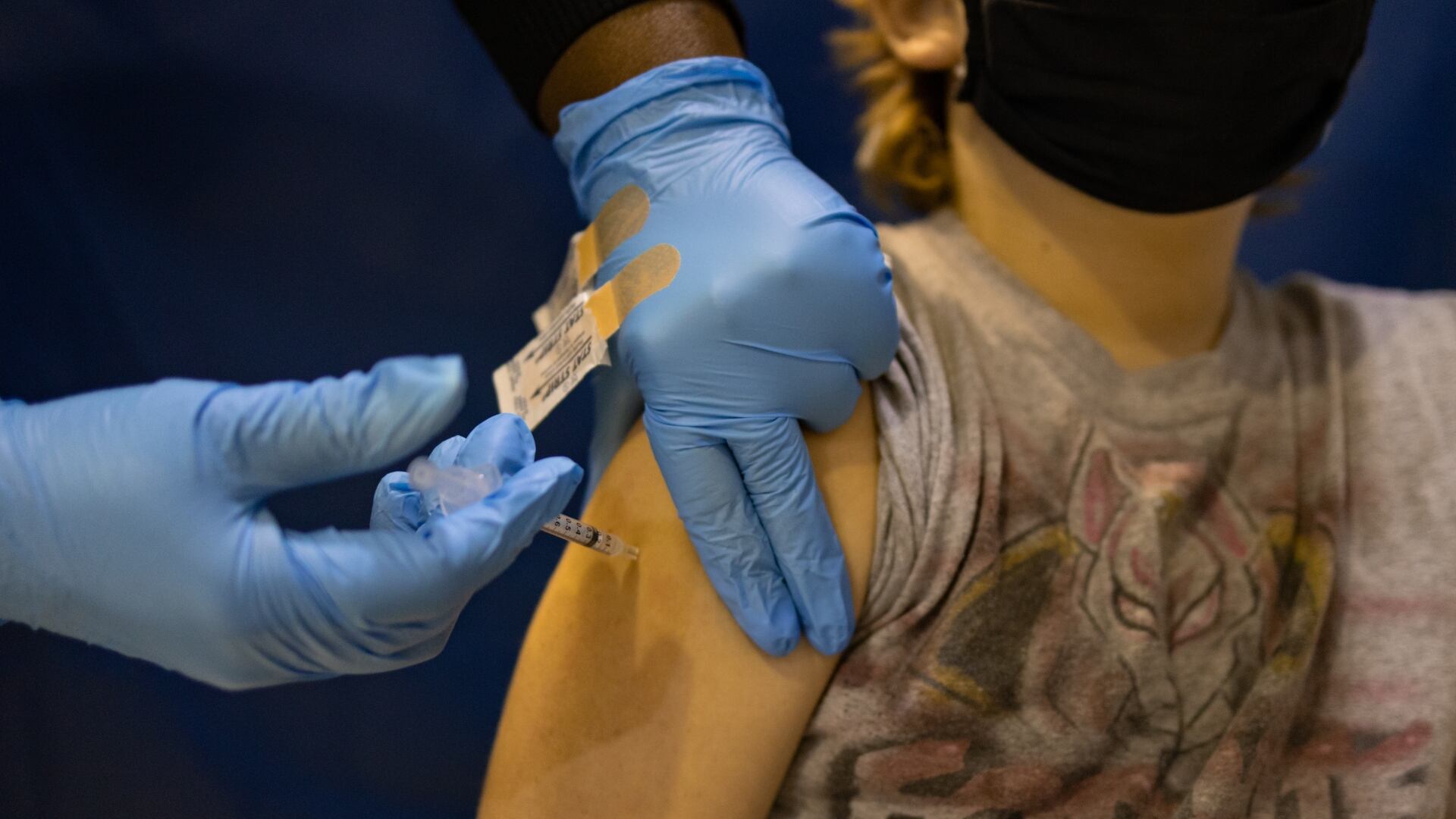
The Fifth Circuit Court of Appeals court temporarily held up President Biden's vaccine mandate for workplaces with more than 100 employees as the various lawsuits challenging it are combined. Marjorie Mesidor, a partner at the law firm Phillips & Associates, PLLC, joined Cheddar to break down the arguments in play. "They [the Biden Administration] say we have the authority to do this under the broad powers that are given under OSHA," she said. "What the Republic side then is saying, no, this is overbroad."
The popular online gaming platform for kids, Roblox, is reportedly expanding its offerings into the educational space. Ayal Shmilovich, managing partner at Gerber Kawasaki Wealth Investment Management, joined Cheddar to provide some insight into the report from the Wall Street Journal and how Roblox plans to incorporate the metaverse concept into schools. "I definitely think it helps them expand their market to a much broader audience," Shmilovich added. He also noted that Minecraft has 35 million users on its educational platform and was even more optimistic about Roblox's prospects.
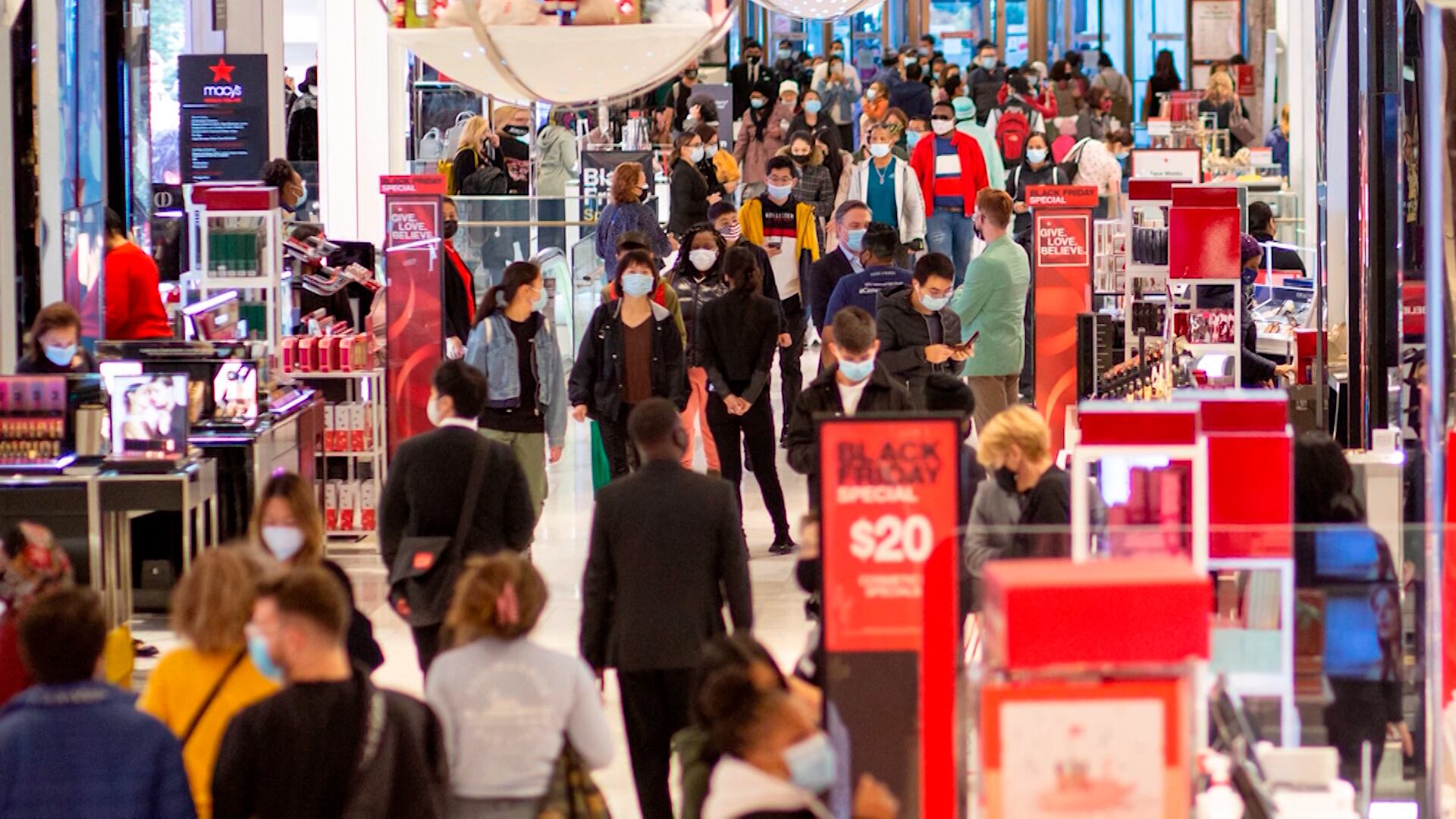
Stocks closed higher as the retail sector showed continued strength - including higher retail sales data in October and strong earnings for big-box retailers Walmart and Home Depot, which lifted the Dow. Lance Ippolito, head trader at the Future Of Wealth, joins Cheddar News' Closing Bell to discuss today's close, where investors should look for growth, and how the electric vehicle space will drive markets.
Bitcoin hit a new high last week, rising above $68,000. But the coin has tumbled since, and it's not the only coin under pressure. Crypto is down today across the board. Bobby Zagotta, CEO of Bitstamp USA, joins Cheddar News' Closing Bell to discuss the possible reasons why Bitcoin has slumped, how President Joe Biden's new crypto tax clause will impact investors, and more.
The Green Bay Packers are selling shares of their stock for just the sixth time in its 102-year history. The Packers are the only major professional sports team in the U.S. that is publicly owned and not-for-profit. Now, it is offering 300,000 shares at $300 apiece; however, fans who become shareholders will not have much power, as the Packers' stock is not technically a stock. Washington Post sports reporter Des Bieler joins Cheddar News' Closing Bell to discuss.
Katie Thomas, lead at Kearney Consumer Institute, joined Cheddar to talk about Walmart's Q3 earnings beat and what it means for the larger retail industry ahead of the gift-giving season. "Getting strong numbers from Walmart and from the retail sector overall is good news going into the holiday season. It shows that even though despite some of the news around supply constraints, consumers are still getting out there and shopping," she said. With the holiday rush nearly setting in, Thomas said a clearer view of the economy will be found after Q4 results are posted, giving some time to account for how well businesses were able to maintain amid supply constraints.
Inflation has risen to its highest level in 31 years, sending consumer prices on everything from groceries to gas to rent surging. For many businesses, that's good news as inflation typically means better profit margins. According to data from FactSet, nearly two out of three of the biggest U.S. publicly traded companies have reported fatter profit margins so far this year compared to the same stretch of 2019, before the pandemic. Gregory Daco, chief U.S. economist for Oxford Economics, breaks down how the top businesses are reaping the benefits of inflation, and when consumers can expect inflation to ease.
As the U.S. opens its borders to vaccinated international travelers after months of restrictions, the hospitality industry is preparing for a comeback. Radha Arora, President and Co-Chief Development Officer, Rosewood Hotel Group joined Cheddar's Opening Bell to discuss his outlook for the broader travel industry.
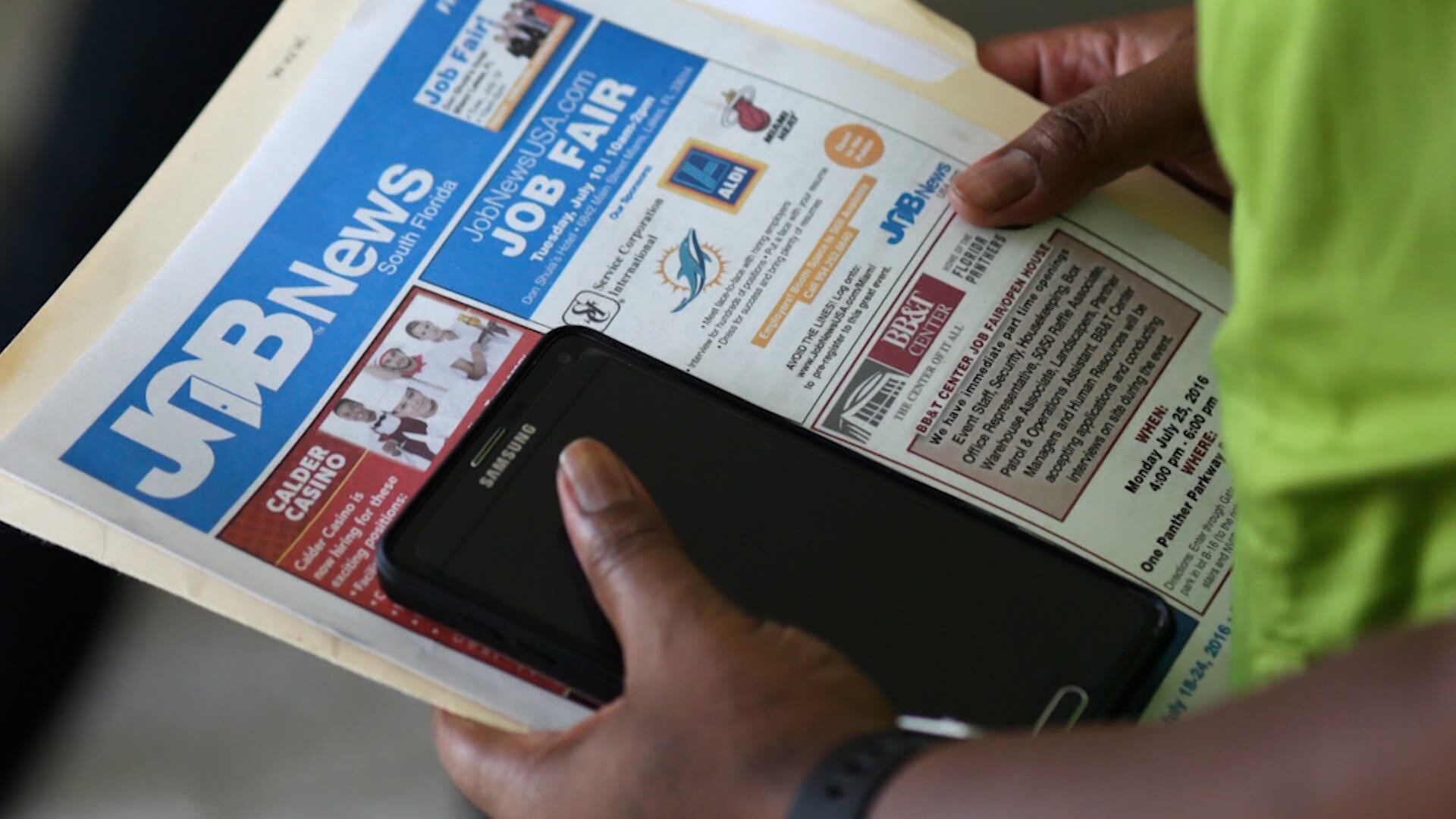
Dominick Reuter, Senior Reporter at Insider, breaks down the challenges within the labor market, and how unionization and inflation are impacting the future of work.