U.S. health regulators pledged again Thursday to try to ban menthol cigarettes, this time under pressure from African American groups to remove the mint flavor popular among Black smokers.
The Food and Drug Administration has attempted several times to get rid of menthol but faced pushback from Big Tobacco, members of Congress and competing political interests in both the Obama and Trump administrations. Any menthol ban will take years to implement and will likely face legal challenges from tobacco companies.
Thursday’s announcement is the result of a lawsuit filed by anti-smoking and medical groups last summer to force the FDA to finally make a decision on menthol, alleging that regulators had “unreasonably delayed” responding to a 2013 petition seeking to ban the flavor.
The deadline for the agency’s response was Thursday. The FDA said it aims to propose regulations banning the flavor in the coming year.
The action would also ban menthol and fruity flavors from low-cost, small cigars, which are increasingly popular with young people, especially Black teens.
“We will save save hundreds of thousands of lives and prevent future generations from becoming addicted smokers,” said Dr. Janet Woodcock, the FDA's acting commissioner.
She cited research estimates that banning menthol would prevent 630,000 tobacco-related deaths over 40 years, more than a third of them among African Americans.
Menthol is the only cigarette flavor that was not banned under the 2009 law that gave the FDA authority over tobacco products, an exemption negotiated by industry lobbyists. The act did, though, instruct the agency to continue to weigh banning menthol.
The flavor’s persistence has infuriated anti-smoking advocates, who point to research that menthol’s numbing effect masks the harshness of smoking, likely making it easier to start and harder to quit.
The mint-flavored cigarettes are overwhelmingly used by young people and minorities, particularly Black smokers, 85% of whom smoke menthols. That compares to about a third of white smokers.
“The science is there, the data is there, so why are these products still on the market?” said Carol McGruder of the African American Tobacco Control Leadership Council.
Her group sued along with Action on Smoking and Health, the American Medical Association and the National Medical Association, which represents Black physicians.
For decades, companies focused menthol marketing and promotions on Black communities, including sponsoring music festivals and neighborhood events. Company documents released via 1990s litigation also show companies viewed menthol cigarettes as good “starter” products because they were more palatable for teenagers .
“There was a specific, intentional focus on creating the next generation of smokers by making menthol cigarettes available in those communities,” said Dr. Nia Heard-Garris, who chairs the American Academy of Pediatrics’ group on minority health and equity.
Amid an ongoing global semiconductor chip shortage, American automaker Ford has decided to open up supply chains of its own. Karl Brauer, an executive analyst at iSeeCars.com, joined Cheddar to discuss Ford's new partnership with multinational semiconductor maker GlobalFoundries to build those chips domestically. Brauer praised Ford for the move both for ongoing supply woes and the future of automobile manufacturing. "It's not just the supply chain," he said. "It's not just about getting chips, but maybe getting chips that are more customized and specific to your needs."
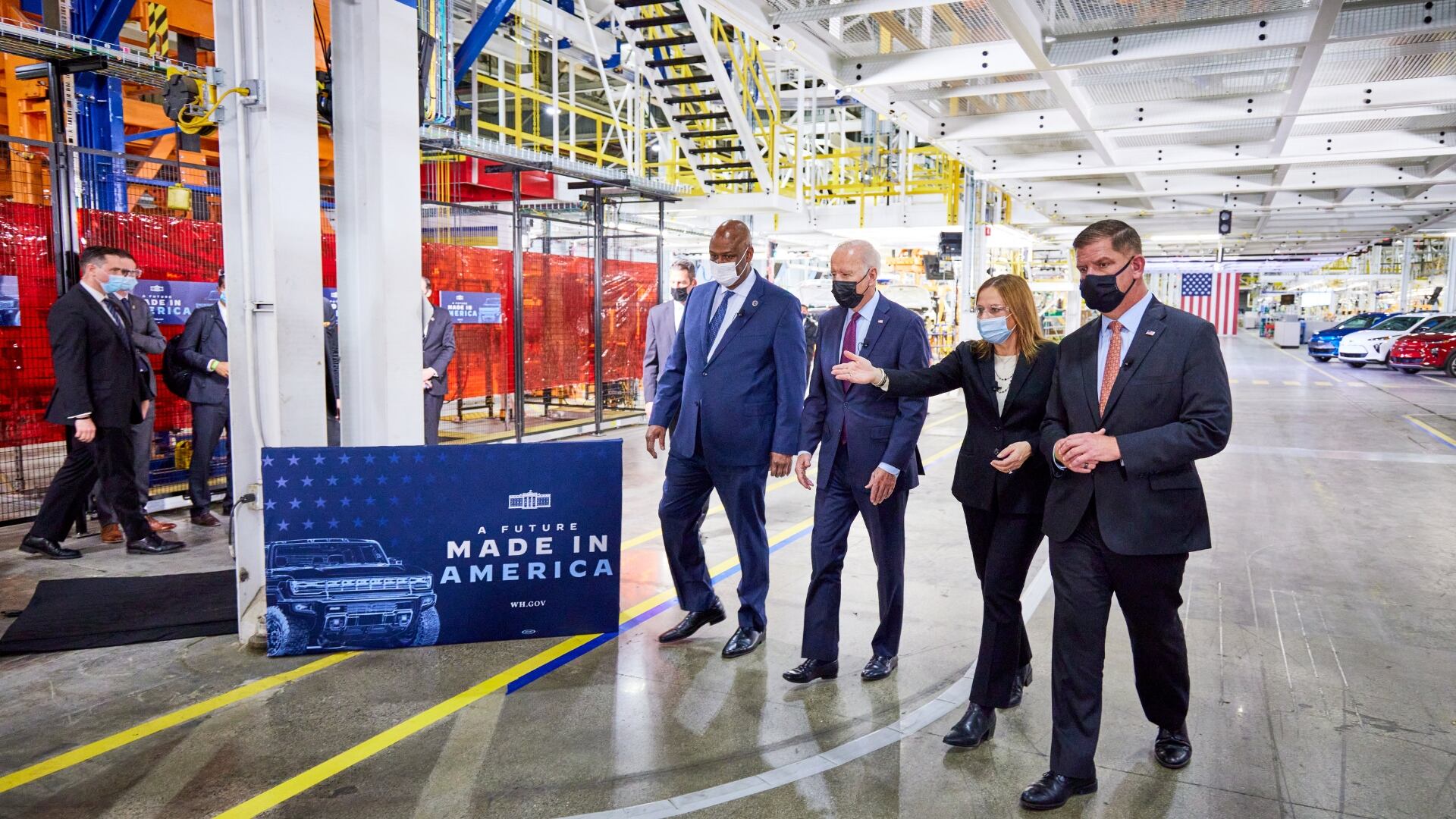
Gerald Johnson, Executive VP, Global Manufacturing and Sustainability at General Motors, joins Cheddar News to break down what Factory ZERO signifies for GM's all-electric future and why the auto manufacturer will be a leader in the growing EV industry.
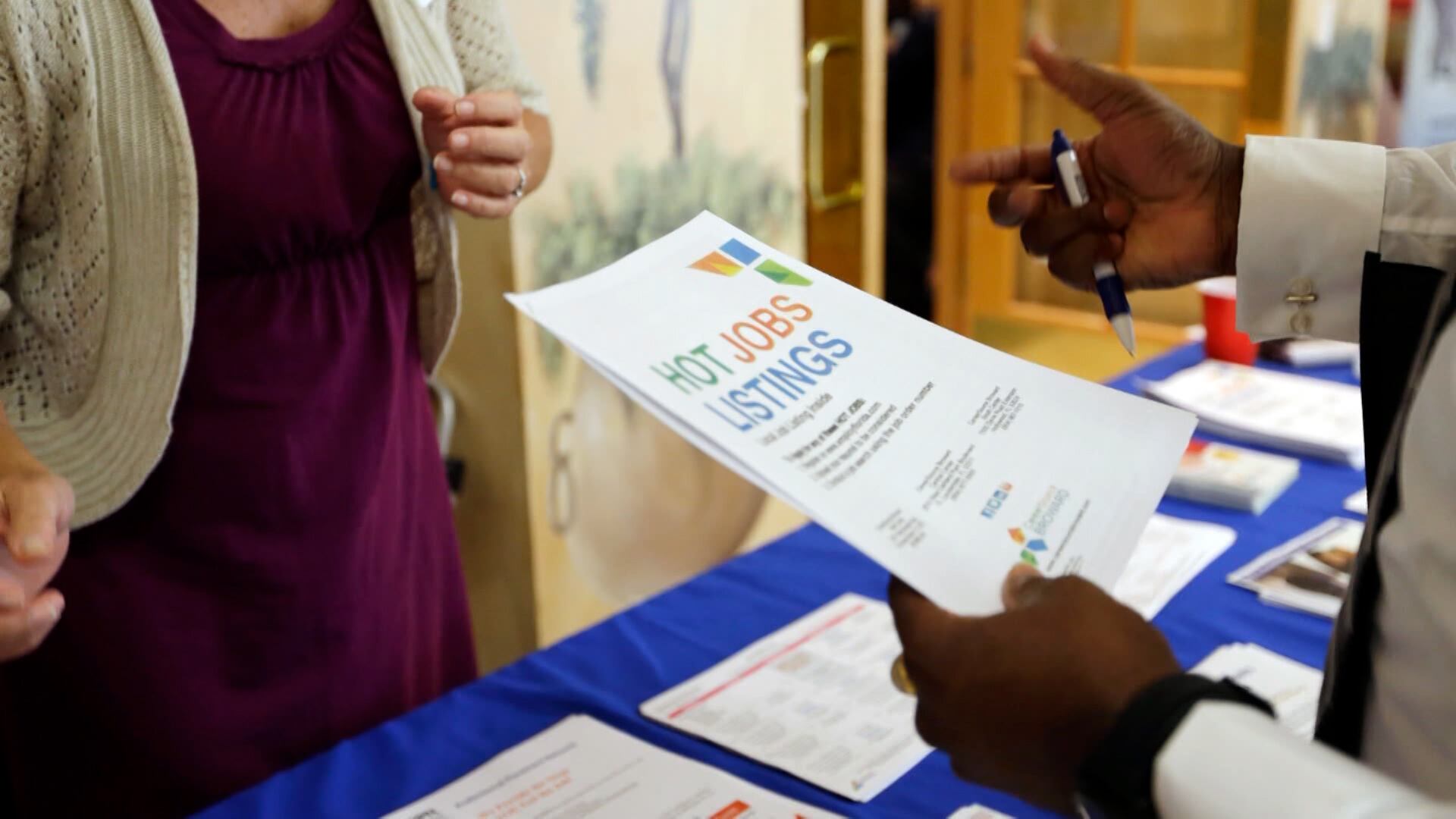
According to the U.S. Labor Department, a record 4.4-million people quit their job in September, with data showing there are seven unemployed workers for every ten job openings.
However, Americans aren't just quitting their jobs for more suitable ones, many are embracing their entrepreneurial side, leaving to start their own business. Dick Schulze, founder of Best Buy joined Cheddar's Opening Bell to discuss.
Airlines are gearing up for a busy winter season as they continue to rebound from the pandemic. But jet fuel prices combined with the ongoing labor shortage could put a damper on those holiday gains. Christian Vernet, president of La Compagnie, the only all business class airline in the world, joined Cheddar for an update on the state of the airline industry and how it's dealing with the surge in demand after the U.S. reopened its border to international visitors.
Cadillac is launching its first ever all-electric vehicle. The 2023 Lyriq boasts an estimated 300 mile range, $60,000 dollar starting price, a 33-inch advanced LED display, among many other features. The rollout comes as Cadillac has posted record third quarter global sales and plans to become all-electric by 2030. Rory Harvey, vice president of Cadillac, joined Cheddar to discuss what drivers can expect from the Lyriq, and how the brand has been able to deal with the ongoing chip shortage.
Octavio Marenzi, Founder & CEO of Opimas, discusses how labor participation is directly correlated with wage pressures and why supply chain issues are having little effect on earnings from the retail sector.
Philip Palumbo, Founder, CEO & Chief Investment Officer of Palumbo Wealth Management, discusses why wage pressure could impact earnings going forward and talks about the valuation mismatch within the tech sector.
Adam Coons, Portfolio Manager at Winthrop Capital Management, explains why supply chain constraints are the biggest risk to markets and which sectors are poised to outperform if interest rates rise.
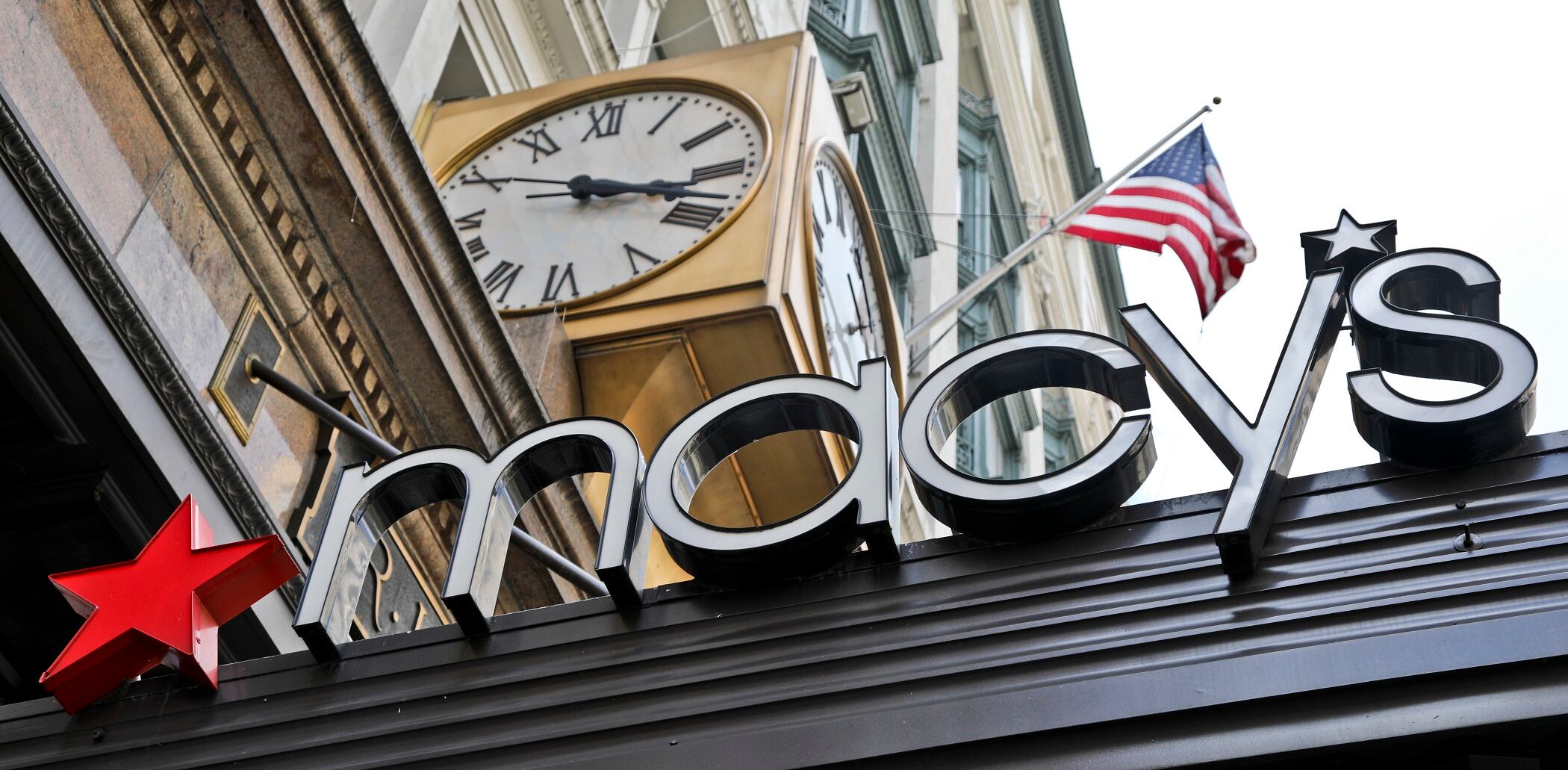
Macy's reported a Q3 earnings beat and raked in $5.4 billion in revenue. The department store giant also said it is equipped to handle the expected holiday shopping rush. The company also announced it would be launching its own curated digital marketplace in 2022.
Zumba Fitness CEO Alberto Perlman joined Cheddar's "Between Bells" to talk about the rise in demand for in-person training after the company saw a 55 percent jump in scheduled classes over Q3. Perlman noted that while demand for in-person training is increasing, the pandemic exposed a market for at-home sessions that will likely persist even after it ends. "The world is becoming hybrid, and people are finding ways to fit in two workouts a week at home and then three workouts at the gym. And our instructors are perfectly positioned to adapt to those environments," he said.