U.S. health regulators pledged again Thursday to try to ban menthol cigarettes, this time under pressure from African American groups to remove the mint flavor popular among Black smokers.
The Food and Drug Administration has attempted several times to get rid of menthol but faced pushback from Big Tobacco, members of Congress and competing political interests in both the Obama and Trump administrations. Any menthol ban will take years to implement and will likely face legal challenges from tobacco companies.
Thursday’s announcement is the result of a lawsuit filed by anti-smoking and medical groups last summer to force the FDA to finally make a decision on menthol, alleging that regulators had “unreasonably delayed” responding to a 2013 petition seeking to ban the flavor.
The deadline for the agency’s response was Thursday. The FDA said it aims to propose regulations banning the flavor in the coming year.
The action would also ban menthol and fruity flavors from low-cost, small cigars, which are increasingly popular with young people, especially Black teens.
“We will save save hundreds of thousands of lives and prevent future generations from becoming addicted smokers,” said Dr. Janet Woodcock, the FDA's acting commissioner.
She cited research estimates that banning menthol would prevent 630,000 tobacco-related deaths over 40 years, more than a third of them among African Americans.
Menthol is the only cigarette flavor that was not banned under the 2009 law that gave the FDA authority over tobacco products, an exemption negotiated by industry lobbyists. The act did, though, instruct the agency to continue to weigh banning menthol.
The flavor’s persistence has infuriated anti-smoking advocates, who point to research that menthol’s numbing effect masks the harshness of smoking, likely making it easier to start and harder to quit.
The mint-flavored cigarettes are overwhelmingly used by young people and minorities, particularly Black smokers, 85% of whom smoke menthols. That compares to about a third of white smokers.
“The science is there, the data is there, so why are these products still on the market?” said Carol McGruder of the African American Tobacco Control Leadership Council.
Her group sued along with Action on Smoking and Health, the American Medical Association and the National Medical Association, which represents Black physicians.
For decades, companies focused menthol marketing and promotions on Black communities, including sponsoring music festivals and neighborhood events. Company documents released via 1990s litigation also show companies viewed menthol cigarettes as good “starter” products because they were more palatable for teenagers .
“There was a specific, intentional focus on creating the next generation of smokers by making menthol cigarettes available in those communities,” said Dr. Nia Heard-Garris, who chairs the American Academy of Pediatrics’ group on minority health and equity.
Austin Winsberg, creator of the NBC series "Zoey's Extraordinary Playlist" joined Cheddar's "Closing Bell" to dish out some details about the holiday movie special "Zoey's Extraordinary Christmas" now on Roku. Despite initial plans for producing a new Season 3 despite being canceled by the network, Winsberg said that it is not necessary to have seen the first two seasons in order to enjoy the movie. He noted that following cancellation fans rallied behind the show, campaigning for it to come back, which led to a movie being greenlit by Lionsgate to be completed within just a four-month window, according to Winsberg.
As the Leonardo DiCaprio-backed, pure-play electric vehicle company Polestar plans to close a SPAC IPO with Gores Guggenheim, CEO Thomas Ingenlath talked to Cheddar about how the company positioned itself to be able to go public. With competition tightening in the electric vehicle sector, Ingenlath noted what differentiates his cars from the competitors. "Scandinavian cool design and of course the road to zero emissions is something that we take very, very seriously," he said.
Bitcoin is slowly coming back to life after plunging recently, but everyone's favorite cryptocurrency needs to chart a 77% rally in the next four weeks to reach the widely forecast year-end value of $100,000. Bitcoin was trading more than 0.8% percent lower on Thursday morning, Ethereum was also declining. David Nage, portfolio manager at Arca, joins Cheddar News to talk discuss the market.
Jack Dorsey is stepping down as CEO of Twitter. In a statement, he says he is leaving because the company is ready to move on from its founders. Twitter's chief technology office Parag Agrawal will take over as CEO. Ian Sherr, editor at large at CNET, joins Cheddar News to talk about the announcement.
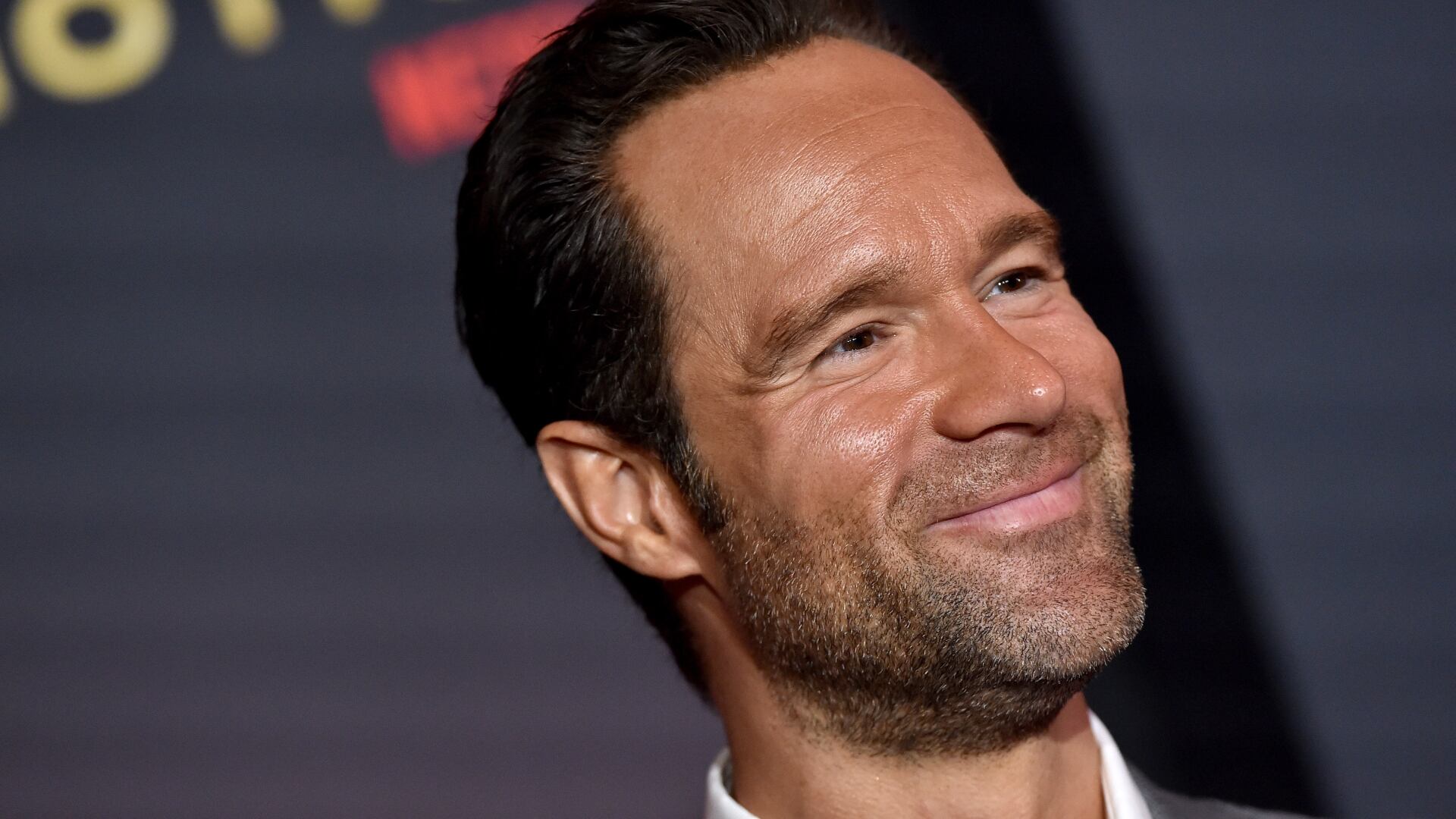
Actor Chris Diamantopolous joined Cheddar's "Between Bells" to talk about his new Netflix movie "Red Notice," starring alongside Ryan Reynolds, Dwayne Johnson, and Gal Gadot, and the massive success it has seen since its release. Diamantopoulos discussed what it was like stepping into the role of the villain, being able to play a character so different from himself in real life. He also talked about playing a heavy in another hit Netflix production, "True Story," and what it was like working with Kevin Hart and Wesley Snipes.
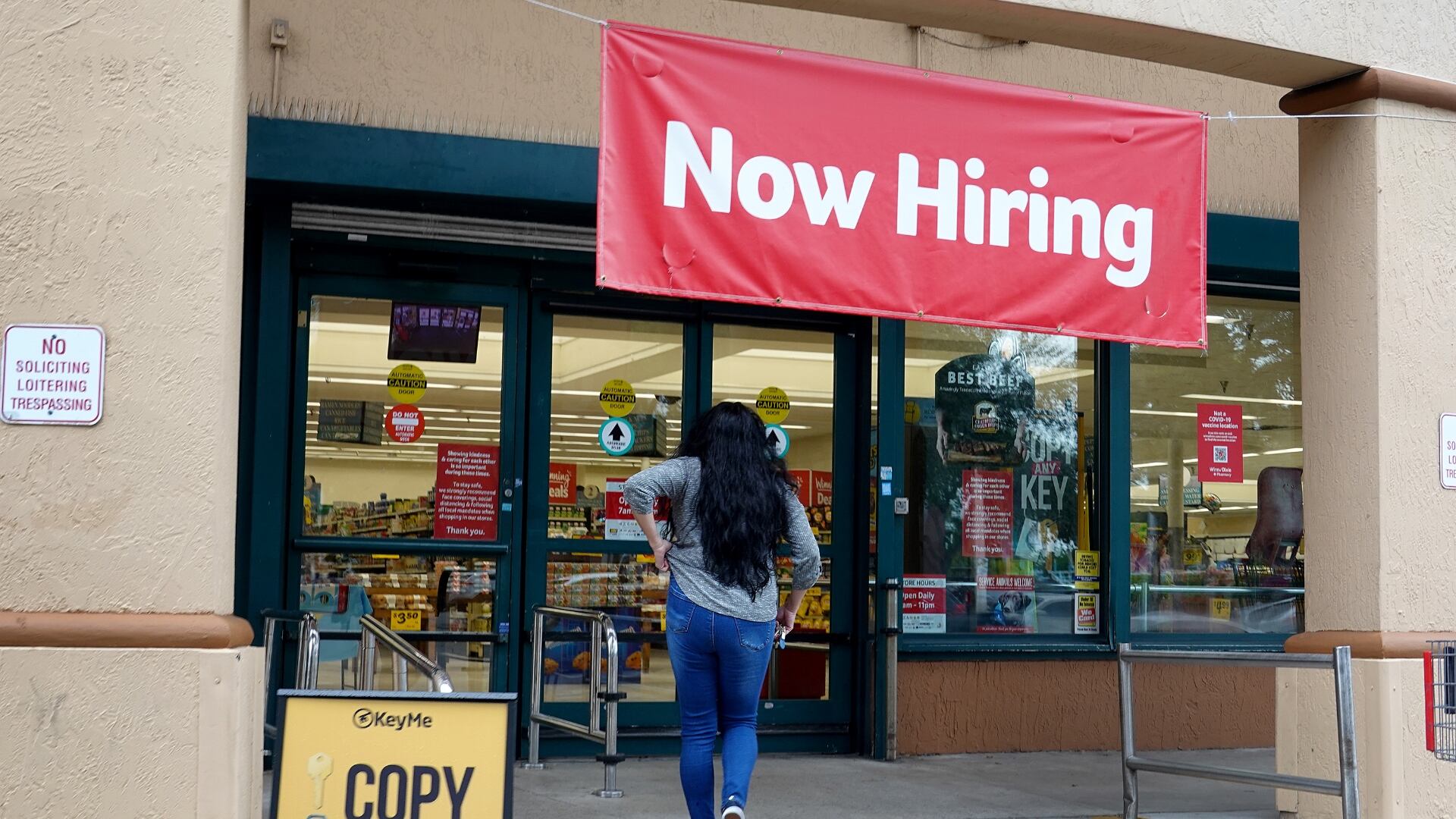
Michelle Holder, president of the Washington Center for Equitable Growth and a labor economist at John Jay College joins Cheddar News to discuss the October jobs report.
If your kid was on Santa's "nice list" this year, maybe you're willing to shell out $1,900 for Tesla's new Cyberquad. The automaker's all-electric ATV for children 8 years old and up is available to order now and is expected to begin shipping in two to four weeks.
Grab, a Southeast Asia-based ride sharing, e-wallet, and delivery service, made its public debut on the Nasdaq via SPAC merger. CFO Peter Oey joined Cheddar's Brad Smith to talk about the IPO and why it was an ideal time for the company to go public. Oey noted that while Grab operates in 465 cities in eight Southeast Asian countries, there is still more opportunity to grow and expand while balancing profitability and growth.
Voltus is going public by combining with a special purpose acquisition company, Broadscale Acquisition Corp., in a deal that values the electricity market technology startup at about $1.3 billion dollars. The company aims to deliver less expensive, more reliable, and more sustainable electricity to its more than 600 customers, including Home Depot, Coca-Cola, and Simon Property Group. Gregg Dixon, co-founder and CEO of Voltus and Andrew Shapiro, chairman and CEO of Broadscale Acquisition Corp., joined Cheddar News to discuss the deal.