U.S. health regulators pledged again Thursday to try to ban menthol cigarettes, this time under pressure from African American groups to remove the mint flavor popular among Black smokers.
The Food and Drug Administration has attempted several times to get rid of menthol but faced pushback from Big Tobacco, members of Congress and competing political interests in both the Obama and Trump administrations. Any menthol ban will take years to implement and will likely face legal challenges from tobacco companies.
Thursday’s announcement is the result of a lawsuit filed by anti-smoking and medical groups last summer to force the FDA to finally make a decision on menthol, alleging that regulators had “unreasonably delayed” responding to a 2013 petition seeking to ban the flavor.
The deadline for the agency’s response was Thursday. The FDA said it aims to propose regulations banning the flavor in the coming year.
The action would also ban menthol and fruity flavors from low-cost, small cigars, which are increasingly popular with young people, especially Black teens.
“We will save save hundreds of thousands of lives and prevent future generations from becoming addicted smokers,” said Dr. Janet Woodcock, the FDA's acting commissioner.
She cited research estimates that banning menthol would prevent 630,000 tobacco-related deaths over 40 years, more than a third of them among African Americans.
Menthol is the only cigarette flavor that was not banned under the 2009 law that gave the FDA authority over tobacco products, an exemption negotiated by industry lobbyists. The act did, though, instruct the agency to continue to weigh banning menthol.
The flavor’s persistence has infuriated anti-smoking advocates, who point to research that menthol’s numbing effect masks the harshness of smoking, likely making it easier to start and harder to quit.
The mint-flavored cigarettes are overwhelmingly used by young people and minorities, particularly Black smokers, 85% of whom smoke menthols. That compares to about a third of white smokers.
“The science is there, the data is there, so why are these products still on the market?” said Carol McGruder of the African American Tobacco Control Leadership Council.
Her group sued along with Action on Smoking and Health, the American Medical Association and the National Medical Association, which represents Black physicians.
For decades, companies focused menthol marketing and promotions on Black communities, including sponsoring music festivals and neighborhood events. Company documents released via 1990s litigation also show companies viewed menthol cigarettes as good “starter” products because they were more palatable for teenagers .
“There was a specific, intentional focus on creating the next generation of smokers by making menthol cigarettes available in those communities,” said Dr. Nia Heard-Garris, who chairs the American Academy of Pediatrics’ group on minority health and equity.
From talking animals, to celebrity endorsements, to commercials that pull at your heart strings, agencies are always looking for new ways to connect with you. So it’s no surprise that trends come and go. But what might surprise you is how quickly trends change. In fact, most changes can be pinpointed to a single moment.
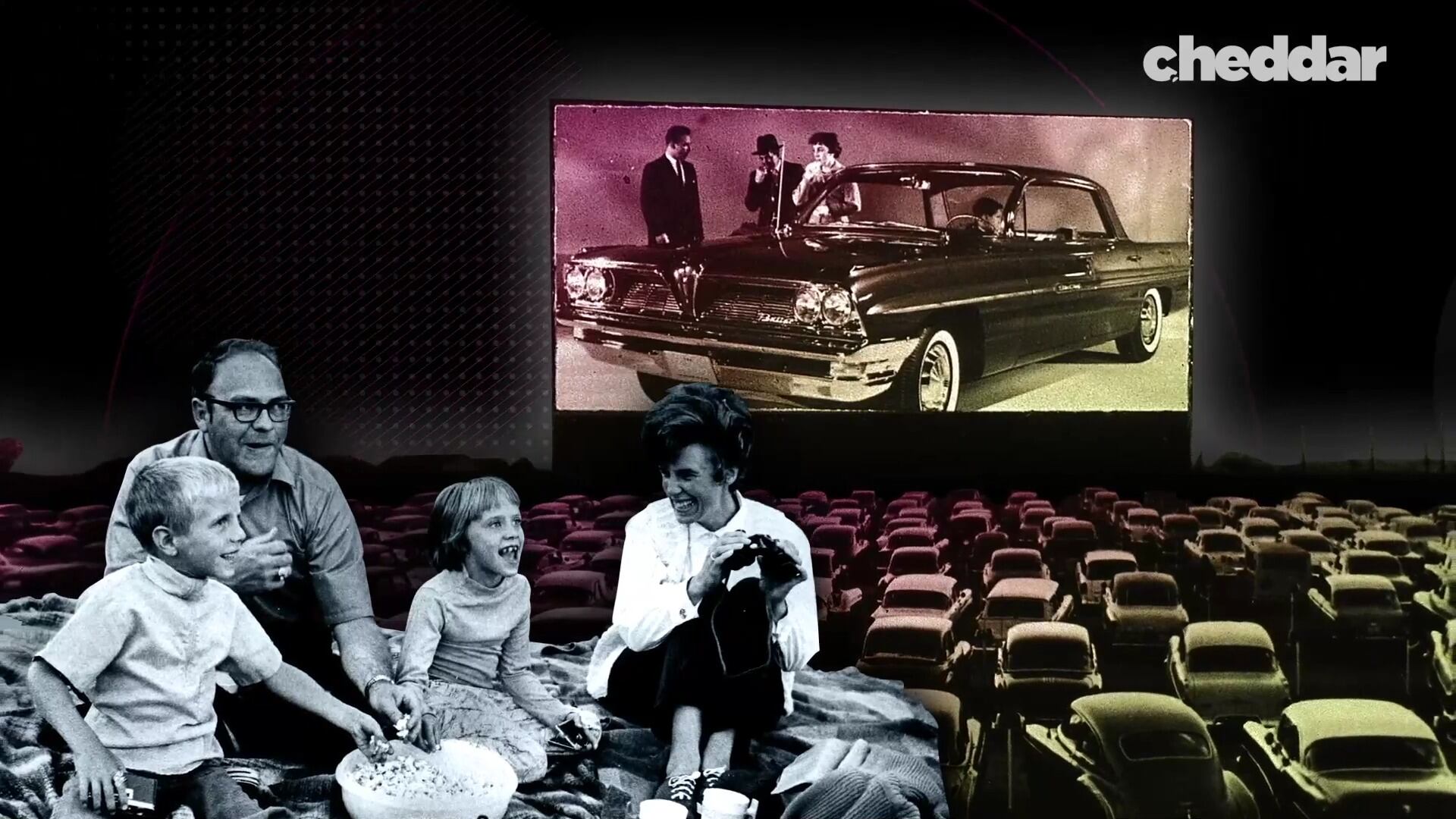
Over the decades American pastimes have come and gone. From the soda fountain, to carhop diners, to roller rinks. These former staples of American life have slowly faded into the void. And today, it looks like the time has come for a few other beloved businesses.
The streaming wars could be peaking as platforms vie for a shrinking pool of new subscribers and services like Disney+ recalibrate their outlooks as the rate of new memberships slows. Jana Arbanas, the U.S. telecom, media, and technology sector leader at Deloitte, joined Cheddar to discuss the 2022 outlook for streaming platforms, expecting more than 150 million people to cancel subscriptions adding to the global churn trend. "People are signing up for a service for a very specific piece of original, compelling content, watching that, perhaps, season of content, dropping that service, and then re-upping the service again when the next season comes out," Arbanas noted.
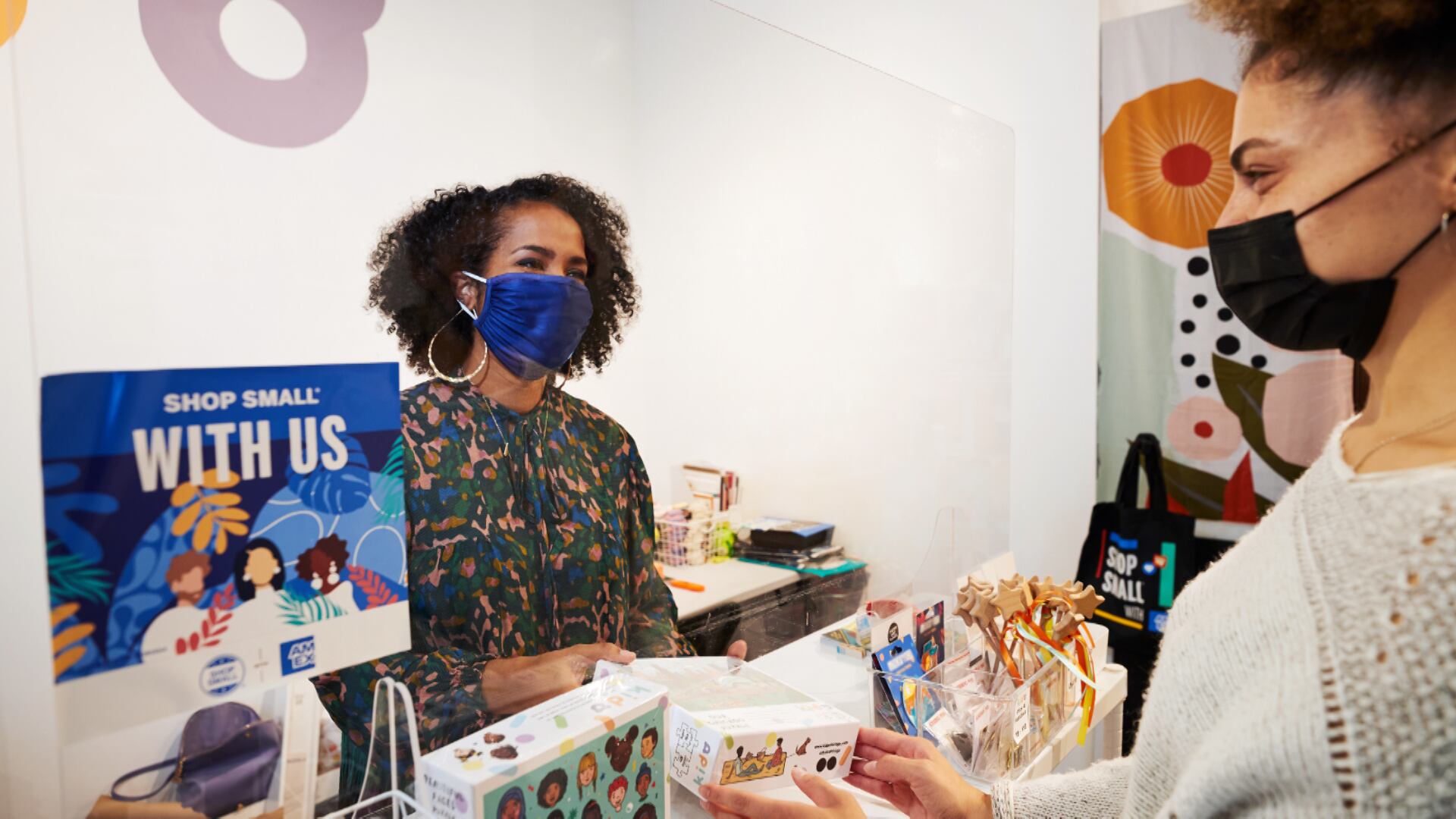
Chris Woodfolk, Corporate Citizenship Partner, LendingTree, joins Cheddar News to discuss how charitable giving is making a comeback from the pandemic and tips to donate on a budget.
TikTok isn't just for remixing the best trending sounds. The social media platform is having a positive impact on animal shelters and helping pets find forever homes, according to Katie Grissum, the communications and design coordinator for the non-profit animal shelter charity KC Pet Project. Grissum joined Cheddar to break down just how TikTok is being used to raise money and draw more eyes to animals in need of adoption.
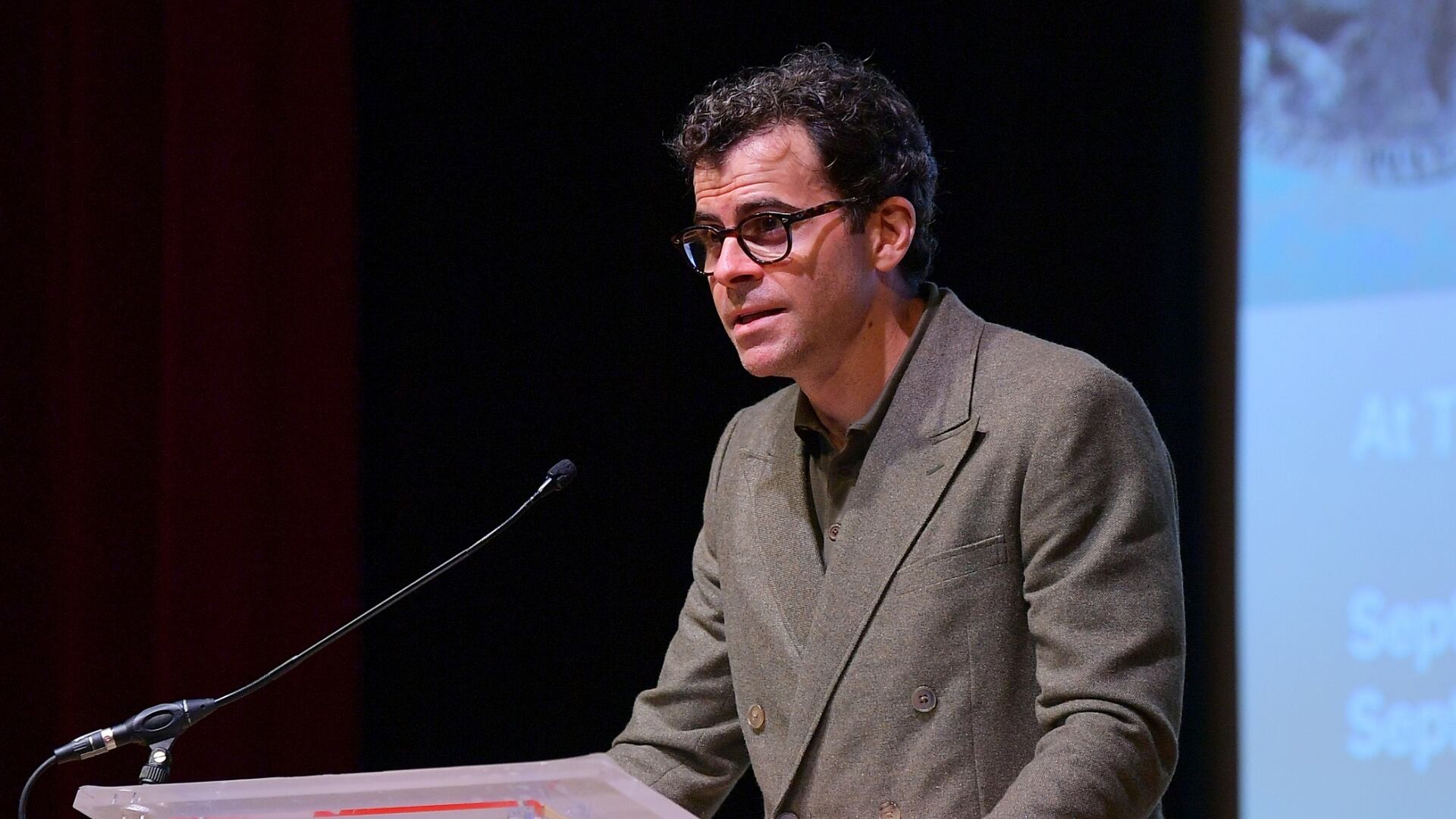
Head of Instagram Adam Mosseri is slated to testify this week in front of the Senate Commerce Subcommittee after a Wall Street Journal report that found the Meta-owned social media platform is negatively impacting the mental wellness of teen girls.
Nolan Church, CEO of Continuum, joined Cheddar's On The Job: The November Jobs Report to break down an increasing trend of U.S. workers quitting jobs at bigger companies to start their own businesses or self-employment ventures-- and discuss how it could affect the labor market going forward.
Elon Musk confirmed via Twitter that Tesla's eventual first Cybertruck will be updated to include 4 motors, 4 wheel steering, and a crab mode — like some of its competitors. Andrew Hawkins, a transportation reporter for The Verge, joined Cheddar to talk about how the new Cybertruck positions Tesla in the EV space as more automakers make up ground on the industry leader. "I think that this is actually Tesla saying, hey, if this is what the market wants, then we better put our best foot forward and respond as best as we can," he said, noting companies like Rivian and Hummer have already touted these features.