U.S. health regulators pledged again Thursday to try to ban menthol cigarettes, this time under pressure from African American groups to remove the mint flavor popular among Black smokers.
The Food and Drug Administration has attempted several times to get rid of menthol but faced pushback from Big Tobacco, members of Congress and competing political interests in both the Obama and Trump administrations. Any menthol ban will take years to implement and will likely face legal challenges from tobacco companies.
Thursday’s announcement is the result of a lawsuit filed by anti-smoking and medical groups last summer to force the FDA to finally make a decision on menthol, alleging that regulators had “unreasonably delayed” responding to a 2013 petition seeking to ban the flavor.
The deadline for the agency’s response was Thursday. The FDA said it aims to propose regulations banning the flavor in the coming year.
The action would also ban menthol and fruity flavors from low-cost, small cigars, which are increasingly popular with young people, especially Black teens.
“We will save save hundreds of thousands of lives and prevent future generations from becoming addicted smokers,” said Dr. Janet Woodcock, the FDA's acting commissioner.
She cited research estimates that banning menthol would prevent 630,000 tobacco-related deaths over 40 years, more than a third of them among African Americans.
Menthol is the only cigarette flavor that was not banned under the 2009 law that gave the FDA authority over tobacco products, an exemption negotiated by industry lobbyists. The act did, though, instruct the agency to continue to weigh banning menthol.
The flavor’s persistence has infuriated anti-smoking advocates, who point to research that menthol’s numbing effect masks the harshness of smoking, likely making it easier to start and harder to quit.
The mint-flavored cigarettes are overwhelmingly used by young people and minorities, particularly Black smokers, 85% of whom smoke menthols. That compares to about a third of white smokers.
“The science is there, the data is there, so why are these products still on the market?” said Carol McGruder of the African American Tobacco Control Leadership Council.
Her group sued along with Action on Smoking and Health, the American Medical Association and the National Medical Association, which represents Black physicians.
For decades, companies focused menthol marketing and promotions on Black communities, including sponsoring music festivals and neighborhood events. Company documents released via 1990s litigation also show companies viewed menthol cigarettes as good “starter” products because they were more palatable for teenagers .
“There was a specific, intentional focus on creating the next generation of smokers by making menthol cigarettes available in those communities,” said Dr. Nia Heard-Garris, who chairs the American Academy of Pediatrics’ group on minority health and equity.
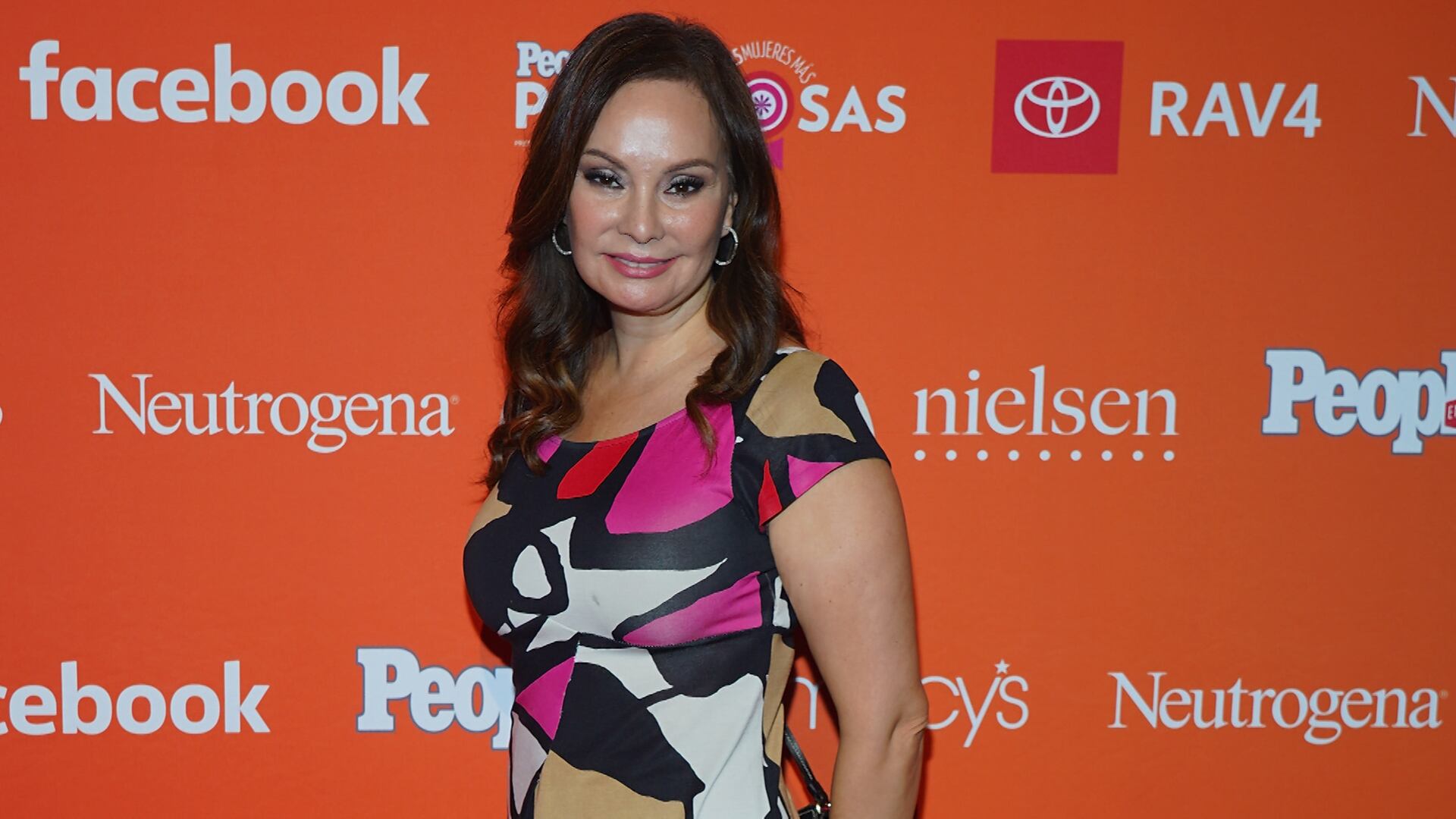
'Unicorn Hunters' gives business owners the potential of reaching a billion-dollar valuation, but before they can get the capital they have to impress the 'Circle of Money.' Rosie Rios, former U.S. Treasurer and co-host of 'Unicorn Hunters,' joins Cheddar News to talk more about the show.
Stocks closed lower Thursday, with the Nasdaq falling close to 2.5% for its worst day since September. Tech stocks dragged on the index, which is down nearly 3% for the week. Investors are continuing to respond to the Federal Reserve's taper timeline and interest rate announcement, as well as keeping an eye on the COVID-19 omicron variant as cases spike in major metropolitan areas like New York. David Sadkin, president and partner at Bel Air Investment Advisors, joins Cheddar News' Closing Bell to discuss.
There's a new ETF designed to offer investors exposure to 'meme stocks.' Roundhill Investments launched it earlier this month and says the ETF is the first that is explicitly designed to track the performance of meme stocks. Roundhill Investments Vice President of Research Mario Stefanidis joins Cheddar News' Closing Bell to discuss.
Jared Madfes, Partner at Tribe Capital, joins Cheddar's Closing Bell, where he says crypto investors should continue to focus on the long-term despite the recent price boost in the hours following Wednesday's Fed decision.
Mobile bill payment application Papaya recently raised $50 million in a series B round led by Bessemer Venture Partners.
Papaya lets users take a photo of any bill, and the app's AI-powered 'bill understanding technology' pays the bill in seconds. The company says its goal is to help people spend more time on things that matter, by making bill-paying as painless and quick as possible. Papaya CEO and co-founder Patrick Kann joined Cheddar News' Closing Bell to discuss.
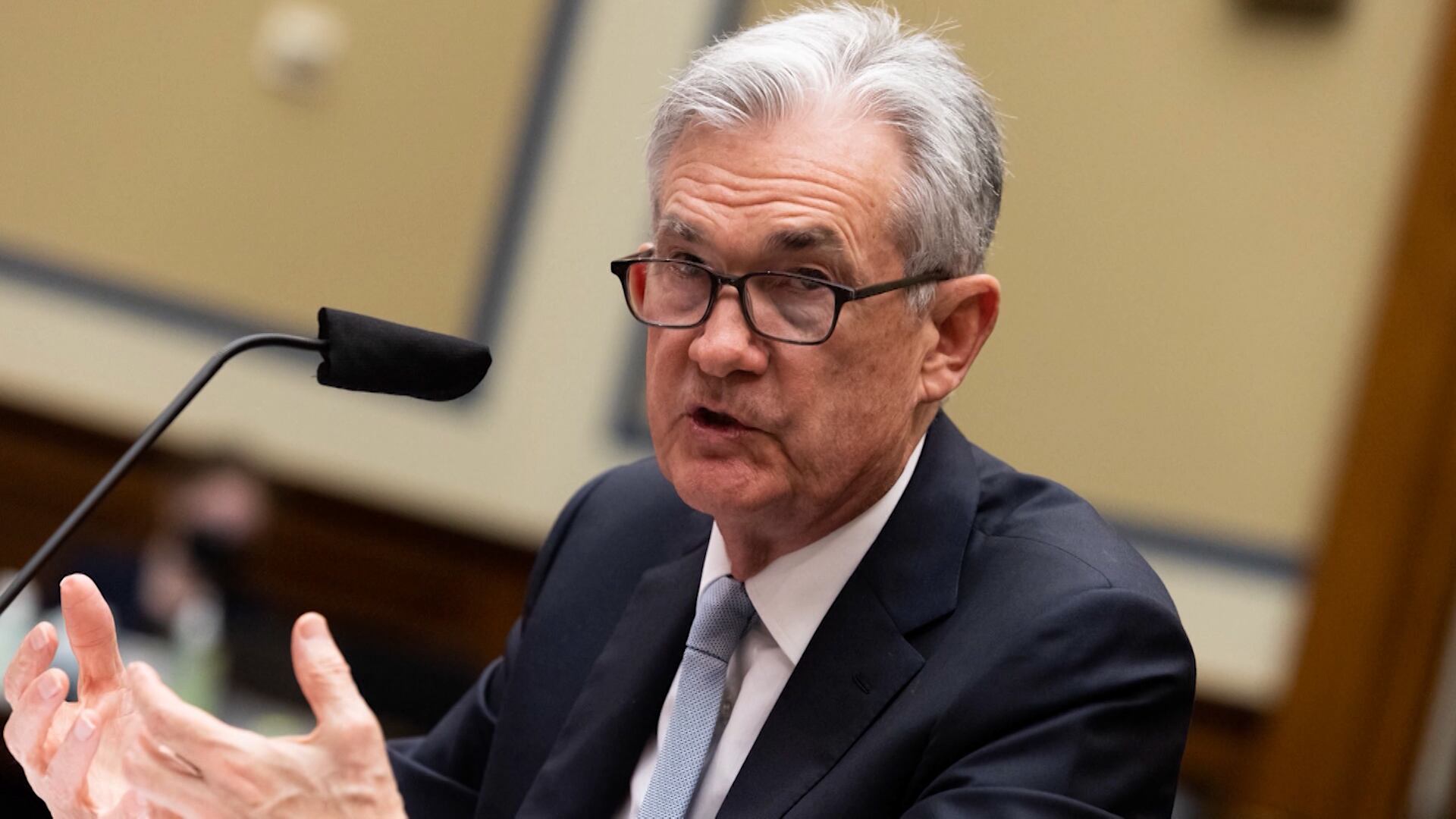
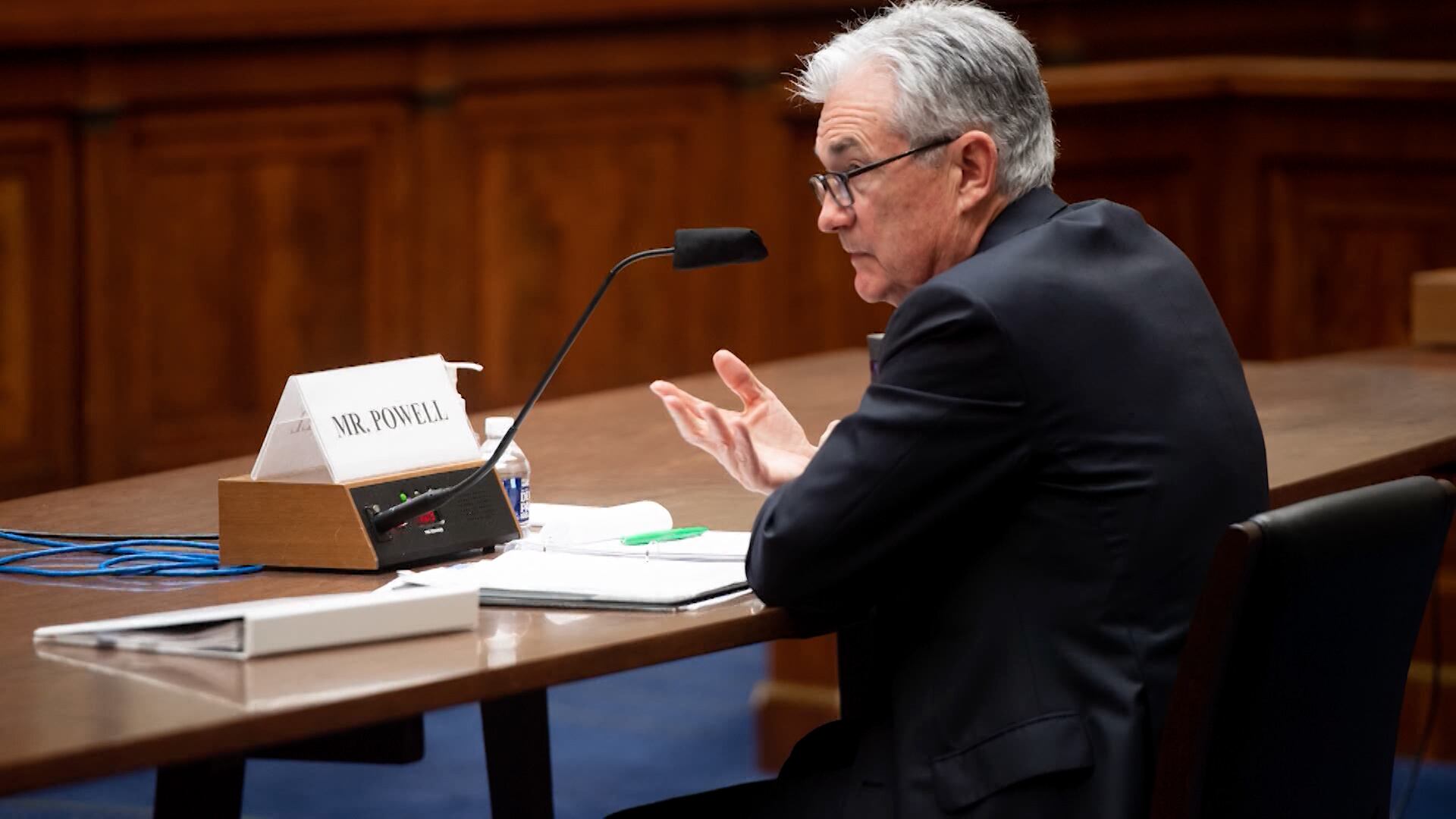
Markets jumped on the Federal Reserve's announcement it would speed up its tapering timeline and institute three rate hikes in 2022 — but that was before the COVID-19 omicron variant seemed to be a threat. This announcement also comes as it took the central bank a number of weeks to recognize that inflation does not seem to be transitory as consumers feel price pressure across the board. Bill Adams, senior economist at PNC, joins Cheddar News' Closing Bell to discuss the Fed's moves, how the ongoing pandemic could continue to impact the economy, the Fed's dual mandate, and more.
Delta Air Lines CFO Dan Janki joined Cheddar's Kristen Scholer to talk about the airline's 2022 outlook on its Capital Markets Day as the travel industry recovers from pandemic disruptions. The airline projects a return to profitability next year despite the emergence of the omicron variant during the peak holiday season. Janki said that there had been no impact on domestic travel as of yet, but the company is remaining vigilant for any change. He did note that there had been some international fallout as countries implemented travel restrictions.