U.S. health regulators pledged again Thursday to try to ban menthol cigarettes, this time under pressure from African American groups to remove the mint flavor popular among Black smokers.
The Food and Drug Administration has attempted several times to get rid of menthol but faced pushback from Big Tobacco, members of Congress and competing political interests in both the Obama and Trump administrations. Any menthol ban will take years to implement and will likely face legal challenges from tobacco companies.
Thursday’s announcement is the result of a lawsuit filed by anti-smoking and medical groups last summer to force the FDA to finally make a decision on menthol, alleging that regulators had “unreasonably delayed” responding to a 2013 petition seeking to ban the flavor.
The deadline for the agency’s response was Thursday. The FDA said it aims to propose regulations banning the flavor in the coming year.
The action would also ban menthol and fruity flavors from low-cost, small cigars, which are increasingly popular with young people, especially Black teens.
“We will save save hundreds of thousands of lives and prevent future generations from becoming addicted smokers,” said Dr. Janet Woodcock, the FDA's acting commissioner.
She cited research estimates that banning menthol would prevent 630,000 tobacco-related deaths over 40 years, more than a third of them among African Americans.
Menthol is the only cigarette flavor that was not banned under the 2009 law that gave the FDA authority over tobacco products, an exemption negotiated by industry lobbyists. The act did, though, instruct the agency to continue to weigh banning menthol.
The flavor’s persistence has infuriated anti-smoking advocates, who point to research that menthol’s numbing effect masks the harshness of smoking, likely making it easier to start and harder to quit.
The mint-flavored cigarettes are overwhelmingly used by young people and minorities, particularly Black smokers, 85% of whom smoke menthols. That compares to about a third of white smokers.
“The science is there, the data is there, so why are these products still on the market?” said Carol McGruder of the African American Tobacco Control Leadership Council.
Her group sued along with Action on Smoking and Health, the American Medical Association and the National Medical Association, which represents Black physicians.
For decades, companies focused menthol marketing and promotions on Black communities, including sponsoring music festivals and neighborhood events. Company documents released via 1990s litigation also show companies viewed menthol cigarettes as good “starter” products because they were more palatable for teenagers .
“There was a specific, intentional focus on creating the next generation of smokers by making menthol cigarettes available in those communities,” said Dr. Nia Heard-Garris, who chairs the American Academy of Pediatrics’ group on minority health and equity.
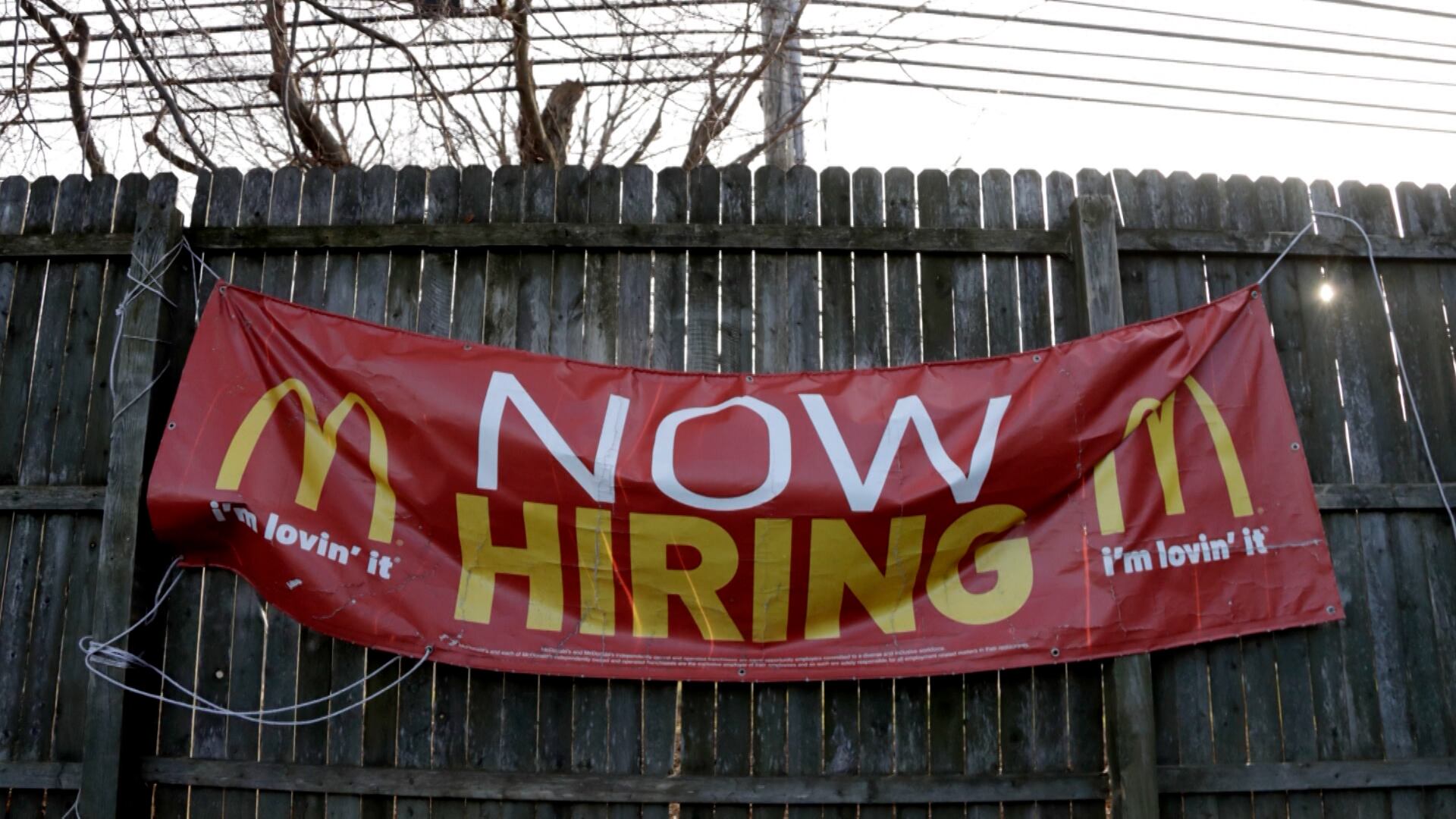
A record 4.5 million Americans quit their jobs in November as people continue to take advantage of red hot job market. The resignation rate is now the highest in the two decades the government has kept records, with many people voluntarily leaving their current jobs for other opportunities. Harley Lippman, CEO of Genesis 10, discusses how why so many people are quitting their jobs right now, and how the tech sector is being impacted.
Michelle Krebs, Executive Analyst at Cox Automotive, discusses the factors that led to Toyotas sales growth and highlights the challenges automakers have shifting to all-electric fleets.
The December jobs report was a mixed bag, with the U.S. adding just 199,000 jobs, less than half of the 422,000 forecasted. But there were some bright spots - the unemployment rate fell to a pandemic-era low of 3.9% and wages increased better than expected to 4.7% year-over-year. Heather Boushey, member of President Biden's council of economic advisers, joined Cheddar to gives her reaction to the jobs report, as well as an update on the state of the Build Back Better bill.
Amy Landers, Director of the Intellectual Property Concentration at Drexel University, breaks down what the Google-Sonos lawsuit means for consumers and addresses concerns about big corporations monopolizing patents within specific industries.
Kris Ruby, CEO of Ruby Media Group, talks about the challenges brands have retaining customers and how crypto is becoming a popular reward among brands.
While the pandemic caused financial troubles for many, the unique circumstances of the last two years proved helpful to many Americans. Whether it was the federal government's stimulus checks, expanded unemployment insurance, or general lockdowns, recent data reveals that the covid-19 pandemic helped many reach financial security. Neale Godfrey, Financial Expert and New York Times #1 Best Selling Author joined Cheddar's Opening Bell to discuss.
Take-Two Interactive is set to buy Zynga for $12.7 billion. The deal marks the latest blockbuster acquisition in the video game industry. The massive deal will bring the maker of popular mobile games like 'Farmville' and 'Words with Friends' under the scope of Take-Two, the company behind 'Grand Theft Auto' and 'NBA 2K.' Kenny Rovello, President & Co-Founder of Arkadium, joined Cheddar's Opening Bell to discuss.
GameStop is getting into the NFT and crypto space. The video game retailer announced the launch of an entire division aimed at creating a marketplace for NFTs and other crypto partnerships. The move comes as part of a turnaround plan by GameStop which has struggled in recent years as gamers shift away from physical game releases. Patrick McConlogue, CEO, Overline & Former Citadel Investment Group Engineer joined Cheddar's Opening Bell.
Philip Levine, Former Mayor of Miami Beach & Cruise Industry Expert, breaks down the challenges cruise operators are facing as COVID-19 cases rise, and provides insight on what the future of the industry may look like.
Jill Klindt, CFO of Workiva, talks about the challenges corporations have implementing ESG initiatives and how CFO's can build a trusted sustainable future.