U.S. health regulators pledged again Thursday to try to ban menthol cigarettes, this time under pressure from African American groups to remove the mint flavor popular among Black smokers.
The Food and Drug Administration has attempted several times to get rid of menthol but faced pushback from Big Tobacco, members of Congress and competing political interests in both the Obama and Trump administrations. Any menthol ban will take years to implement and will likely face legal challenges from tobacco companies.
Thursday’s announcement is the result of a lawsuit filed by anti-smoking and medical groups last summer to force the FDA to finally make a decision on menthol, alleging that regulators had “unreasonably delayed” responding to a 2013 petition seeking to ban the flavor.
The deadline for the agency’s response was Thursday. The FDA said it aims to propose regulations banning the flavor in the coming year.
The action would also ban menthol and fruity flavors from low-cost, small cigars, which are increasingly popular with young people, especially Black teens.
“We will save save hundreds of thousands of lives and prevent future generations from becoming addicted smokers,” said Dr. Janet Woodcock, the FDA's acting commissioner.
She cited research estimates that banning menthol would prevent 630,000 tobacco-related deaths over 40 years, more than a third of them among African Americans.
Menthol is the only cigarette flavor that was not banned under the 2009 law that gave the FDA authority over tobacco products, an exemption negotiated by industry lobbyists. The act did, though, instruct the agency to continue to weigh banning menthol.
The flavor’s persistence has infuriated anti-smoking advocates, who point to research that menthol’s numbing effect masks the harshness of smoking, likely making it easier to start and harder to quit.
The mint-flavored cigarettes are overwhelmingly used by young people and minorities, particularly Black smokers, 85% of whom smoke menthols. That compares to about a third of white smokers.
“The science is there, the data is there, so why are these products still on the market?” said Carol McGruder of the African American Tobacco Control Leadership Council.
Her group sued along with Action on Smoking and Health, the American Medical Association and the National Medical Association, which represents Black physicians.
For decades, companies focused menthol marketing and promotions on Black communities, including sponsoring music festivals and neighborhood events. Company documents released via 1990s litigation also show companies viewed menthol cigarettes as good “starter” products because they were more palatable for teenagers .
“There was a specific, intentional focus on creating the next generation of smokers by making menthol cigarettes available in those communities,” said Dr. Nia Heard-Garris, who chairs the American Academy of Pediatrics’ group on minority health and equity.
Stocks closed lower Tuesday, but off session lows amid continued volatility as investors await this week's Federal Reserve meeting, where the central bank is expected to introduce tighter monetary policy. Microsoft also reported second quarter fiscal 2022 earnings after the bell. The tech giant beat on both top and bottom lines, but shares fell after hours. David Stryzewski, CEO of the Sound Planning Group, joins Cheddar News' Closing Bell to discuss today's close, predictions for this week's Fed meeting, Microsoft's earnings report, and more.
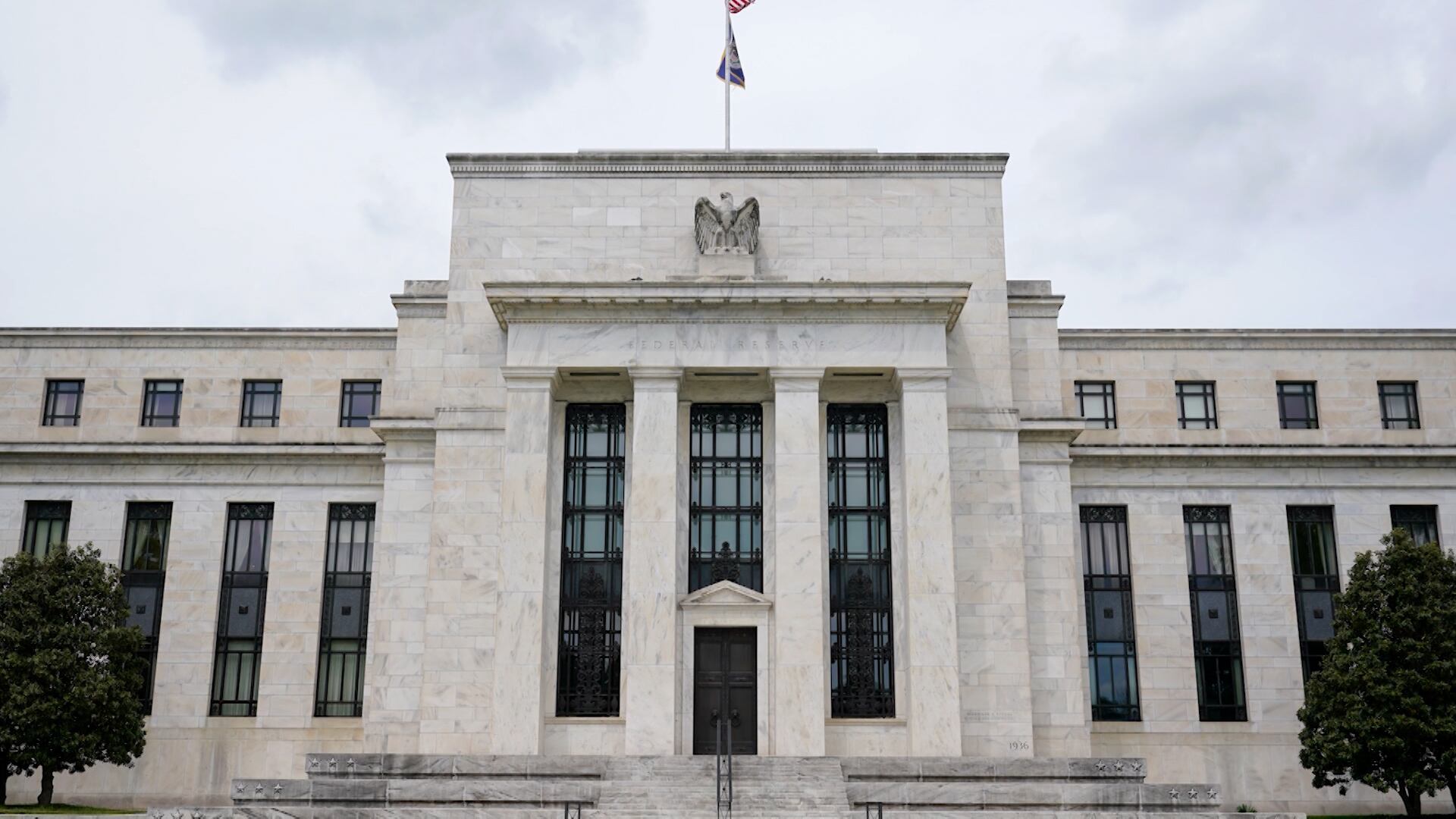
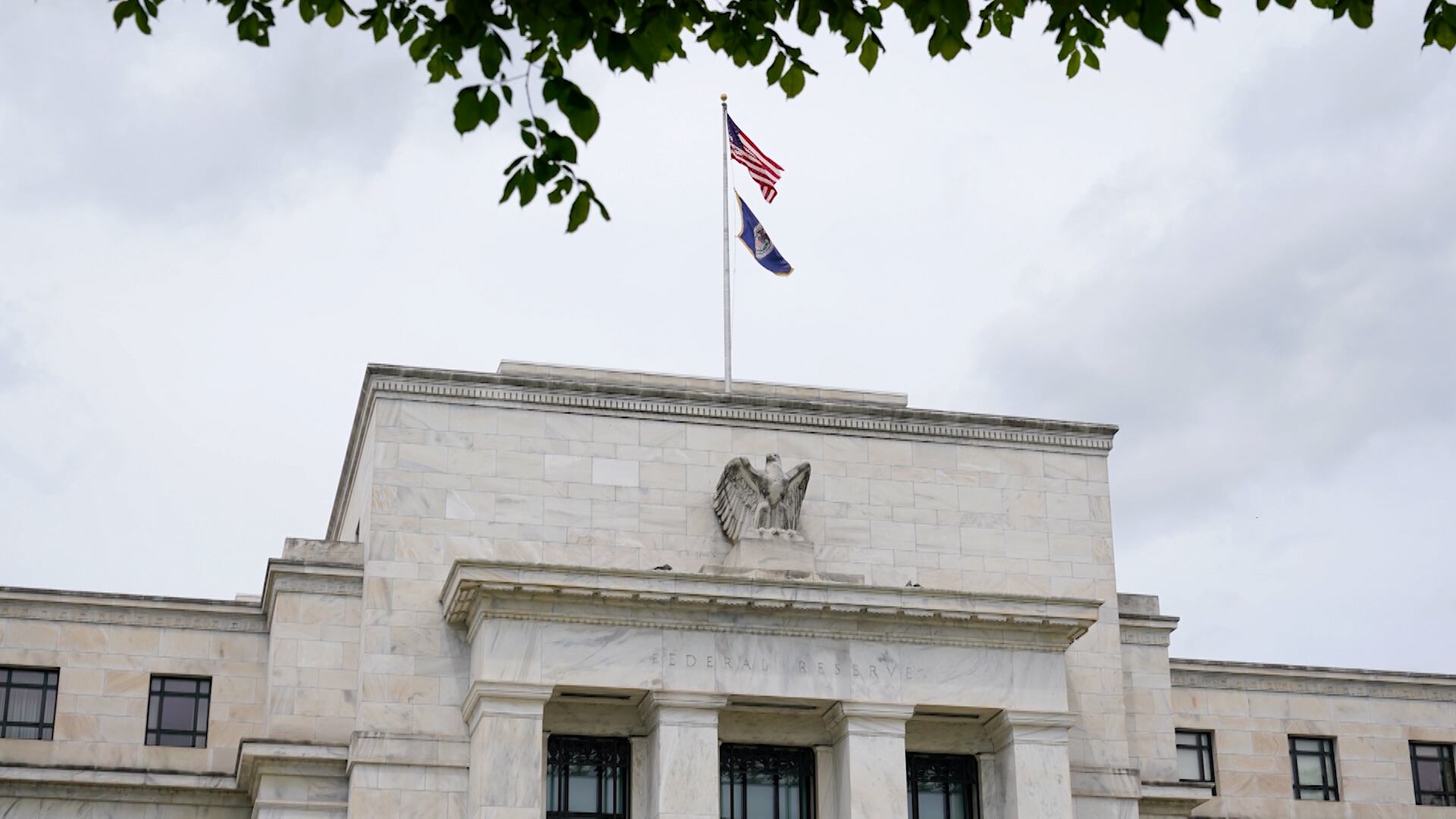
Thomas Hoenig, Former CEO of Federal Reserve Bank of Kansas City and currently Distinguished Senior Fellow with the Mercatus Center, joined Cheddar News' Closing Bell, where he says the Fed's decision was no surprise, but believes the Fed is behind the curve on raising rates.
Business communication platform Slack, recently released its fifth wave of results from its global workplace survey from its Future Forum consortium, showing that the workforce has already moved to a split between working from home and going to the office. “We are now officially in the hybrid era of work,” Slack Future Forum VP Sheela Subramanian said when discussing the findings. "Hybrid is a work model where people can come into the office as well as work remotely, and what we're seeing is that the majority of knowledge workers are now in this arrangement — and that number is set to grow."
Legal cannabis businesses are having a hard time surviving in California with the high cost of doing business and a still-thriving illicit market. In response, nonprofit Supernova Women, founded by women of color, is advocating on behalf of Black and brown shareholders in the cannabis industry. Amber Senter, co-founder, executive director, and chairman of the organization, spoke with Cheddar News about calling for changes in the Golden State's taxation system for legal marijuana. "We're really leaning on the legislators now to support the industry and make sure that this industry, in particular craft cannabis, can survive," said Senter.
After being among the hardest-hit industries by the pandemic, restaurants are still having a hard time staying afloat, with owners claiming that business is worse now due to closures from staff shortages and customer decline than it was three months ago. Mike Whatley, vice president of state affairs and grassroots advocacy for the National Restaurant Association, spoke to Cheddar News about how the sector is reaching out to lawmakers for help. "Working with Senators Wicker, Sinema, and a whole host of bipartisan leaders, we're trying to get the Restaurant Revitalization Fund replenished," Whatley said.
Alex Soojung-Kim Pang, founder of Strategy + Rest,
joins Cheddar News to discuss UK's pilot four-day workweek and its impact on workers' mental health.
Ed Gaussen, co-founder and CEO of Mantra Health, and Matt Kennedy, co-founder and COO of Mantra Health, joined Cheddar News to discuss the digital mental health startup's latest funding round and plans for the future.
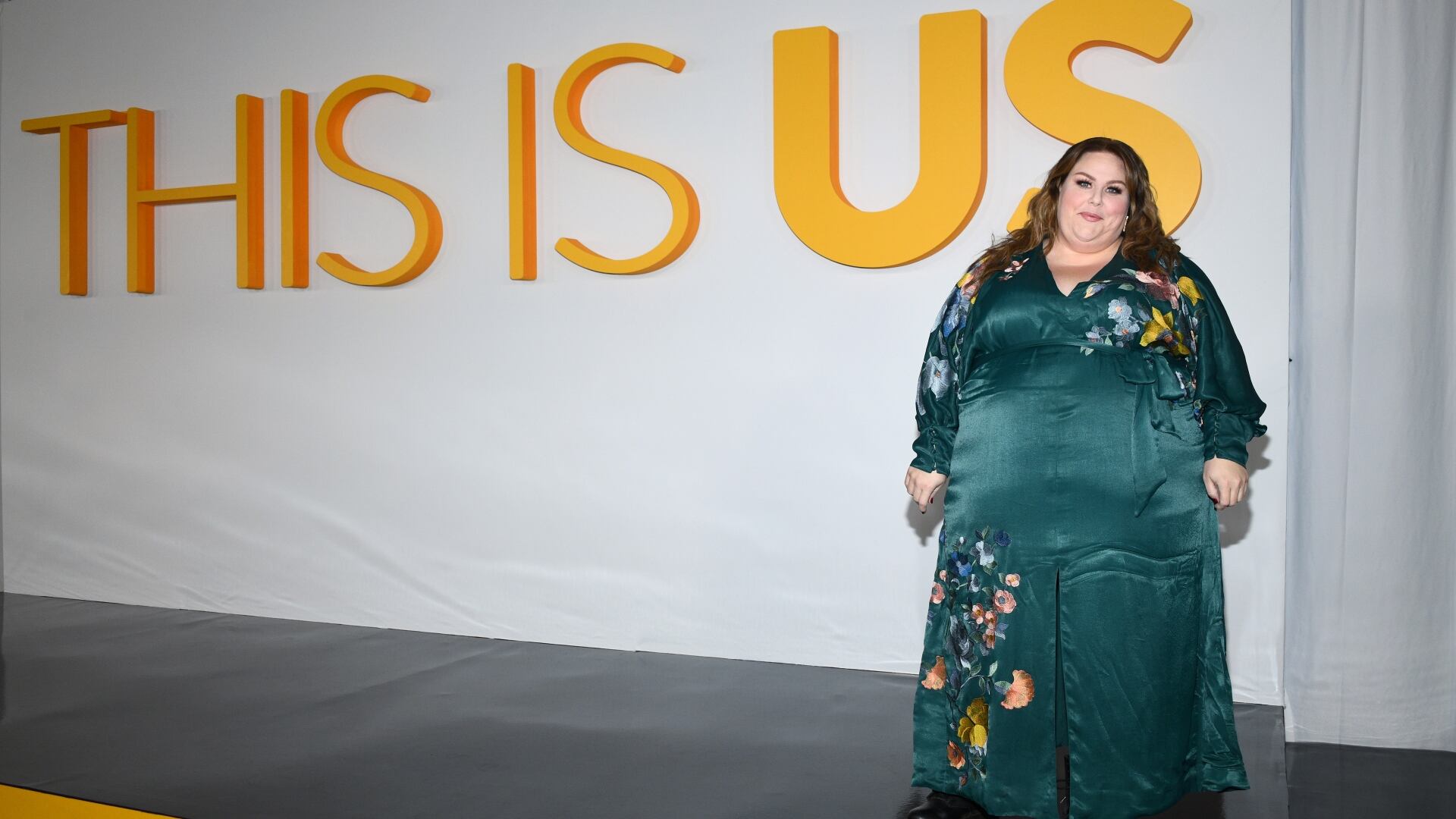
Actor and singer Chrissy Metz, who stars as Kate Pearson in "This Is Us," is partnering with Capital One Auto Navigator to share her story of purchasing her first car to help make car buying easier for others. "For me, I know a car was so important because of course it took me to the auditions to get me to the place I have today," she said. "But it also means empowerment and freedom and accessibility, and I think everybody is deserving and in need of that." Metz also discussed the final season of her hit show, noting that expectations for the finale "will probably be exceeded."