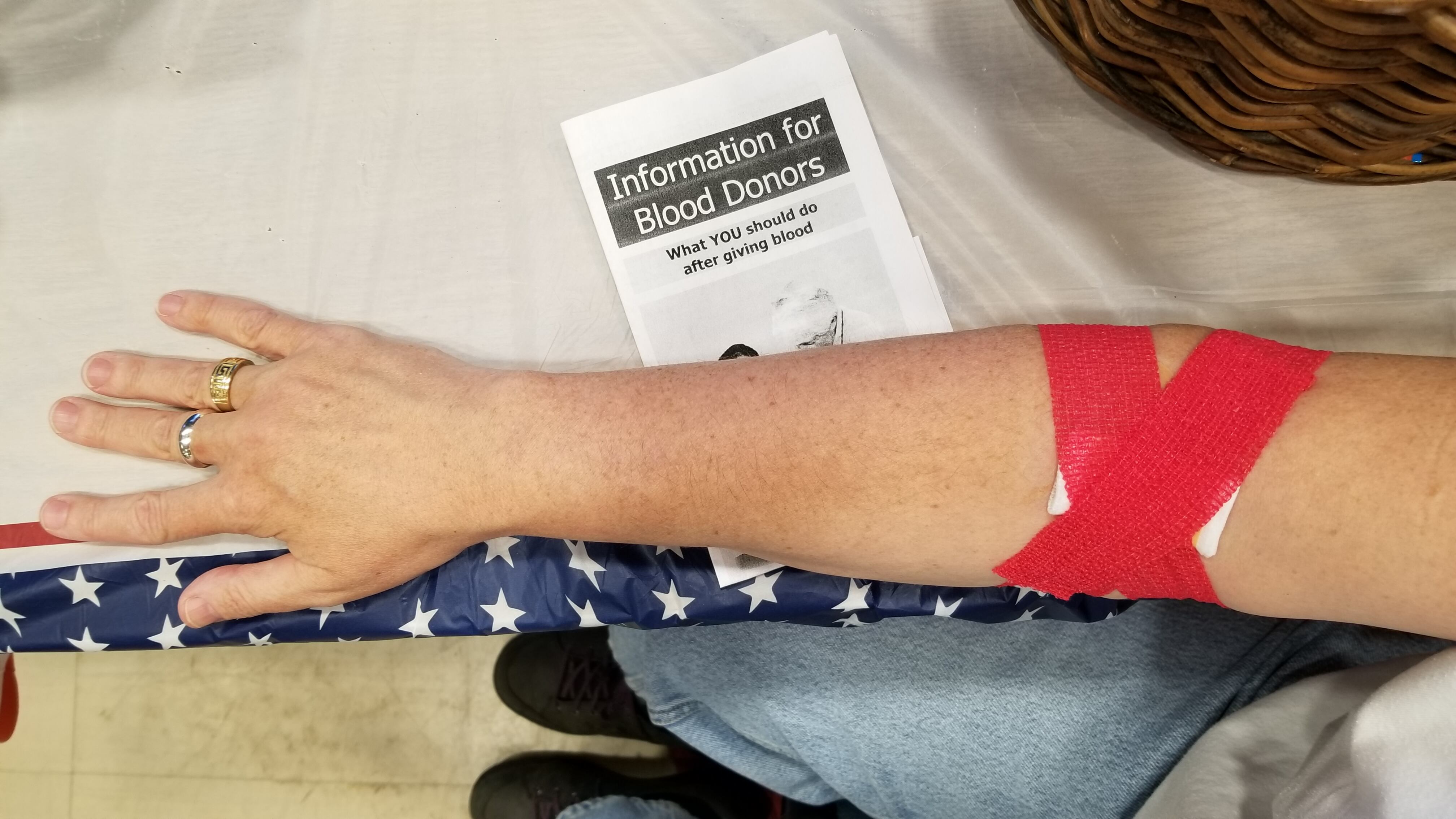
The U.S. Food and Drug Administration has released new guidelines for blood donors to bolster the supply of urgently needed blood and blood components. The country’s blood supply has fallen dramatically as workplaces and schools cancel blood drives in the wake of COVID-19 shutdowns across the country.
To meet this need, the agency is recommending new eligibility rules to welcome groups formerly banned from donating blood. Most notable perhaps is a partial lifting of the controversial ban on men who have had sexual relations with another man within the last 12 months. The deferral period has been decreased to three months.
This also applies to women who have slept with a man who has slept with another man within the past three months.
The deferral period has also dropped from 12 to three months for people who have gotten a tattoo or piercing, or have visited malaria-endemic areas.
“Based on recently completed studies and epidemiologic data, the FDA has concluded that current policies regarding certain donor eligibility criteria can be modified without compromising the safety of the blood supply,” said Peter Marks, director of the FDA’s Center for Biologics Evaluation and Research, in a statement.
The agency is recommending that these guidelines continue beyond the coronavirus pandemic.
“The updated recommendations in these guidances are based on data and analysis that the FDA believes are applicable to circumstances outside of (and after) the COVID-19 pandemic and reflect the agency’s current thinking on this issue,” Marks said. “These recommendations are expected to remain in place after the COVID-19 pandemic ends, with any appropriate changes based on comments we receive and our experience implementing the guidances.”
Low-code app development platform Crowdbotics raised $22 million in a Series A funding round led by Jackson Square Ventures. Crowdbotics has helped more than 14,000 customers launch apps without having to learn how to code. The company can offer a team of expert developers to help companies launch custom apps, or provide the means for companies to develop apps themselves. Crowdbotics CEO Anand Kulkarni joined Cheddar News' Closing Bell to discuss.
Dr. Celeste González de Bustamante, professor and director of the Center for Border and Global Journalism at the Univerity of Arizona, and Dr. Jeannine E. Relly, professor and director of Global Initiatives at the Center for Border and Global Journalism at the University of Arizona, join Cheddar News to discuss the recent journalist killings in Mexico.
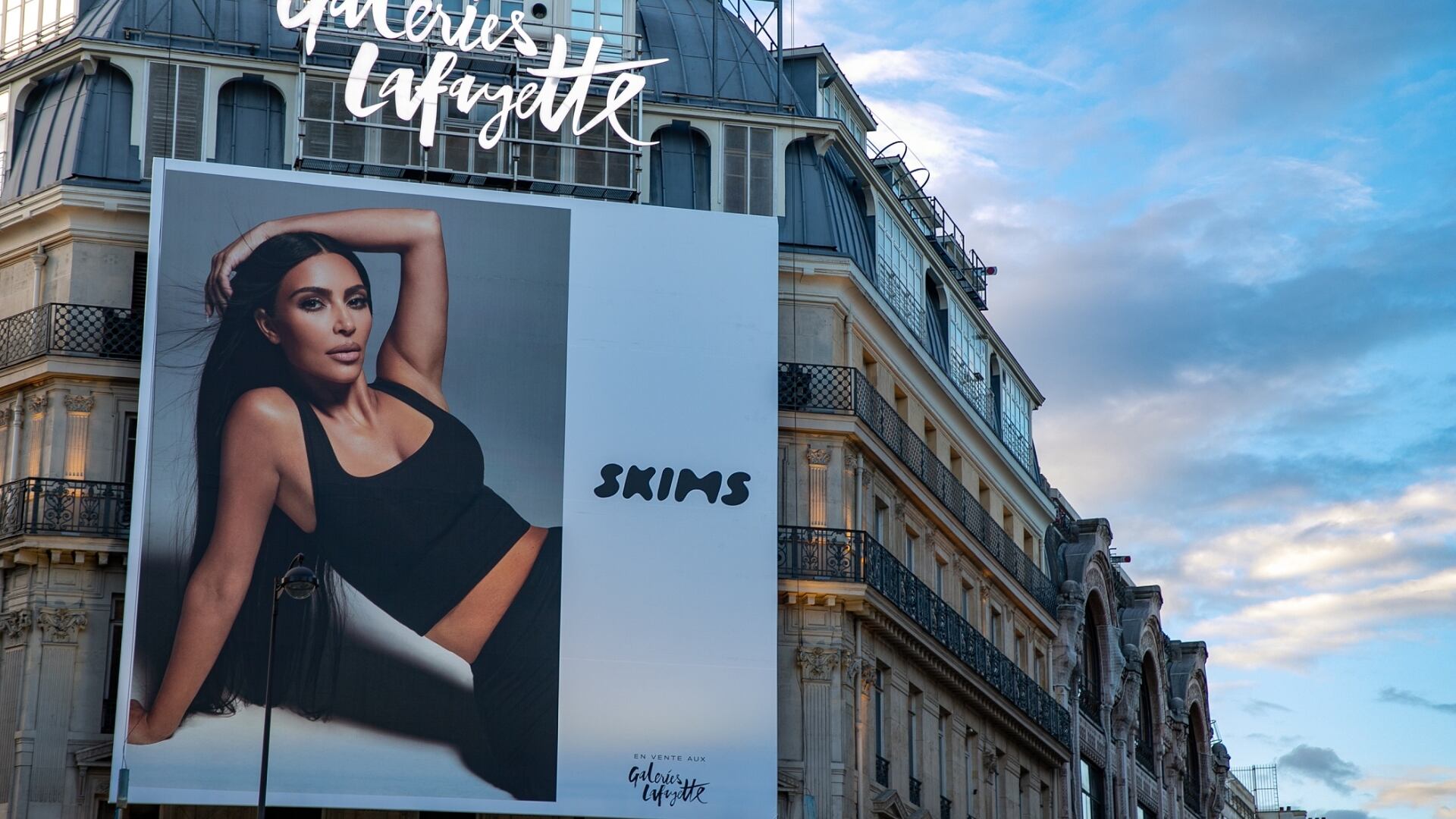
Kim Kardashian’s shapewear brand Skims has doubled its valuation to $3.2 billion. Investors have taken a bet on the success of this brand in the form of fresh funds for the two-year-old company.
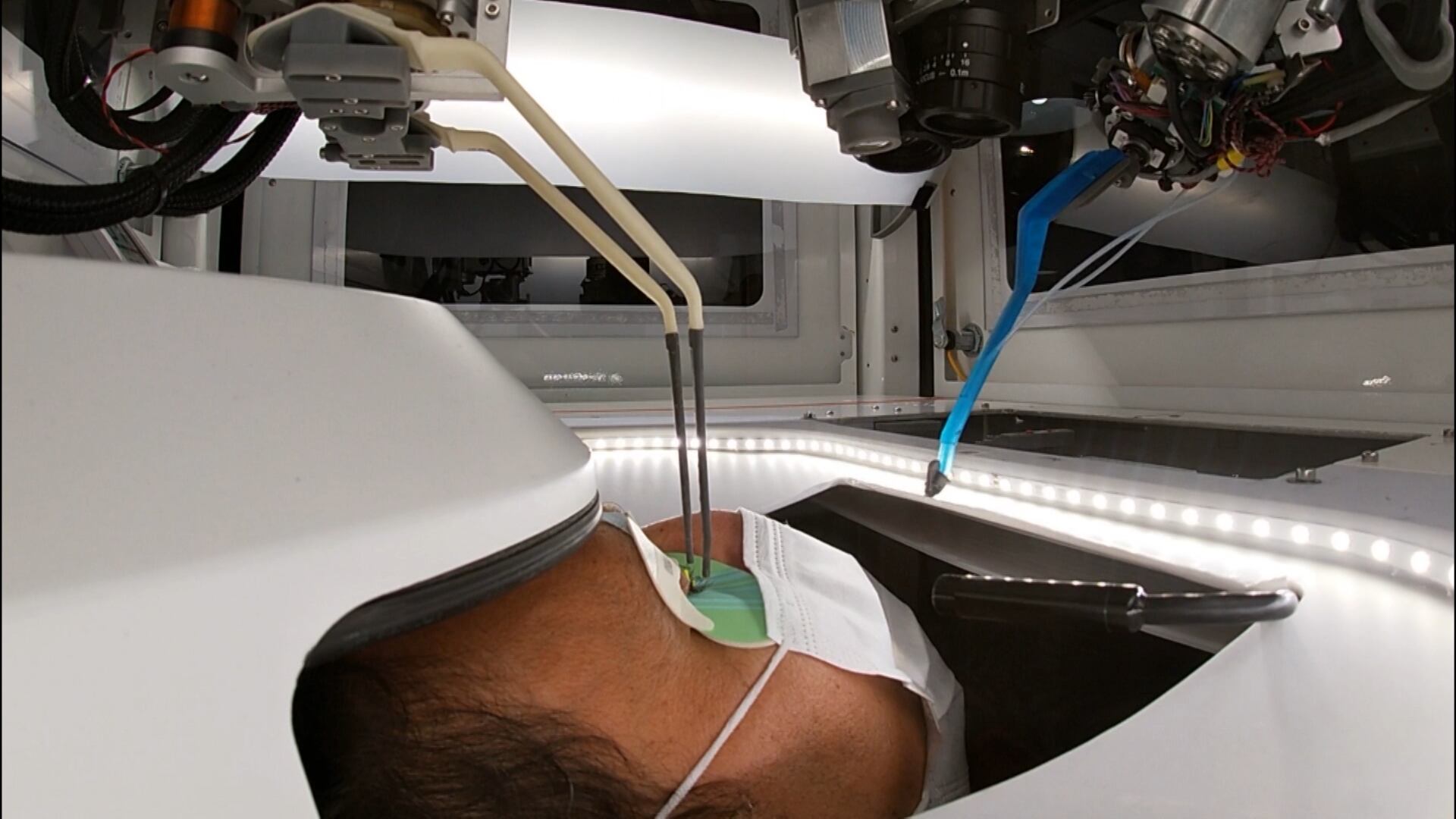
Nathan Harding, CEO of Luum, joins Cheddar Innovates to discuss the process of having a robot put on eyelash extensions, and how automation is making its way into the beauty industry
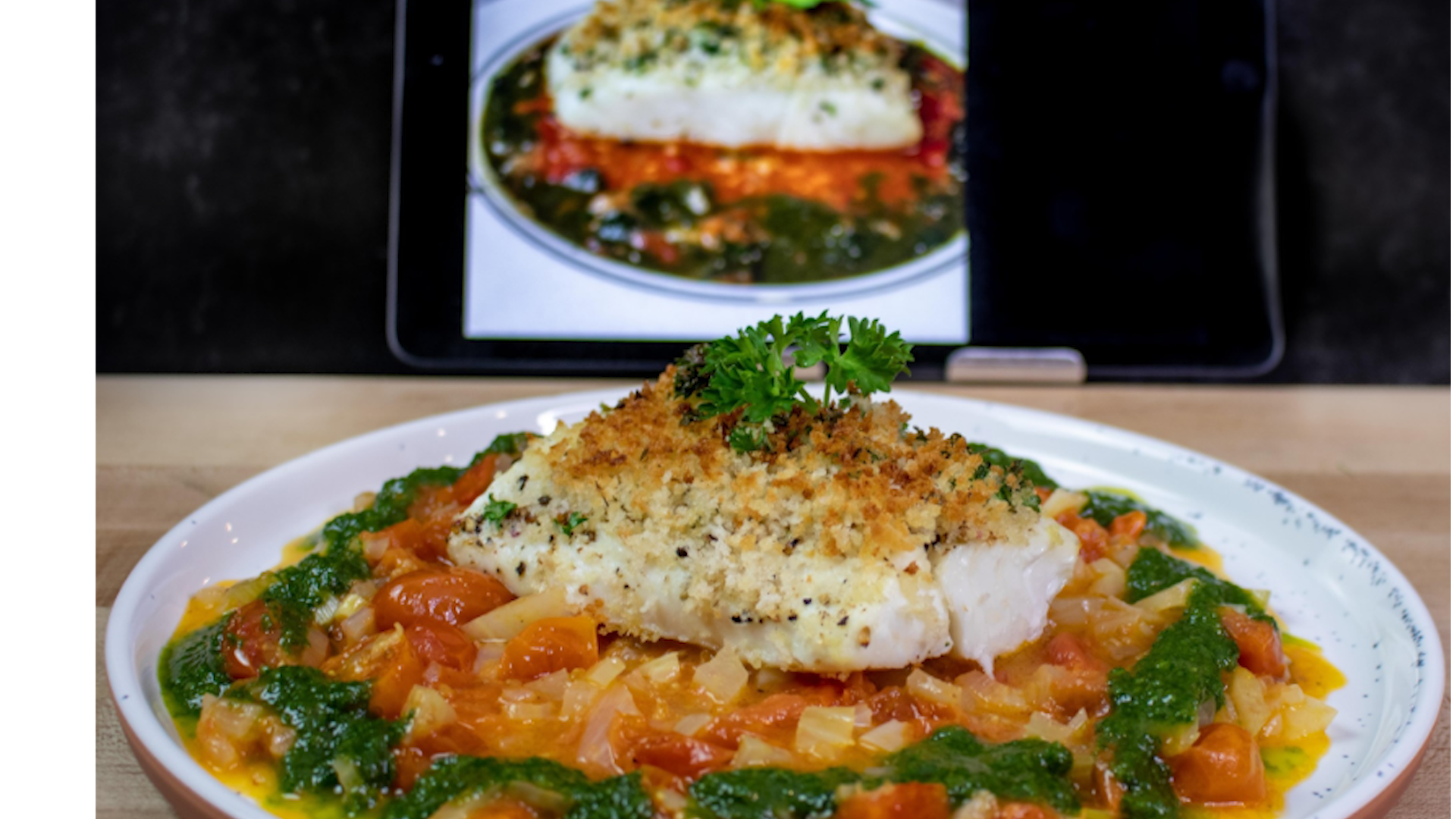
Kevin Yu, Founder and CEO of Sidechef, joins Cheddar Innovates to discuss how it's building a platform to make recipe shopping easy, and how its features help you discover new recipes with the same ingredients to fight the massive problem of food waste.
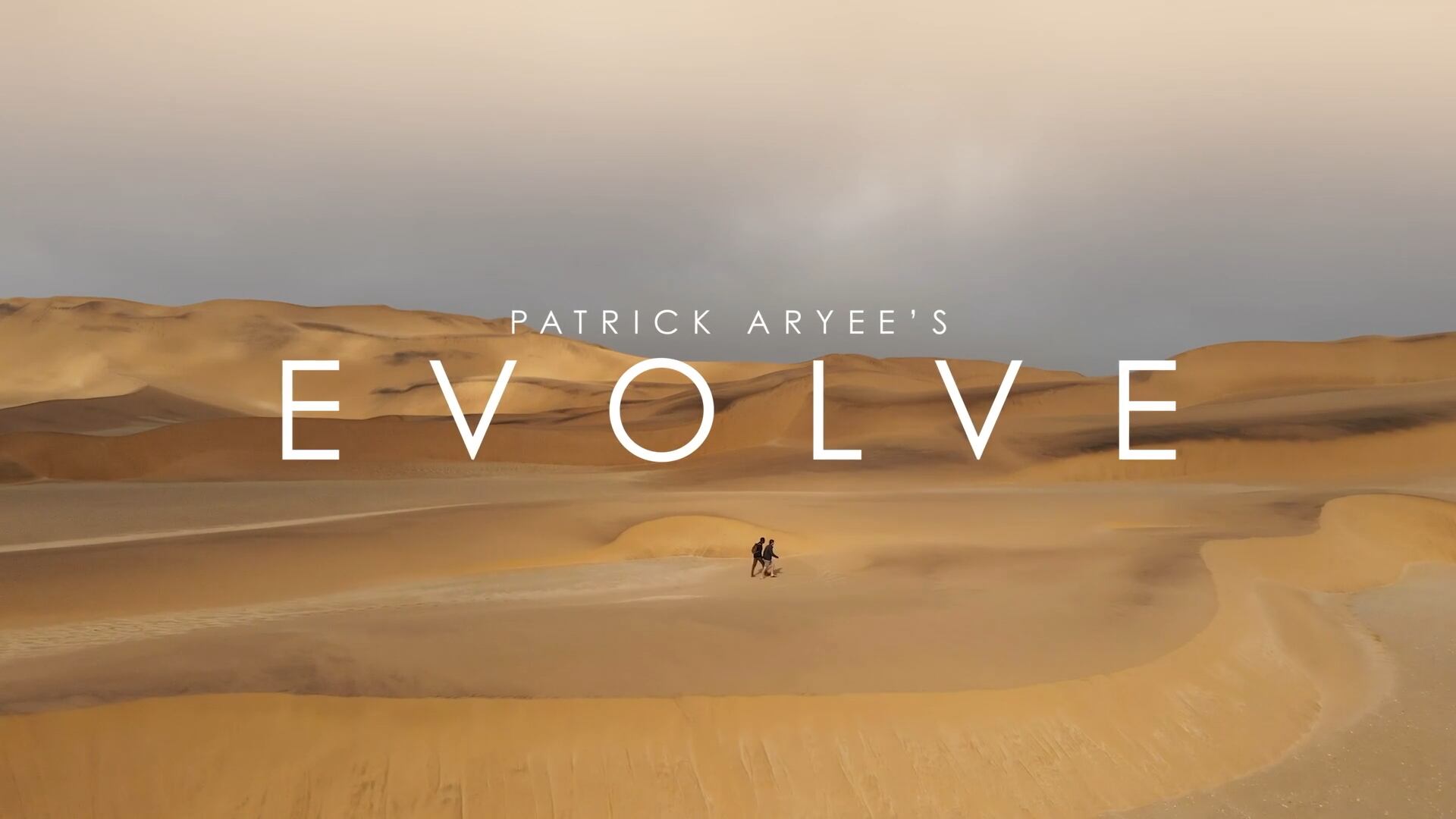
On this episode of Cheddar Innovates: Sidechef CEO breaks down how it's building a platform to make recipe shopping easy; Luum CEO explains the process of having a robot put on eyelash extensions; A look at Curiosity Stream's new original series, 'Evolve.'
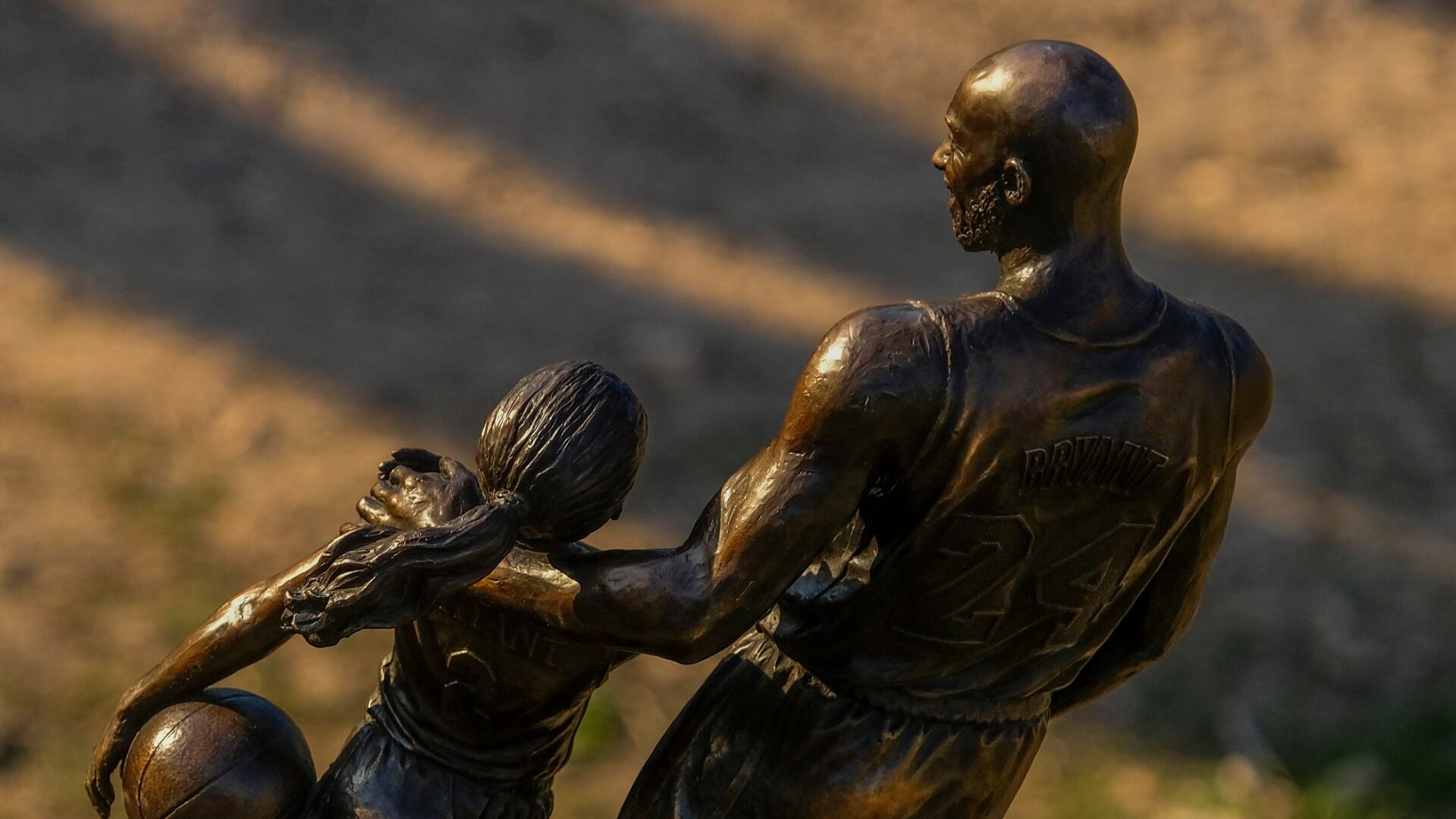
Wednesday marked two years since the basketball legend Kobe Bryant, his daughter Gianna, and seven others died in a tragic helicopter crash. In remembrance, a bronze statue has been temporarily placed at the site with all of the passenger's names included on the memorial.
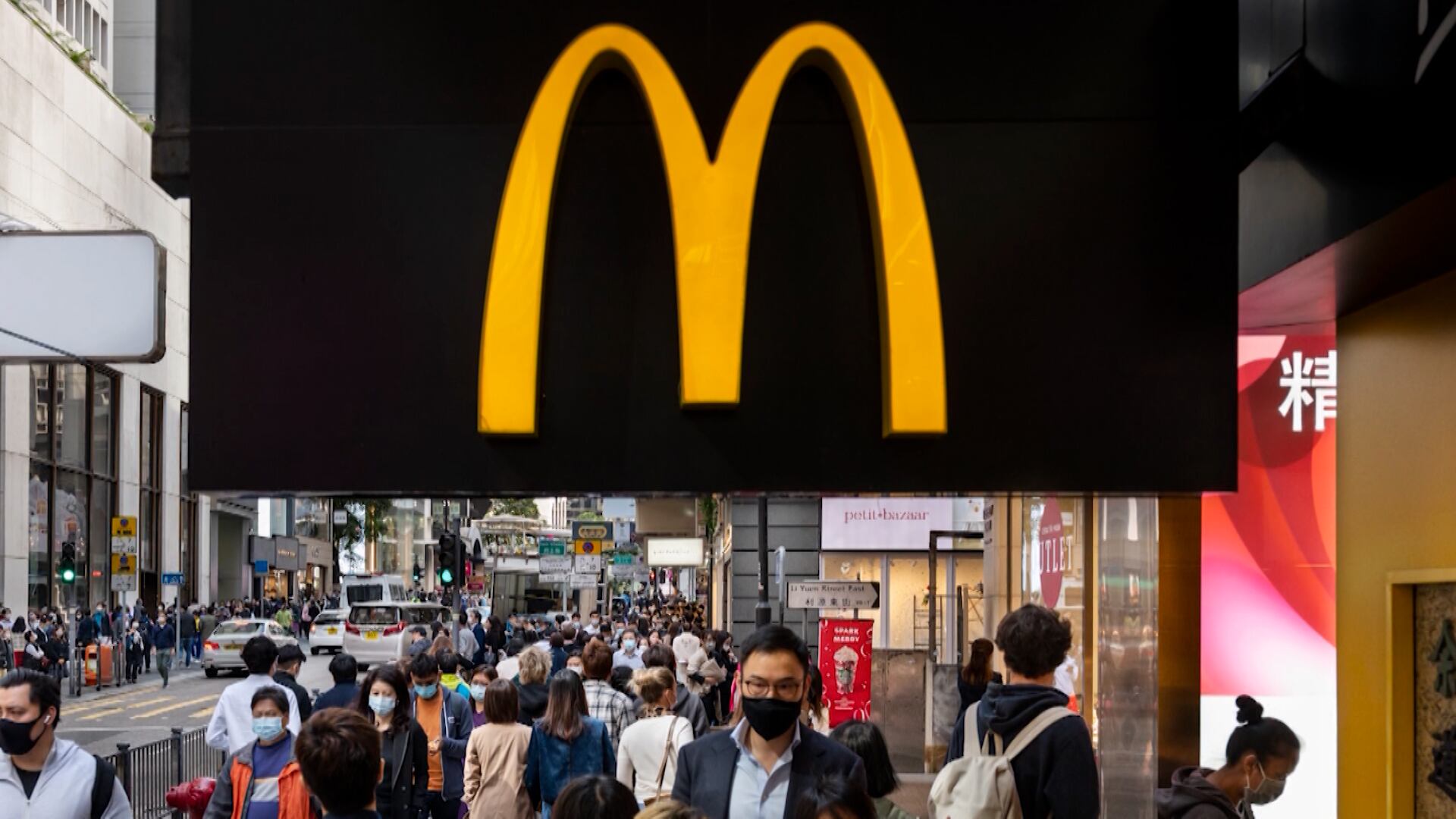
McDonald's missed on both the top and bottom lines in its Q4 earnings, marking the fourth loss for the fast-food giant in the past eight quarters. It comes as higher costs from food to wages ate into the blue-chip company's profits. George Seay, CEO of investment advisor Annandale Capital, joined Wake Up with Cheddar to discuss the recent numbers and the better-than-expected success of the McPlant burger made with plant-based Beyond Meat. "They're changing with the times, and they have to," Seay noted. "You can just sell a Big Mac to everybody. There's a lot of people who don't want to eat a Big Mac anymore."