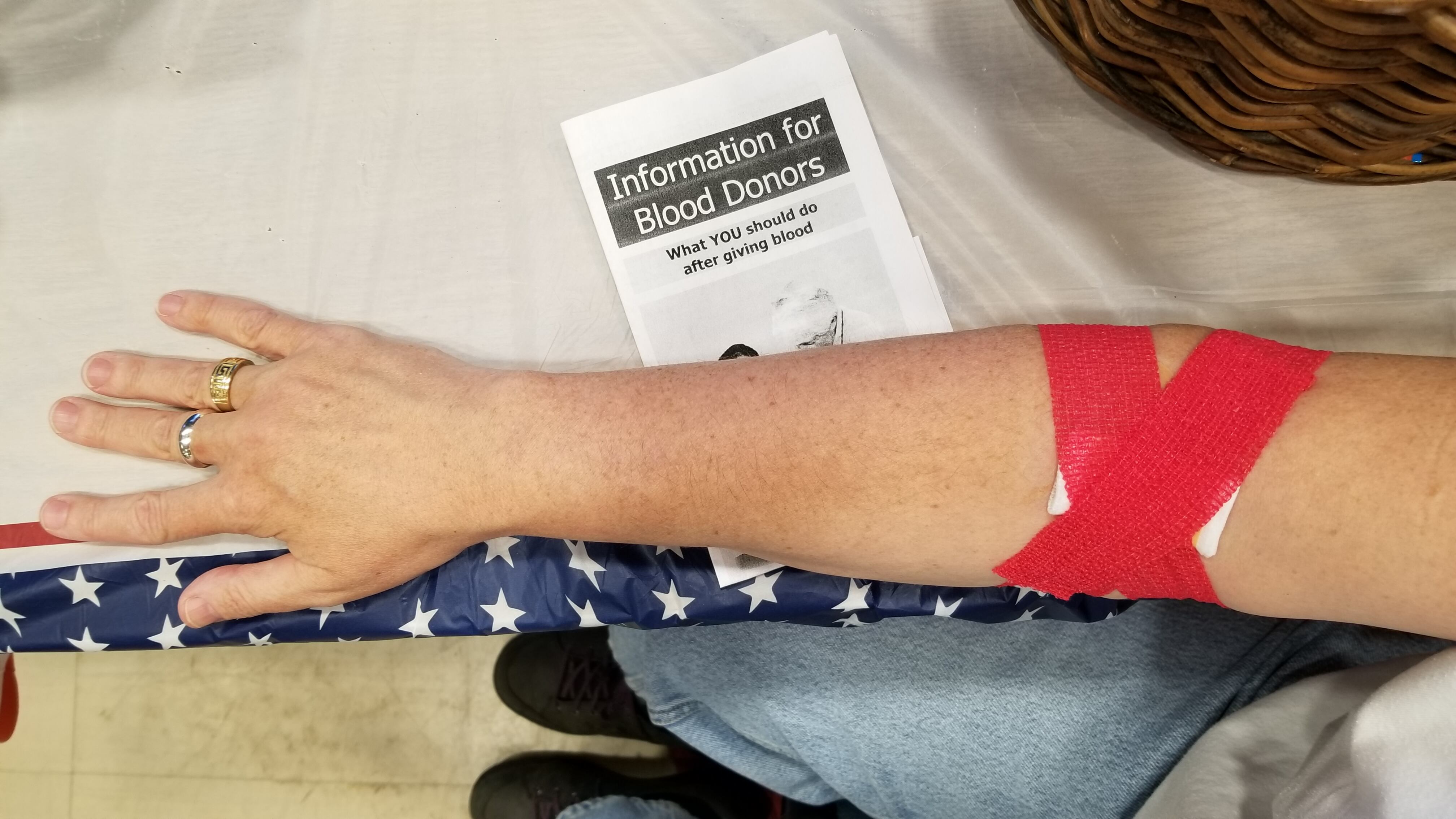
The U.S. Food and Drug Administration has released new guidelines for blood donors to bolster the supply of urgently needed blood and blood components. The country’s blood supply has fallen dramatically as workplaces and schools cancel blood drives in the wake of COVID-19 shutdowns across the country.
To meet this need, the agency is recommending new eligibility rules to welcome groups formerly banned from donating blood. Most notable perhaps is a partial lifting of the controversial ban on men who have had sexual relations with another man within the last 12 months. The deferral period has been decreased to three months.
This also applies to women who have slept with a man who has slept with another man within the past three months.
The deferral period has also dropped from 12 to three months for people who have gotten a tattoo or piercing, or have visited malaria-endemic areas.
“Based on recently completed studies and epidemiologic data, the FDA has concluded that current policies regarding certain donor eligibility criteria can be modified without compromising the safety of the blood supply,” said Peter Marks, director of the FDA’s Center for Biologics Evaluation and Research, in a statement.
The agency is recommending that these guidelines continue beyond the coronavirus pandemic.
“The updated recommendations in these guidances are based on data and analysis that the FDA believes are applicable to circumstances outside of (and after) the COVID-19 pandemic and reflect the agency’s current thinking on this issue,” Marks said. “These recommendations are expected to remain in place after the COVID-19 pandemic ends, with any appropriate changes based on comments we receive and our experience implementing the guidances.”
A new mobile app has launched just in time for Valentine's Day. Our.Love bills itself as an A.I.-powered, gamified, relationship wellness app for couples. The app is set in what the company calls the Coupleverse, a virtual world where each couple can build a virtual relationship home as they also build their real-world relationship. Founder and CEO Tal Zlotnitsky joined Cheddar to discuss how the app works. "The concept behind Our.Love is to give people the opportunity to understand where they stand in their relationship through very simple metrics that we provide within the app that will help them in real-time, see where they stand, see where their partner is, and be able to get closer together," he said.
The Super Bowl is just 48 hours away and things are definitely heating up in the social media space, especially on Twitter. Fans across the country are quickly engaging in color commentary as they call it, and actively sharing their views on who's expected to take the big win, which players they are looking forward to seeing. Senior Sports Partner Manager at Twitter, David Herman, joined Cheddar to discuss more.
Director and producer Ivan Reitman passed away over the weekend at the age of 75. The filmmaker was the mastermind behind some of America's favorite films such as "Ghostbusters". Reitman’s family released a statement explaining how they are comforted by the lives he has touched through his films.
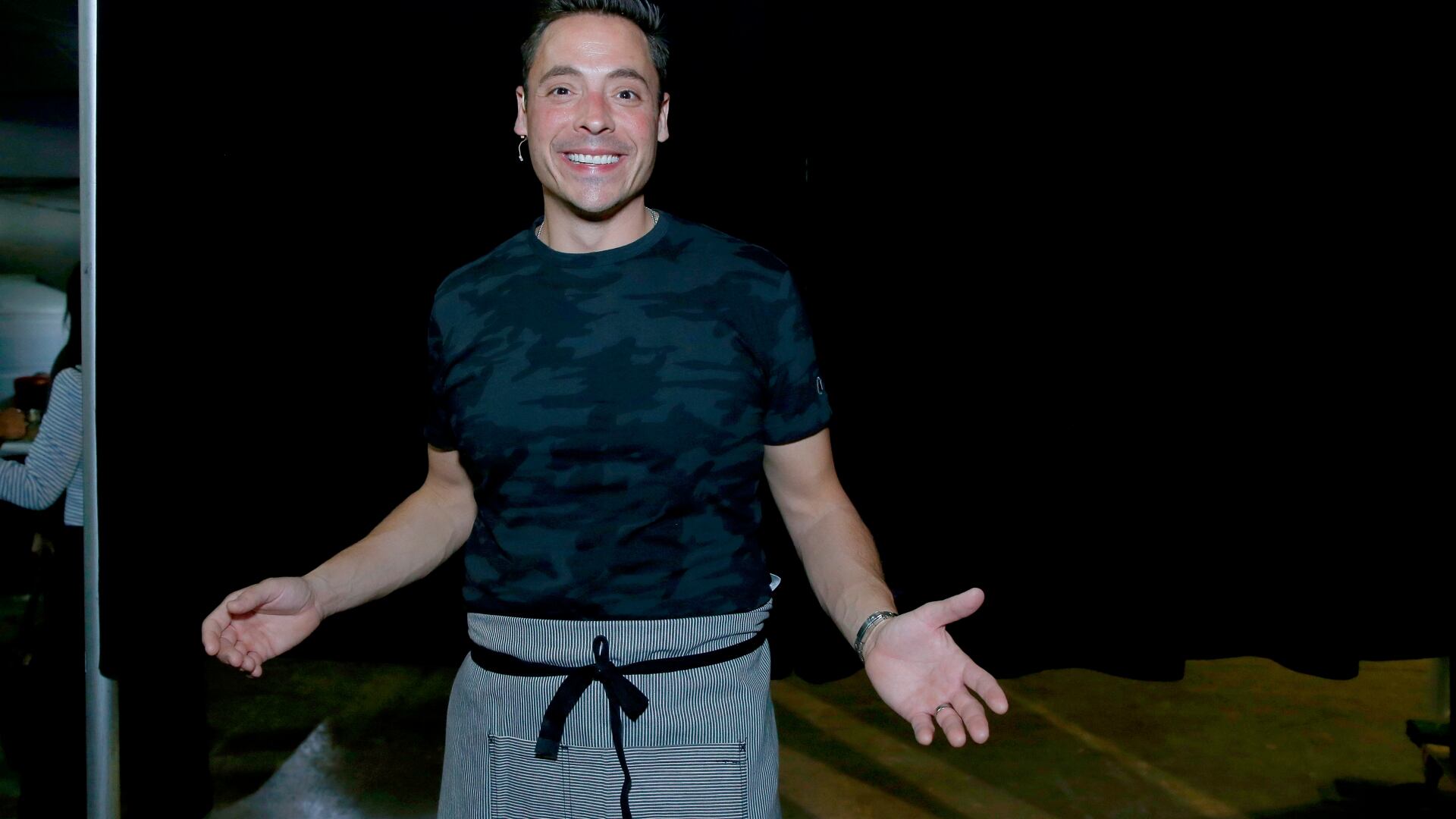
The 21st Annual Food Network and Cooking Channel South Beach Wine & Food Festival (SOBEWFF), is returning to Miami on February 24 with proceeds to benefit the future leaders of the hospitality industry. Lee Schrager, the founder and director of the festival, and Food Network star Jeff Mauro joined Cheddar News to discuss what ticket holders can expect, how the festival benefits students, and how Mauro will be paying tribute to fellow food celebrity, Guy Fieri, by hosting a charity auction dinner. "I mean there's nobody bigger, nobody more magnetic right now in the food space than Guy," Maura said. "I mean the guy had a Super Bowl commercial on last night. That's a dream of mine, so I'm one step closer there just by doing a tight 20 minutes at his tribute dinner."
Jeff Softley, direct to consumer president at Experian, joins Cheddar News to discuss what it means to be credit invisible, how big of an issue this is in the U.S., and what resources are out there to bridge this gap.