By Matthew Perrone and Zeke Miller

The Food and Drug Administration laid out updated safety standards Tuesday for makers of COVID-19 vaccines after the White House blocked their formal release, the latest political tug-of-war between the Trump administration and the government’s public health scientists.

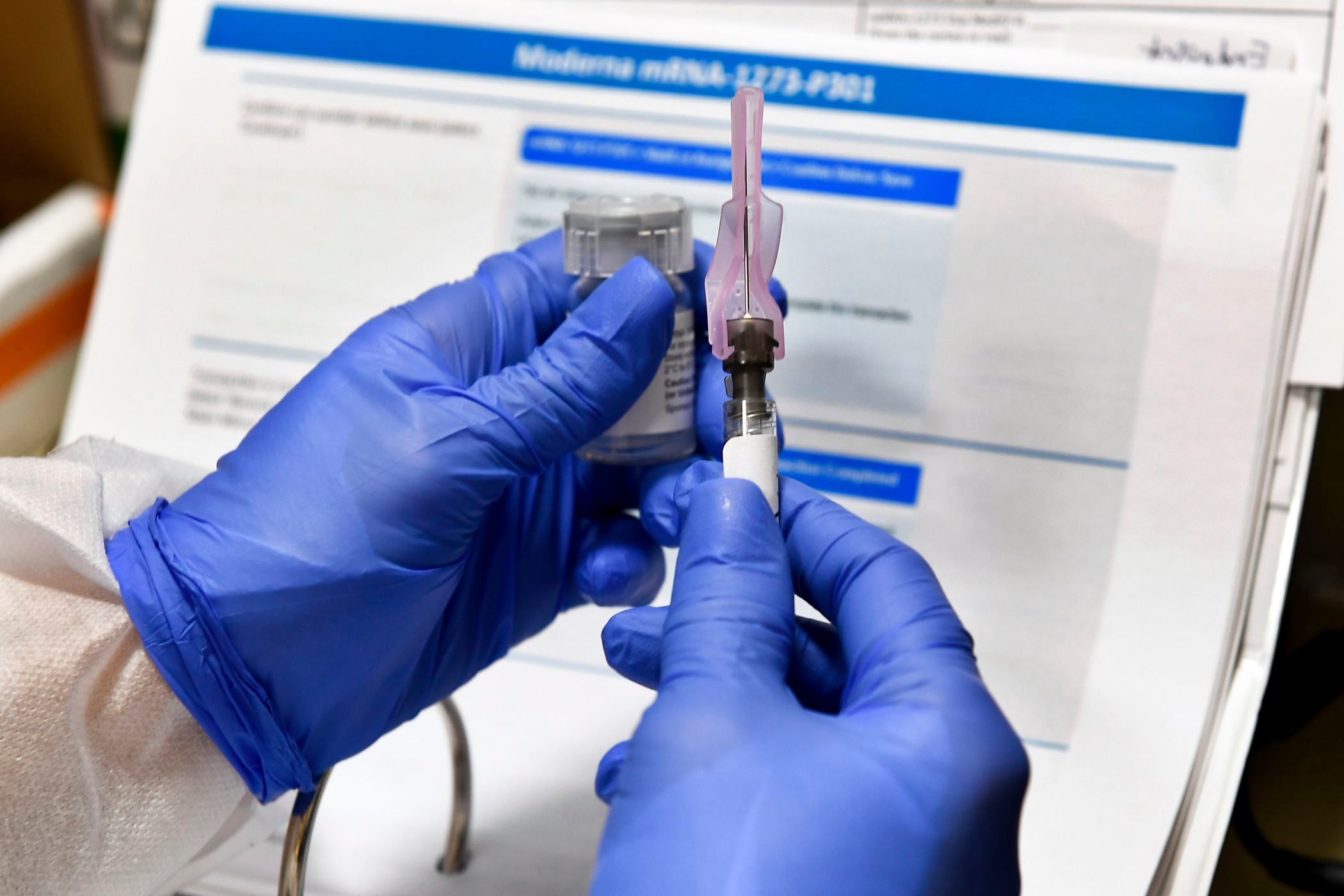
In briefing documents posted on its website, the FDA said vaccine makers should follow trial participants for at least two months to rule out safety issues before seeking emergency approval. That requirement would almost certainly preclude the introduction of a vaccine before Nov. 3.

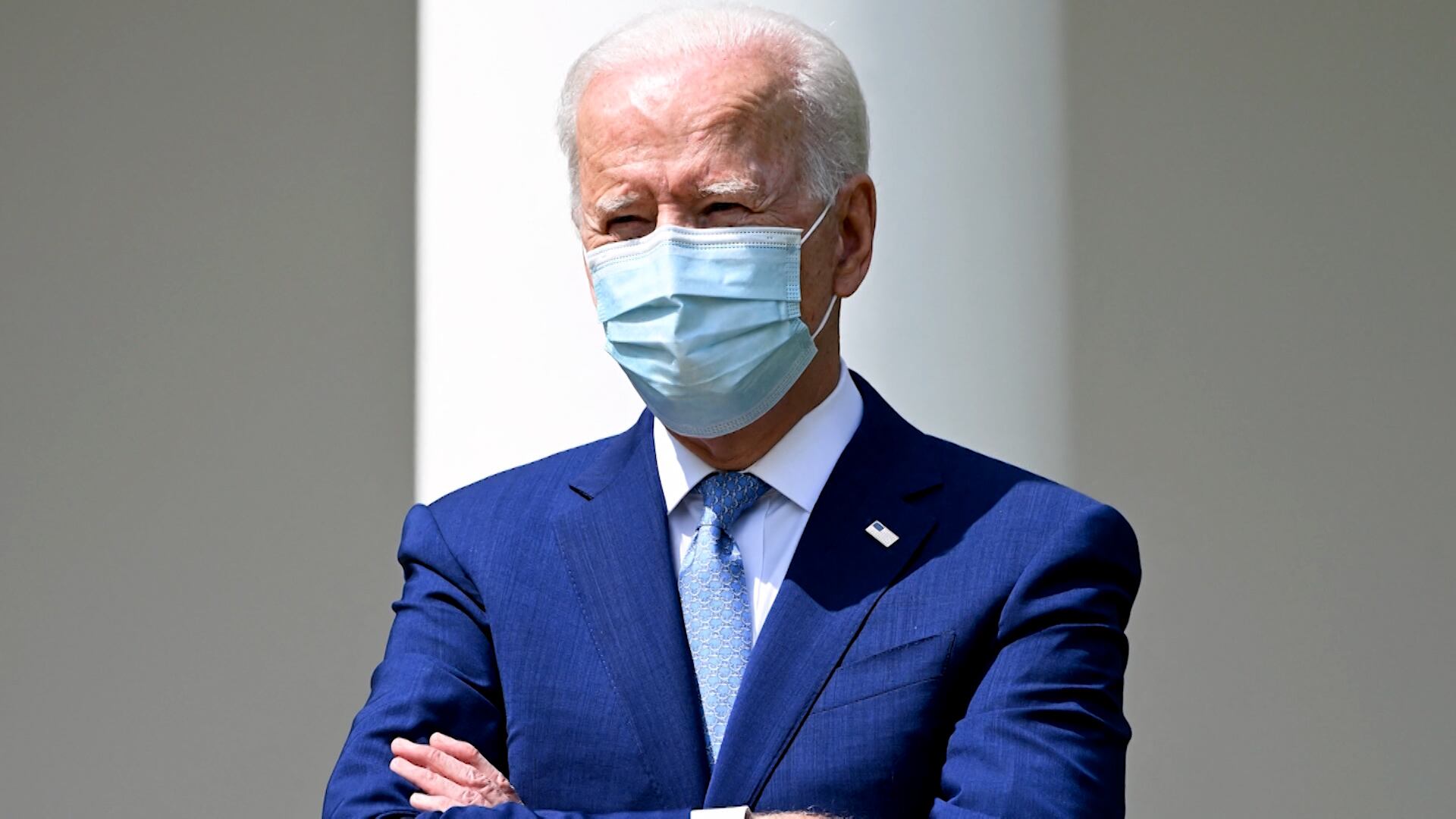
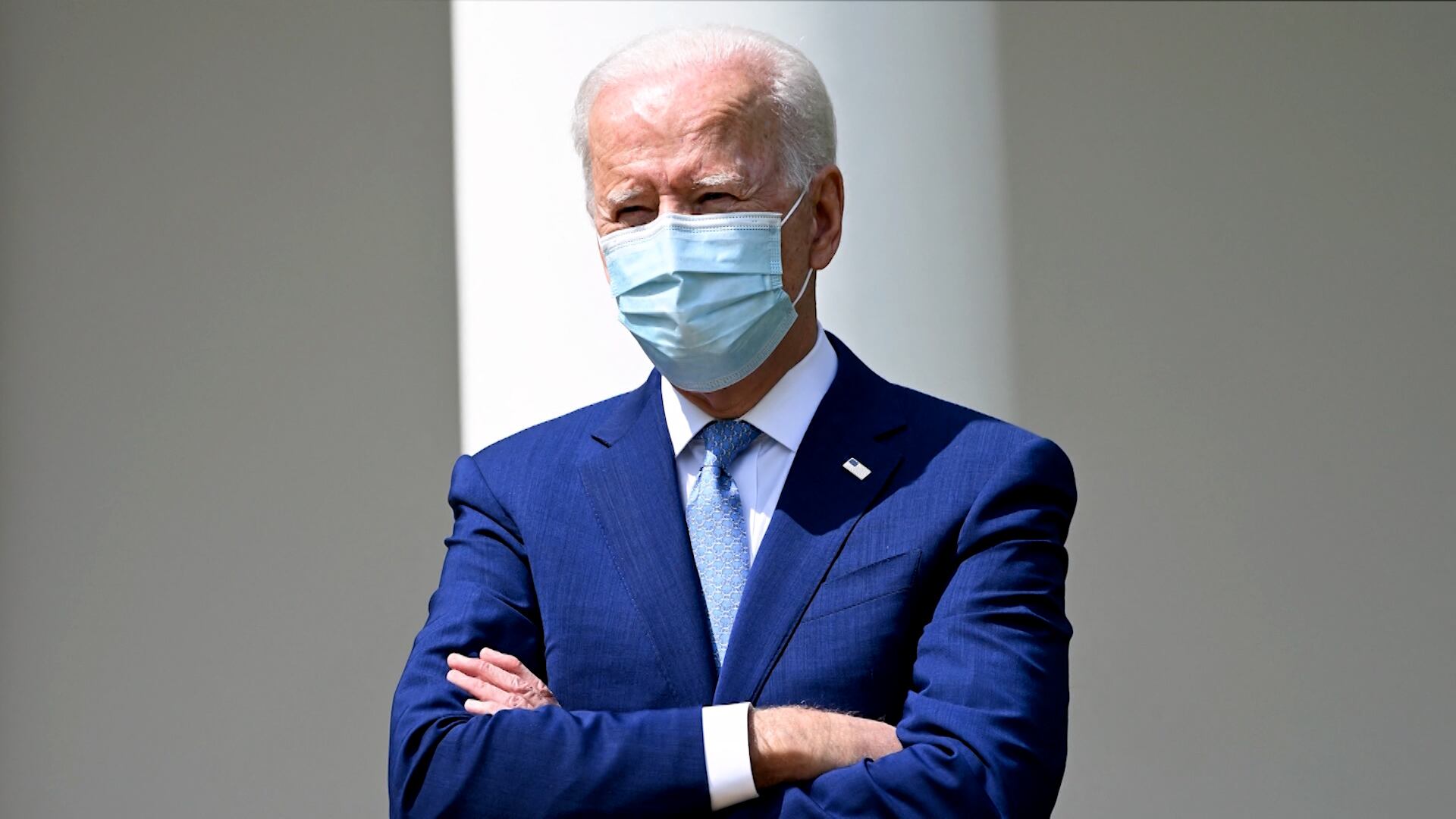
President Donald Trump has repeatedly insisted a vaccine could be authorized before Election Day, even though top government scientists working on the effort have said that the timeline is very unlikely. On Monday Trump said vaccines are coming “momentarily,” in a video recorded after he returned to the White House.

Former FDA officials have warned that public perception that a vaccine was being rushed out for political reasons could derail efforts to vaccinate millions of Americans.

A senior administration official confirmed to the AP on Monday that the White House had blocked FDA's plans to formally publish the safety guidelines based on the 2-month data requirement, arguing there was “no clinical or medical reason" for it.

But the FDA tucked the information into a memo posted ahead of an Oct. 22 meeting of its outside vaccine advisory panel. The group of non-governmental experts is scheduled to discuss general standards for coronavirus vaccines, part of FDA's effort to publicize its process and rationale for vaccine reviews. While information prepared for such panels does not carry the weight of a formal FDA guidance document, the release of the information makes clear the FDA plans to impose the safety standards for any vaccine seeking an expedited path to market.

To meet the FDA's threshold, companies would need to submit two months of follow-up from half of their trial participants after they receive their last vaccine dose to show there are no major side effects or health problems. Because vaccines are normally given to otherwise healthy people the FDA requires strict evidence of their safety.

The requirements are aimed at companies seeking rapid approval through the FDA's emergency authorization pathway. That accelerated process, reserved for health emergencies, allows medical products onto the market based on a lower bar than traditional FDA approval.

Initial doses of vaccines for emergency use would likely be reserved for medical workers and people with health conditions that make them particularly vulnerable to coronavirus. Full FDA approval for the general population will require significantly more data and is not expected until mid-2021.

An FDA spokeswoman said Tuesday the vaccine guidelines are still “under review” but added that “the FDA has already communicated with individual manufacturers about its expectations.”

The White House's attempt to block the information's release follows a string of instances in which the Trump administration has undercut its own medical experts working to combat the pandemic. FDA Commissioner Stephen Hahn has been attempting to shore up public confidence in the vaccine review process for weeks, vowing that career scientists, not politicians, will decide if the shots are safe and effective.

Pfizer CEO Albert Bourla has stoked excitement by saying that he expects data on whether the company’s candidate works to be ready in late October. But a number of variables would still have to align for the company to submit, and the FDA to review and greenlight, a vaccine application before Nov. 3. Pfizer's competitors Moderna, AstraZeneca, and Johnson & Johnson are working on longer research timelines.

Vaccine development typically takes years, but the U.S. government has invested billions in efforts to accelerate the process and help multiple drugmakers prepare multiple candidates. All the doses will be purchased by the federal government for use vaccinating the U.S. population.

Beyond exposing the rift between the White House and FDA, the release of the information may have limited practical effect.

FDA scientists have been discussing the guidelines publicly for weeks and have made clear that the recommendations have already been shared with each of the vaccine developers.

“The companies know what we’re expecting,” said Dr. Peter Marks, the head of FDA’s vaccine division, in an online interview last week with the nonprofit Friends of Cancer Research.

Instead, Marks said, releasing the guidelines was “an attempt to help the public see what we're requiring of COVID-19 vaccines.” He added that the guidelines would explain that all upcoming vaccines would be reviewed by the FDA's independent panel of outside vaccine advisers before the agency makes its own final decision.


Share:
More In Politics
States Turn to Unusual Solutions as Schools Face Staffing Shortages
With an increasing number of teachers and staff calling out sick by the day, the state of Oklahoma is turning to an unusual solution. Republican Governor Kevin Stitt has issued an executive order that permits state employees to work as substitute teachers. Shaily Baranwal, founder and CEO of Elevate K-12, joins Cheddar News to discuss.
Possible Cracks Between U.S. and Allies on Issue of Ukraine and Russia
On Thursday, Secretary of State Antony Blinken addressed the stance of the U.S. and its allies should Russia make any forays into Ukraine, a seeming response to President Biden's remarks that should Putin engage in something short of a full invasion, there might be some indecision among allied nations regarding what to do. Ariel Cohen, a senior fellow at the think tank Atlantic Council, joined Cheddar to discuss the difficulty faced by Blinken wrangling unity as tensions run high in the region. "There'll be a smaller incursion, and the president implied, there'll be a weaker response because our European allies have created this horrible situation where they are dependent on Moscow for their gas supply," Cohen explained.
Biden Approval Rating Tanking at One-Year Mark Over Issues Like Inflation
During a nearly two-hour press conference on Wednesday, President Biden spoke on his accomplishments and challenges from the first year of his presidency, and what his administration hopes to accomplish in the coming year. However, his approval ratings are underwater as COVID remains a big concern for voters — as does inflation, noted Tom Bevan, co-founder and president of polling aggregator RealClearPolitics. "The public thinks [inflation] is priority number one, and the administration is concerned about it, they talk about it, but they're not spending enough time on it as far as the public is concerned," said Bevan.
Behind Australian Judges Ruling for Allowing Novak Djokovic Deportation
The drama surrounding tennis star Novak Djokovic continues after he was deported from Australia over the weekend due to the nation's COVID-19 vaccine requirements. Djokovic was forced to leave the country on the eve of what was to be his first match in defense of his Australian Open title after three judges ruled in favor of his removal and revealed their reasoning for doing so. Adding to his woes, a law recently passed in France is putting his chances of defending his French Open title in jeopardy. The director of Marist's Center for Sports Communication, Jane McManus, joined Cheddar to discuss the ongoing fallout.
Louisiana Senate Candidate on Smoking Weed in His Campaign Ad
As the midterm elections get ever closer, candidates have been getting creative with their campaigns to stick out and to connect with voters. Gary Chambers, a Democratic candidate for the U.S. Senate from Louisiana, has definitely attracted attention with an advertisement featuring him smoking a blunt, making a point about the inequity of anti-cannabis laws. "We wanted to bring the seriousness of the moment," he said of the ad. "But we also wanted to make sure that people understand that there are 19 states that are legal right now but Black people and brown people are being over-incarcerated in mostly Southern and Midwestern states in America for cannabis possession."
TLDR Act Provides the 'TLDR' on Sites' Terms of Service
If some members of Congress have their way, there might finally be a 'TLDR' on sites' terms of service, introduced by the terms-of-service labeling, design, and readability act – or TLDR for short. With this act, users will actually understand what they're agreeing to or the many ways in which their data is being used before pressing 'accept.' J.D. sat down with co-sponsor of the bill and Senator Bill Cassidy, to discuss.
All Eyes on Biden: Amid Inflation, Pandemic, How Can President Push Agenda While His Party Controls Washington?
President Joe Biden's first year in office is wrapping up. What has he achieved, and what else remains on the table while the Democrats have control of Washington? Amid an ongoing pandemic and rising inflation, Biden's approval rating is at an all-time low and his party is plagued by infighting. Will he be able to continue pushing key parts of his agenda? Paul Glastris, former Bill Clinton speechwriter & Editor-in-chief of 'Washington Monthly,' joins Cheddar News' Closing Bell to discuss the president's achievements in his first year, where he's fallen short, and what he must do in order to get more of his agenda signed into law.
Senate Bills to Reign in Big Tech Anticompetitive Practices Could Hurt Consumers
Tech giants Meta, Amazon, Alphabet, and Apple are faced with a bipartisan antitrust legislation effort underway in the Senate Judiciary Committee. The companies stand accused of promoting their own goods and services over smaller competitors on their platforms, holding too much monopolistic power via their app stores and services. Adam Kovacevich, founder and CEO of Chamber of Progress, a technology industry trade group, joined Cheddar to argue that the bills that are being debated currently could end up hurting consumers, rather than helping.
Load More