More than four years after the 2018 Farm Bill legalized industrial hemp, the Food and Drug Administration still hasn't regulated the cannabis compound CBD — and the agency said it has no plans to.
The FDA announced in late January that it plans to defer to Congress for rulemaking over concerns that existing regulations for food and supplements don't go far enough to manage the risks of CBD. That could mean more delays.
"The FDA's existing foods and dietary supplement authorities provide only limited tools for managing many of the risks associated with CBD products. Under the law, any substance, including CBD, must meet specific safety standards to be lawfully marketed as a dietary supplement or food additive," Dr. Janet Woodcock, the FDA principal deputy commissioner, said in a statement.
Michelle Bodian, partner at cannabis-focused law firm Vicente Sederberg, said that, while disappointing for the cannabis industry, the decision is unsurprising.
"The lack of traction that's gone over in the intervening years since the first farm bill, it's led us all to conclude that this isn't something they're trying to work towards finding a pathway to regulate," she said.
CBD or cannabidiol is a non-psychoactive compound found in hemp or cannabis plants. It is technically legal if it comes from hemp and contains 0.3 percent or less of the psychoactive compound THC, but it exists in a regulatory gray area that has led to a surge in CBD-based businesses selling everything from topicals to tinctures. CBD has shown some promise for its anti-inflammatory effects, and it forms the basis of an FDA-approved drug called Epidolex that combats rare forms of epilepsy in children. But it is not the panacea that some businesses have claimed, and research shows that it isn't completely harmless.
According to the FDA, studies have shown CBD can cause possible harm to the liver and male reproductive system, as well as have negative interactions with some medications. The FDA also cautioned against exposure for pregnant people and children.
"We have not found adequate evidence to determine how much CBD can be consumed, and for how long, before causing harm. Therefore, we do not intend to pursue rulemaking allowing the use of CBD in dietary supplements or conventional foods," Woodcock said.
Aside from the possible side effects, Bodian said CBD's use in Epidiolex could be a factor in the FDA's inaction. The Food, Drug and Cosmetics Act prohibits active ingredients in prescription drugs from being used as food additives and dietary supplements. In the past, hopeful advocates predicted that FDA, Congress, or both could design regulations that permit CBD in both pharmaceutical medications and in lower potency over-the-counter formulations.
With Congress on the hook to act, odds of a speedy regulatory process look distant, especially with Republicans in charge of the House of Representatives. For now, in the absence of federal regulation, CBD businesses will be forced to continue navigating a patchwork of state-level regulations, just like in the cannabis industry.
It’s no secret that the world is amidst a climate crisis never before seen in our time. And our excessive resource consumption is to blame. But just exactly what resources are to blame might surprise you. Hint: fossil fuels are only one part of the problem.
Dr. Robert Lahita, the director of Saint Joseph's Institute for Autoimmune and Rheumatic Diseases, joined Cheddar to discuss the latest on omicron as the new variant has popped up in more than a dozen states so far. He emphasized that vaccinations should remain the priority despite efficacy against the new variant being unknown at this point.
Six states have confirmed cases of the new Omicron coronavirus variant, and this number is expected to grow. Cheddar's Hena Doba speaks with Dr. William Schaffner,
Professor of Preventive Medicine at Vanderbilt University Medical Center, on the latest developments.
Just days after the detection of the Omicron variant, the World Health Organization has agreed to start the process of establishing a global pandemic treaty or accord. Amy Maxmen, senior reporter for Nature, and Dr. Samuel Scarpino, managing director for the Rockefeller Foundation's Pandemic Prevention Institute, joined Cheddar to discuss this effort and what lessons can be learned from the many COVID-19 failures as the world prepares for future pandemics.
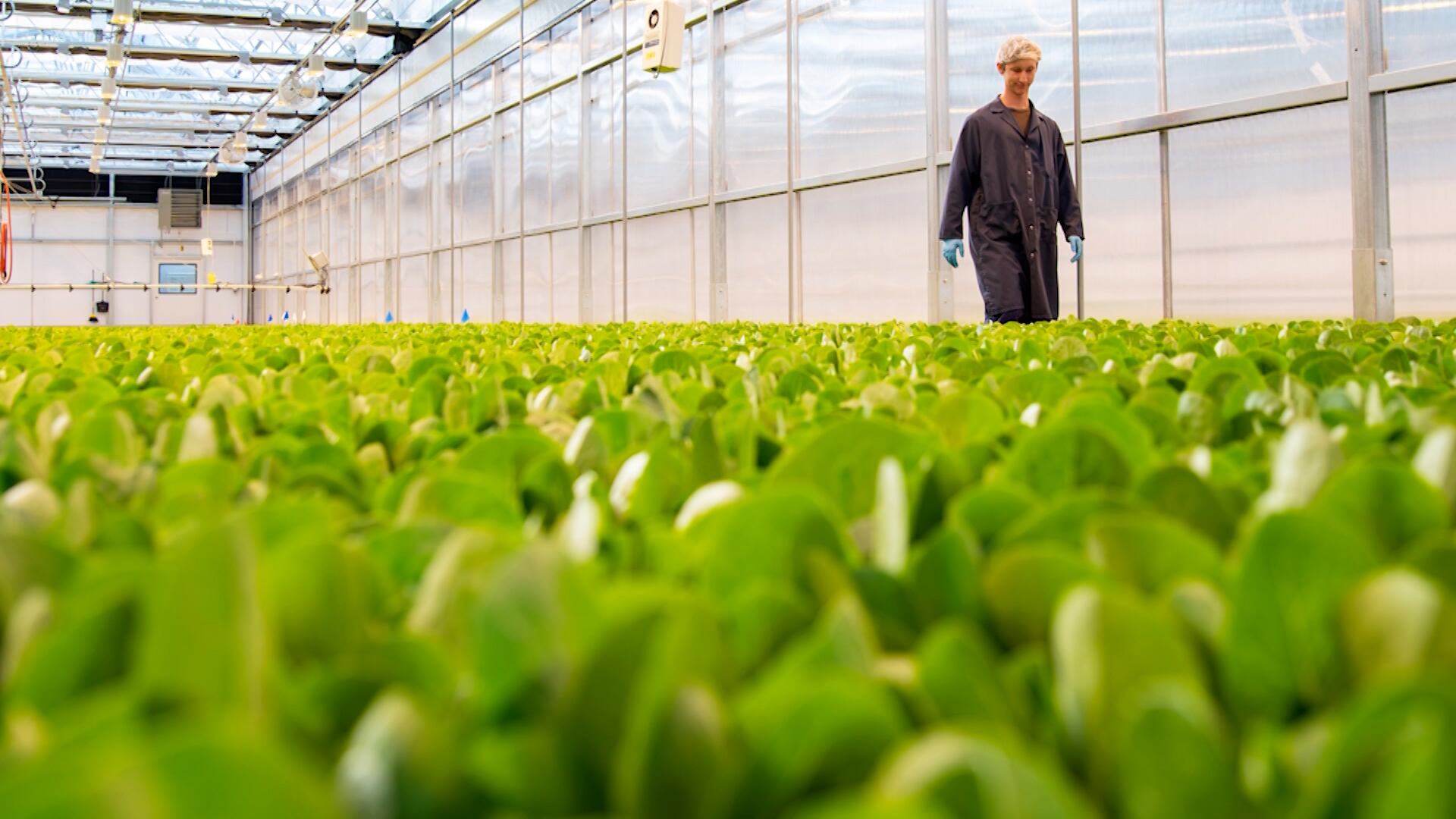
Local Bounti rang the opening bell December 3 in honor of its recent trading debut on the NYSE after closing a $1.1 billion SPAC deal. The company operates an indoor growing facility in Montana and aims to transform the production and delivery of local, fresh and sustainably-grown leafy greens. Craig Hurlbert, co-founder and co-CEO of Local Bounti, joined Cheddar to discuss the company's goals as a newly publicly-traded company.
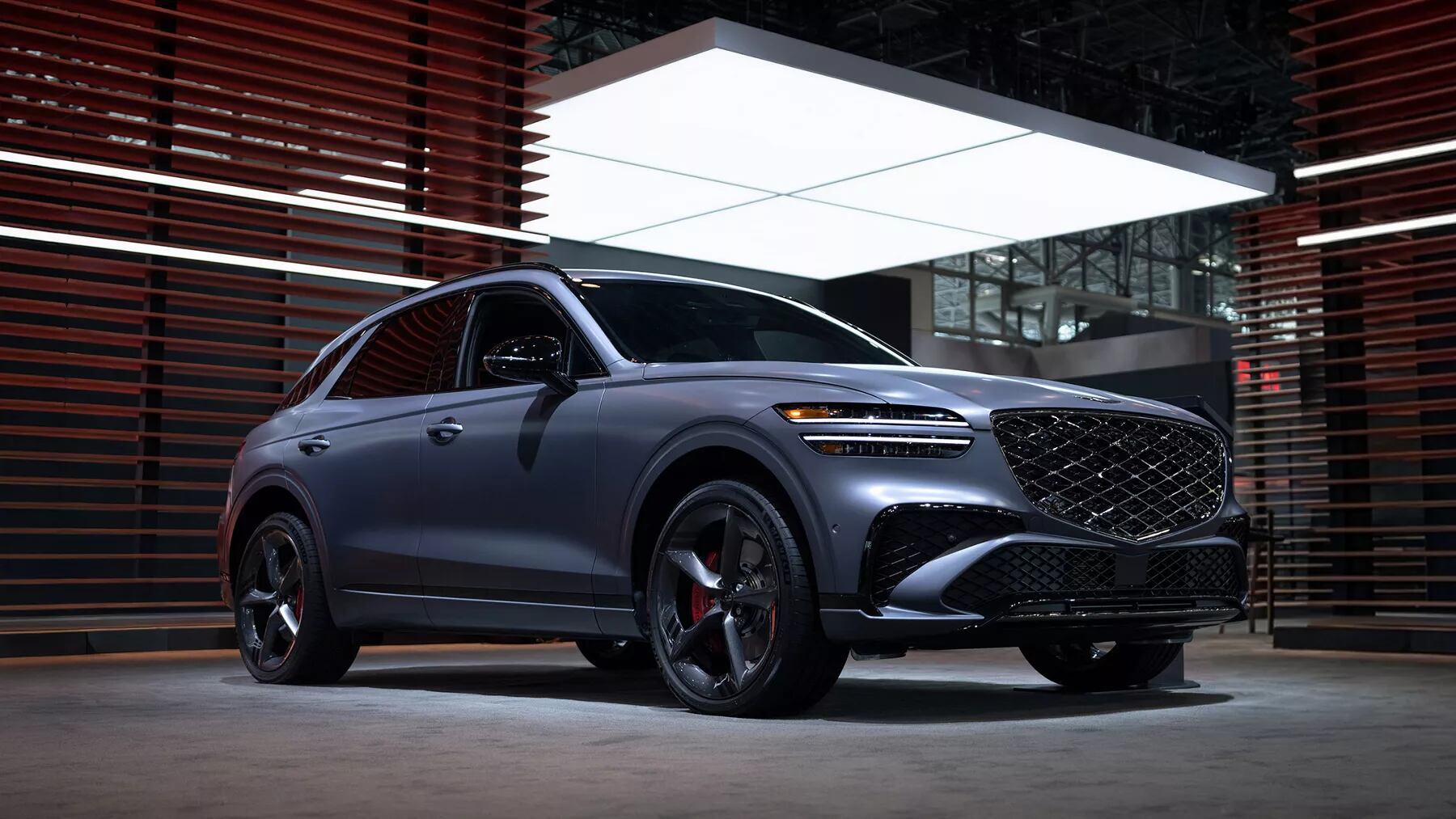
Stephan Winkelmann, president of Bugatti Automobiles and CEO of Lamborghini, stopped by Cheddar to talk about Lamborghini's 2021 success after the luxury automaker set a company sales record on more than 6,9000 vehicles delivered. With climate change top of mind for the auto industry, Winkelmann also talked about Lamborghini's commitment to hybridizing its entire fleet. Still, when it comes to supercars, the legacy brand isn't quite ready to give up gasoline power, and according to the CEO, three new combustion engine vehicles will be available in 2022.
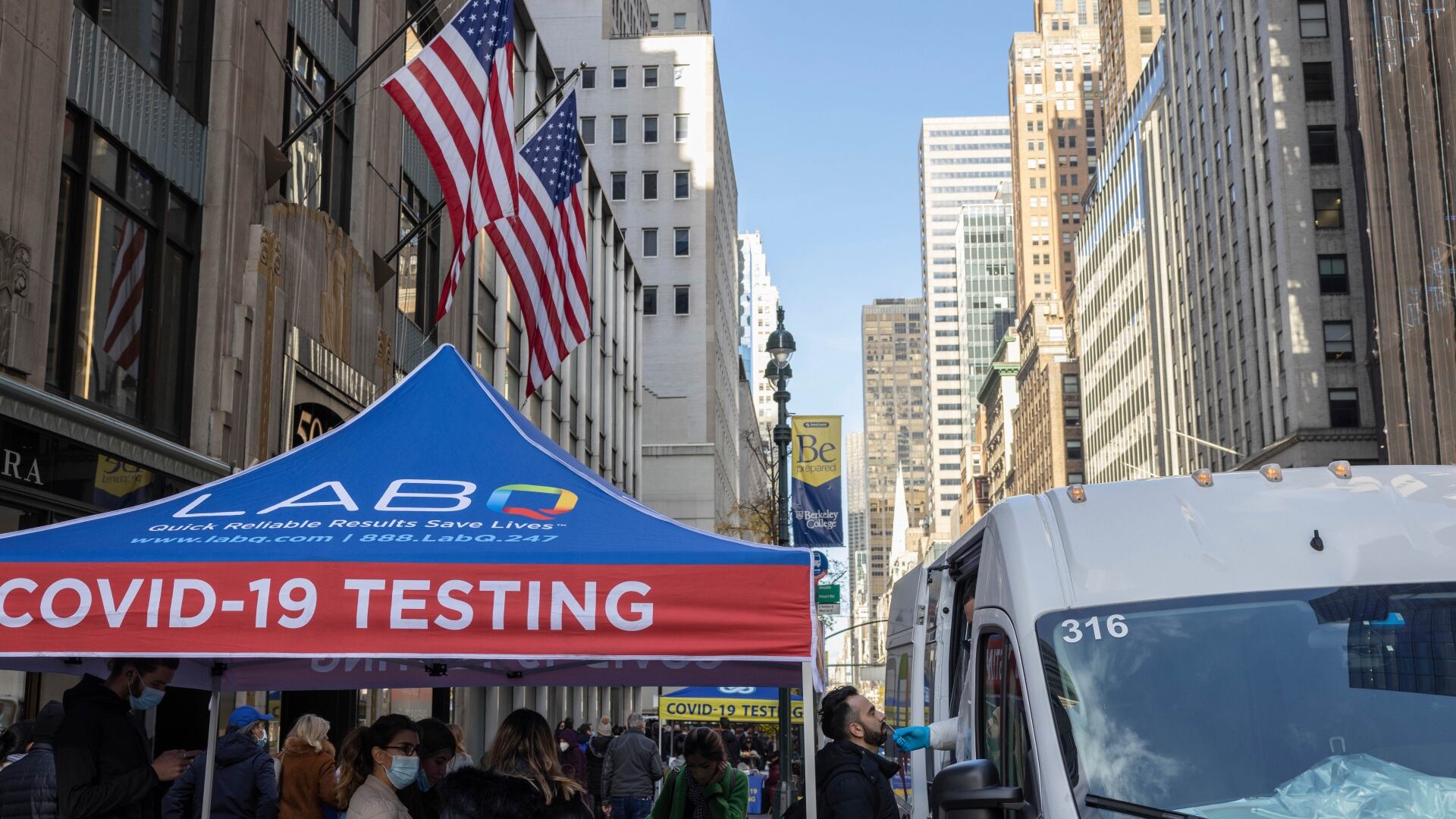
New York officials have confirmed five omicron COVID-19 cases in New York City and on Long Island after a Minnesota man who tested positive for the same variant said he attended a convention in November at the Jacob Javits Center in Manhattan.
It's Friday at long last. Jill and Carlo cover the latest on Omicron, including a possible superspreader event in NYC. Plus, previewing the November jobs report, a new Zoom feature no one asked for, and when it's no longer a good idea to eat Thanksgiving leftovers.
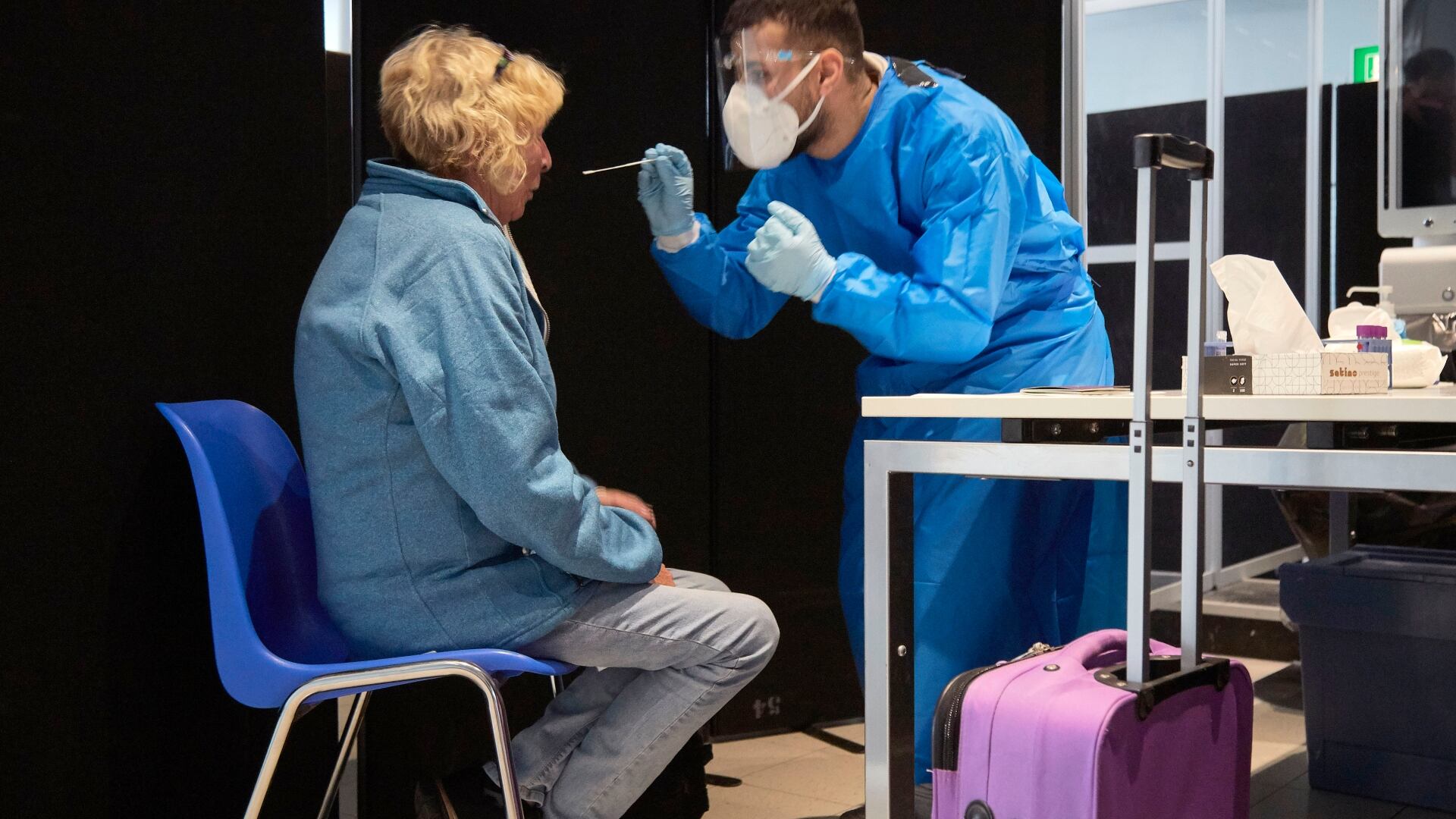
Three cases of the new omicron COVID-19 variant have been confirmed in the U.S. Cheddar speaks with global infection disease specialist Dr. Rajeev Fernando on how to prepare for a possible new coronavirus wave.