More than four years after the 2018 Farm Bill legalized industrial hemp, the Food and Drug Administration still hasn't regulated the cannabis compound CBD — and the agency said it has no plans to.
The FDA announced in late January that it plans to defer to Congress for rulemaking over concerns that existing regulations for food and supplements don't go far enough to manage the risks of CBD. That could mean more delays.
"The FDA's existing foods and dietary supplement authorities provide only limited tools for managing many of the risks associated with CBD products. Under the law, any substance, including CBD, must meet specific safety standards to be lawfully marketed as a dietary supplement or food additive," Dr. Janet Woodcock, the FDA principal deputy commissioner, said in a statement.
Michelle Bodian, partner at cannabis-focused law firm Vicente Sederberg, said that, while disappointing for the cannabis industry, the decision is unsurprising.
"The lack of traction that's gone over in the intervening years since the first farm bill, it's led us all to conclude that this isn't something they're trying to work towards finding a pathway to regulate," she said.
CBD or cannabidiol is a non-psychoactive compound found in hemp or cannabis plants. It is technically legal if it comes from hemp and contains 0.3 percent or less of the psychoactive compound THC, but it exists in a regulatory gray area that has led to a surge in CBD-based businesses selling everything from topicals to tinctures. CBD has shown some promise for its anti-inflammatory effects, and it forms the basis of an FDA-approved drug called Epidolex that combats rare forms of epilepsy in children. But it is not the panacea that some businesses have claimed, and research shows that it isn't completely harmless.
According to the FDA, studies have shown CBD can cause possible harm to the liver and male reproductive system, as well as have negative interactions with some medications. The FDA also cautioned against exposure for pregnant people and children.
"We have not found adequate evidence to determine how much CBD can be consumed, and for how long, before causing harm. Therefore, we do not intend to pursue rulemaking allowing the use of CBD in dietary supplements or conventional foods," Woodcock said.
Aside from the possible side effects, Bodian said CBD's use in Epidiolex could be a factor in the FDA's inaction. The Food, Drug and Cosmetics Act prohibits active ingredients in prescription drugs from being used as food additives and dietary supplements. In the past, hopeful advocates predicted that FDA, Congress, or both could design regulations that permit CBD in both pharmaceutical medications and in lower potency over-the-counter formulations.
With Congress on the hook to act, odds of a speedy regulatory process look distant, especially with Republicans in charge of the House of Representatives. For now, in the absence of federal regulation, CBD businesses will be forced to continue navigating a patchwork of state-level regulations, just like in the cannabis industry.
2021 has been a year filled with extreme weather conditions. Hundreds of thousands of people recently saw the effects of massive tornados that swept across six states. Now, experts say climate change could have played a major role. Jennifer Marlon, research scientist and lecturer at the Yale School of the Environment, joins Cheddar News to discuss.
Anthony Tall, sports agent and president of Miracle Sports Agency, joins Cheddar News to talk about the challenges professional sports leagues are facing amid a surge in coronavirus cases across the U.S.
Extreme weather hit all of us in 2021. Deadly heat hit parts of the U.S. that normally don't even need air conditioning. More than 52,000 wildfires broke out, a terrifying example of what can happen when extreme heat mixes with drought. Hurricane Ida was so powerful it actually briefly reversed the flow of the Mississippi River. Cheddar News did a deep dive into this year's unbelievable weather and how climate change may have impacted it.
With the New Year just around the corner, many people will be making new health and fitness goals. However, after the initial January push, it's easy to drop your resolutions and go back to your old habits. Joan Ifland, CEO of Food Addiction Reset, discusses her best tips for following through with New Year's Resolutions.
Carlo and Baker preview President Biden's address to the nation as Omicron becomes the new dominant Covid strain. Plus, Trump gets booed for getting his booster and the White House gets a new puppy.
Alinda Mashiku, Conjunction Analysis and Risk Assessment Deputy Manager at the NASA Goddard Space Flight Center, joins Future of Space: Humankind's Leap Forward to explain how space debris is threatening operations in space at a time when more satellites are being deployed.
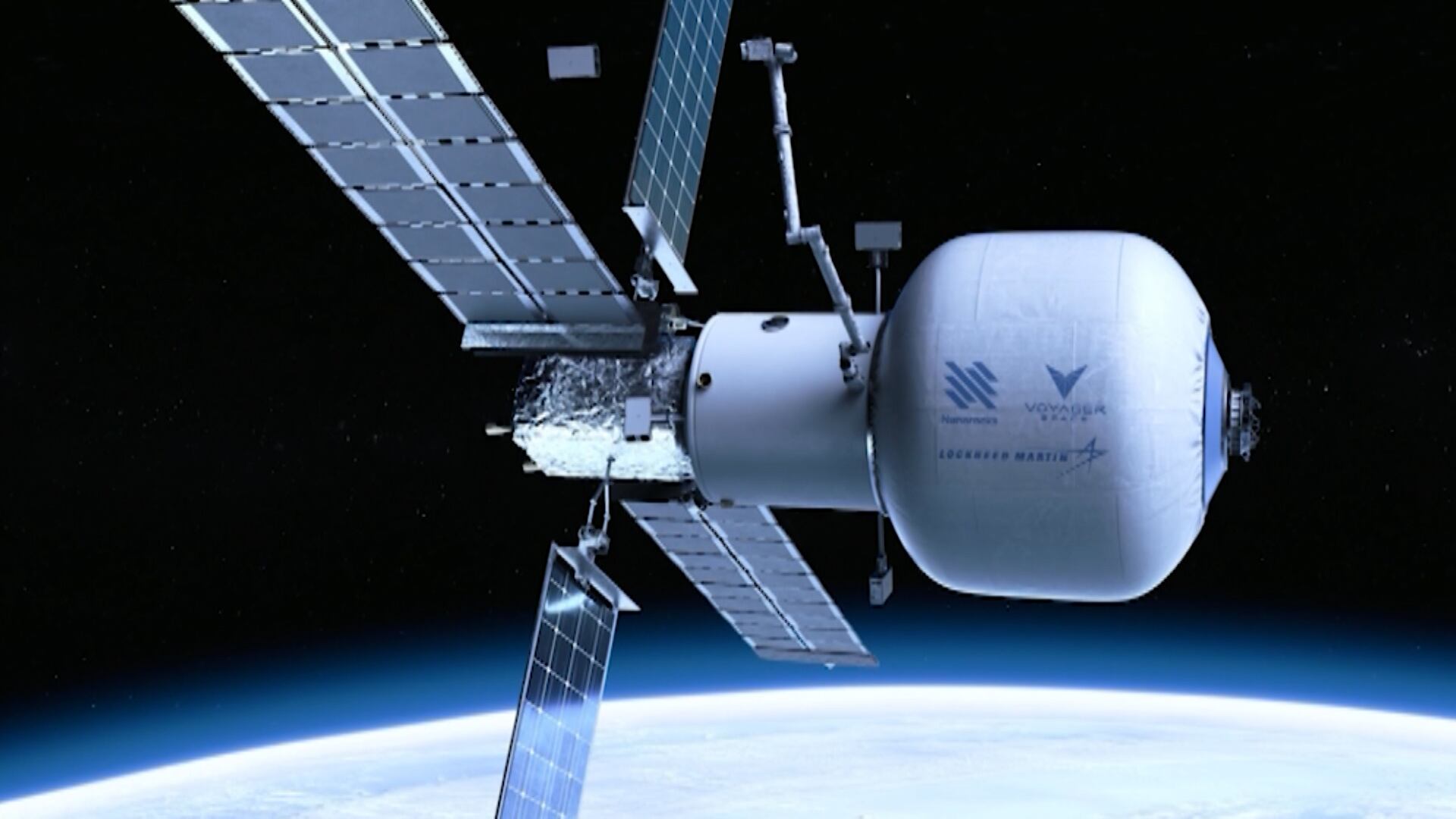
Marshall Smith, Senior Vice President of Space Systems at Nanoracks and Kirk Shireman, Vice President of the Lunar Exploration Campaign at Lockheed Martin join Future of Space: Humankind's Leap Forward to discuss upcoming plans for developing their Starlab commercial space station after being awarded a $160 million contract by NASA.
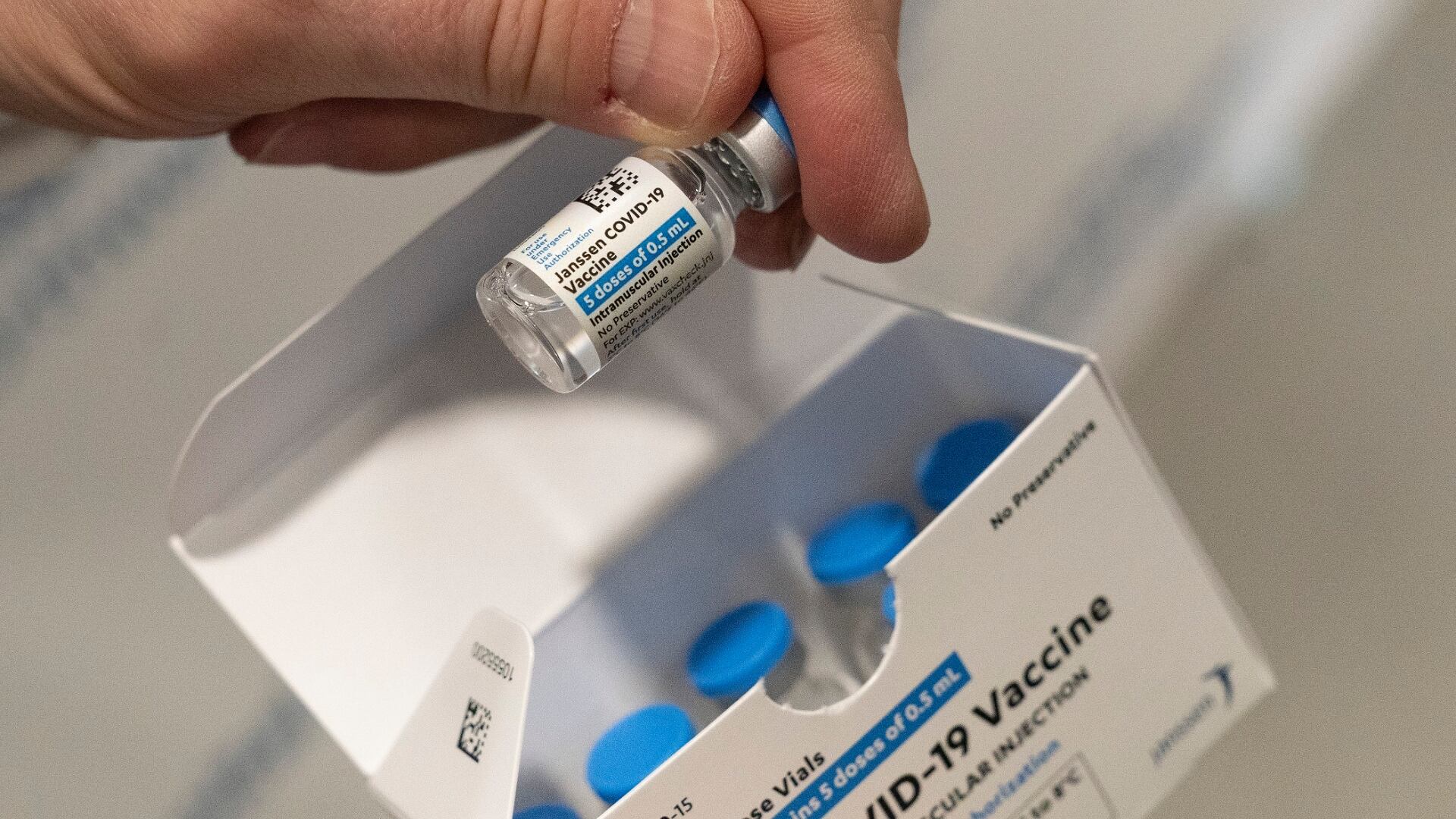
The CDC recently endorsed the advisory committee's recommendation that people should receive the Pfizer or Moderna COVID vaccines over the Johnson & Johnson shot, leaving some questions and concerns for the public. Epidemiologist Dr. Eric Feigl-Ding, spoke to Cheddar about the shift in the agency's stance, and what it might mean. "If you already have it, any side effects are already long past," he said. "Going forward is what they're saying. That getting a booster you should get the Moderna or the Pfizer booster, and I don't think they're encouraging anyone to get de novo Johnson & Johnson as their first shot anymore."
The billionaire space race took off in 2021, making major strides in space tourism. That growth is only expected to skyrocket in the next year, as the government and private institutions and companies look to shape the final frontier's exploration. Cheddar News dives into the biggest moments of the year in space, and what comes next for space travel and tourism.
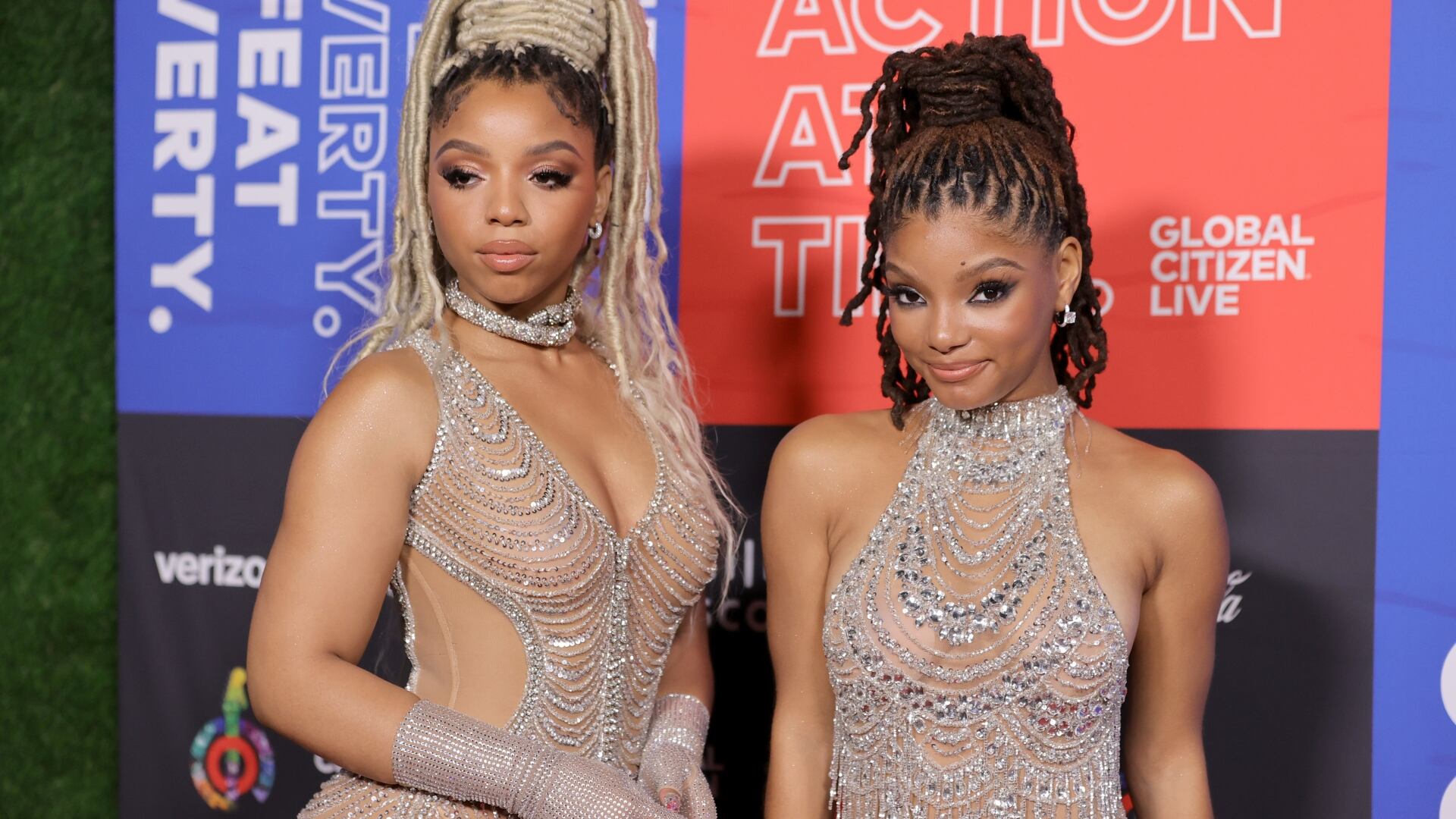
Chloe and Halle Bailey are no strangers to hard work. The sisters got their start performing covers on YouTube and have become a force in the music industry. Since then, the two have spread their wings beyond their duo group to individual projects. Now they're coming together to face off in the LG OLED Ultimate Gaming Showdown. Chloe and Halle join Cheddar News to discuss.