More than four years after the 2018 Farm Bill legalized industrial hemp, the Food and Drug Administration still hasn't regulated the cannabis compound CBD — and the agency said it has no plans to.
The FDA announced in late January that it plans to defer to Congress for rulemaking over concerns that existing regulations for food and supplements don't go far enough to manage the risks of CBD. That could mean more delays.
"The FDA's existing foods and dietary supplement authorities provide only limited tools for managing many of the risks associated with CBD products. Under the law, any substance, including CBD, must meet specific safety standards to be lawfully marketed as a dietary supplement or food additive," Dr. Janet Woodcock, the FDA principal deputy commissioner, said in a statement.
Michelle Bodian, partner at cannabis-focused law firm Vicente Sederberg, said that, while disappointing for the cannabis industry, the decision is unsurprising.
"The lack of traction that's gone over in the intervening years since the first farm bill, it's led us all to conclude that this isn't something they're trying to work towards finding a pathway to regulate," she said.
CBD or cannabidiol is a non-psychoactive compound found in hemp or cannabis plants. It is technically legal if it comes from hemp and contains 0.3 percent or less of the psychoactive compound THC, but it exists in a regulatory gray area that has led to a surge in CBD-based businesses selling everything from topicals to tinctures. CBD has shown some promise for its anti-inflammatory effects, and it forms the basis of an FDA-approved drug called Epidolex that combats rare forms of epilepsy in children. But it is not the panacea that some businesses have claimed, and research shows that it isn't completely harmless.
According to the FDA, studies have shown CBD can cause possible harm to the liver and male reproductive system, as well as have negative interactions with some medications. The FDA also cautioned against exposure for pregnant people and children.
"We have not found adequate evidence to determine how much CBD can be consumed, and for how long, before causing harm. Therefore, we do not intend to pursue rulemaking allowing the use of CBD in dietary supplements or conventional foods," Woodcock said.
Aside from the possible side effects, Bodian said CBD's use in Epidiolex could be a factor in the FDA's inaction. The Food, Drug and Cosmetics Act prohibits active ingredients in prescription drugs from being used as food additives and dietary supplements. In the past, hopeful advocates predicted that FDA, Congress, or both could design regulations that permit CBD in both pharmaceutical medications and in lower potency over-the-counter formulations.
With Congress on the hook to act, odds of a speedy regulatory process look distant, especially with Republicans in charge of the House of Representatives. For now, in the absence of federal regulation, CBD businesses will be forced to continue navigating a patchwork of state-level regulations, just like in the cannabis industry.
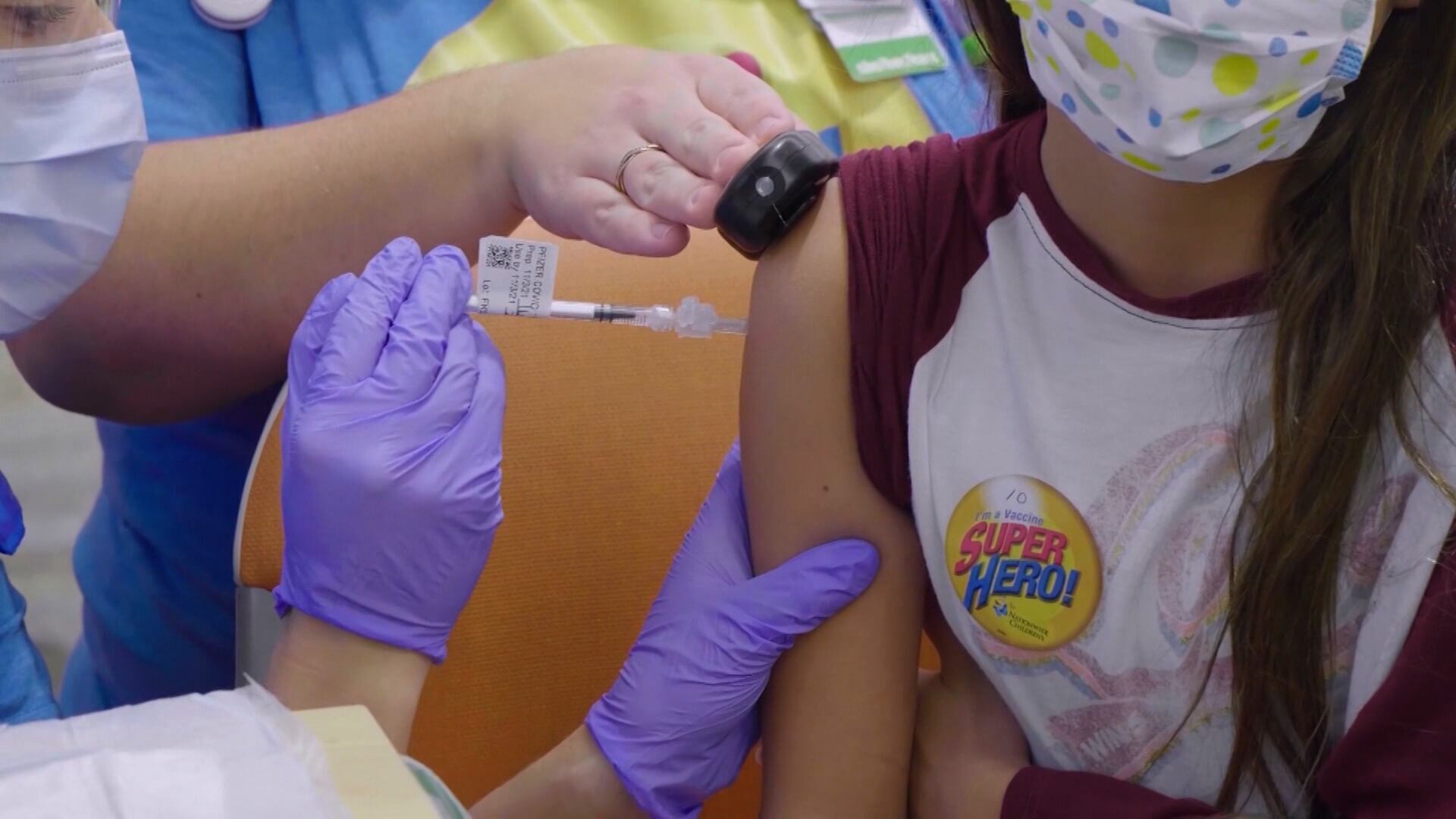
With a rising number of COVID-19 cases due to the omicron variant, the FDA is making big moves. First, Pfizer's COVID-19 booster has been authorized for those ages 12 to 15. The agency also reduced the amount of time to wait between receiving a second vaccine dose and booster from six months to five. Finally, a third primary series dose of Pfizer's shot is approved for immunocompromised children five to 11 years old. Professor Peter Pitts joins Cheddar News to discuss.
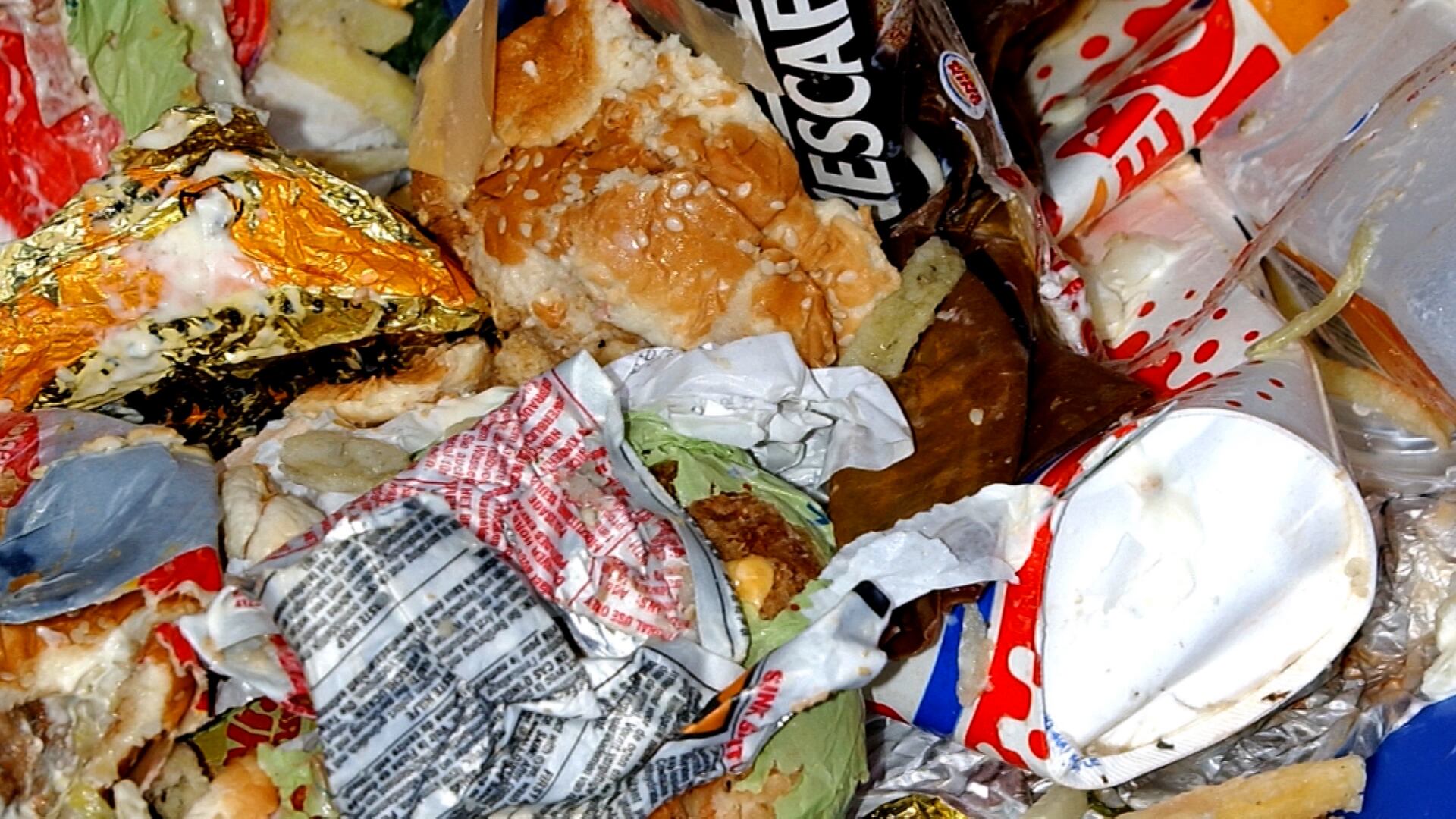
California's new composting law will affect what residents do in their kitchens. As of this week, Californians will have to recycle excess food in an effort to reduce emissions caused by food waste. Cities and counties will turn recycled food into compost or use it as a renewable energy source. California's new law is the largest mandatory residential food waste recycling program in the country. Rachel Wagoner, Director of the California Department of Resources, Recycling and Recovery called the law 'the biggest change to trash' since recycling started in the 1980s. She joined Cheddar Climate to discuss.
Deborah Brosnan, President of Deborah Brosnan & Associates, joins Cheddar Climate, where she explains why global warming brought about 'a year of reckoning' in 2021 and why previously unprecedented weather events could become the norm going forward.
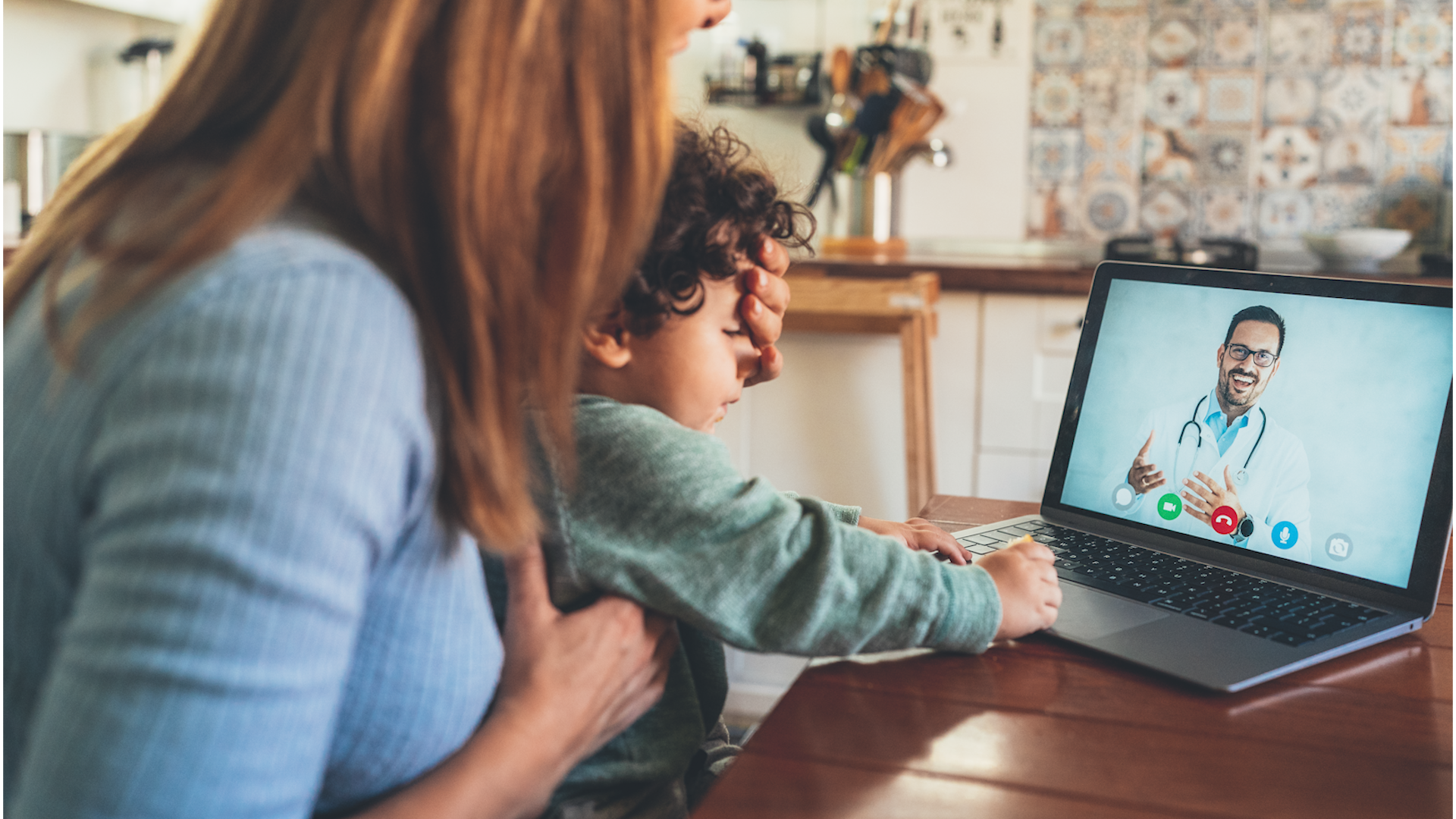
On this episode of Cheddar Reveals, Dr. Anita Gupta, Adjunct assistant professor of anesthesiology and critical care medicine at the Johns Hopkins University School of Medicine, shares her forecast for the healthcare industry in 2022; Waseem Asghar, Ph.D., Associate Professor, Department of Computer & Electrical Engineering and Computer Science, Florida Atlantic University, breaks down the latest progress, trends, and innovations in wearable health tech; Cheddar gets a look at Curiosity Stream's 'Hacking our Biome.'
Dr. Anita Gupta, Adjunct assistant professor of anesthesiology and critical care medicine at the Johns Hopkins University School of Medicine, joins Cheddar Reveals to share her forecast for the healthcare industry in 2022.
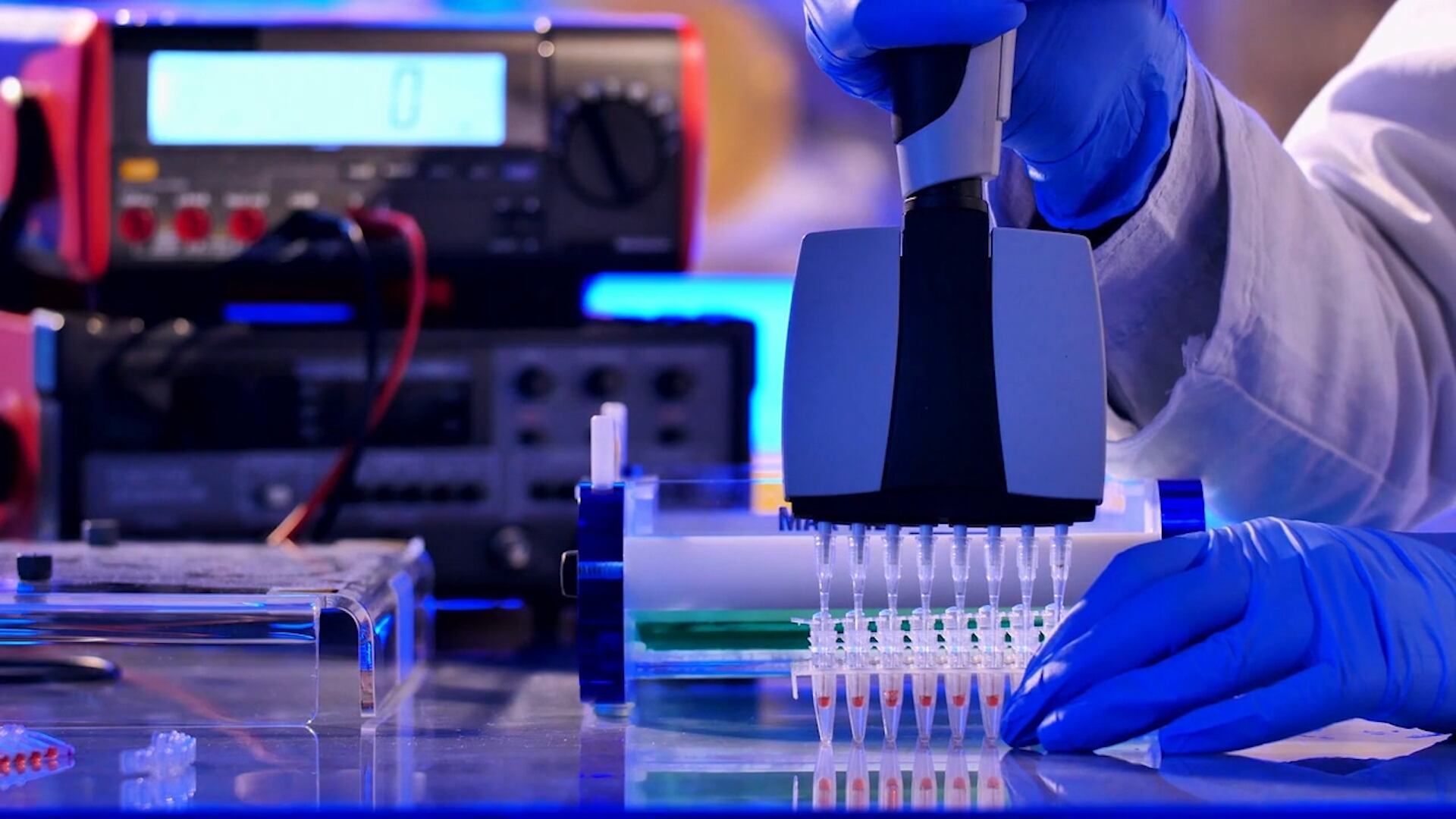
Waseem Asghar, Ph.D., Associate Professor, Department of Computer & Electrical Engineering and Computer Science, Florida Atlantic University, joins Cheddar Reveals to break down the latest progress, trends, and innovations in wearable health tech.
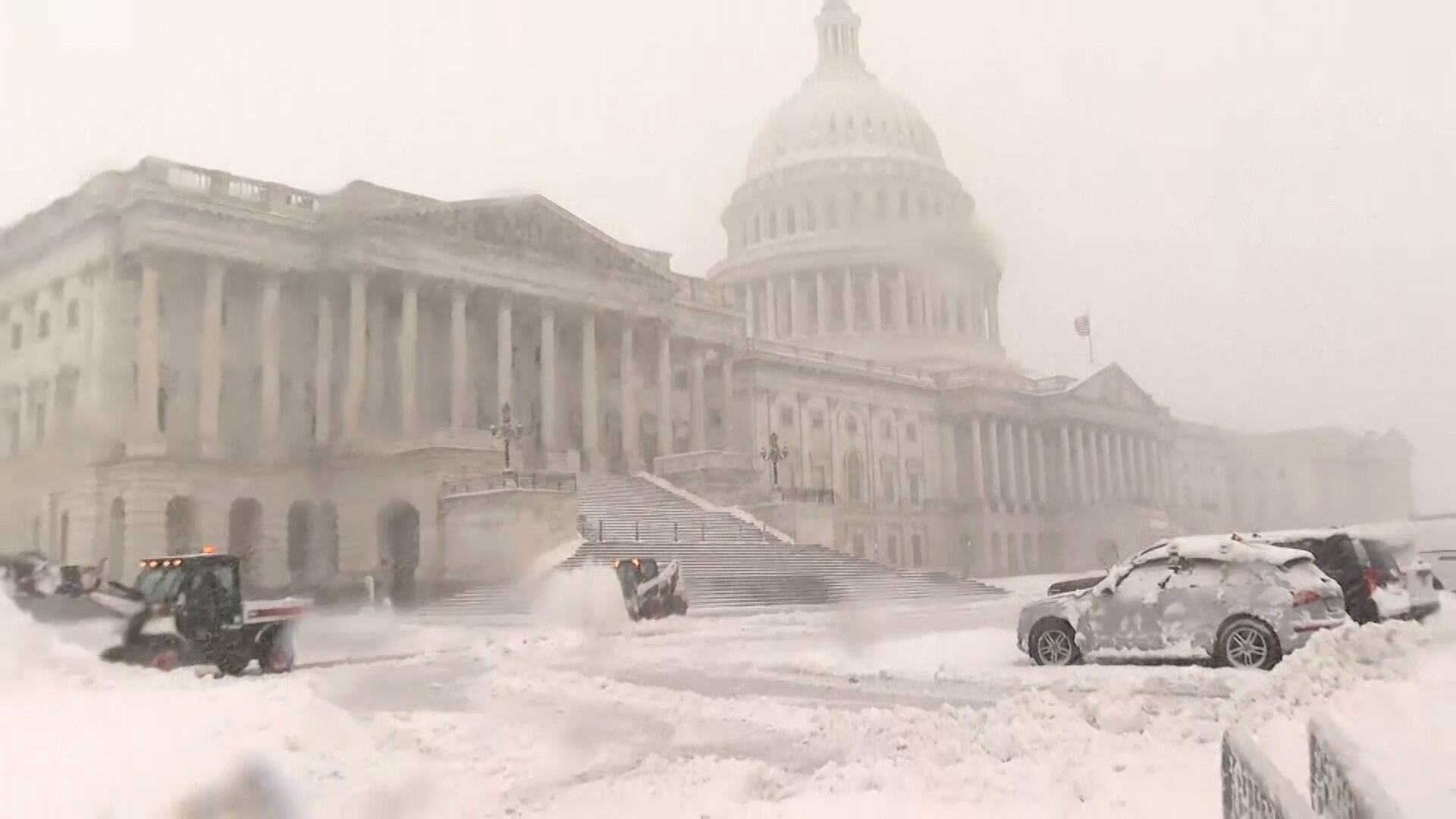
Washington DC and the surrounding areas saw a record breaking snow storm Monday as a strong storm system works its way across the eastern U.S. The extreme weather event caused extensive damage in the greater Washington area, leaving thousands in the region without power. Jonathan Porter, Chief Meteorologist, AccuWeather, joined Wake Up with Cheddar to discuss the fierce storm.
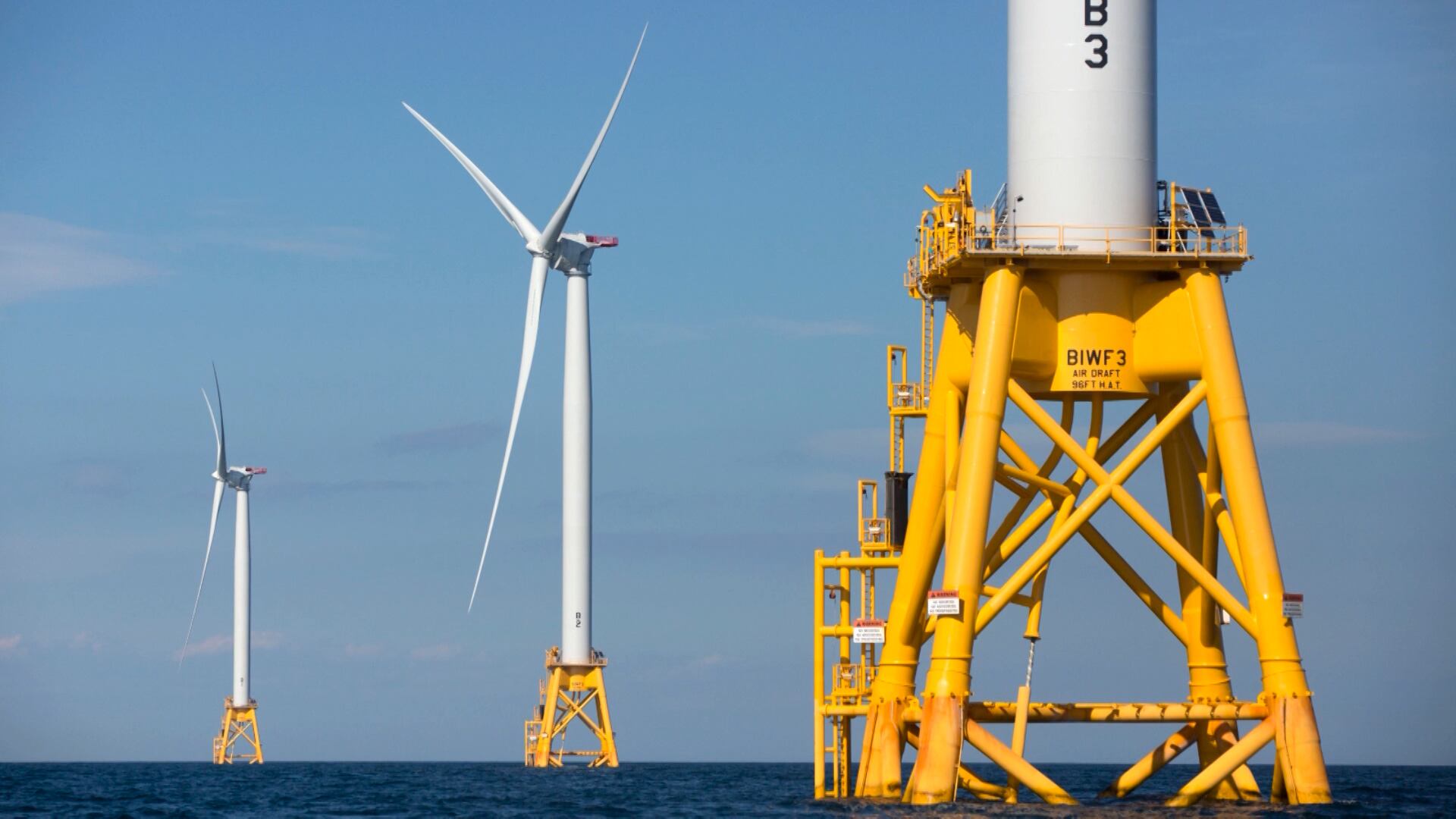
Sweta Chakraborty, U.S. President of We Don't Have Time and climate change expert, joins Cheddar News to discuss how mining the proper resources for the clean energy sector is crucial.
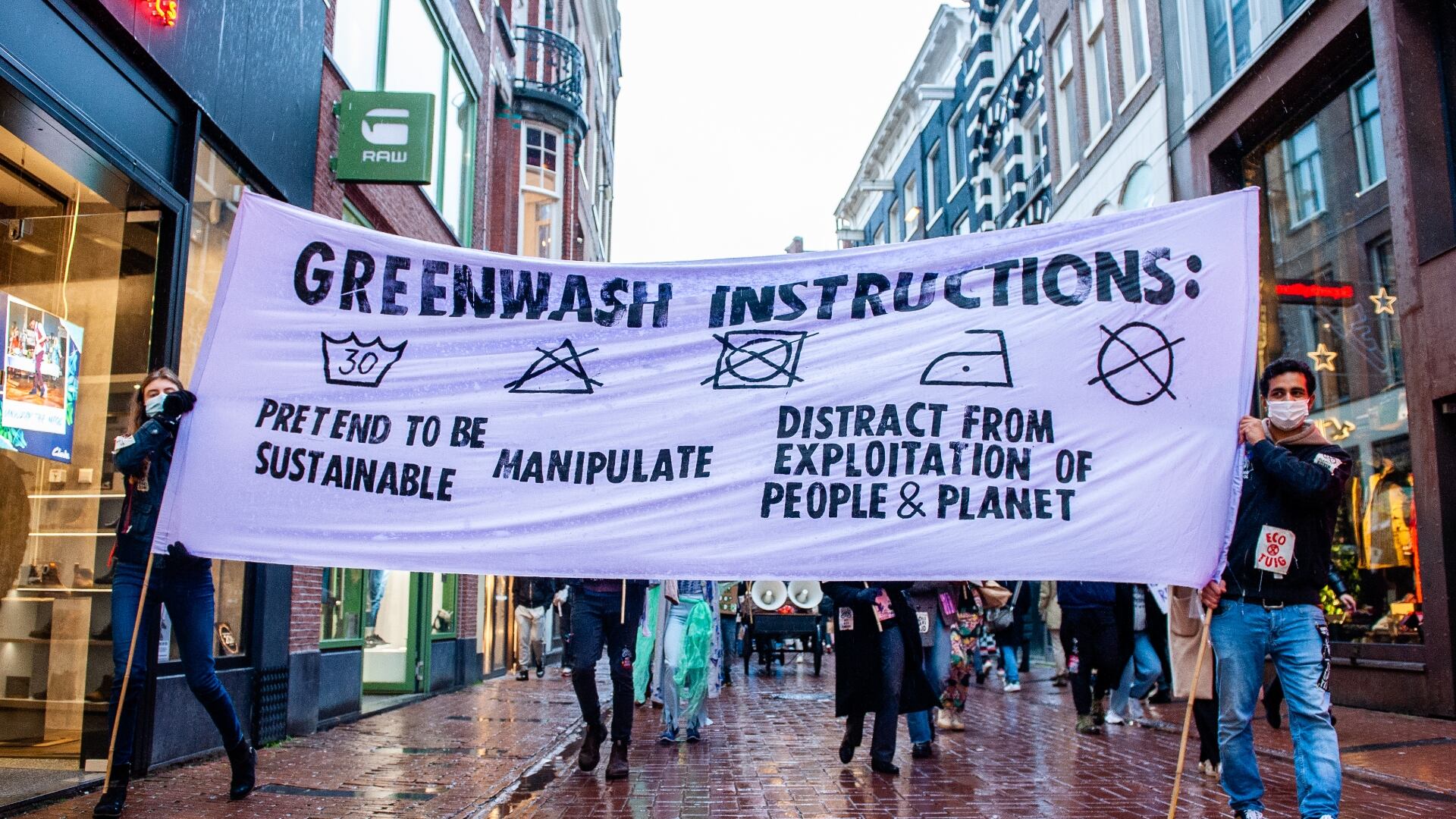
Over the past year alone, we've seen an increasing push-back on fossil fuels, legislation to reduce plastic pollution, greater protection over our worlds' forests, and a growing number of companies working to reduce total carbon footprint. To discuss the sustainability trends that defined 2021 and the changes individuals can make in 2022, J.D. Durkin is joined by Ashlee Piper, a sustainability expert and author of 'Give a Sh*t: Do Good. Live Better. Save the Planet,' joins Cheddar News.