More than four years after the 2018 Farm Bill legalized industrial hemp, the Food and Drug Administration still hasn't regulated the cannabis compound CBD — and the agency said it has no plans to.
The FDA announced in late January that it plans to defer to Congress for rulemaking over concerns that existing regulations for food and supplements don't go far enough to manage the risks of CBD. That could mean more delays.
"The FDA's existing foods and dietary supplement authorities provide only limited tools for managing many of the risks associated with CBD products. Under the law, any substance, including CBD, must meet specific safety standards to be lawfully marketed as a dietary supplement or food additive," Dr. Janet Woodcock, the FDA principal deputy commissioner, said in a statement.
Michelle Bodian, partner at cannabis-focused law firm Vicente Sederberg, said that, while disappointing for the cannabis industry, the decision is unsurprising.
"The lack of traction that's gone over in the intervening years since the first farm bill, it's led us all to conclude that this isn't something they're trying to work towards finding a pathway to regulate," she said.
CBD or cannabidiol is a non-psychoactive compound found in hemp or cannabis plants. It is technically legal if it comes from hemp and contains 0.3 percent or less of the psychoactive compound THC, but it exists in a regulatory gray area that has led to a surge in CBD-based businesses selling everything from topicals to tinctures. CBD has shown some promise for its anti-inflammatory effects, and it forms the basis of an FDA-approved drug called Epidolex that combats rare forms of epilepsy in children. But it is not the panacea that some businesses have claimed, and research shows that it isn't completely harmless.
According to the FDA, studies have shown CBD can cause possible harm to the liver and male reproductive system, as well as have negative interactions with some medications. The FDA also cautioned against exposure for pregnant people and children.
"We have not found adequate evidence to determine how much CBD can be consumed, and for how long, before causing harm. Therefore, we do not intend to pursue rulemaking allowing the use of CBD in dietary supplements or conventional foods," Woodcock said.
Aside from the possible side effects, Bodian said CBD's use in Epidiolex could be a factor in the FDA's inaction. The Food, Drug and Cosmetics Act prohibits active ingredients in prescription drugs from being used as food additives and dietary supplements. In the past, hopeful advocates predicted that FDA, Congress, or both could design regulations that permit CBD in both pharmaceutical medications and in lower potency over-the-counter formulations.
With Congress on the hook to act, odds of a speedy regulatory process look distant, especially with Republicans in charge of the House of Representatives. For now, in the absence of federal regulation, CBD businesses will be forced to continue navigating a patchwork of state-level regulations, just like in the cannabis industry.
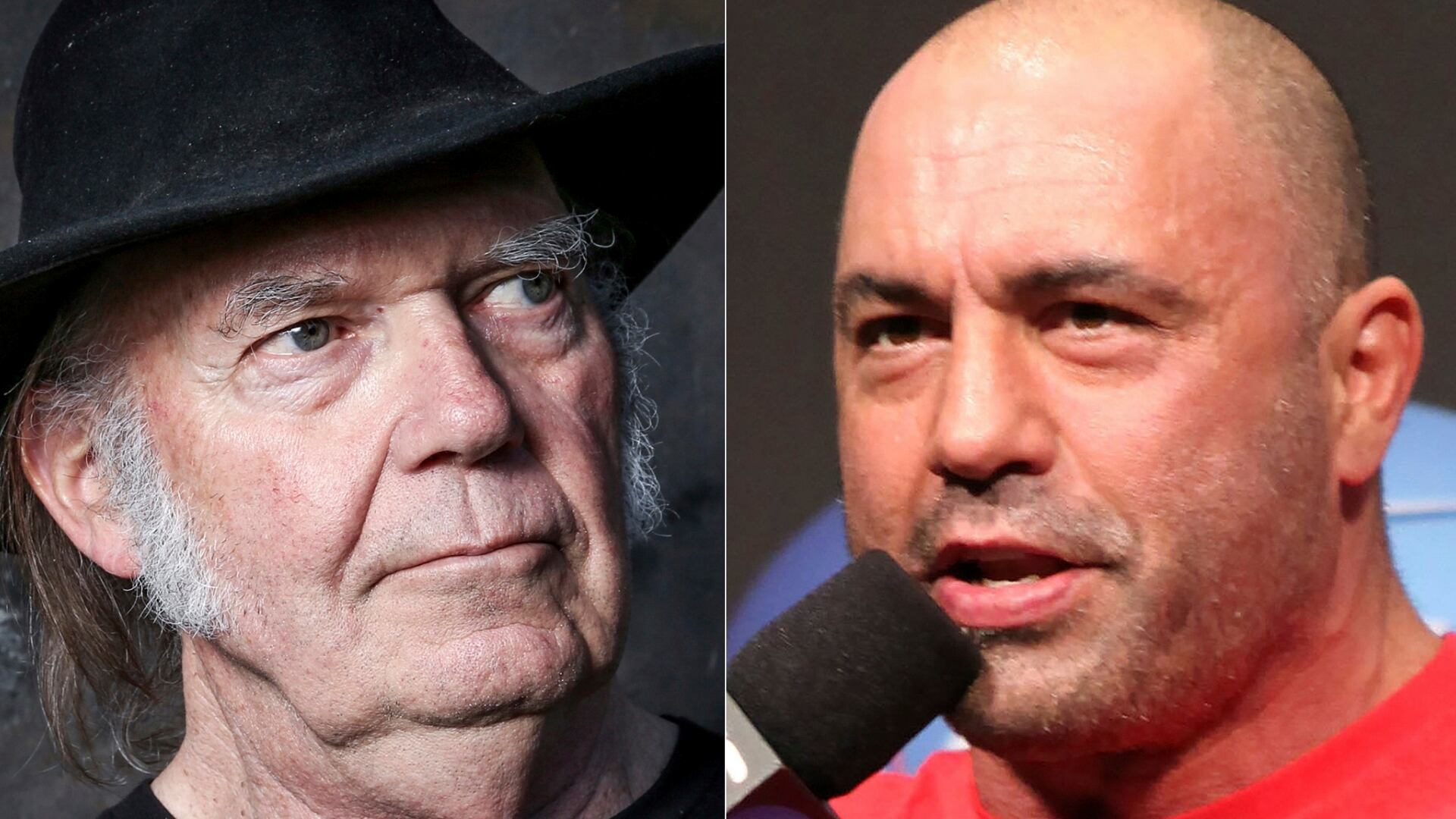
Neil Young has come up with an ultimatum for Spotify: his music or Joe Rogan’s podcast. This comes over concerns that the podcast is spreading COVID-19 vaccine misinformation to its listeners. "The Joe Rogan Experience," which is exclusive to Spotify, is currently the number one streamed podcast on the platform.
Commercial and residential buildings account for 13% of carbon emissions in the U.S., according to the EPA, and one company says it has a solution. Runwise says it has updated the boiler and heating systems of thousands of buildings, and that its technology not only lowers carbon output but also saves landlords money. Lee Hoffman, Co-Founder and COO of Runwise, joined Cheddar Climate to discuss.
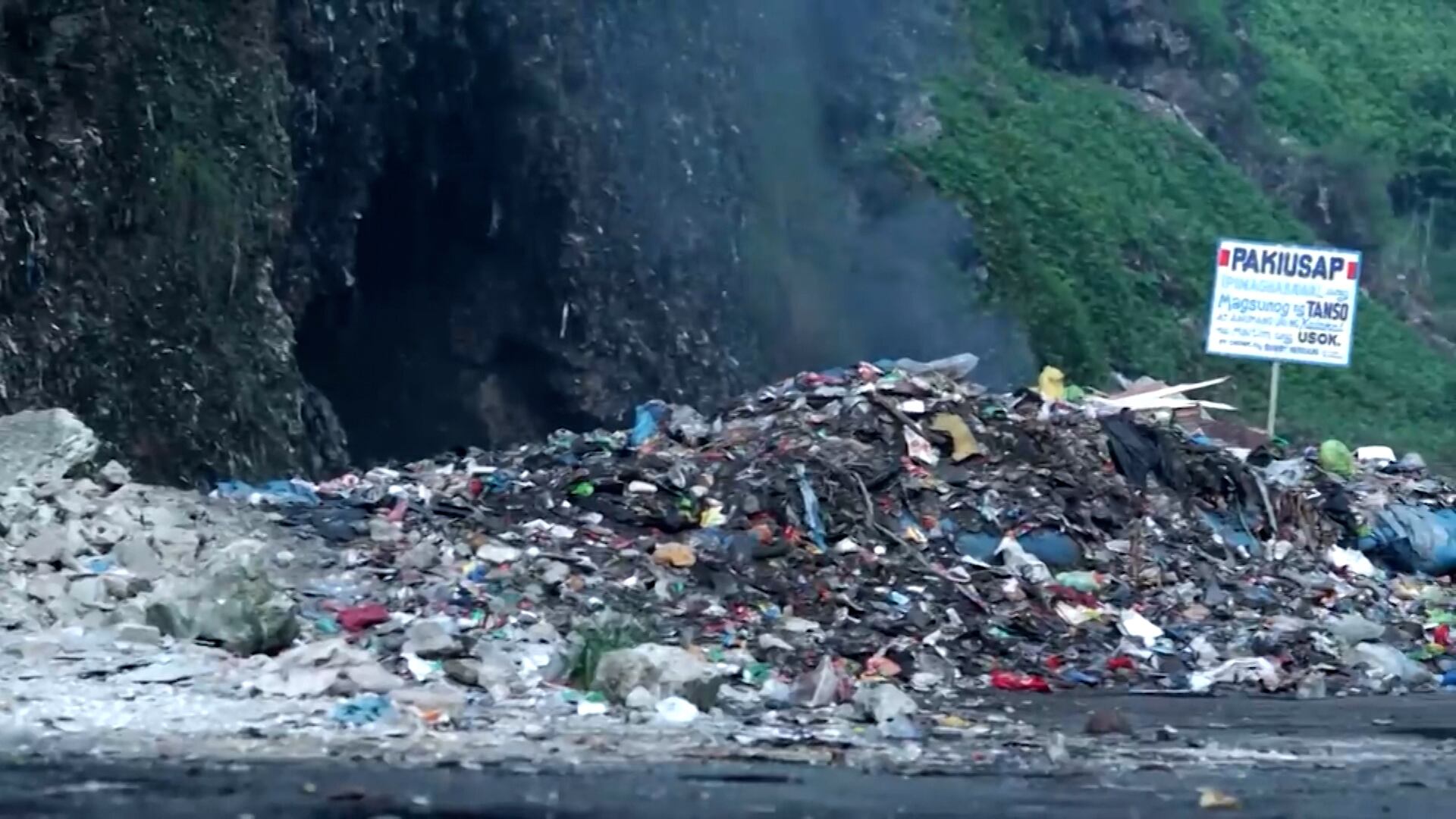
Jo Ruxton, Founder of Ocean Generation, joins Cheddar Climate, where she explains the threat that plastic pollution poses to marine life, but elaborates on why we shouldn't be looking to ban plastic entirely. Ruxton also discusses her biggest takeaways while producing the film ‘A Plastic Ocean.'
President Joe Biden's Build Back Better deal seems all but finished after months of Democratic infighting and the Senate's deadlock over certain provisions. But Biden mentioned during a press conference marking his first year in office that 'chunks' of the bill could be passed. Is that enough motivation to force Democrats to rally around certain parts of the bill - especially those that focus on climate and green energy? Andrew Freedman, Energy and Climate Reporter at Axios, joins Cheddar Climate to discuss whether Senate Democrats will be able to rally around climate provisions, if the idea of passing Build Back Better in 'chunks' is doable, and more.
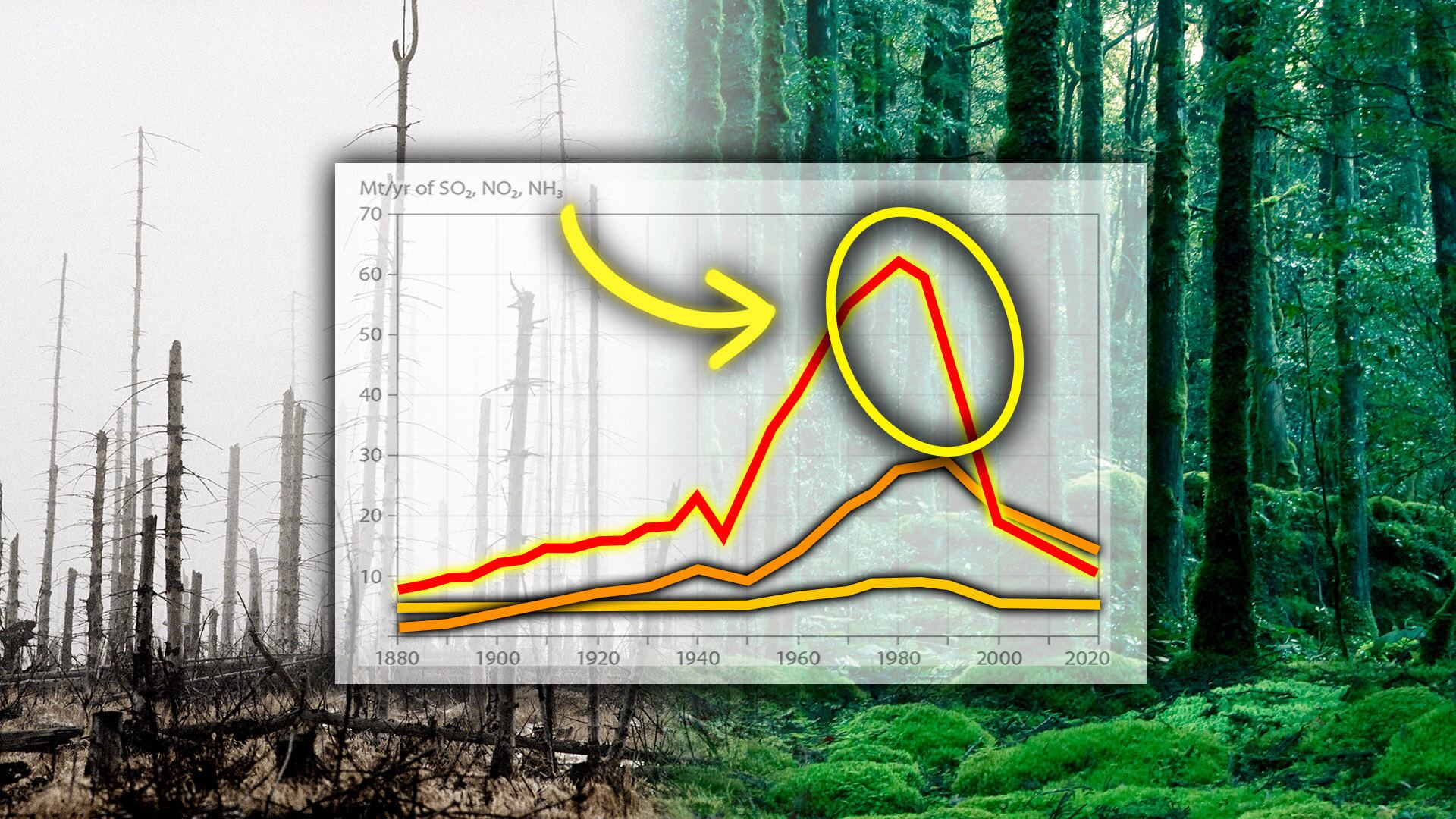
Anyone who remembers the 70s and 80s will probably remember acid rain. Industrial emissions acidified precipitation around the globe, which killed forests and crops, rendered lakes inhospitable, corroded buildings, and exacerbated human health problems.
But anyone who follows environmental news will be surprised to learn this: we solved it! Countries came together to limit acid rain-causing emissions, eliminating the problem altogether.
…kind of. Acidic precipitation may not be a thing of the past after all.
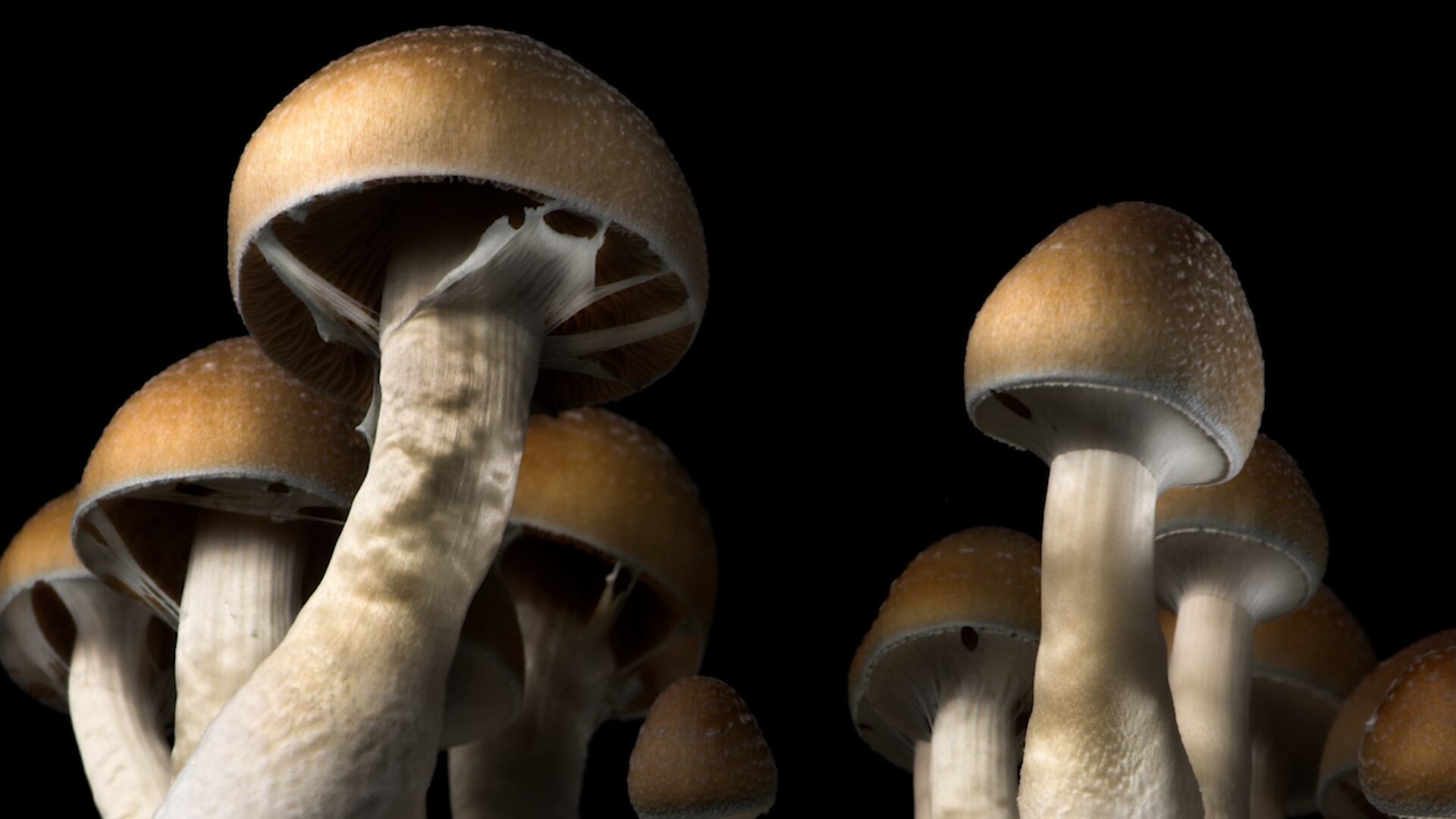
Natalie Ginsberg, Global Impact Officer, MAPS, joins Cheddar Reveals to discuss MAPS organization and its current initiatives and their work to get FDA approval for MDMA to treat PTSD.
Kelsey Ramsden, Co-Founder, President & CEO, Mind Cure Health, joins Cheddar Reveals to break down what 'psychedelic therapy' could look like once it's legalized and how Mind Cure Health is using AI to help treat everything from addiction to depression.
On this episode of Cheddar Reveals, Natalie Ginsberg, Global Impact Officer, MAPS, discusses the MAPS organization and its current initiatives and their work to get FDA approval for MDMA to treat PTSD; Kelsey Ramsden, Co-Founder, President & CEO, Mind Cure Health, breaks down what 'psychedelic therapy' could look like once it's legalized and how Mind Cure Health is using AI to help treat everything from addiction to depression; Cheddar gets a look at Curiosity Stream's 'Pain, Pus and Poison.'