More than four years after the 2018 Farm Bill legalized industrial hemp, the Food and Drug Administration still hasn't regulated the cannabis compound CBD — and the agency said it has no plans to.
The FDA announced in late January that it plans to defer to Congress for rulemaking over concerns that existing regulations for food and supplements don't go far enough to manage the risks of CBD. That could mean more delays.
"The FDA's existing foods and dietary supplement authorities provide only limited tools for managing many of the risks associated with CBD products. Under the law, any substance, including CBD, must meet specific safety standards to be lawfully marketed as a dietary supplement or food additive," Dr. Janet Woodcock, the FDA principal deputy commissioner, said in a statement.
Michelle Bodian, partner at cannabis-focused law firm Vicente Sederberg, said that, while disappointing for the cannabis industry, the decision is unsurprising.
"The lack of traction that's gone over in the intervening years since the first farm bill, it's led us all to conclude that this isn't something they're trying to work towards finding a pathway to regulate," she said.
CBD or cannabidiol is a non-psychoactive compound found in hemp or cannabis plants. It is technically legal if it comes from hemp and contains 0.3 percent or less of the psychoactive compound THC, but it exists in a regulatory gray area that has led to a surge in CBD-based businesses selling everything from topicals to tinctures. CBD has shown some promise for its anti-inflammatory effects, and it forms the basis of an FDA-approved drug called Epidolex that combats rare forms of epilepsy in children. But it is not the panacea that some businesses have claimed, and research shows that it isn't completely harmless.
According to the FDA, studies have shown CBD can cause possible harm to the liver and male reproductive system, as well as have negative interactions with some medications. The FDA also cautioned against exposure for pregnant people and children.
"We have not found adequate evidence to determine how much CBD can be consumed, and for how long, before causing harm. Therefore, we do not intend to pursue rulemaking allowing the use of CBD in dietary supplements or conventional foods," Woodcock said.
Aside from the possible side effects, Bodian said CBD's use in Epidiolex could be a factor in the FDA's inaction. The Food, Drug and Cosmetics Act prohibits active ingredients in prescription drugs from being used as food additives and dietary supplements. In the past, hopeful advocates predicted that FDA, Congress, or both could design regulations that permit CBD in both pharmaceutical medications and in lower potency over-the-counter formulations.
With Congress on the hook to act, odds of a speedy regulatory process look distant, especially with Republicans in charge of the House of Representatives. For now, in the absence of federal regulation, CBD businesses will be forced to continue navigating a patchwork of state-level regulations, just like in the cannabis industry.
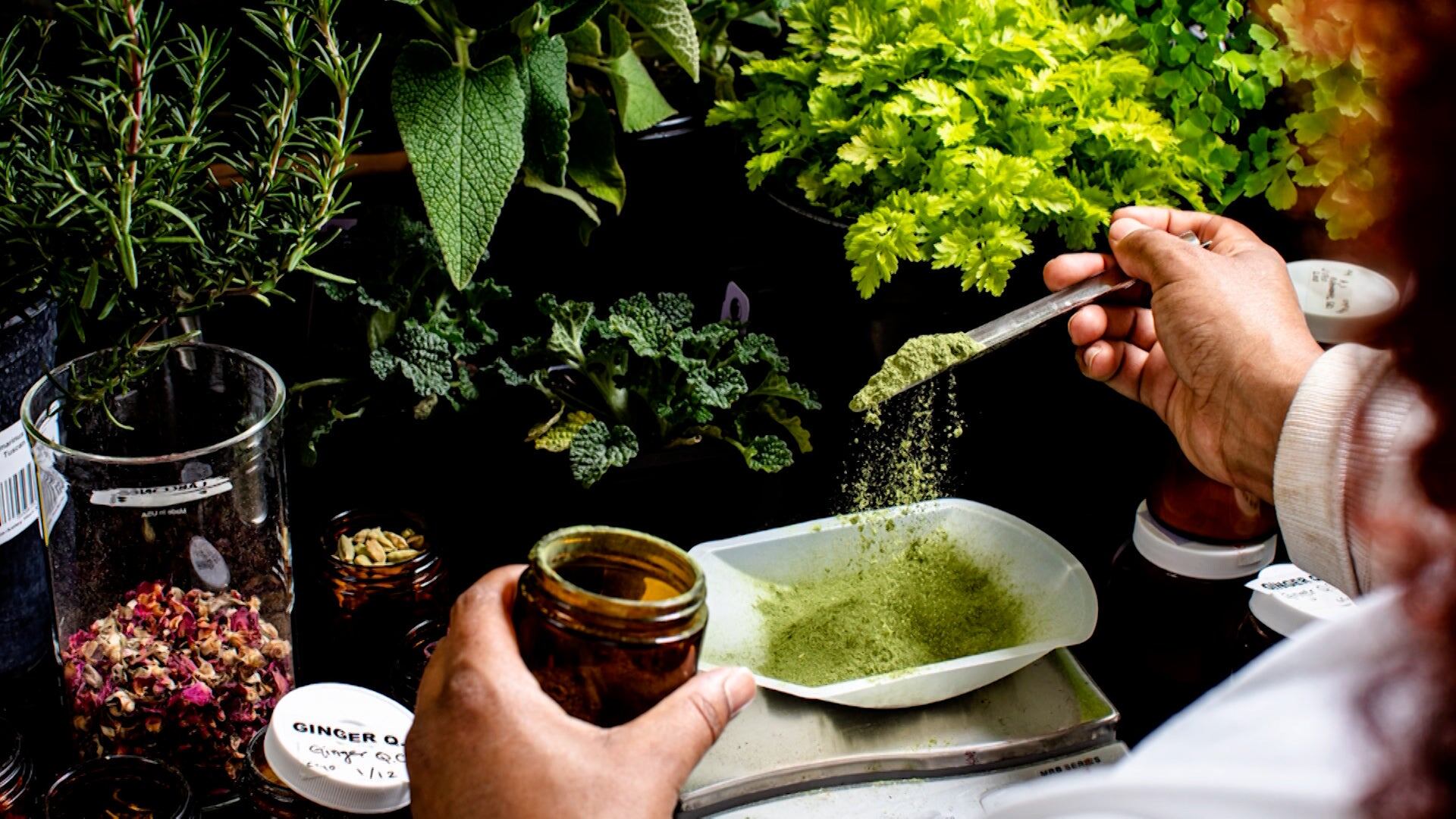
Brightseed Co-Founder Sofia Elizondo breaks down what plant bioactives are, and how they're using the latest technology to study human's biological connections with plants.
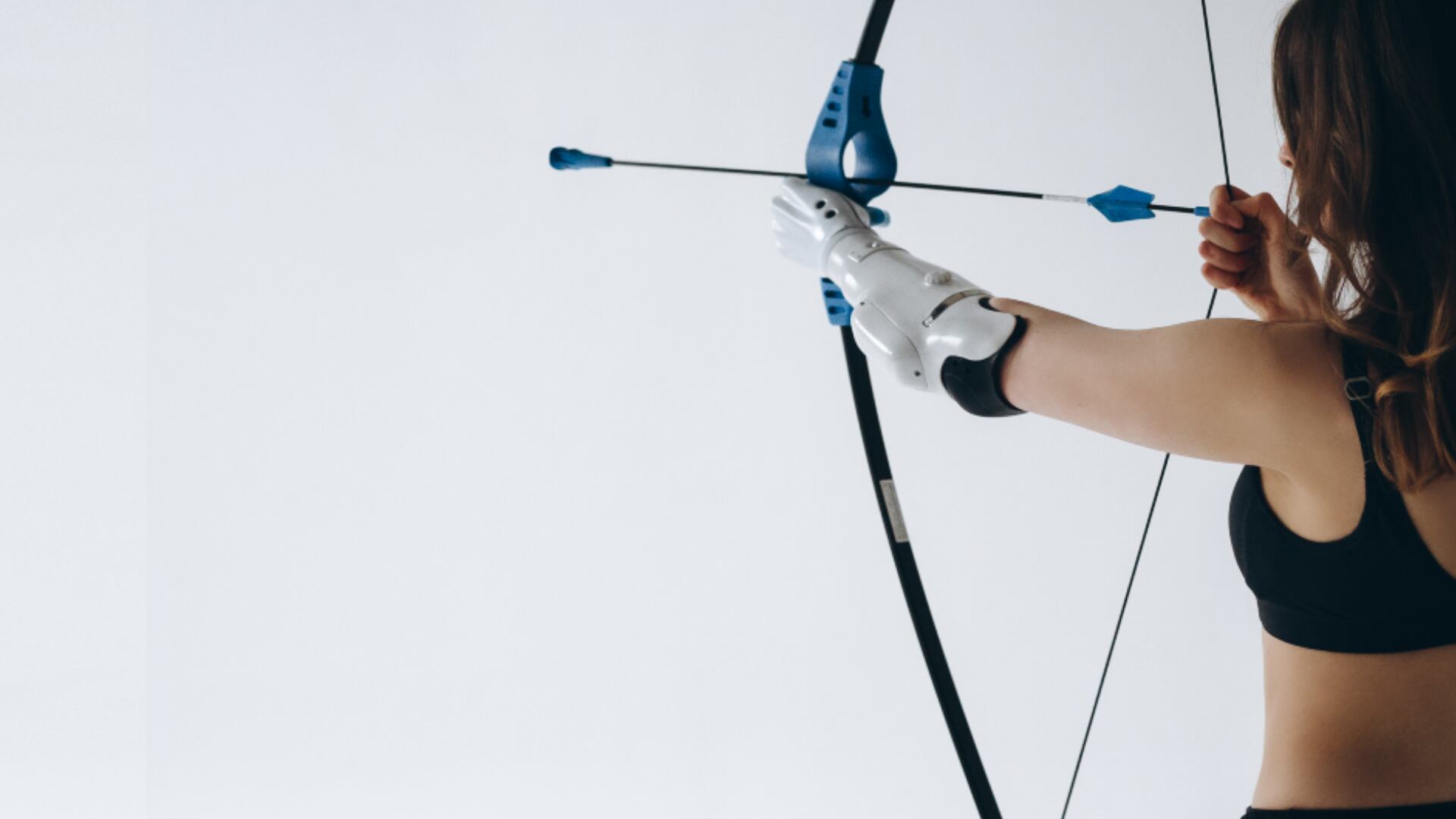
On this episode of Cheddar Innovates: Brightseed Co-Founder breaks down what plant bioactives are, and how they're using the latest technology to study human's biological connections with plants; Esper Bionics CEO breaks down how they re creating a mind-controlled bionic hand that guest smarter the more you use it; Cheddar gets a look at Curiosity Stream's 'Capturing A Black Hole In Our Milky Way.'
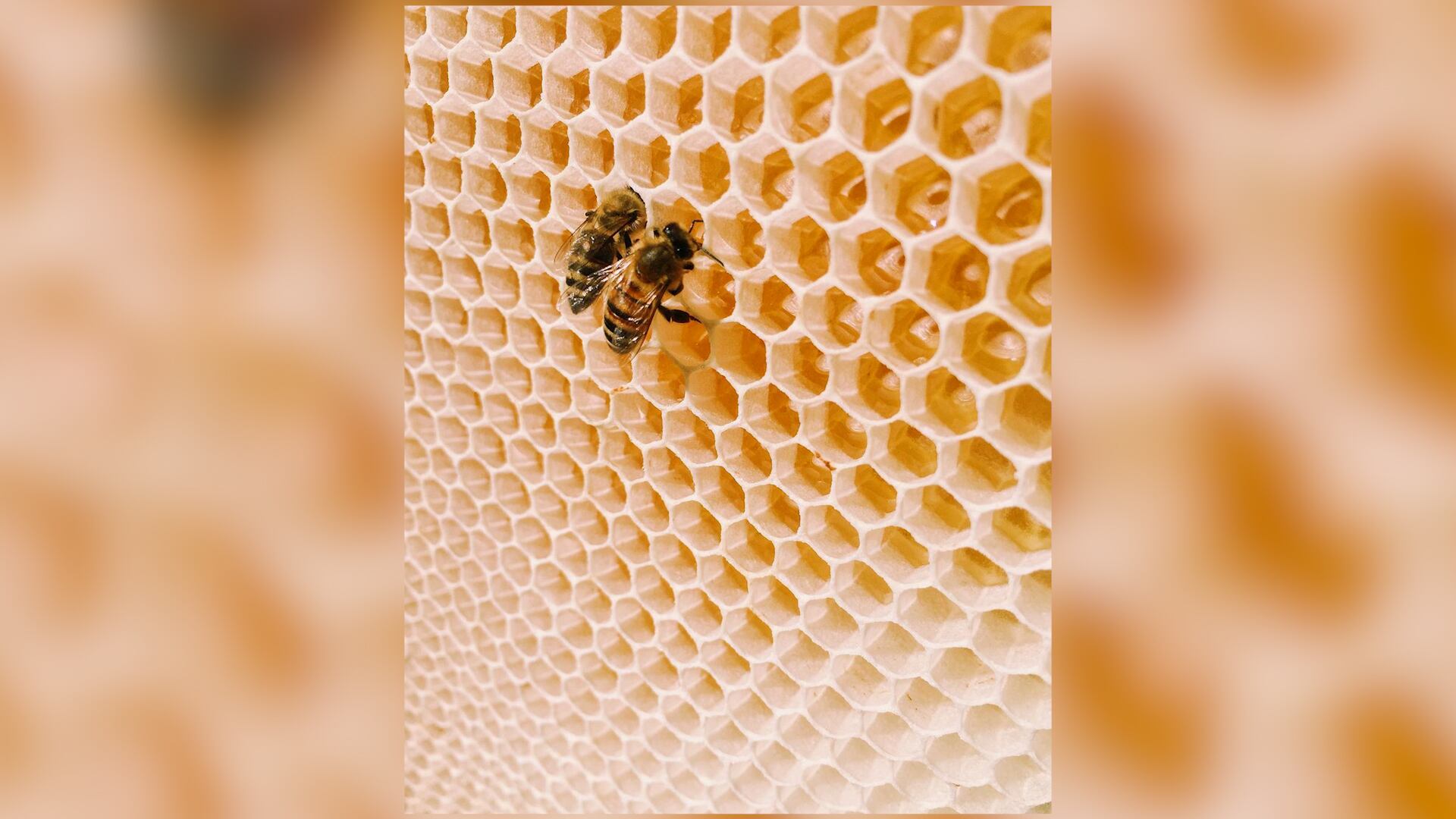
Hilary Kearney, Founder of Girl Next Door Honey, joined Closing Bell to discuss her partnership with Comvita to save the important pollinators, as bee colonies are on the decline across the United States.
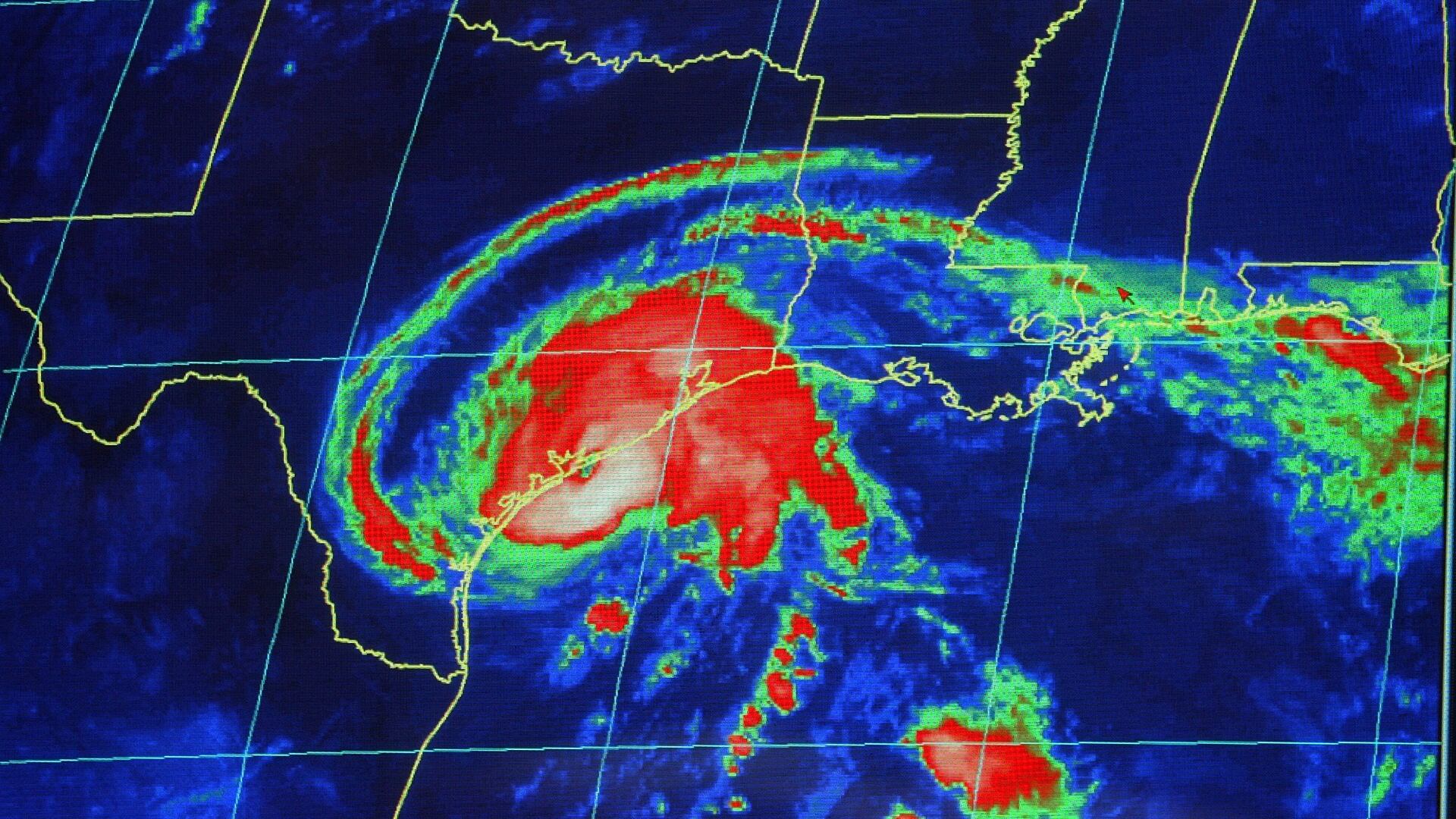
Hurricane climatologist Jill Trepanier joined Cheddar News to discuss NOAA's announced prediction for an above-normal hurricane season and what it might mean for people in the United States. "I think it's important that people who maybe haven't been used to having extreme weather events related to say tropical cycles and tropical systems, like thinking New Jersey, Northeastern seaboard, that area may get more action than they're used to in the past," she said.
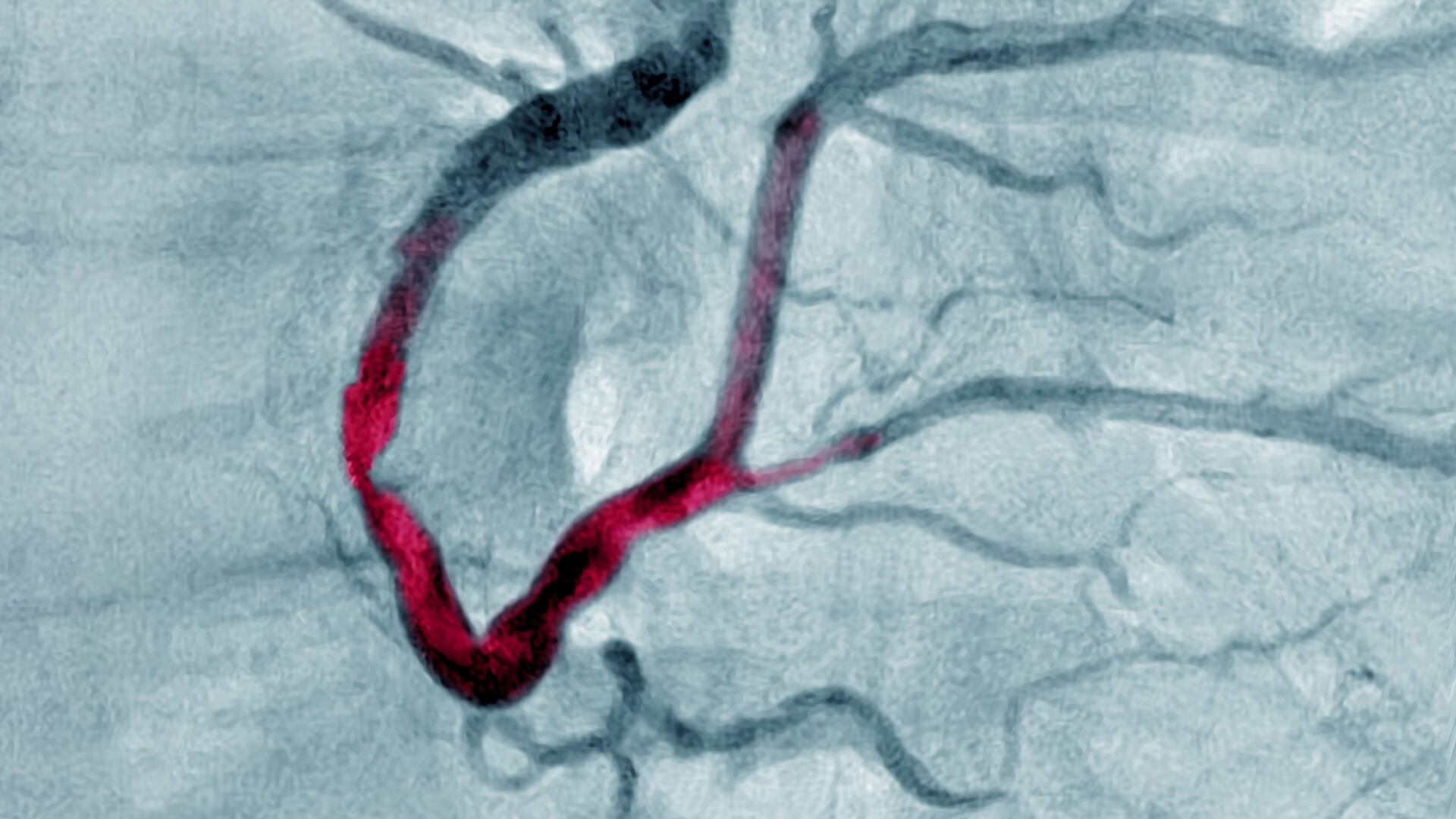
Dr. Jarrad Aguirre, Co-Founder and CEO of Miga Health, joins Cheddar News' Closing Bell, where he says his company is looking to establish the future of heart health and points to how 80% of premature heart attacks and strokes are preventable.
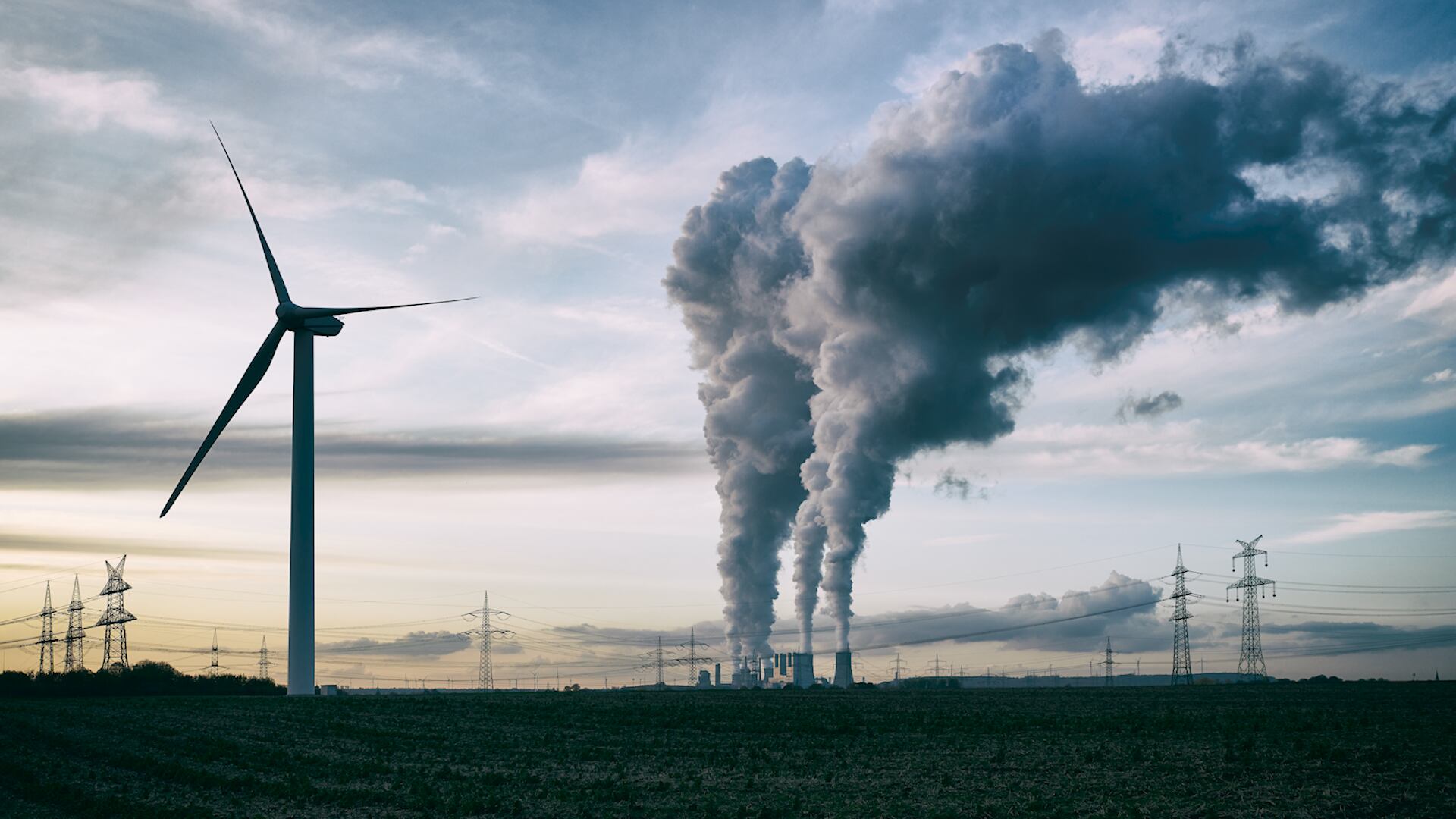
On this episode of Cheddar Reveals, David Keith, Professor of Applied Physics at the Harvard School of Engineering and Applied Sciences and Professor of Public Policy at the Harvard Kennedy School, and founder of Carbon Engineering outlines the viability of solar geoengineering as a solution to help reverse the effects of global warming; Lena Geraghty, Sustainability & Urban Innovation Director at National League of Cities, discusses which U.S. cities are safest from global warming and how the real estate market will be impacted from the effects of climate change; Cheddar gets a look at Curiosity Stream's 'Changing Ocean Asia.'
David Keith, Professor of Applied Physics at the Harvard School of Engineering and Applied Sciences and Professor of Public Policy at the Harvard Kennedy School, and founder of Carbon Engineering joins Cheddar Reveals to outline the viability of solar geoengineering as a solution to help reverse the effects of global warming.
Lena Geraghty, Sustainability & Urban Innovation Director at National League of Cities, joins Cheddar News to discuss which U.S. cities are safest from global warming and how the real estate market will be impacted from the effects of climate change.
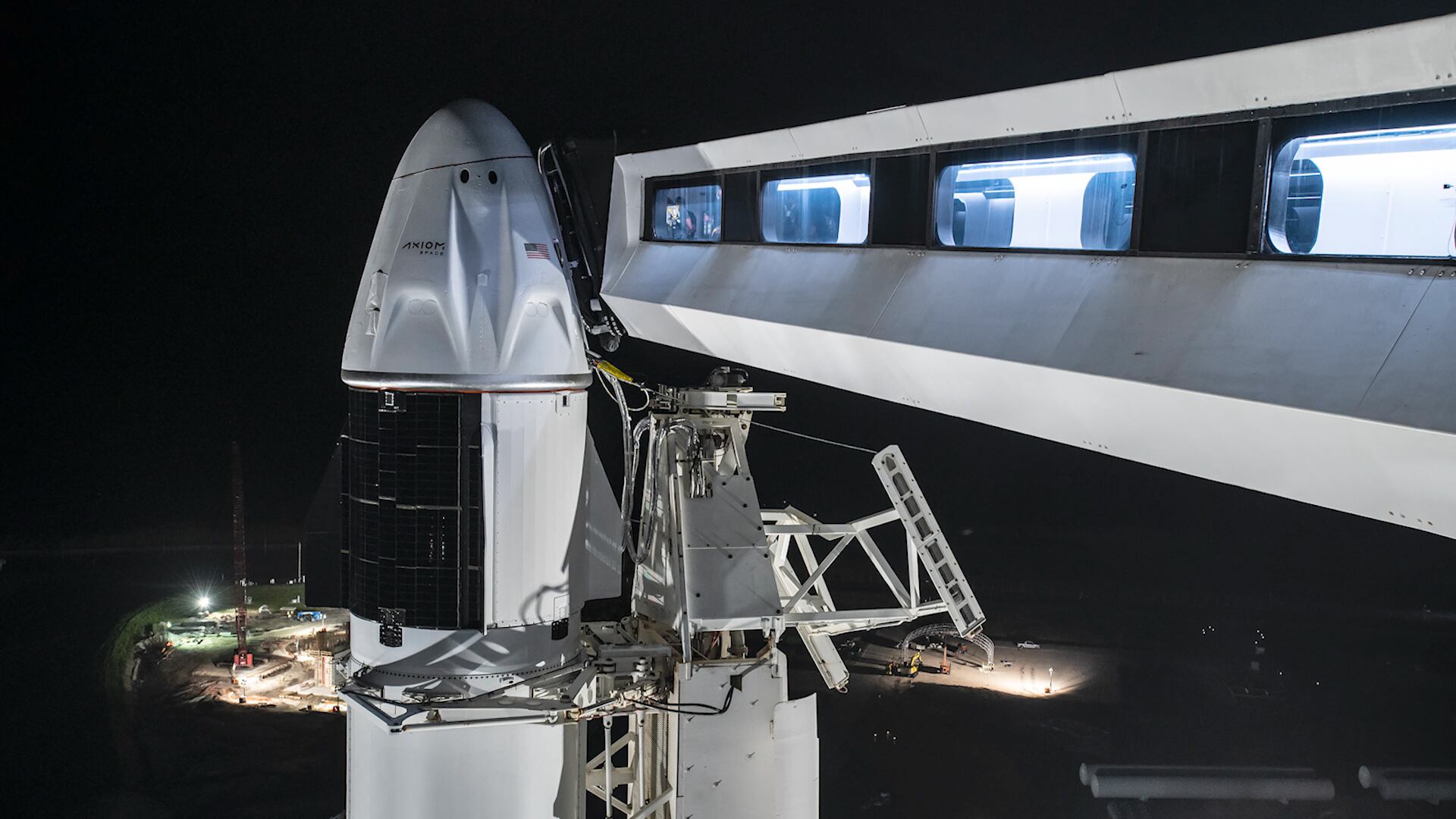
Peggy Whitson, Director of Human Space Flight, Axiom Space, joins Cheddar Innovates to discuss Axiom's involvement in the first fully-private mission to the ISS, and her experience spending 665 days in space.
On this episode of Cheddar Innovates, Peggy Whitson, Director of Human Space Flight, Axiom Space, breaks down Axiom's involvement in the first fully-private mission to the ISS, and her experience spending 665 days in space; William Li and Danielle Chang, co-founders of The Hao Life, discuss how they're shaking up the $71 billion supplement industry by putting a modern spin on traditional natural Chinese remedies; Cheddar gets a look at Curiosity Stream's 'Sagrada Familia: Gaudi's Challenge.'