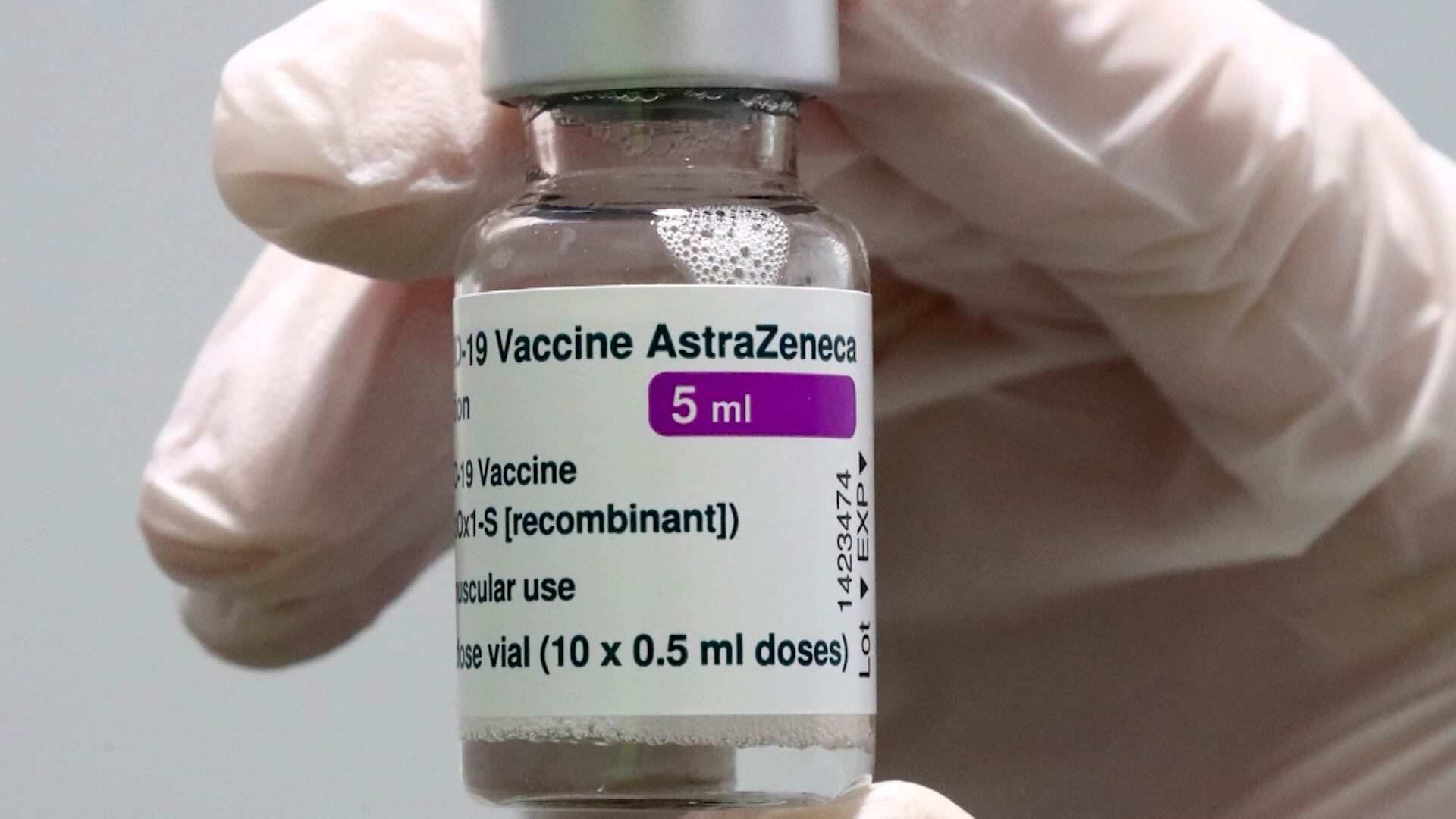
The U.S. moved a step closer to expanding COVID-19 vaccinations for millions more children as a panel of government advisers on Tuesday endorsed kid-size doses of Pfizer's shots for 5- to 11-year-olds.
A Food and Drug Administration advisory panel voted unanimously, with one abstention, that the vaccine’s benefits in preventing COVID-19 in that age group outweigh any potential risks — including a heart-related side effect that's been very rare in teens and young adults despite their use of a much higher shot dose.
While children are at lower risk of severe COVID-19 than older people, ultimately many panelists decided it's important to give parents the choice to protect their youngsters — especially those at high risk of illness or who live in places where other precautions, like masks in schools, aren't being used.
The virus is “not going away. We have to find a way to live with it and I think the vaccines give us a way to do that,” said FDA adviser Jeannette Lee of the University of Arkansas.
“I do think it’s a relatively close call,” said adviser Dr. Eric Rubin of Harvard University. “It’s really going to be a question of what the prevailing conditions are but we’re never going to learn about how safe this vaccine is unless we start giving it.”
The FDA isn’t bound by the panel’s recommendation and is expected to make its own decision within days.
If the FDA authorizes the kid-size doses, there’s still another step: Next week, the Centers for Disease Control and Prevention will have to decide whether to recommend the shots and which youngsters should get them.
Full-strength shots made by Pfizer and its partner BioNTech already are recommended for everyone 12 and older but pediatricians and many parents are clamoring for protection for younger children. The extra-contagious delta variant has caused an alarming rise in pediatric infections -- and families are frustrated with school quarantines and having to say no to sleepovers and other rites of childhood to keep the virus at bay.
States are getting ready to roll out shots for little arms -- in special orange-capped vials to distinguish them from adult vaccine -- as soon as the government gives the OK. More than 25,000 pediatricians and other primary care providers have signed up so far to offer vaccination.
While there is less COVID-19 among 5- to 11-year-olds, they still have faced substantial illness -- including over 8,300 hospitalizations reported, about a third requiring intensive care, and nearly 100 deaths.
A study of elementary schoolchildren found the Pfizer shots are nearly 91% effective at preventing symptomatic infection -- even though the youngsters received just a third of the dose given to teens and adults.
Pfizer’s study tracked 2,268 children ages 5 to 11 who got two shots three weeks apart of either a placebo or the kid dose. Vaccinated youngsters developed levels of virus-fighting antibodies just as strong as teens and young adults who got the full-strength shots.
The kid dosage also proved safe, with similar or fewer temporary side effects — such as sore arms, fever or achiness — that teens experience. At FDA’s request, Pfizer more recently enrolled another 2,300 youngsters into the study, and preliminary safety data has shown no red flags.
The study isn’t large enough to detect any extremely rare side effects, such as the heart inflammation that occasionally occurs after the second dose, mostly in young men and teen boys.
Statistical models developed by FDA scientists showed that in most scenarios of the continuing pandemic, the vaccine would prevent far more COVID-19 hospitalizations in this age group than would potentially be caused by that very rare side effect, heart inflammation, that's the big unknown.
But with cases falling across the U.S., the FDA panel had to consider whether the pandemic might recede so much that more children could face side effects from the vaccine than would be protected from COVID-19.
“If the trends continue the way they are going then the emergency for children is not what we might think it might be,” said Dr. James Hildreth of Meharry Medical College.
Moderna also is studying its vaccine in young children, and Pfizer has additional studies underway in those younger than 5.
___
The Associated Press Health and Science Department receives support from the Howard Hughes Medical Institute’s Department of Science Education. The AP is solely responsible for all content.
Updated on October 26, 2021, at 5:21 p.m. ET with additional details.
Blue Origin launched its third manned mission over the weekend with 'Good Morning America' host Michael Strahan and Laura Shepard Churchley, daughter of astronaut Alan Shepard on board, alongside several Blue Origin investors.
This comes after the spaceflight firm launched two successful missions to the edge of space earlier this year. How will these missions set up Blue Origin for success as it competes with SpaceX and other companies for space tourism domination and more? Joey Roulette, space reporter at The New York Times, joins Cheddar News' Closing Bell to discuss.
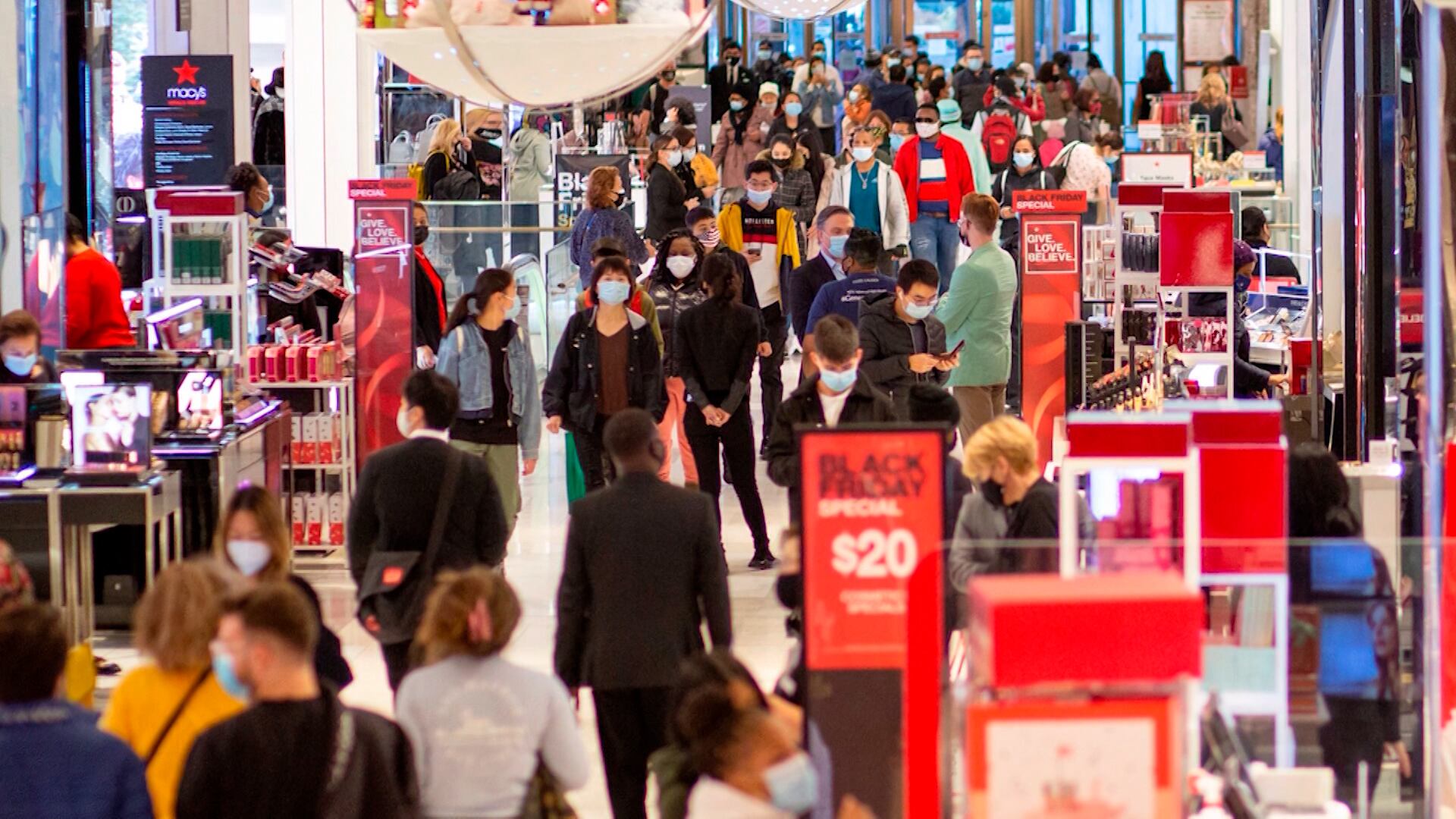
If there's any question about whether inflation is here to stay, today's November consumer price index data gives us an answer. This is the second month in a row we've seen a hot inflation reading — CPI last month rose to 6.8%, after jumping to 6.2% in October. Amid the holiday shopping season, what does this mean for consumers? And how will the Federal Reserve move forward after previously announcing it would speed up its asset taper timeline? Art Hogan, Chief Market Strategist at National Securities, joins Cheddar News' Closing Bell to discuss November's CPI jump, where consumers are hurting the most, what the Fed could do to help ease inflation, and more.
Editorial and stock photo provider Getty Images is gearing up to make its public debut via a SPAC merger with CC Neuberger Principal Holdings II bringing it to a $4.8 billion valuation. CEO Craig Peters joined Cheddar to break down the decision to go public and noted that the merger will help to pay down debt. "That's going to really enable a lot of additional free cash flow and financial flexibility into the business," he noted. "That's just going to allow us to just invest more aggressively into the business to accelerate what is already accelerating growth." Peters also discussed the legacy image platform's place going forward in the expanding world of digital assets like NFTs and the metaverse.
Ben Schiller, the managing editor for features and opinion at CoinDesk, breaks down how the year's top 10 crypto influencers were selected and what to expect from the blockchain ecosystem, especially the growth of NFTs, in 2022. "This whole crypto story has become not just a story about money or the future of money," he said. "It's also become a cultural story where it's getting into gaming, it's getting into artwork, into collectibles, and all kinds of cultural categories it wasn't in before." Schiller noted that he expects the U.S. and other world governments to establish crypto regulations in the coming year.
Ford said it will ramp up production for its Mustang Mach-E as demand for the electric vehicle surges. The automaker expects to sell upwards of 200,000 annually by 2023.
Mina Makar, senior vice president of respiratory and immunology, Astrazeneca, joined Cheddar to discuss the FDA's decision to give emergency use authorization to the pharma giant's COVID-19 antibody treatment called Evusheld for immunocompromised patients For about 2 percent of the U.S. Makar noted that the injection is supposed to provide antibody protection for those who can't generate their own adequate immune response via the vaccines for a minimum of six months, though long-term trials are underway.
The pandemic has forced corporate America to reshape itself to adapt, including onboarding doctors as chief medical officers to help maintain the health and safety of staff. Dr. Geeta Nayyar, chief medical officer at Salesforce, joined Cheddar to break down her role and how it has become relevant and necessary in the evolving workplace. "Every business today is now in the business of healthcare," she said. "It is a priority to empower employees to then serve your customers."
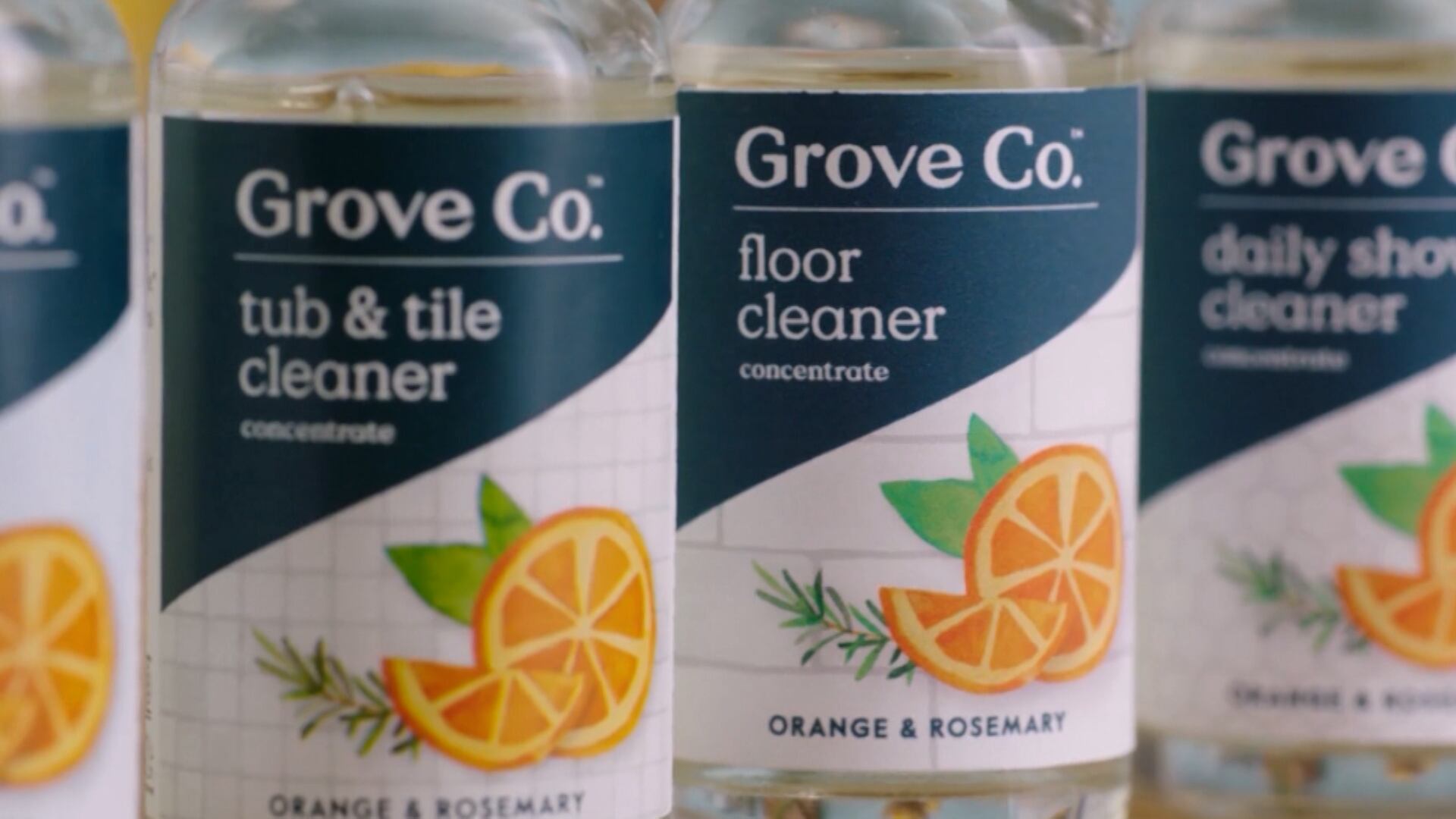
Sustainable consumer products maker Grove Collaborative is gearing up to launch an IPO via a SPAC merger with Richard Branson's Virgin Group Acquisition Corp II. Stuart Landesberg, CEO and co-founder of Grove Collaborative, talked to Cheddar's Kristen Scholer about going public through the merger and aligning with a partner he felt also prioritizes climate. "What this partnership will mean is that we're able to expand the assortment and innovations that we bring to market in products that work just as well as the conventionals and market leaders but have a significantly different environmental profile," Landesberg said.
Cuy Sheffield, head of crypto at Visa, joined Cheddar's "Closing Bell" to talk about Visa's commitment and the partnerships the company has established to make crypto a conventional form of currency. He noted that banks are becoming more receptive to digital currency as their customers move portions of money to crypto platforms and also explained steps Visa is taking to make them more climate conscious.