By Lauran Neergaard and Matthew Perrone

The U.S. moved a step closer to expanding COVID-19 vaccinations for millions more children as a panel of government advisers on Tuesday endorsed kid-size doses of Pfizer's shots for 5- to 11-year-olds.

A Food and Drug Administration advisory panel voted unanimously, with one abstention, that the vaccine’s benefits in preventing COVID-19 in that age group outweigh any potential risks — including a heart-related side effect that's been very rare in teens and young adults despite their use of a much higher shot dose.

While children are at lower risk of severe COVID-19 than older people, ultimately many panelists decided it's important to give parents the choice to protect their youngsters — especially those at high risk of illness or who live in places where other precautions, like masks in schools, aren't being used.

The virus is “not going away. We have to find a way to live with it and I think the vaccines give us a way to do that,” said FDA adviser Jeannette Lee of the University of Arkansas.

“I do think it’s a relatively close call,” said adviser Dr. Eric Rubin of Harvard University. “It’s really going to be a question of what the prevailing conditions are but we’re never going to learn about how safe this vaccine is unless we start giving it.”

The FDA isn’t bound by the panel’s recommendation and is expected to make its own decision within days.

If the FDA authorizes the kid-size doses, there’s still another step: Next week, the Centers for Disease Control and Prevention will have to decide whether to recommend the shots and which youngsters should get them.

Full-strength shots made by Pfizer and its partner BioNTech already are recommended for everyone 12 and older but pediatricians and many parents are clamoring for protection for younger children. The extra-contagious delta variant has caused an alarming rise in pediatric infections -- and families are frustrated with school quarantines and having to say no to sleepovers and other rites of childhood to keep the virus at bay.

States are getting ready to roll out shots for little arms -- in special orange-capped vials to distinguish them from adult vaccine -- as soon as the government gives the OK. More than 25,000 pediatricians and other primary care providers have signed up so far to offer vaccination.

While there is less COVID-19 among 5- to 11-year-olds, they still have faced substantial illness -- including over 8,300 hospitalizations reported, about a third requiring intensive care, and nearly 100 deaths.

A study of elementary schoolchildren found the Pfizer shots are nearly 91% effective at preventing symptomatic infection -- even though the youngsters received just a third of the dose given to teens and adults.

Pfizer’s study tracked 2,268 children ages 5 to 11 who got two shots three weeks apart of either a placebo or the kid dose. Vaccinated youngsters developed levels of virus-fighting antibodies just as strong as teens and young adults who got the full-strength shots.

The kid dosage also proved safe, with similar or fewer temporary side effects — such as sore arms, fever or achiness — that teens experience. At FDA’s request, Pfizer more recently enrolled another 2,300 youngsters into the study, and preliminary safety data has shown no red flags.

The study isn’t large enough to detect any extremely rare side effects, such as the heart inflammation that occasionally occurs after the second dose, mostly in young men and teen boys.

Statistical models developed by FDA scientists showed that in most scenarios of the continuing pandemic, the vaccine would prevent far more COVID-19 hospitalizations in this age group than would potentially be caused by that very rare side effect, heart inflammation, that's the big unknown.

But with cases falling across the U.S., the FDA panel had to consider whether the pandemic might recede so much that more children could face side effects from the vaccine than would be protected from COVID-19.

“If the trends continue the way they are going then the emergency for children is not what we might think it might be,” said Dr. James Hildreth of Meharry Medical College.

Moderna also is studying its vaccine in young children, and Pfizer has additional studies underway in those younger than 5.

___

The Associated Press Health and Science Department receives support from the Howard Hughes Medical Institute’s Department of Science Education. The AP is solely responsible for all content.

Updated on October 26, 2021, at 5:21 p.m. ET with additional details.

Share:
More In Business
Samsung, Micron Warn of Delayed Chip Production Due to Xi'an Lockdown
Daniel Newman, Founding Partner and Principal Analyst at Futurum Research, joins Cheddar News' Closing Bell, where he says the markets are going to feel very uncomfortable receiving news of more potential setbacks for chip manufacturers after already enduring a lengthy chip shortage.
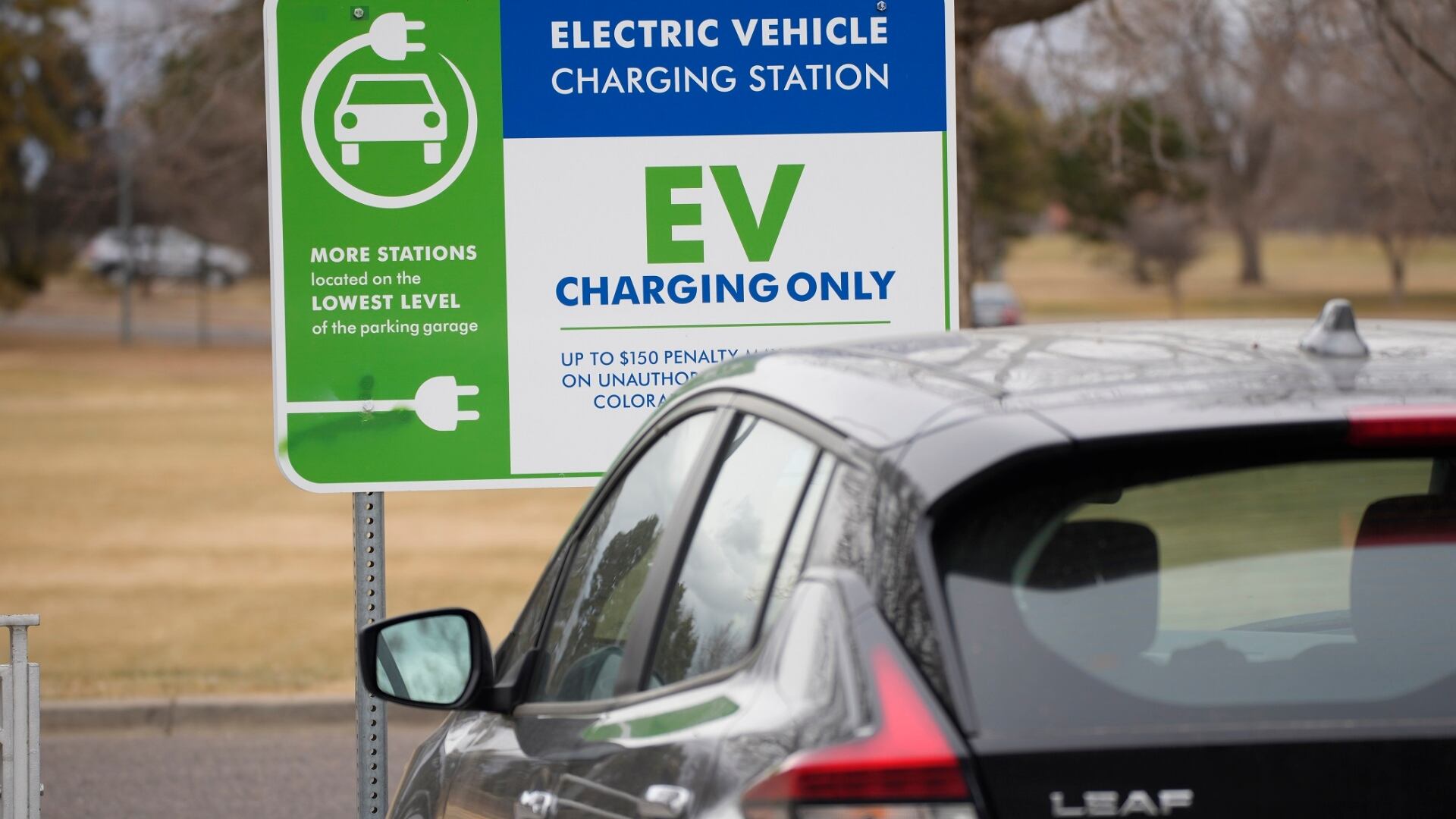
Electric Vehicles Face Pricing, Charging Infrastructure Roadblocks to Mass Adoption
The federal government and numerous industries have been preparing for a greener future, setting goals to reduce greenhouse emissions by switching to electric vehicles. But the next hurdle to clear is convincing the wider public to get on board. Arun Kumar, managing director in automotive practice at AlixPartners, spoke to Cheddar's Ken Buffa about consumer trends related to EV transition and said he believes a widespread switch is imminent in 2022. Despite this, he acknowledged there are still significant obstacles to overcome, including high prices and more charging stations. "Without charging infrastructure, people are going to struggle with increasing adoption of electric vehicles in the future," Kumar told Cheddar. "I think by 2030 our estimate is that about a million chargers need to be put in place nationally in the U.S."
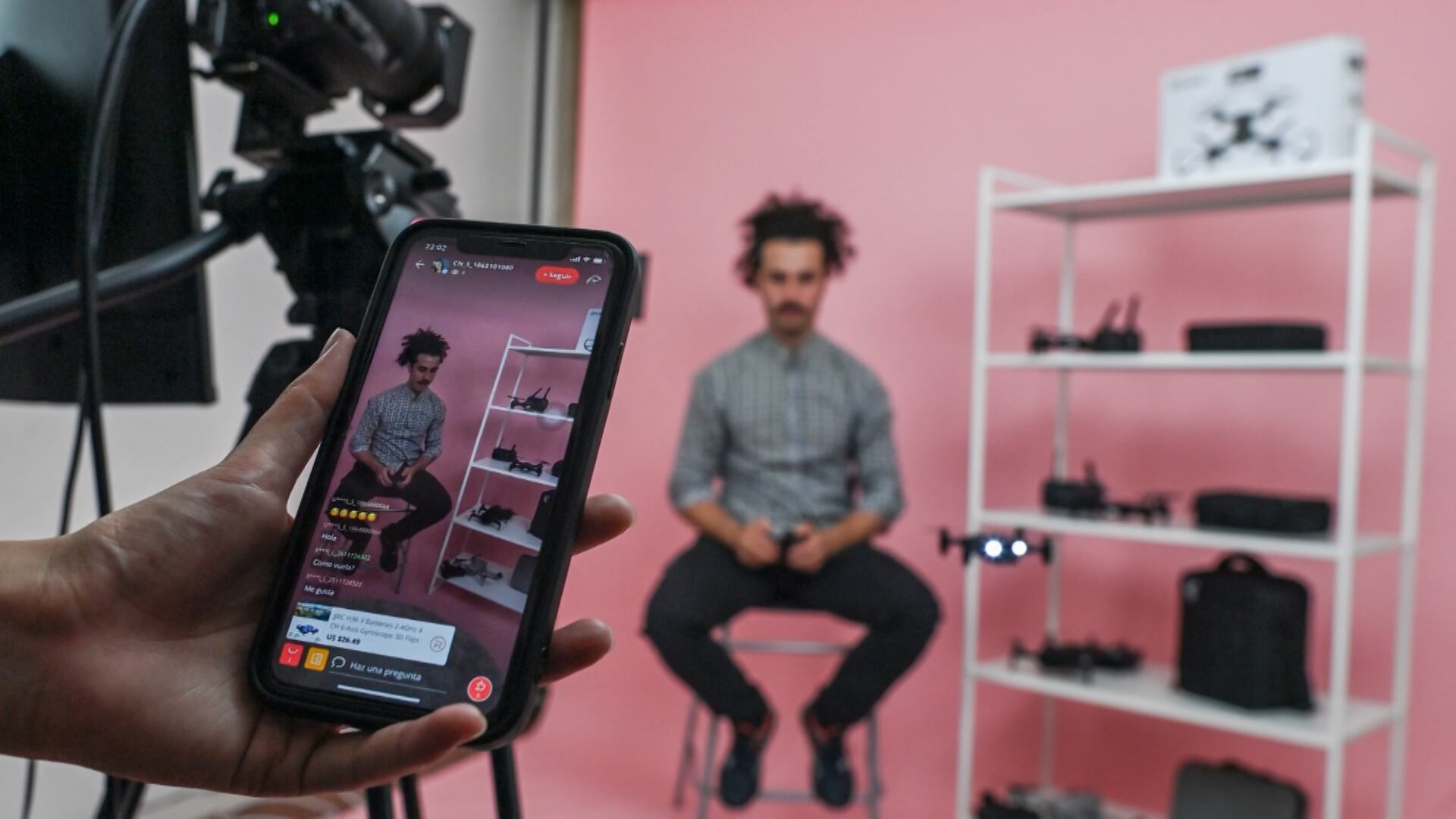
Creator Economy Booms as Platforms Launch Monetization Tools and Perks
The pandemic has supercharged the creator economy, and there are no signs of it slowing down no matter when the pandemic officially ends. Creators prove to be a key factor in driving purchasing decisions and retail sales, and an increasing amount of platforms are taking advantage of the social influence. Karissa Bell, senior editor at Engadget, joins cheddar news to discuss the creator economy boom.
Behind the National Women's Soccer League and Voyager Digital Multi-Year Crypto Deal
The National Women's Soccer League is partnering with Voyager Digital as its first-ever cryptocurrency brokerage in a multi-year deal. Marla Messing, interim CEO of the NWSL, and Steve Ehrlich, CEO of Voyager Digital, joined Cheddar to discuss benefitting the league and educating players and fans as a way of democratizing cryptocurrency. Messing explained that the players themselves will own half the assets as part of how the deal is structured. "My hope is, just in terms of the expectations of crypto over the long term, that I hope a lot of them are able to just let it sit there," she said. "And that one day this will be a nice retirement account for them."
Douglas Elliman Goes Public After Spinoff of Tobacco Biz Vector Group
Howard Lorber, chairman, president, and CEO of Douglas Elliman Inc., and Scott Durkin, CEO of Douglas Elliman Realty, joined Cheddar's "Opening Bell" to talk about the real estate brokerage company's recent IPO launch on the New York Stock Exchange following the spinoff of its tobacco subsidiary Vector Group. "There are many investors that cannot buy tobacco because of their mandates," said Lorber. "And therefore splitting off Douglas Elliman the real estate, and there's a lot of people looking for real estate investments, so they'll be able to buy Douglas Elliman, and those that want tobacco can buy Vector alone." The pair also discuss the future of New York real estate and the auxiliary business the property broker sees as growth prospects.
Tequila Demand to Heat Up as Drizly Reports Alcohol Retailers See a Bright 2022
Despite a champagne shortage ahead of New Year's Eve, adult beverage retailers are staying optimistic about 2022. Cathy Lewenberg, COO at online alcoholic beverages platform Drizly, joined Cheddar to talk about the sunny outlook for next year and the current state of the industry. She noted a 20 percent higher demand for champagne year-over-year has led to the holiday's shortfall and that the spirit category is continuing to thrive with tequila on pace to outsell vodka for the first time. "Tequila has just been on fire on our platform. It's grown 13 percent in share on our platform over the last couple of years where vodka obviously had been the leader," she said. "Tequila is the top thing in addition to bourbon that retailers are looking to give more shelf space to in 2022."
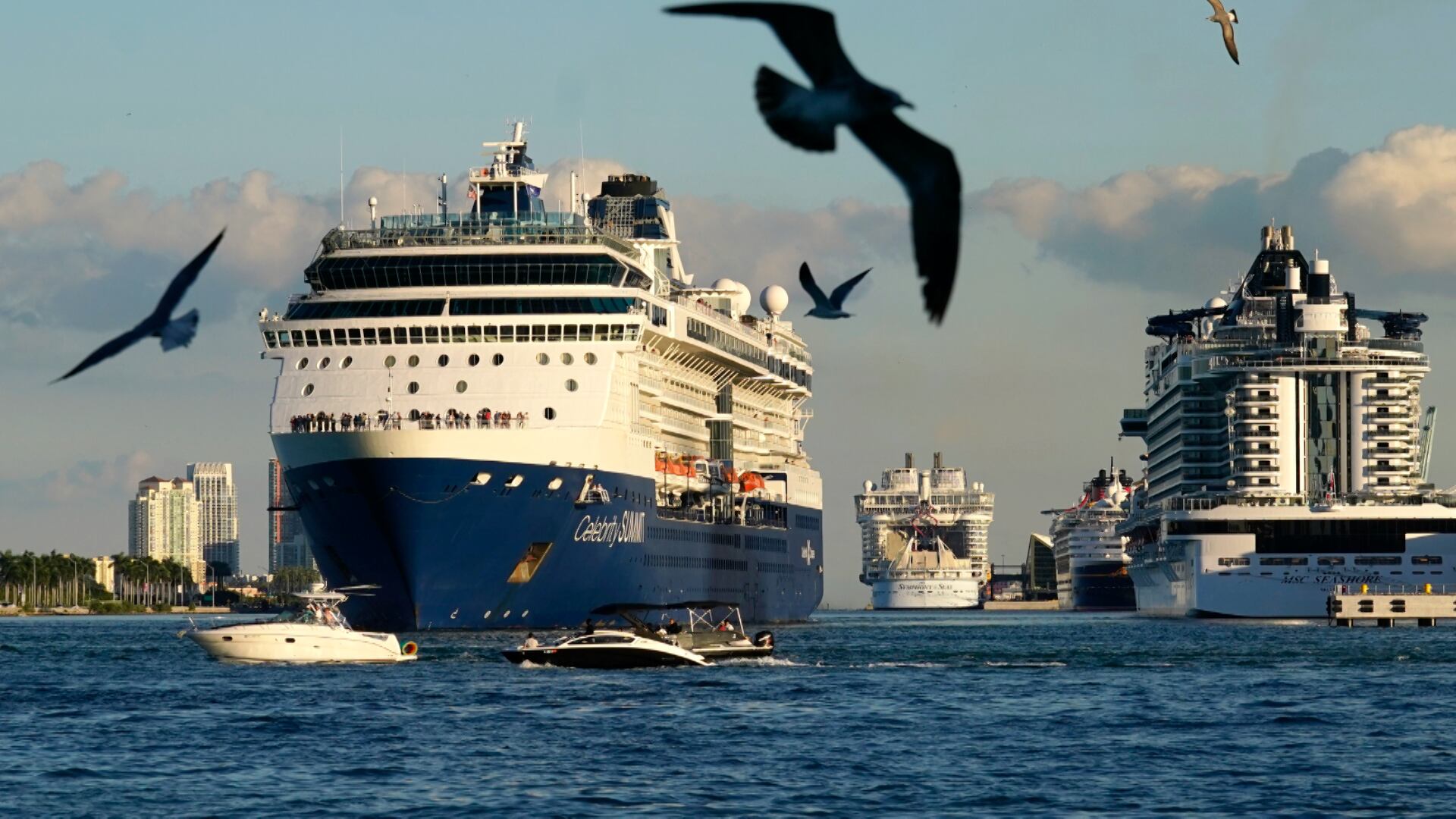
Cruise Ships Remain Hotspots of COVID Infections Amid Latest Surge
Travel expert Francesca Page joined Cheddar's Baker Machado to break down how the omicron-fueled COVID-19 surge of cases on cruise ships is impacting the industry, as the CDC is actively monitoring at least 92 ships for outbreaks. Page also talked about the upcoming expiration of the CDC's conditional sailing order mandating mask-wearing and addressed passenger concerns. "Everyone is asking, financially, should I cancel my cruise should COVID surges keep going, which it looks they are, and to a large degree I think that decision is very personal and is based on one's own risk tolerance," she said.
Load More