Mobile charging stations have cropped up across urban centers and in high-traffic locations in recent years, a convenient resource for reviving dying phone batteries, but the FBI is issuing a new warning against using the hubs.
The agency cited "bad actors" looking to prey on unsuspecting targets by compromising USB ports on the charging hubs to infect plugged-in devices with malware and monitoring software.
"Carry your own charger and USB cord and use an electrical outlet instead," the FBI said in a tweet.
The agency's warning isn't the first issued to the general public about the potential hazards of public charging stations. In 2021, the FCC issued a "juice jacking" warning as one of the newest cyber-theft tactics.
"Cybersecurity experts have warned that criminals can load malware onto public USB charging stations to maliciously access electronic devices while they are being charged. Malware installed through a dirty USB port can lock a device or export personal data and passwords directly to the perpetrator," the FCC said at the time.
Deep Fission CEO Liz Muller discusses underground nuclear reactors, powering AI, cutting energy costs, and why the future of clean power may be below ground.
Quantum computing is moving from science fiction to national strategy. Infleqtion CEO Matt Kinsella explains Trump's new executive order and what it means.
Foundation Robotics co-founder Michael LeBlanc explains how humanoid robots are moving from the lab to military and industrial missions and what comes next.
Jeff Burnstein, President of the Association for Advancing Automation (A3), discusses humanoid robots, AI, smart manufacturing, and the future of U.S. industry.
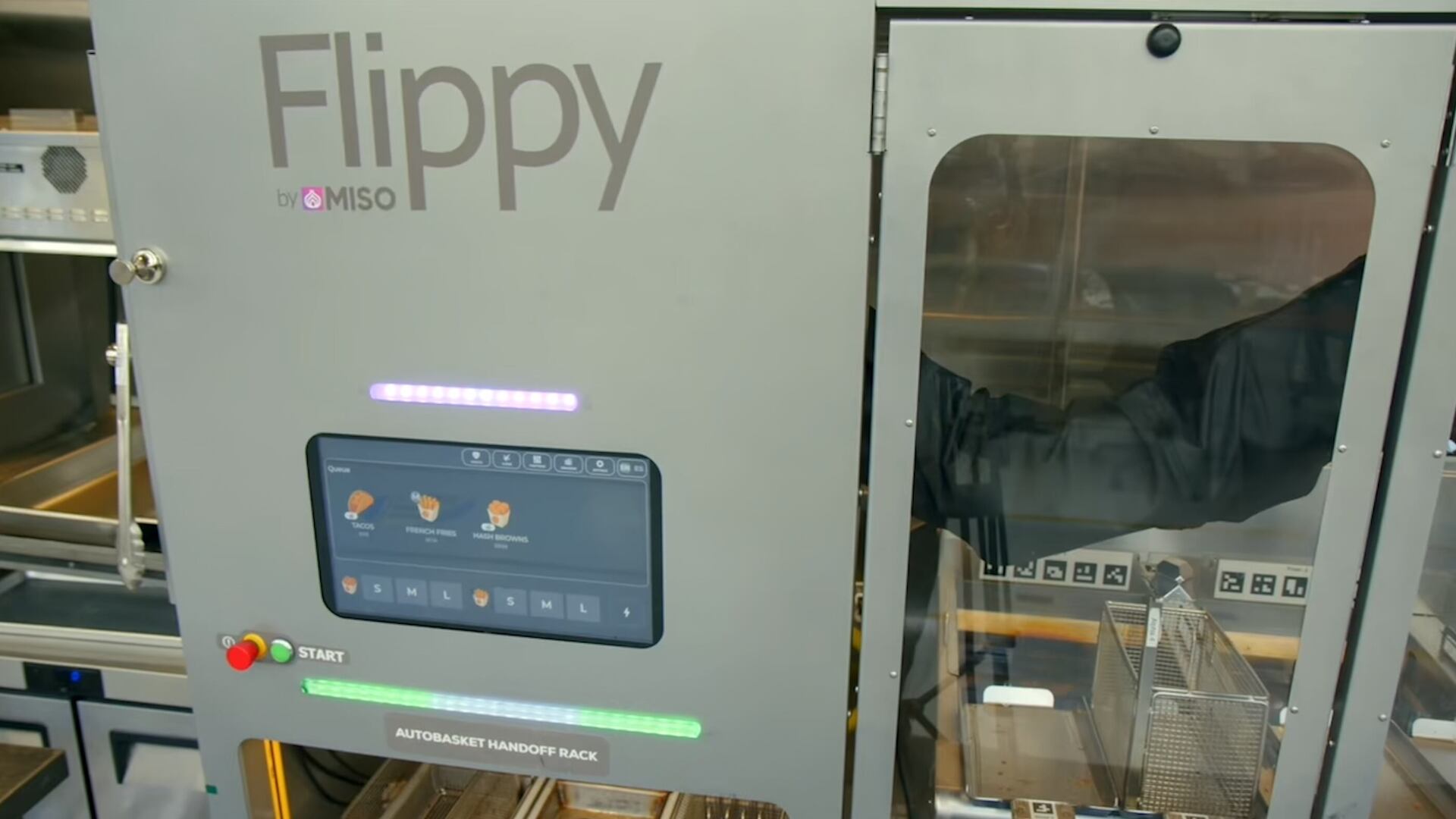
Miso Robotics CEO Rich Hull discusses Flippy Fry Station, the future of AI-powered restaurant automation and how acquiring Zume's IP could reshape food robotics
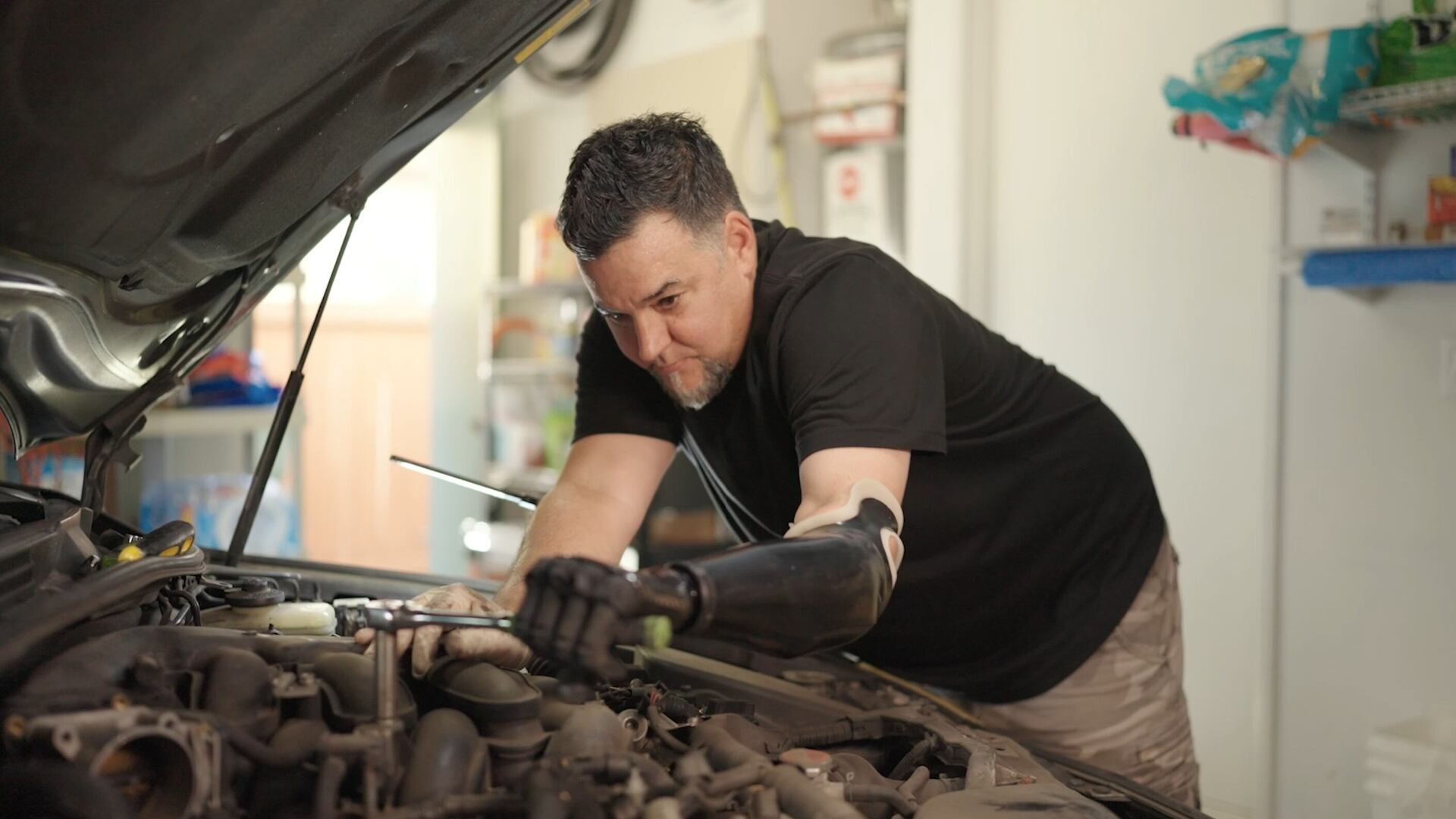
PSYONIC CEO Dr. Aadeel Akhtar explains how the company's Ability Hand restores sensation for amputees while helping train smarter, more capable AI robots.