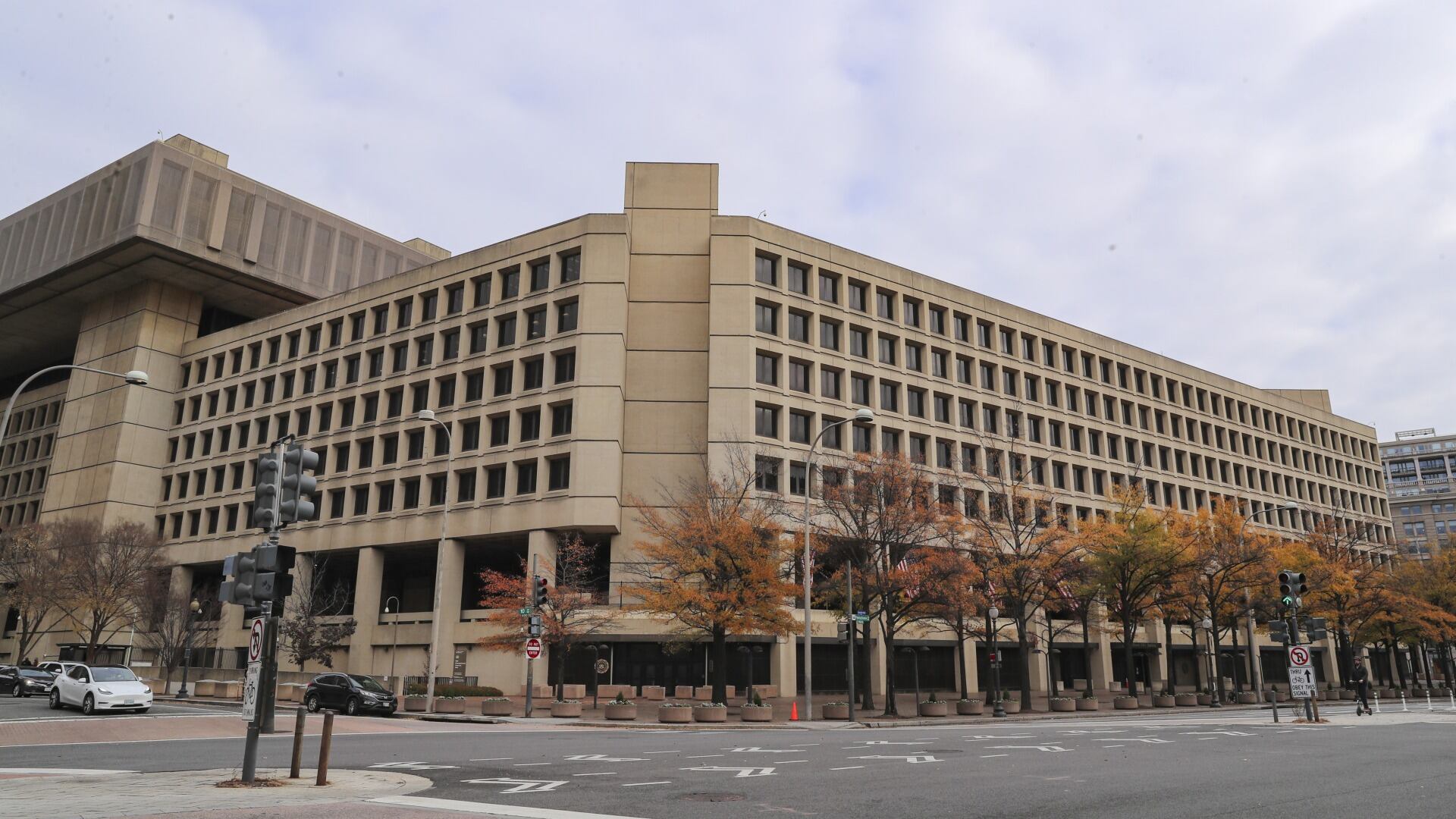
Federal Bureau of Investigation headquarters building in Washington D.C., United States, on November 29, 2022. (Photo by Celal Gunes/Anadolu Agency via Getty Images)
Just ahead of the second anniversary of the January 6 insurrection, the FBI announced a $500,000 reward for information leading to the arrest of the Capitol Hill pipe bomber.
The night before the attack on the U.S. Capitol building, a suspect placed two pipe bombs in Washington's Capitol Hill neighborhood. One was planted near the Republican Committee headquarters and another at the Democratic Committee building.
The investigation has been ongoing since the attack — with the FBI reviewing more than 39,000 video files and assessing over 500 tips from the public.
While the bombs were not detonated, the threat was very real according to local and federal authorities. Not only are officials concerned with bringing the suspect to justice for the January 6 incident, there is worry that the individual still poses a threat to themselves and the general public.
Sunberg also noted that the increase in reward money from $100,000 to $500,000 is to encourage those who may be privy to information about the pipe bomber to come forward.
"Despite the unprecedented volume of data review involved in this case, the FBI and our partners continue to work relentlessly to bring the perpetrator of these dangerous attempted attacks to justice," Sundberg said.
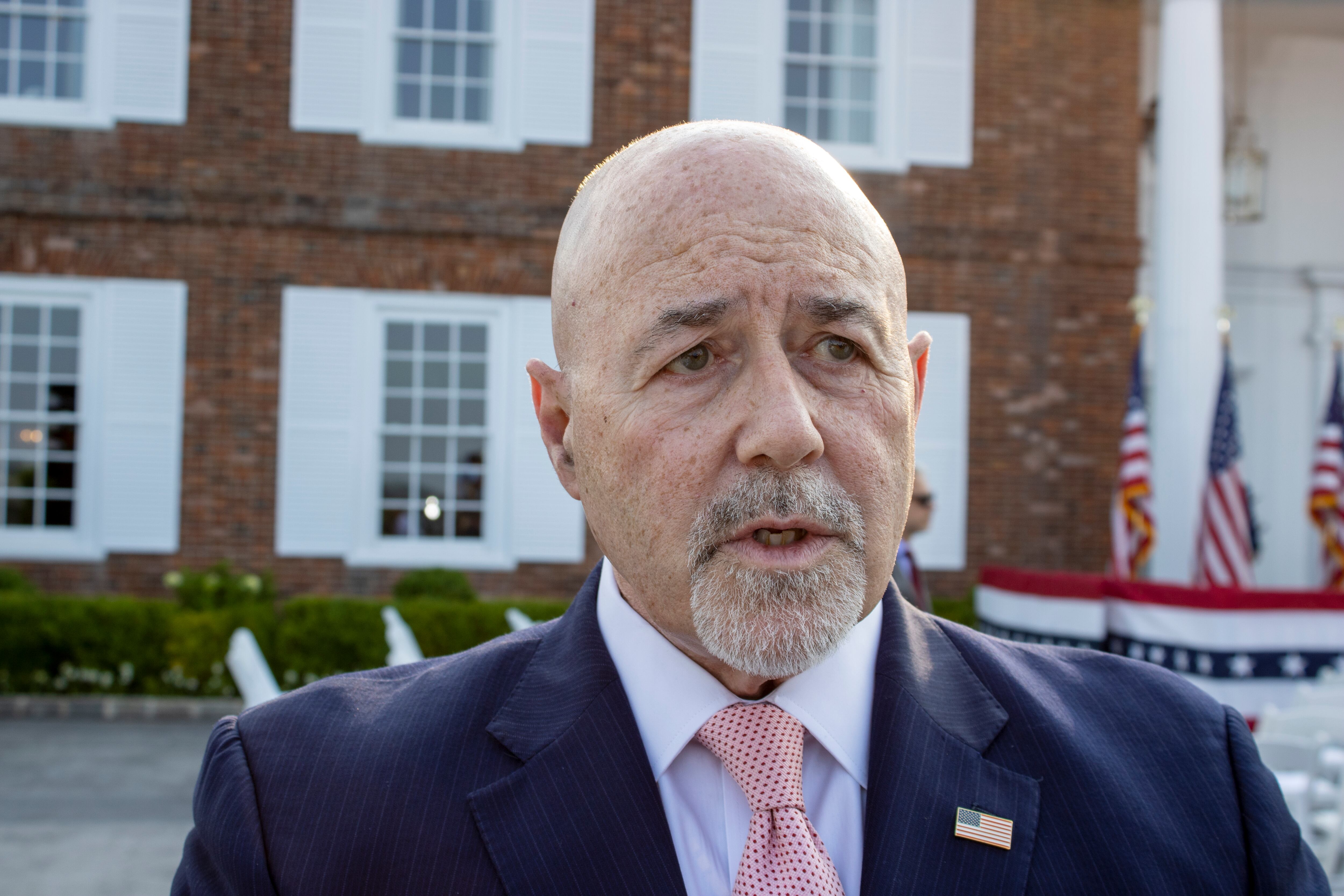
The lawyer for former NYPD commissioner Bernard Kerik turned over thousands of pages and documents to a special counsel as part of an investigation into Kerik's alleged involvement to overturn the results of the 2020 election.
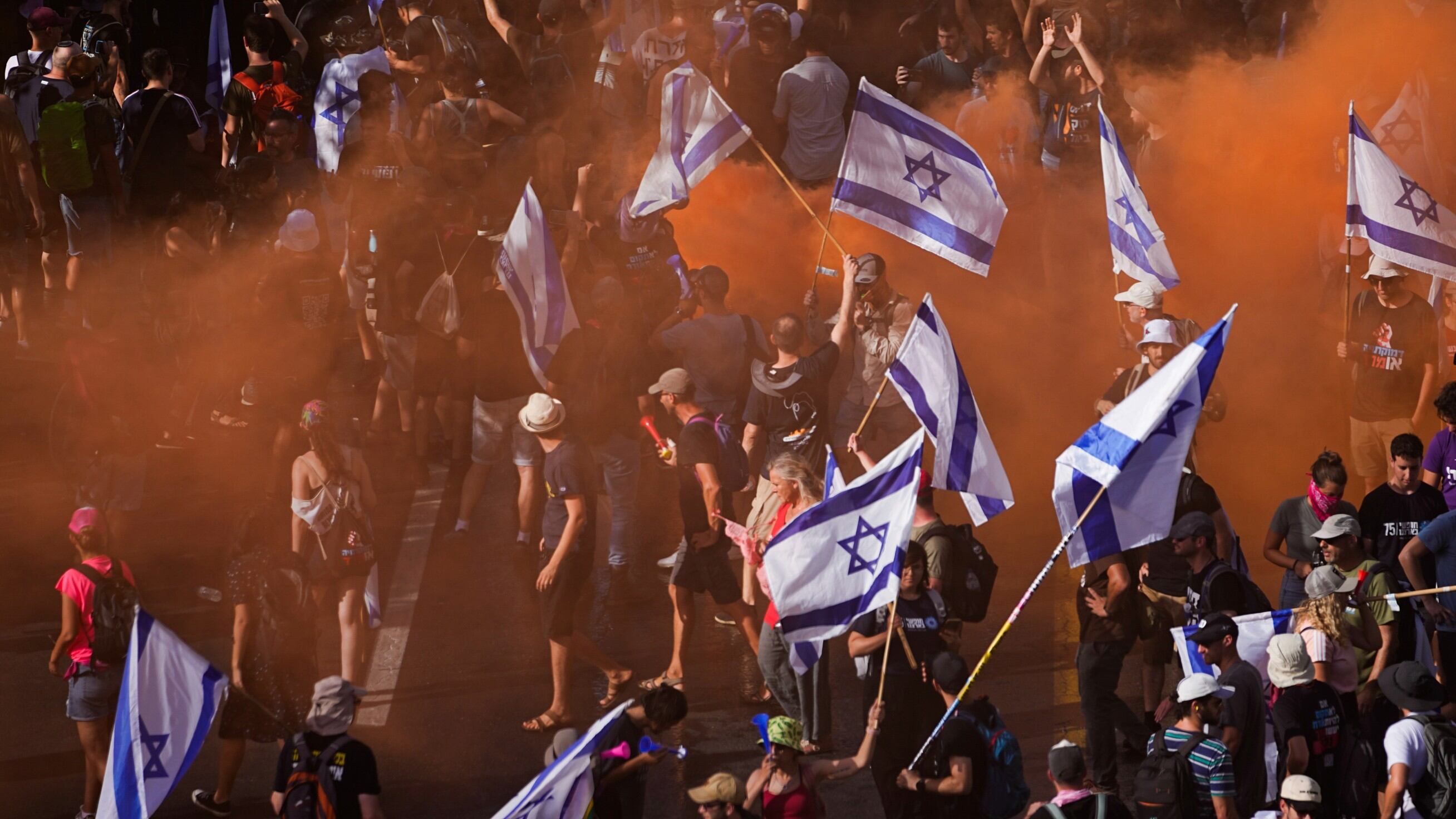
Israel’s parliament on Monday approved the first major law in Prime Minister Benjamin Netanyahu’s contentious plan to overhaul the country’s justice system, triggering a new burst of mass protests and drawing accusations that he was pushing the country toward authoritarian rule.
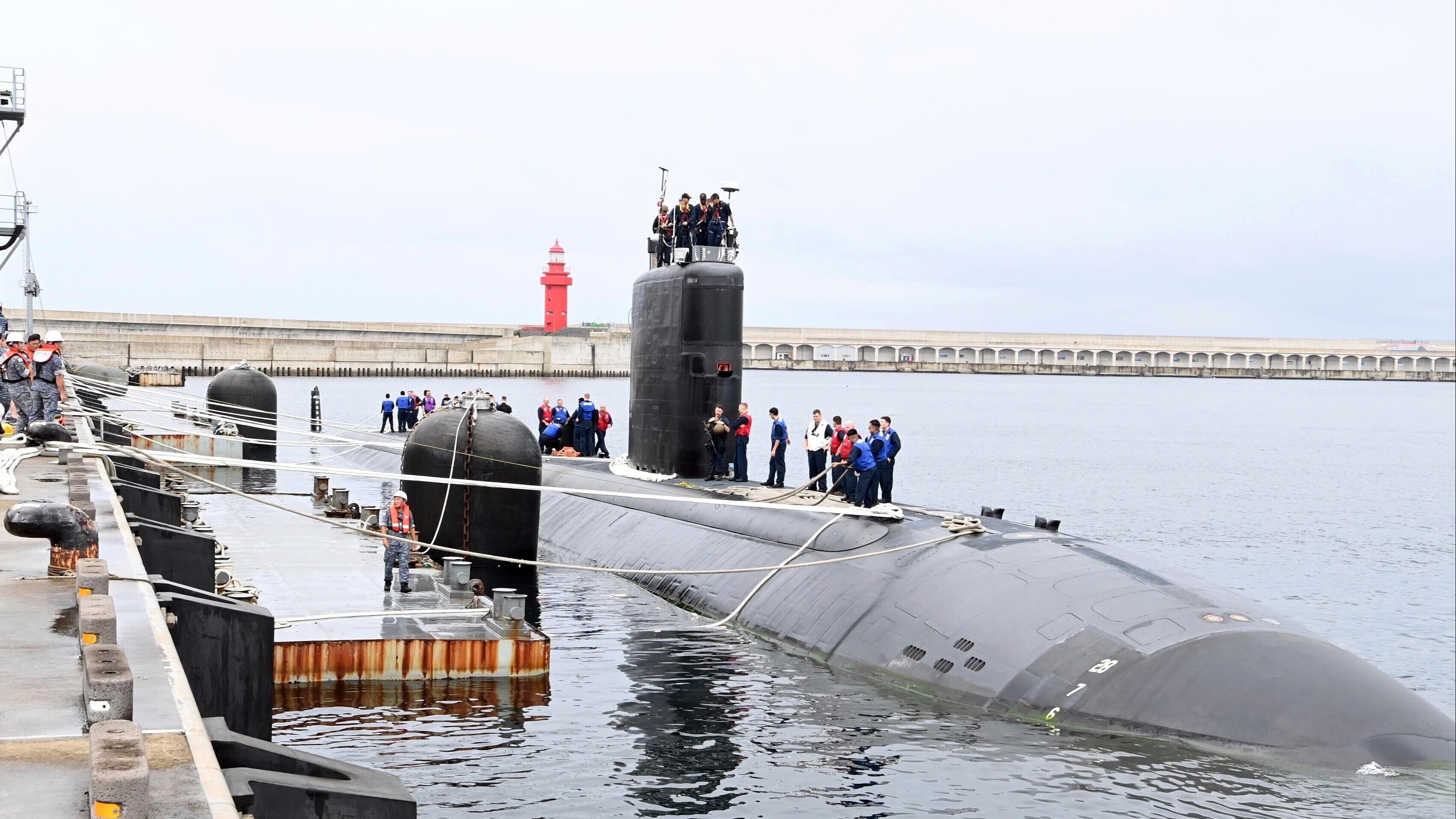
North Korea fired two short-range ballistic missiles into its eastern sea, South Korea’s military said Tuesday, adding to a recent streak in weapons testing that is apparently in protest of the U.S. sending major naval assets to South Korea in a show of force.
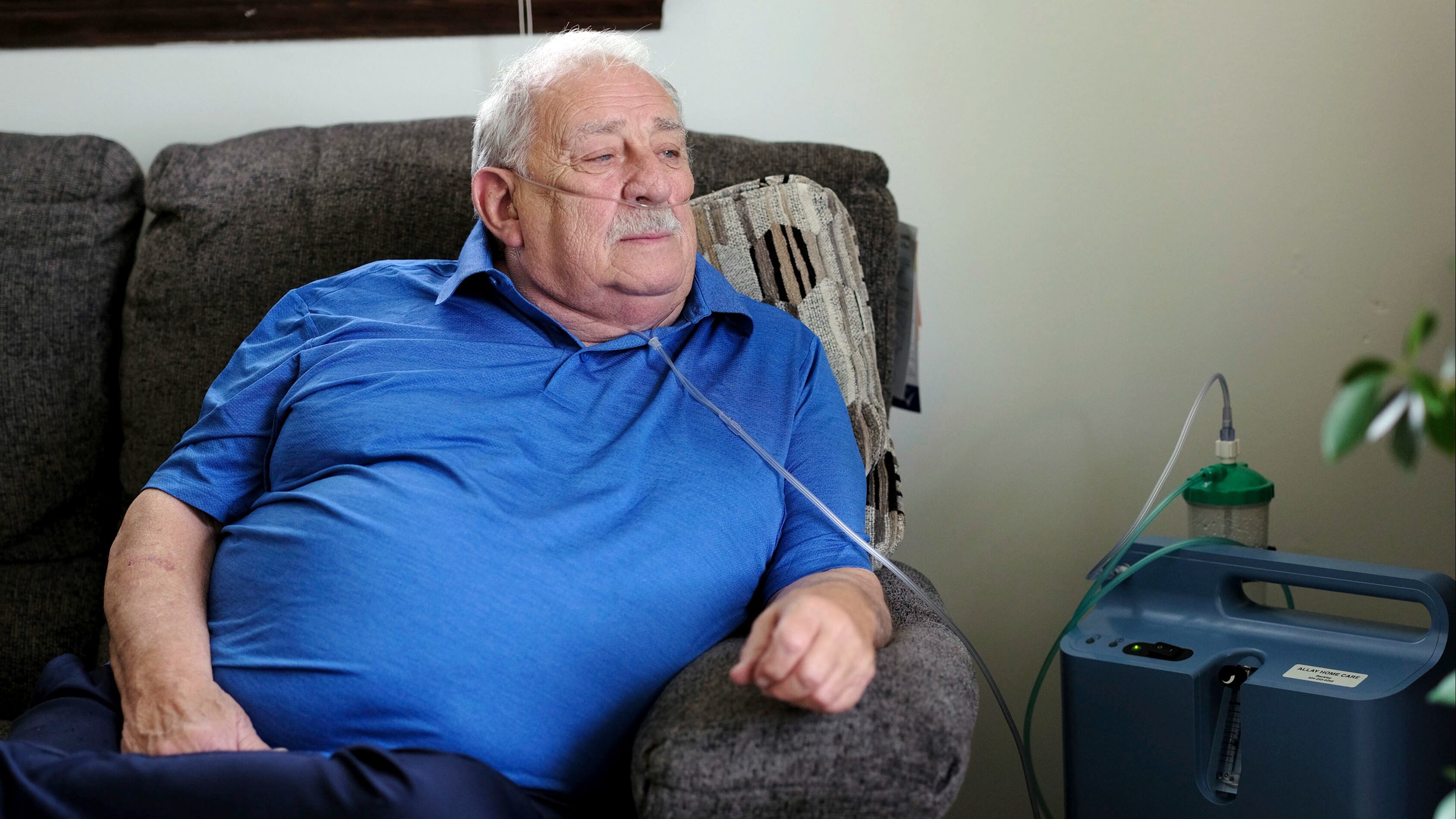
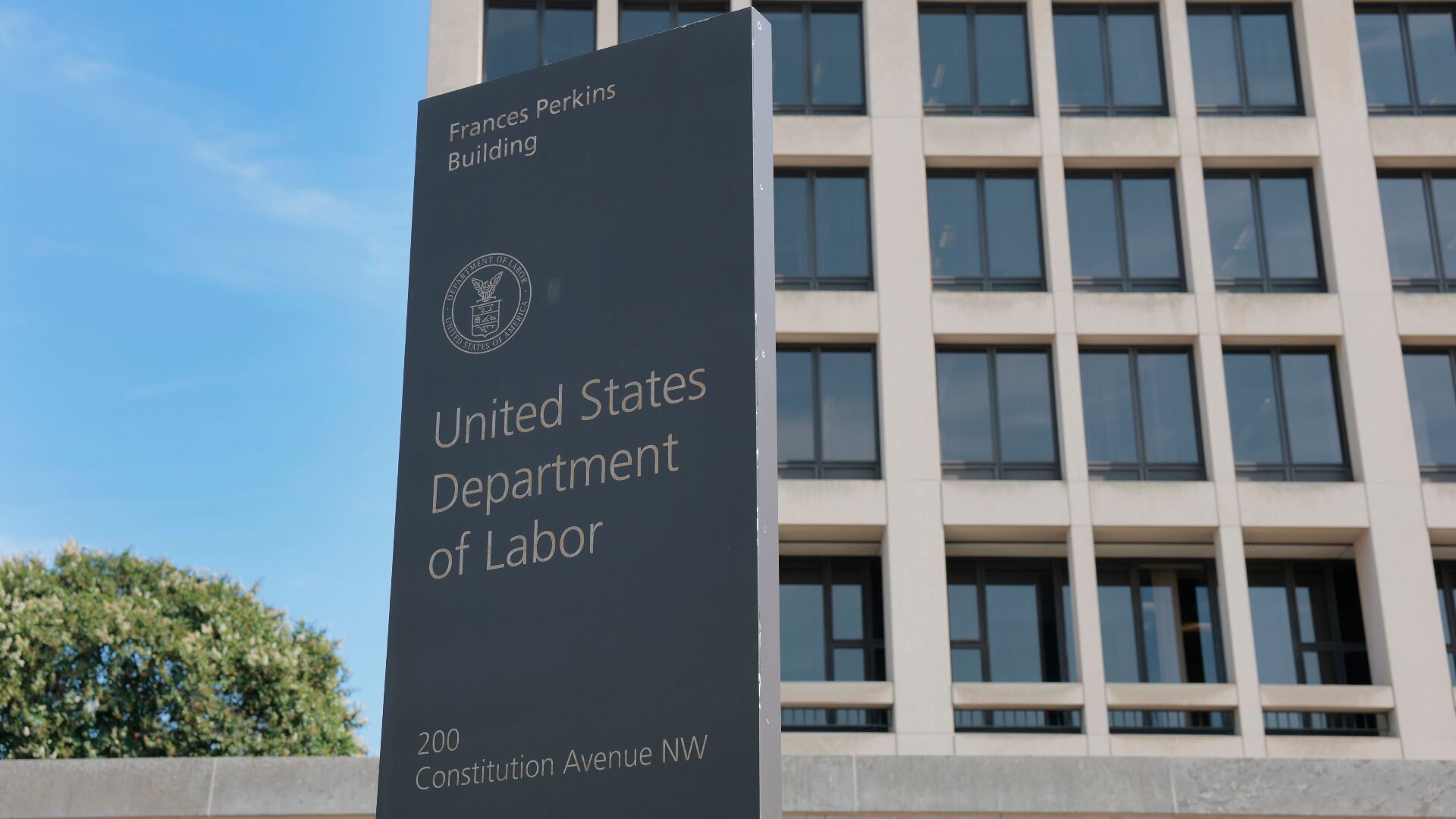
Now the federal Mine Safety and Health Administration has proposed a rule that would cut the current limit for silica exposure by half — a major victory for safety advocates. But there is skepticism and concern about the government following through after years of broken promises and delays.
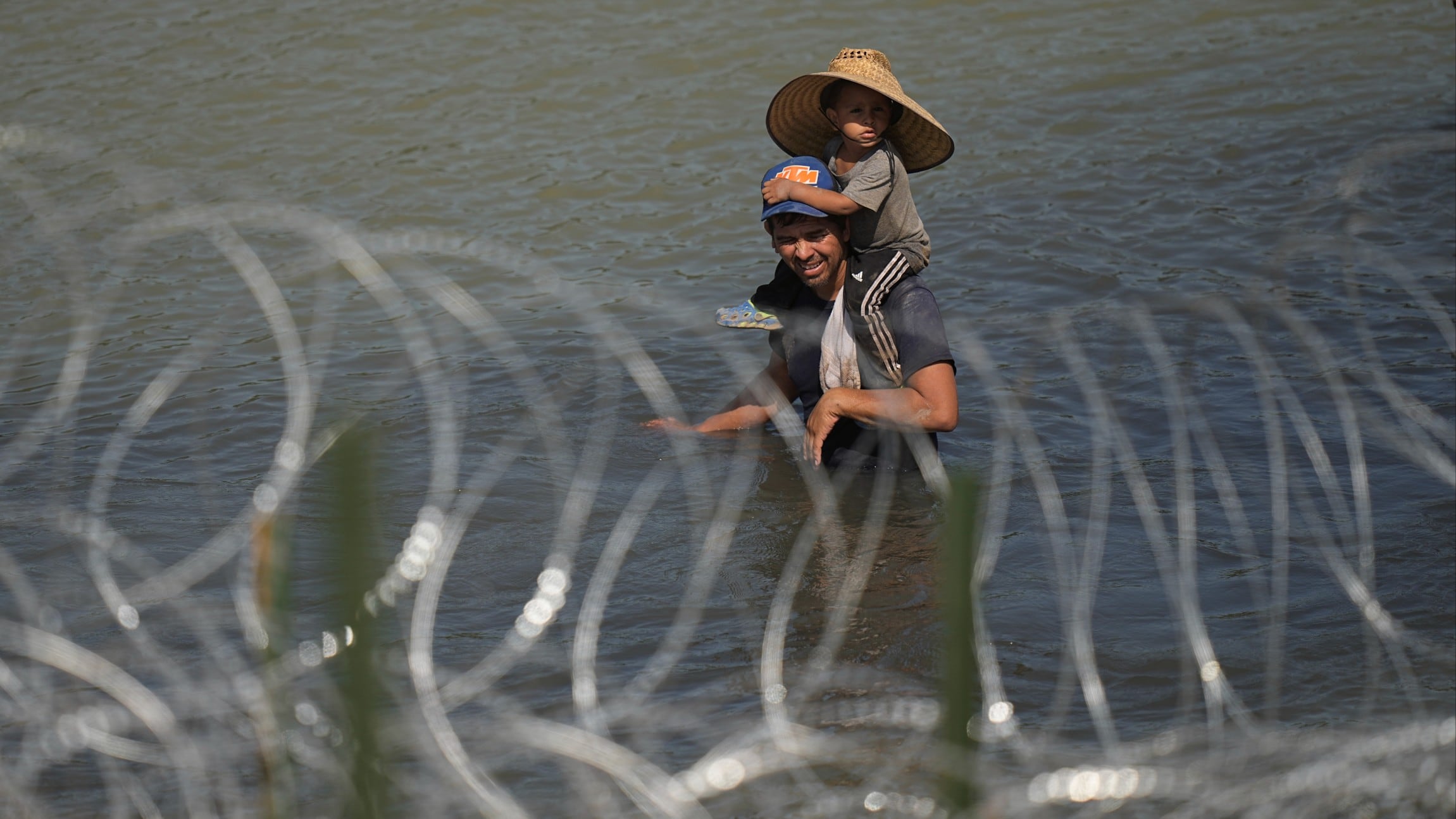
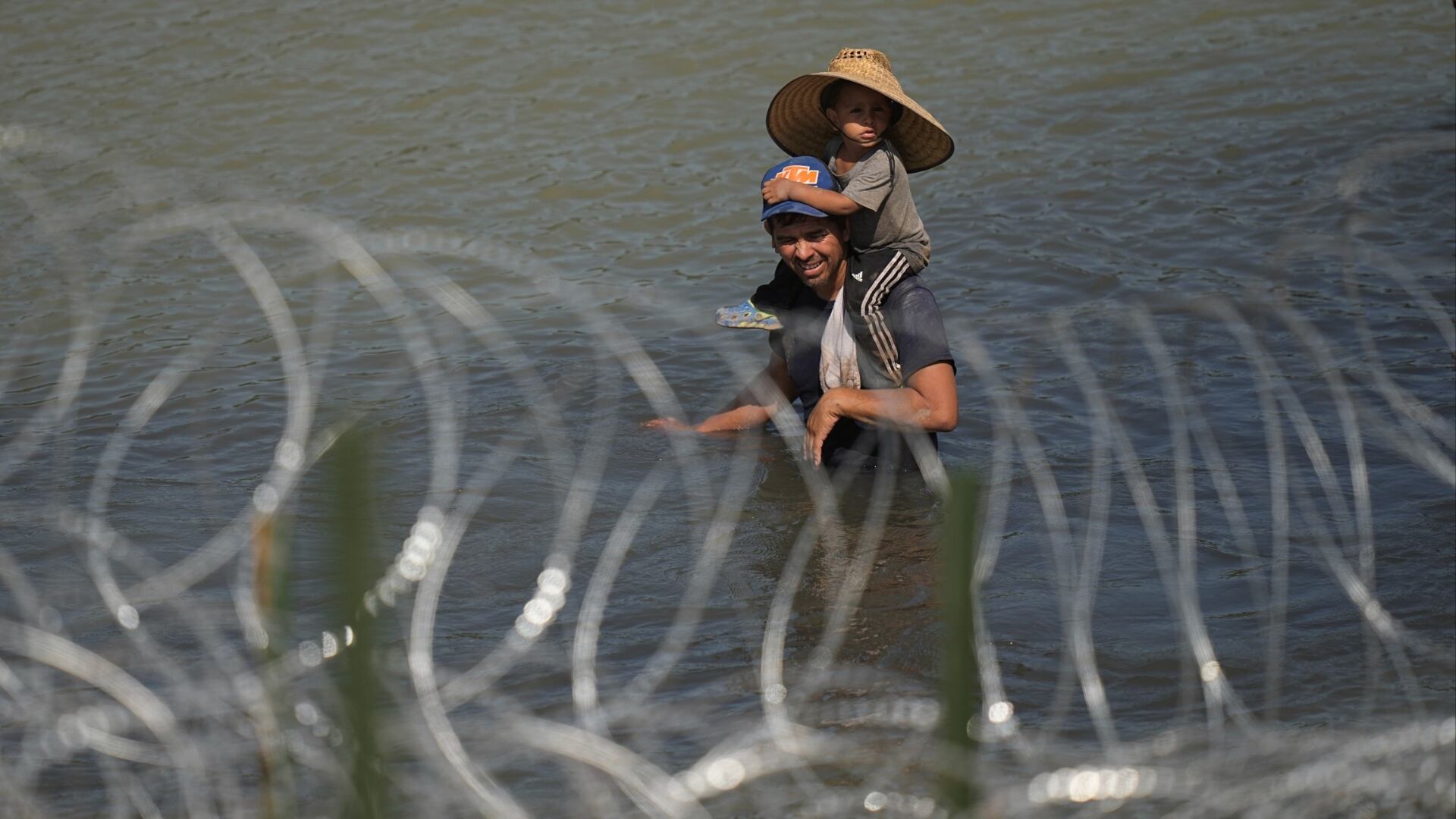
A state trooper's account of officers denying migrants water in 100-degree Fahrenheit (37.7 Celsius) temperatures and razor wire leaving asylum-seekers bloodied has prompted renewed criticism.