As investigations into the deadly January 6 siege of the Capitol continue, questions about how pro-Trump rioters were able to access specific locations in the building are surfacing. According to Rep. Kim Schrier (D-Wash. 8th District), it is not out of the realm of possibility that the mob was aided by members of Congress.
"Inciting insurrection is impeachable but it is also illegal. Although I'm not a lawyer, I think that that needs to be pursued. I can tell you that it is already being looked into by the FBI, looking at who inside was helping," she told Cheddar.
While officials have not yet given confirmation, there are reports from members like Rep. Mikie Sherrill (D-N.J. 11th District) that some members of Congress toured the Capitol building Tuesday with groups that included individuals accused of attacking it the following day.
"And the fact there were any tours going on in a Capitol during the COVID pandemic when nobody's allowed unless they are personally escorted in by a member of Congress, suggests that if there was insider knowledge, that some of my colleagues may have been co-conspirators," Schrier said.
The Washington representative is calling for those officials to be held accountable if the allegations are true, as well as President Donald Trump and any GOP supporters that may have incited violence.
Though the House impeached Trump for a historic second time on Wednesday, the process will likely linger past Inauguration Day. Senate Majority Leader Mitch McConnell has said he will not call senators back before next week to hold a hearing on the charge of high crimes and misdemeanors. Still, Schrier said the facts of the case are clear-cut and could be handled before Biden is sworn in.
"I think that this should be, could be, a very speedy trial," she said. "I believe that if we can call back 435 members of Congress, we can certainly call back 100 senators to take this up immediately and I think that's what [McConnell] should do."
Democratic Agenda
For Schrier, the sooner the body is able to address the president's role in last week's Capitol siege, the better equipped Congress will be to get to work once President-elect Joe Biden is sworn in. Democrats will soon control all three legislative branches and the Washington congresswoman said the body will be able to work on solutions that have been pushed aside during the Trump presidency.
Among top priorities will be getting more COVID relief to Americans and improving laws guiding elections, according to Schrier, who sits on the Energy and Commerce Committee.
"It is urgent, I believe, that we pass H.R. 1, the big government reform bill that gets corruption out of politics, gets big special interest money out of our politics, makes it easier to vote."
While Democrats will control two branches of the federal government for at least the next two years, Schrier said members from both sides of the aisle will need to repair their working relationships.
"This really needs truth and reconciliation and frankly it will need a lot of Republicans to step up and speak the truth," she said, adding, "Even those who voted against impeachment yesterday, many of them still condemned the president's behavior, and so it will really take some voices of conscience from within to speak to their own part and set this right."

Krutika Amin, associate director at the Kaiser Family Foundation for the Program on the Affordable Care Act, joins Cheddar Politics to discuss the Biden administration's plan to fix the so-called 'family glitch' in the Affordable Care Act preventing millions of Americans from accessing government-subsidized health plan.
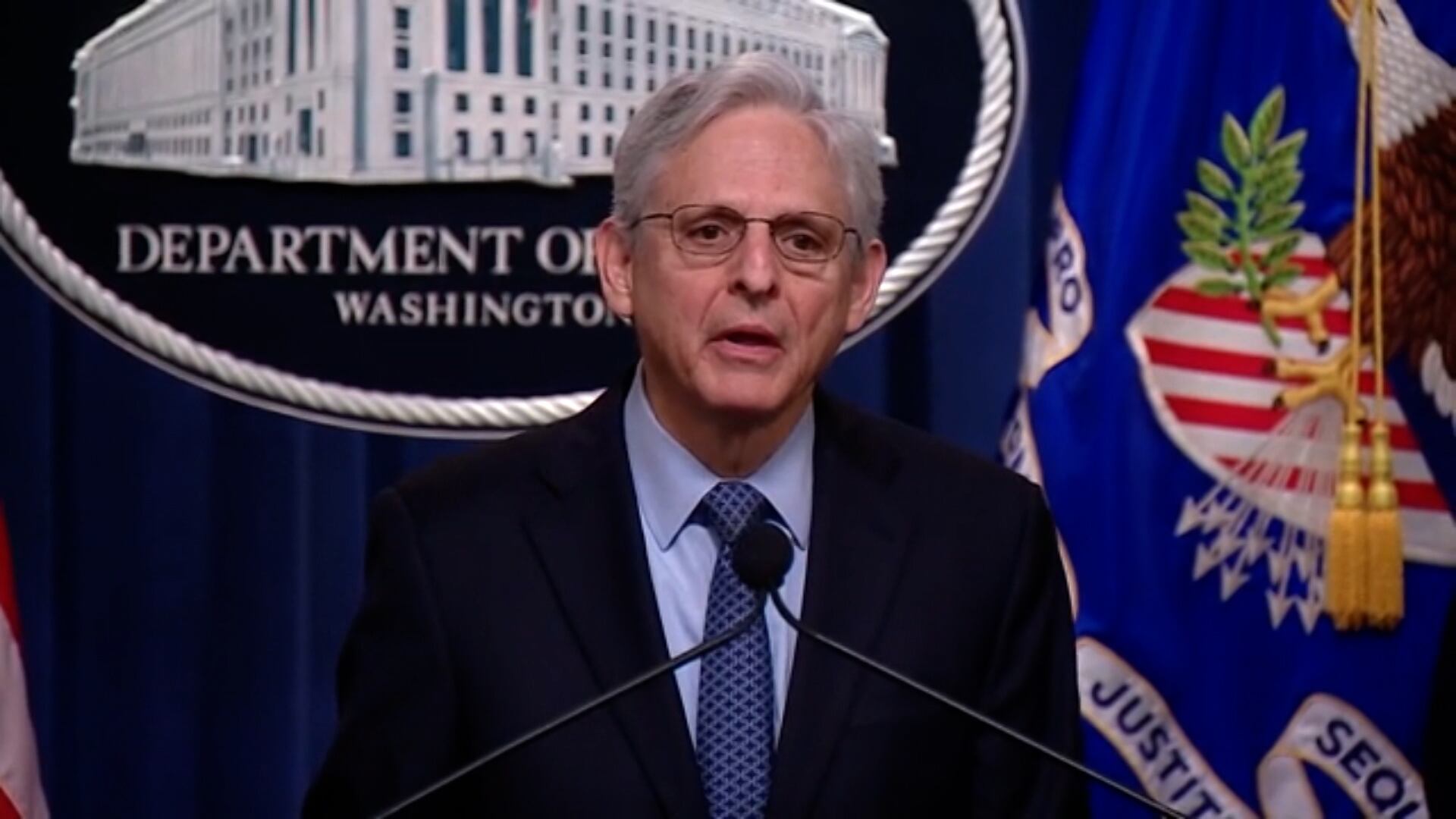
Abdallah Fayyad, opinion writer at the Boston Globe, joins Cheddar Politics to discuss the House's vote to hold former Trump aides Dan Scavino and Peter Navarro in contempt of Congress and send the recommendation to the Department of Justice. Fayyad also weighs in on the pressure facing Attorney General Merrick Garland to be more aggressive in prosecuting the January 6 case.
Those paying back federal student loans are getting a few extra months of relief. President Biden just announced another extension of the pandemic relief program allowing millions of borrowers to freeze their student loan payments. The pause began in March 2020 and it has been extended six times. Tomas Campos, co-founder and CEO of Spinwheel, joins Cheddar News to discuss.
There has been notable disagreement in the medical community about a fourth COVID-19 vaccine dose. The FDA last week authorized a second booster dose for older and immunocompromised individuals, as some agency officials did not support the idea. The FDA made the decision without meeting with its advisory committee, as it had ahead of its recommendations on the previous COVID-19 vaccine doses.
The CDC followed in the footsteps of the FDA and authorized a fourth dose as well. Reports say the agency also did not discuss the move with its own advisory team of vaccine experts. Now, a growing number of doctors are speaking out against the decisions - leaving people confused about whether they should get another vaccine dose. Dr. Julie Morita, a member of the CDC's advisory committee to the director, and the executive vice president of the Robert Wood Johnson Foundation, joins Cheddar News' Closing Bell to discuss.
The Senate has confirmed Ketanji Brown Jackson to the Supreme Court, shattering a historic barrier by securing her place as the first Black female justice and giving President Joe Biden a bipartisan endorsement for his effort to diversify the court
House Speaker Nancy Pelosi has tested positive for COVID-19, her spokesman says. That's a day after the 82-year-old Democratic leader appeared unmasked at a White House event with President Joe Biden.
JetBlue made an unsolicited offer to buy low-cost carrier Spirit Airlines, potentially jeopardizing the original offer from Frontier Airlines. Several analysts sounding the alarm on JetBlue's proposed $3.6 billion merger, saying the deal doesn't quite make sense. Jim Corridore, Senior Insights Manager at Similarweb joined Cheddar's Opening Bell to discuss.
The Biden administration is once again extending the pause on federal student loans payments — this time, through the end of August. In a statement, President Biden cited a recent analysis from the Fed that if the payments were to resume, millions of student loan borrowers would face significant "economic hardship, delinquencies, and defaults that could threaten America's financial stability." Sarah Foster, an analyst at Bankrate, breaks down the impact of the extension on borrowers, the economy, and the future of student loan forgiveness. "I think this is just an instance of the federal student loan forbearance program kind of creating additional uncertainty for borrowers, especially in the sense that these past four extensions from the Biden administration have kind of come at the 11th hour here," she said.