A person in California who had been vaccinated against COVID-19 became the first in the U.S. to have an identified case of the omicron variant, the White House announced Wednesday as scientists continue to study the risks posed by the new virus strain.
Dr. Anthony Fauci told reporters the person was a traveler who returned from South Africa on Nov. 22 and tested positive on Nov. 29. Fauci said the person was vaccinated but had not received a booster shot and was experiencing “mild symptoms.”
The Biden administration moved late last month to restrict travel from Southern Africa where the variant was first identified and had been widespread. Clusters of cases have also been identified in about two dozen other nations.
“We knew that it was just a matter of time before the first case of omicron would be detected in the United States,” Fauci said.
He said the person was improving and added, “I think what’s happening now is another example of why it’s important for people to get vaccinated. But also boosting. Boosting is very important.”
Officials said they had contacted everyone who had close contact with the person and they had all tested negative.
Genomic sequencing was conducted at the University of California, San Francisco and the sequence was confirmed by the Centers for Disease Control and Prevention.
The Centers for Disease Control and Prevention is taking steps to tighten U.S. testing rules for travelers from overseas, including requiring a test for all travelers within a day of boarding a flight to the U.S. regardless of vaccination status. It was also considering mandating post-arrival testing.
Officials said those measures would only “buy time” for the country to learn more about the new variant and to take appropriate precautions, but that given its transmissibility its arrival in the U.S. was inevitable.
Much remains unknown about the new variant, including whether it is more contagious than previous strains, whether it makes people more seriously ill, and whether it can thwart the vaccine. Fauci, the top U.S. infectious disease expert, said more would be known about the omicron strain in two to four weeks as scientists grow and test lab samples of the virus.
California’s Department of Public Health credited the state’s “large-scale testing and early detection systems” for identifying the case.
“We recognize that everyone is exhausted, and the news of a new variant can be overwhelming. It is important that we collectively focus on the things we know prevent the spread of COVID-19, and its variants,” state public health officials said in a statement.
The announcement of the first U.S. case comes before President Joe Biden plans to outline his strategy on Thursday to combat the virus over the winter. Biden has tried to quell alarm over the omicron variant, saying it was a cause for concern but “not a cause for panic.”
Biden and public health officials have grown more urgent in their pleas for more Americans to get vaccinated — and for those who have been vaccinated to get booster shots to maximize their protection against the virus.
Updated on December 1, 2021, at 3:45 p.m. ET with the latest details.
The 2022 County Health Rankings largely found that the pandemic worsened the burdens faced by women, people of color, and in low income brackets. Cheddar News speaks with Sheri Johnson, co-director of County Health Rankings and Roadmaps who breaks down the details.
With National Infertility Awareness Week underway, the fertility and family-building benefits provider for employers, Kindbody, is looking to make a full suite of treatments and care accessible — including for LGBTQ+ patients. Founder and chairwoman Gina Bartasi joined Cheddar's Opening Bell to talk about the importance of infertility awareness, what role employers play in offering benefits, and how to remove the stigma around the fertility conversation. "We have to talk about the patient holistically, not just fertility services, but what can we do from a mental health standpoint to support patients," she said. "Most patients talk about fertility being more stressful than divorce, infertility being more prevalent than cancer or diabetes. So it is our mission, remains our mission, to elevate awareness around infertility, not just [during] National Infertility Awareness Week."
New York City’s geography makes it particularly at risk to the impacts of climate change - like rising seas and subsequent flooding. The city has already experienced the effects of increasingly severe weather. In response, the city is building a plan to protect itself, from flood walls, to levees, to redesigning its coast.
With mask mandates lifted across various parts of the country, healthy indoor air quality in public spaces is more crucial than ever before. According to the CDC, proper ventilation, in addition to other preventative measures, is instrumental to preventing the rapid spread of covid-19 indoors. As the push for higher air quality ramps up, AtmosAir is providing a high-tech solution for cleaner, greener air indoors. Steve Levine, CEO, AtmosAir, joined Cheddar’s Opening Bell to discuss.
Catching you up on what you need to know on April 27, 2022, with Tesla stocks absorbing an initial hit following Elon Musk's purchase of Twitter, Russia pausing its natural gas supplies to Poland and Bulgaria, NASA's SpaceX Crew-4 mission taking off, and more.
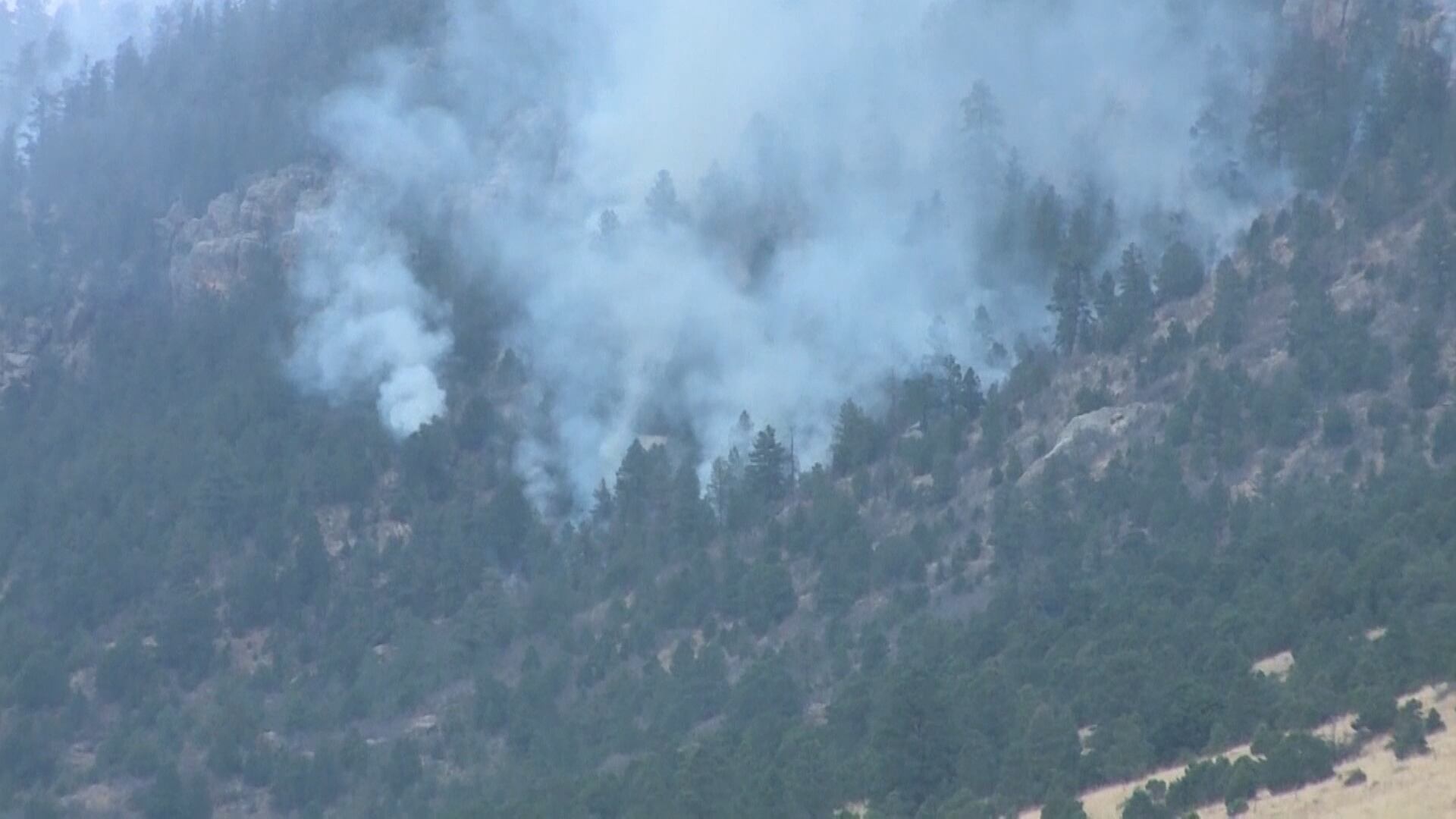
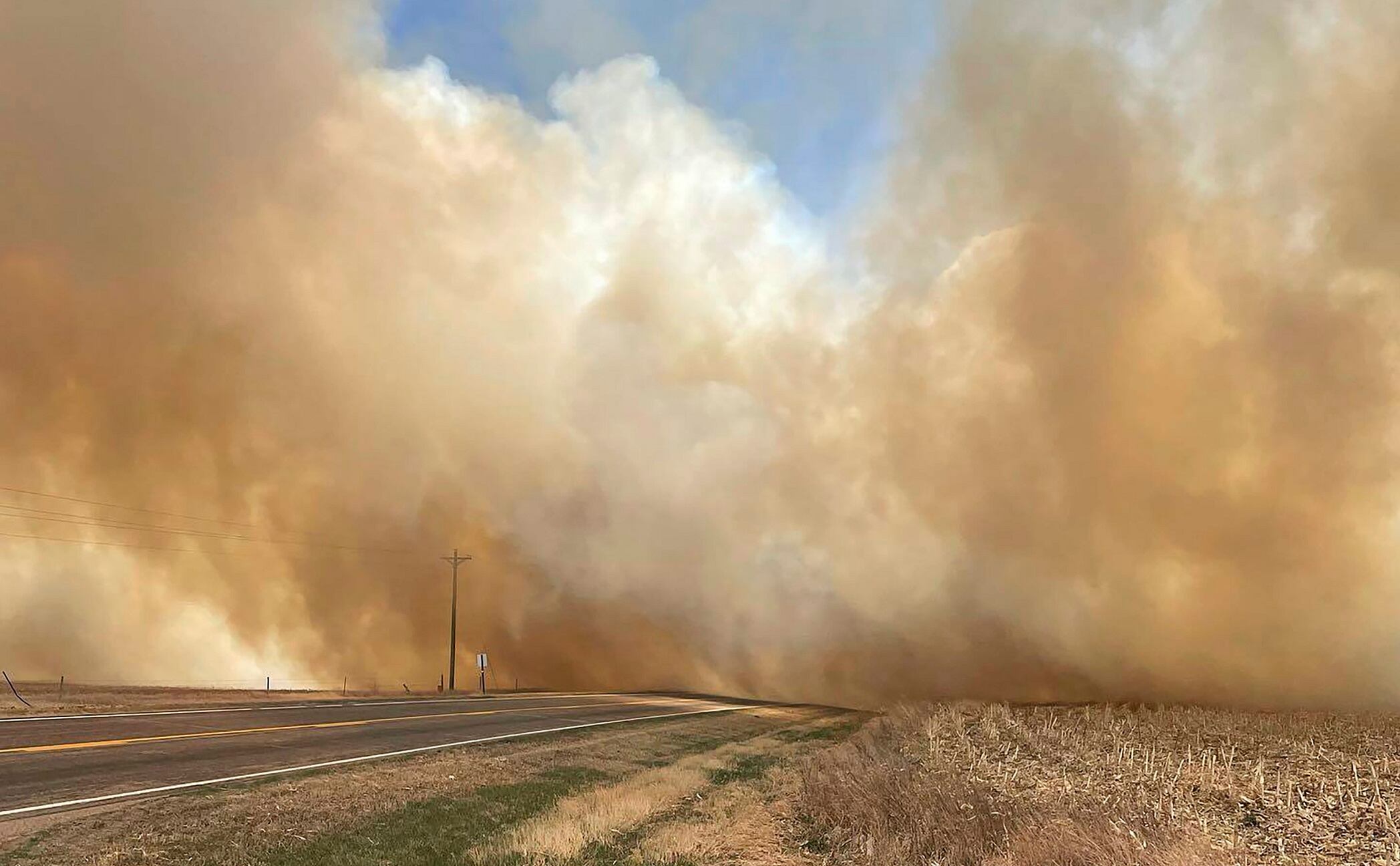
New Mexico is under a state of emergency after flames scorched across 84 square miles. Strong winds fueled 20 wildfires, destroying hundreds of buildings in the state this weekend. New Mexico is just one of several states across the southwest facing severe wildfires. James McMullen, retired California state fire marshal and forensic fire expert, joins Cheddar News to discuss.
SpoonTEK is an eating utensil that uses new technology to enhance flavors. Co-founders Ken and Cameron Davidov join Cheddar News to explain how the high-tech silverware can not only boost taste but also the health of its user.
Tim Brown, research professor at Desert Research Institute and director at the Western Regional Climate Center, joins Cheddar News to discuss the environmental impact of recent wildfires.
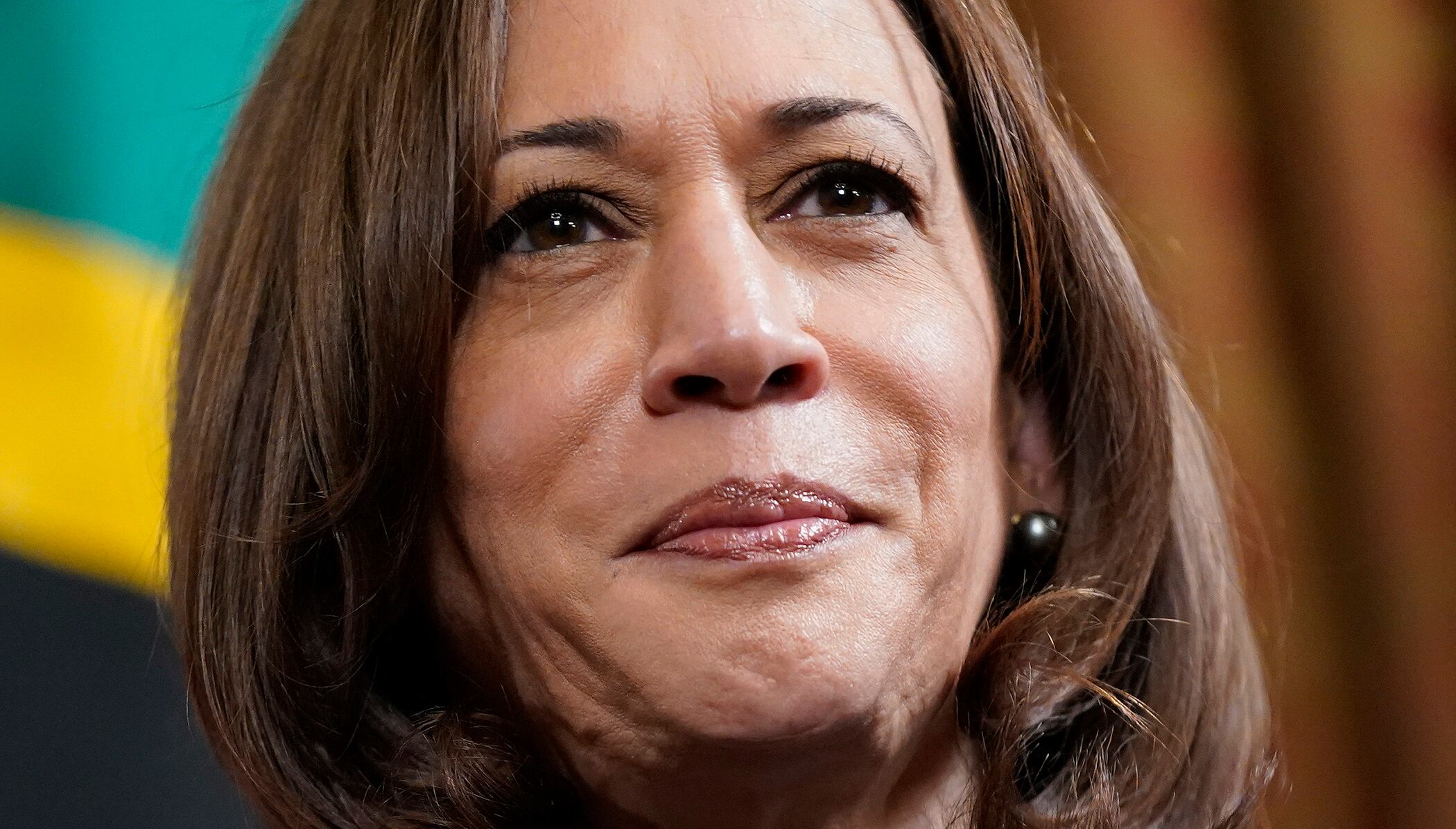
Vice President Kamala Harris tested positive for COVID-19 on Tuesday, the White House announced. That's underscoring the persistence of the highly contagious virus even as the U.S. eases restrictions in a bid to revert to pre-pandemic normalcy.