Fatherly Co-Founder on Why Advertising to Dads Is Important
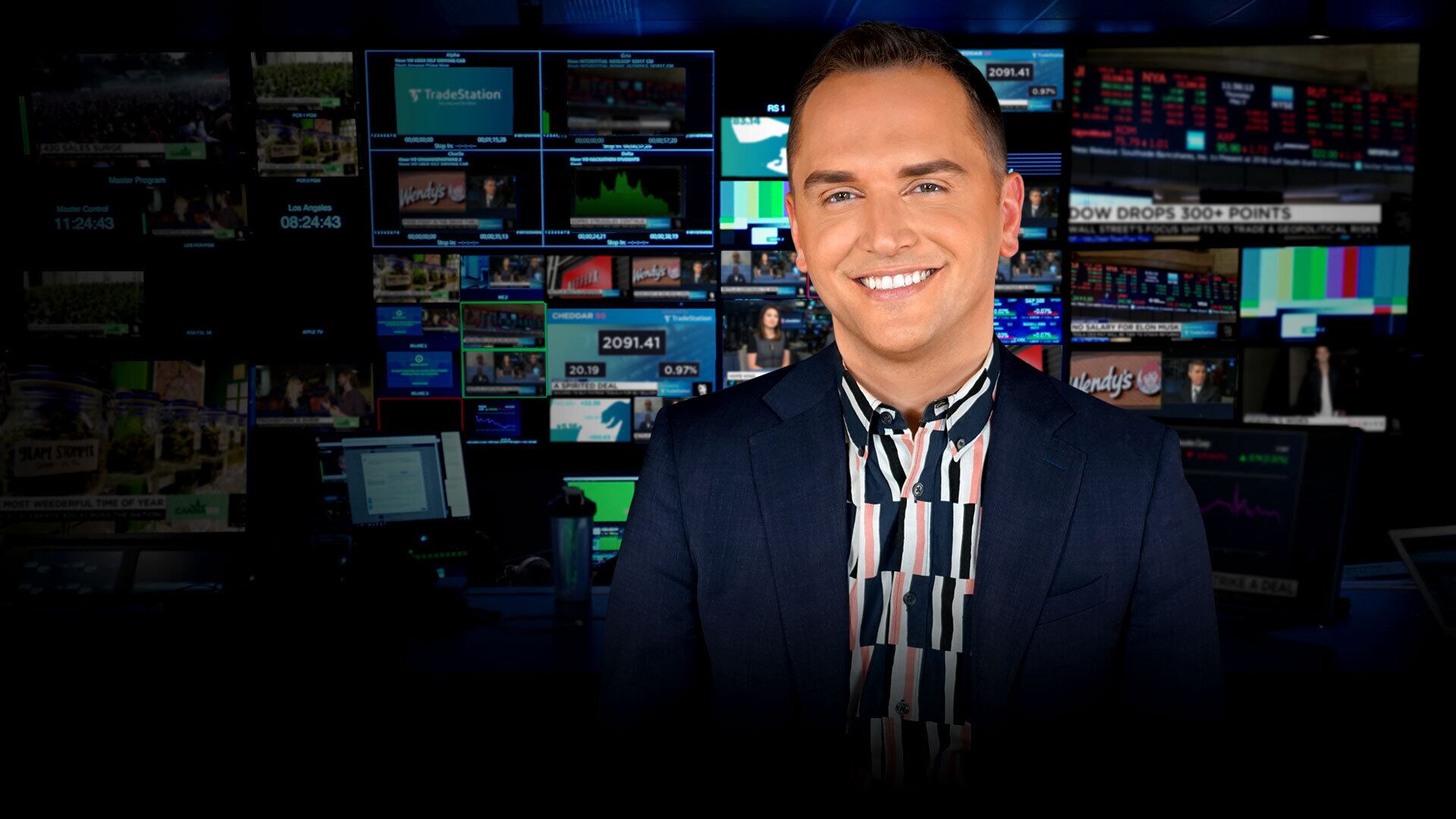
Millennial dads may need a hand transitioning into the father role. Fatherly, an online publication, delivers advice-based content and is winning over advertisers in the process. Peter Gorenstein spoke with Michael Rothman, the company's CEO and co-founder, at the WPP Stream event in California.
Advertisers are realizing moms are no longer the "CEO of the household," says Rothman. The next generation of parents are now splitting in-home responsibilities, and Fatherly wants to deliver a fresh perspective for parenting journalism. Even though the audience is in the 30-54 age range, advertisers and Fatherly tailor content output to be more relevant to the kids.
When Fatherly first started, their content was heavily focused on Facebook. Now, Rothman wants to focus more on the "other side of the duopoly." He wants more of the content to appear via search results on Google and sees a big opportunity in other platforms including Instagram and Pinterest.
Cheddar News' Courtney Sturgeon reports live from the options trading floor on the 50th annivesrary of Cboe to break down the global impact of the U.S. options industry, and an outlook on the options market.
A new survey from the National Council for Mental Wellbeing shows that four in five behavioral health workers were concerned that labor shortages in their field “negatively impact society as a whole.”
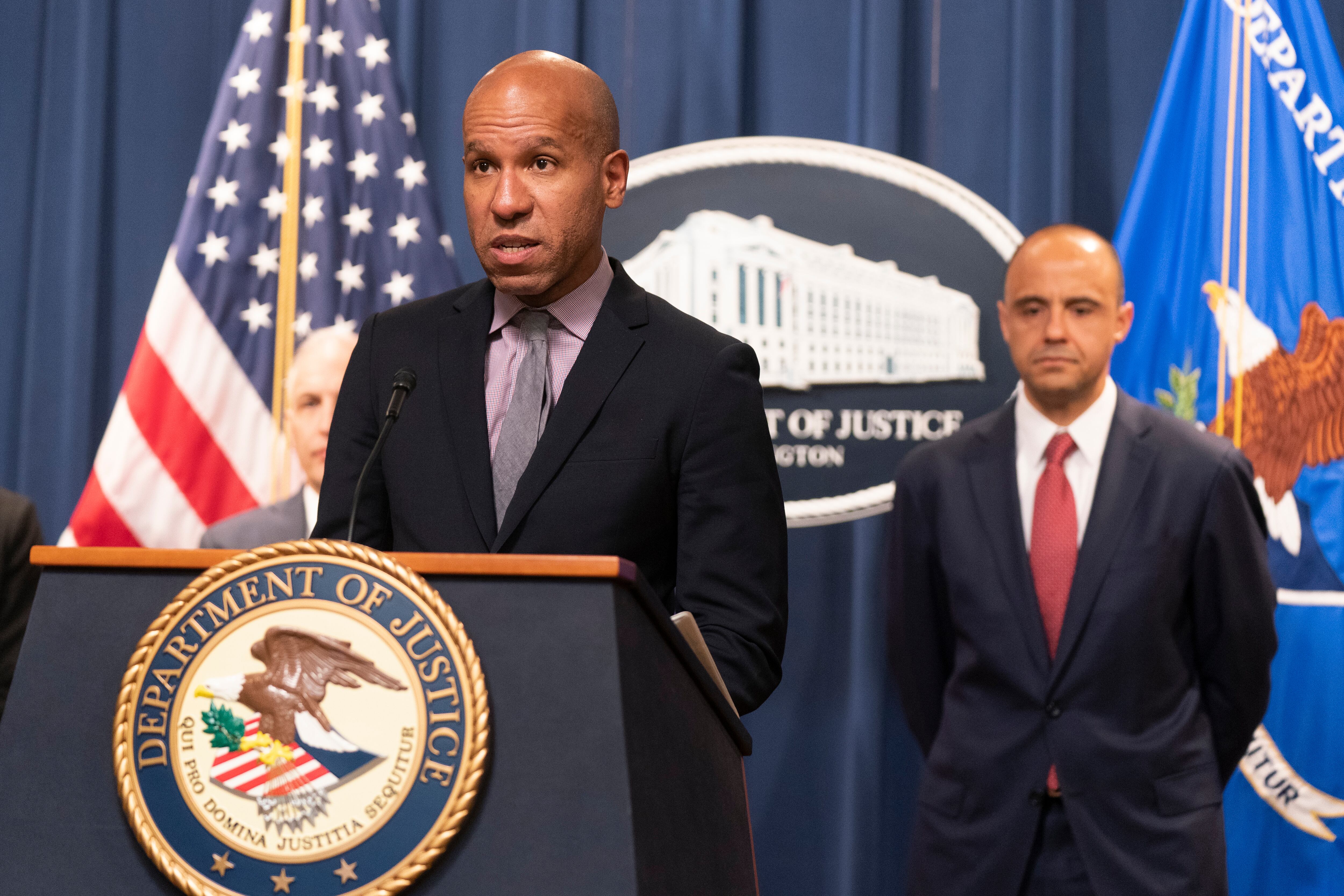
A British tobacco company has agreed to pay more than $629 million to settle allegations that it did illegal business with North Korea in violation of U.S. sanctions, the Justice Department said Tuesday.
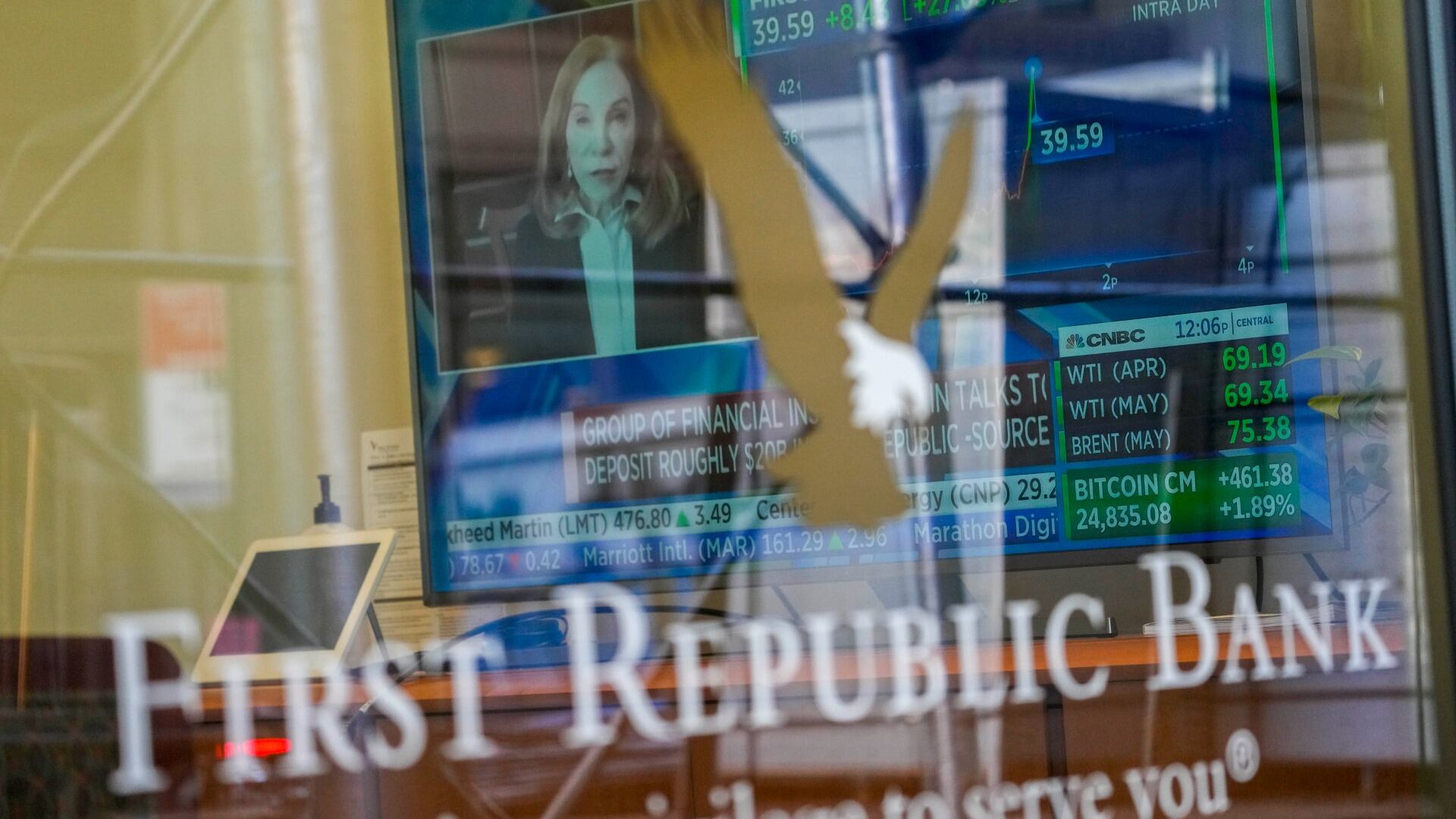
First Republic Bank's stock plunged Tuesday after it said depositors withdrew more than $100 billion during last month’s crisis, with fears swirling that it could be the third bank to fail after the collapse of Silicon Valley Bank and Signature Bank.
Strong U.S. sales helped General Motors increase its first-quarter net profit 19% over a year ago, leading the company to raise its full-year earnings guidance on expectations that people will keep buying new vehicles.
British regulators have blocked Microsoft’s $69 billion deal to buy video game maker Activision Blizzard over worries that it would stifle competition in the cloud gaming market.