Government Shutdown Is Hurting Franchisees: Fat Brands CEO
*By Christian Smith*
As the partial federal government shutdown enters enters its 27th day, American businesses are beginning to feel the strain.
For Fat Brands Inc. ($FAT) ー which owns a number of fast food brands Fatburger, among them ー the consequences of the shutdown are slowly trickling up to corporate, but president and CEO Andy Wiederhorn said franchisees are thus far bearing the brunt of the shutdown.
"I think it's really much harder on the franchise operators because they're trying to build stores they've already started to build, or they've got a lease signed up and now they need their loan to get going for construction," Wiederhorn said Wednesday in an interview with Cheddar.
With the Small Business Administration closed, small businesses are unable to access SBA-backed loans. The SBA usually manages over 300 loans each day, which [The Washington Post](https://www.washingtonpost.com/business/2019/01/11/congresswoman-calls-trump-restart-small-business-lending-level-anxiety-is-unprecedented/?utm_term=.f50572777f74) reported amounts to roughly $200 million worth of loans for small and midsize businesses.
Small business owners in need of capital during the shutdown must turn to other sources of funding, such as non-SBA-backed loans, which generally come with higher interest rates.
But Wiederhorn noted that every sector of business ー even the major players ー is experiencing negative side effects.
"It's affecting everybody, not just small business, but large business," he said. "It's really very difficult."
For full interview [click here](https://cheddar.com/videos/fat-brands-inc-ceo-explains-how-the-government-shutdown-is-impacting-americas-small-businesses).
The ongoing semiconductor chip shortage has been impacting everything from the purchase of cars to smartphones. Deputy Commerce Secretary Don Graves spoke with Cheddar about the Biden administration's efforts to combat the issue and if the current crisis in Ukraine will have any impact on the global supply chain problems for semiconductors. "We're working very closely with all of our partners and allies around the globe, just as we have on the export controls and sanctions that we've applied to Russia to deal with that needless aggression," he said. "We're also working with them on the challenges of raw materials for a range of industries, including the semiconductor industry. We believe that we are going to be able to meet the demand for the for the near term."
Deputy Commerce Secretary Don Graves spoke to Cheddar's Alex Vuocolo about the ongoing semiconductor shortages and the push from the Biden administration to cover the supply chain problem as well as look ahead to future-proofing it.
President Maxx Fenning and Vice President CJ Walden of PRISM, a Florida non-profit providing resources for LGBTQ youth, joined Cheddar News to discuss the negative repercussions of a Florida bill banning discussions of sexuality and gender identity in some classrooms.
President Joe Biden announced Friday that along with the European Union and the Group of Seven countries, the U.S. will revoke “most favored nation” trade status for Russia over its invasion of Ukraine.
The consumer price index jumped 7.9 percent in February, marking a 40-year high for inflation in the U.S. This report comes less than a week ahead of the Fed's all important meeting. Kayla Bruun, Economic Analyst, Morning Consult, joined Cheddar's Opening Bell to discuss.
Markets opened lower amid hotter-than-expected inflation data, which surged to its highest level in nearly 40 years. Lisa Erickson, Senior Vice President and Co-Head, Public Markets Group, U.S. Bank joined Cheddar's Opening Bell to discuss the significance of this figure ahead of the Federal Reserve's FOMC meeting.
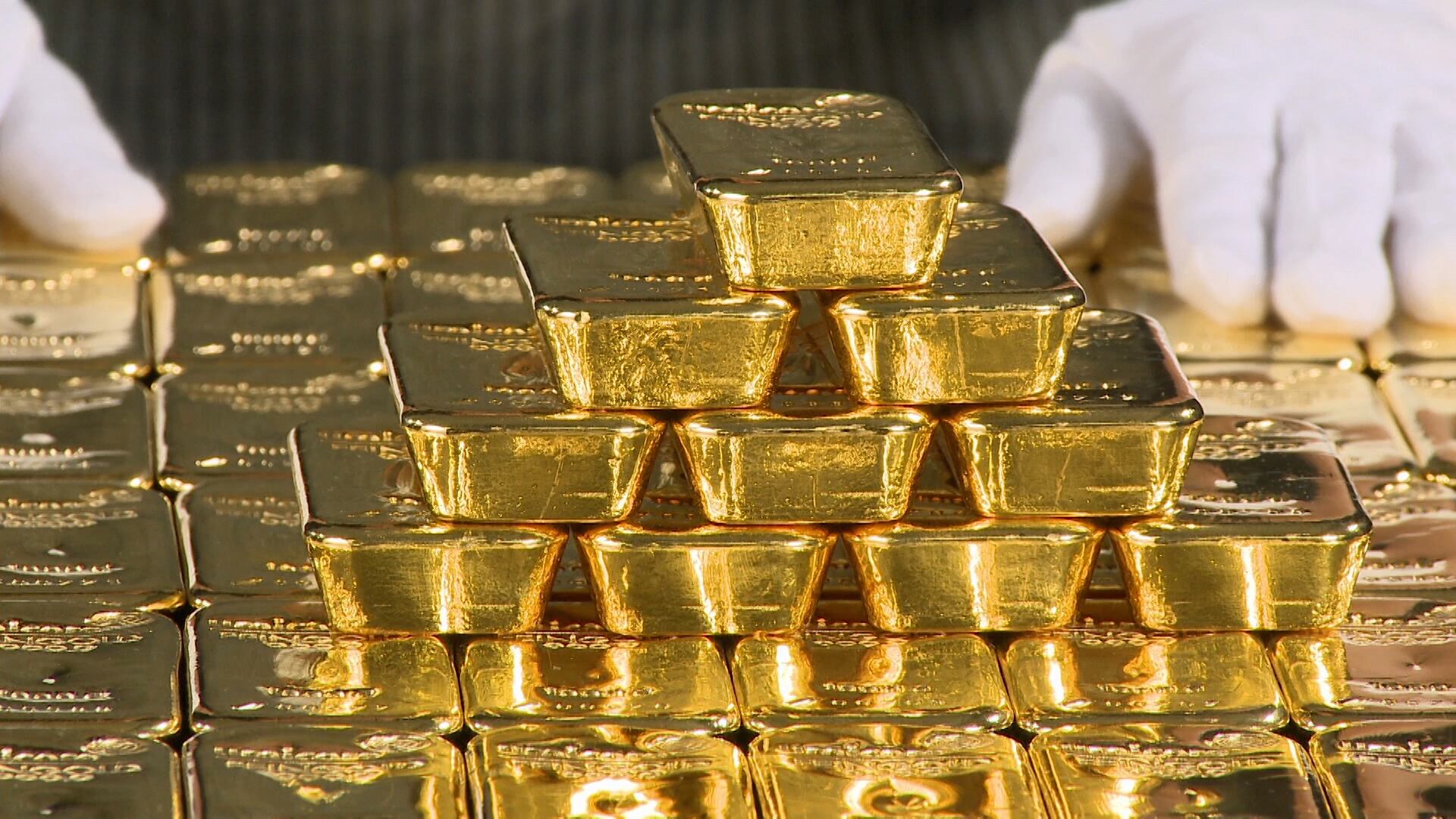
As the Russia-Ukraine war disrupts the global economy, sending markets on a roller coaster ride, gold remains hovering around $2,000 an ounce. Often seen as a safe haven in times of economic crisis, Jason Cozens, founder and CEO of gold-as-currency platform Glint Pay, joined Cheddar’s Opening Bell to discuss the latest gold rush, how the war is impacting prices, and how people can use Glint to trade in the precious metal. “You know the stock markets and cryptocurrencies are risky investments," he stated. "Whereas gold is just reliable money. It's no one else's liability if you own."
As Western sanctions weigh on Russia's economy, the country is at the risk of defaulting on its debt. Fitch ratings agency has downgraded Russia's debt for the second time in a week, warning a "sovereign default is imminent." Jesse Wheeler, Economic Analyst at Morning Consult, explains what that means, and how it could have ripple effects across the global economy.