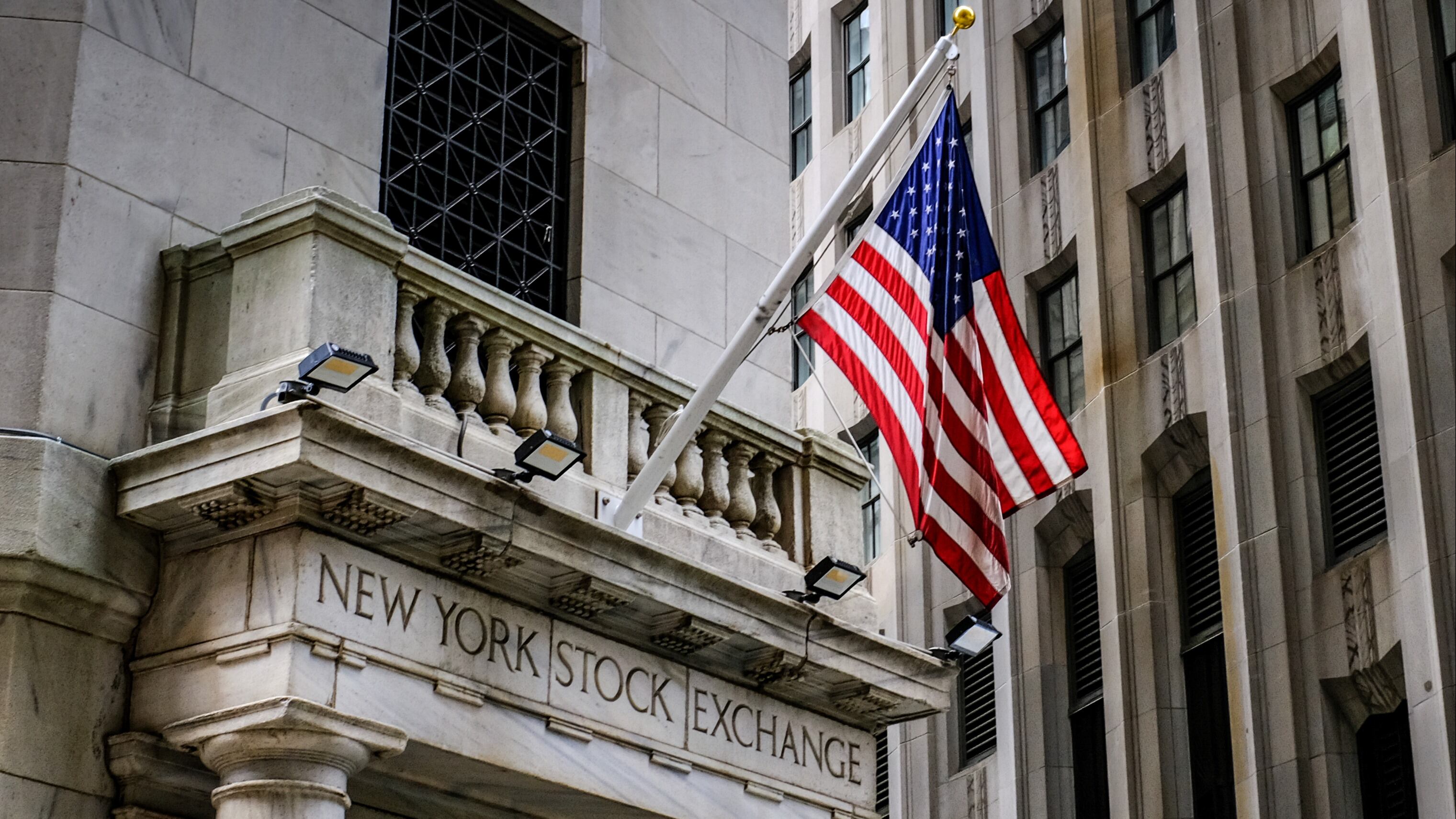
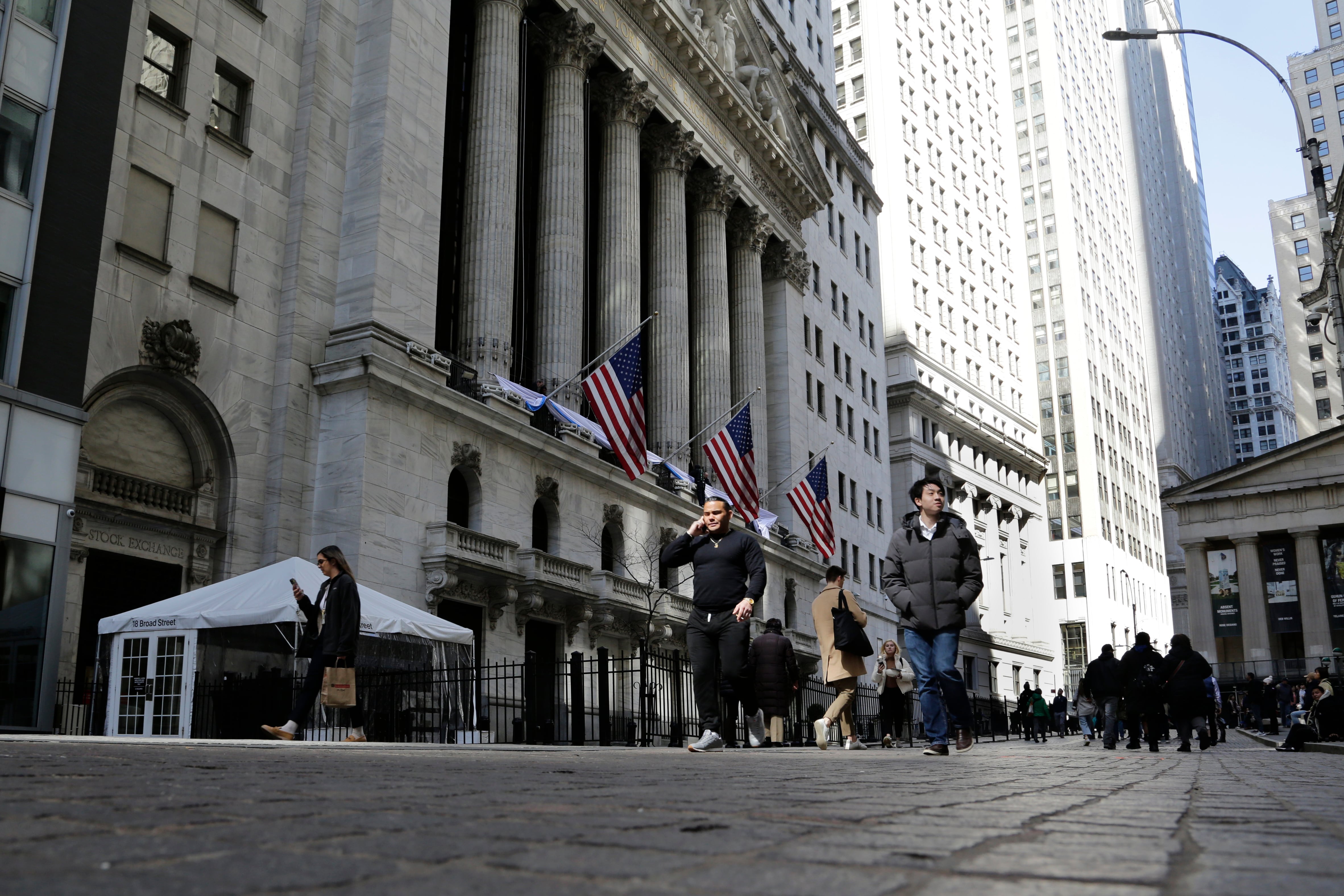
*By Carlo Versano* Over the last decade, as the ground underneath traditional retailers shifted, one segment of the market seemed averse to the changes. Luxury brands, unwilling to follow what was perceived as a downmarket strategy, sat back as Amazon ($AMZN) and direct-to-consumer upstarts chipped away at their customer base. But then came Farfetch ($FTCH), an online marketplace built exclusively for luxury retailers and their discerning customers. On Friday, Farfetch debuted to fanfare at the NYSE ー with shares priced above the range and jumping more than 50 percent at the highs of the day. CEO José Neves, a Portuguese entrepreneur who launched the company in 2008, told Cheddar that Farfetch has been an "enabler" of the luxury industry, forging partnerships directly with fashion houses as their exclusive digital marketplace. "We have been investing ahead of the curve," Neves said. London-based Farfetch offers access to over 600 retailers and 375 brands on its marketplace ー the vast majority are exclusive. Neves is perhaps less worried than other retail CEOs that his partners will turn to Amazon, largely because luxury brands have resisted putting their expensive, high-end products on a website where they might appear next to toilet paper or cat food. The company's ability to protect fashion houses against brand dilution has been key to its growth, Neves said. Additionally, as a sort of hedge against direct-to-consumer retailing, Farfetch has developed its own digital infrastructure, called "Black and White," which lets other brands create their own e-commerce sites using the platform. But for Neves, one of the most exciting opportunities in luxury retail is, paradoxically, brick-and-mortar, which he said "hasn't been touched by digital innovation." Though consumer habits have changed broadly, they have remained stubbornly constant in the high-end space ー customers in the market for a Gucci purse or Hermès scarf still like to go to the store to see it, touch it, and eventually buy it. Neves said he recognizes that the physical retail experience will probably always be critical to luxury shoppers, but his company is trying to nudge attitudes. Only 9 percent of luxury goods are currently sold online ー Neves thinks that could go as high as 25. To help get there, Farfetch is investing in technology to bring new life to stores for brands like Chanel. "It's the next big revolution in this industry," he said. "I'm a strong believer that brick-and-mortar is here to stay." Farfetch brought in more than $260 million in revenue in the first six months of the year, a 50 percent increase from a year ago, but has yet to turn a profit. It raised more than $800 million in its offering. The stock ended its first day of trading up more than 40 percent from its IPO price. For full interview [click here](https://cheddar.com/videos/farfetch-ceo-on-companys-blockbuster-ipo).