The time has come! SpaceX has finally revealed images of the Falcon Heavy. Will Goodman, Managing Editor at Rockets are Cool, joins Cheddar to discuss what January looks like for the aerospace company.
The Falcon Heavy has 50% less thrust than the Saturn V, which brought astronauts to the moon, but will have much more power. It will run on 92% force instead of 100%, so the landing of its three rockets will hopefully be smooth. Goodman says it will be like watching Cirque du Soleil show.
Plus, the race to get a man into space could be approaching the finish line. Blue Origin, Jeff Bezos' aerospace company, announced it will send a man to space in the next year and a half. Goodman says that will most likely not happen in the allotted timeframe, but does say that 2018 will be a big year for the Elon Musk-Jeff Bezos-Richard Branson competition.
Founder and CEO Coulter Lewis told Cheddar that Sunday aims to distinguish itself within the industry by focusing on the strength of grass, rather than on killing weeds and pests.
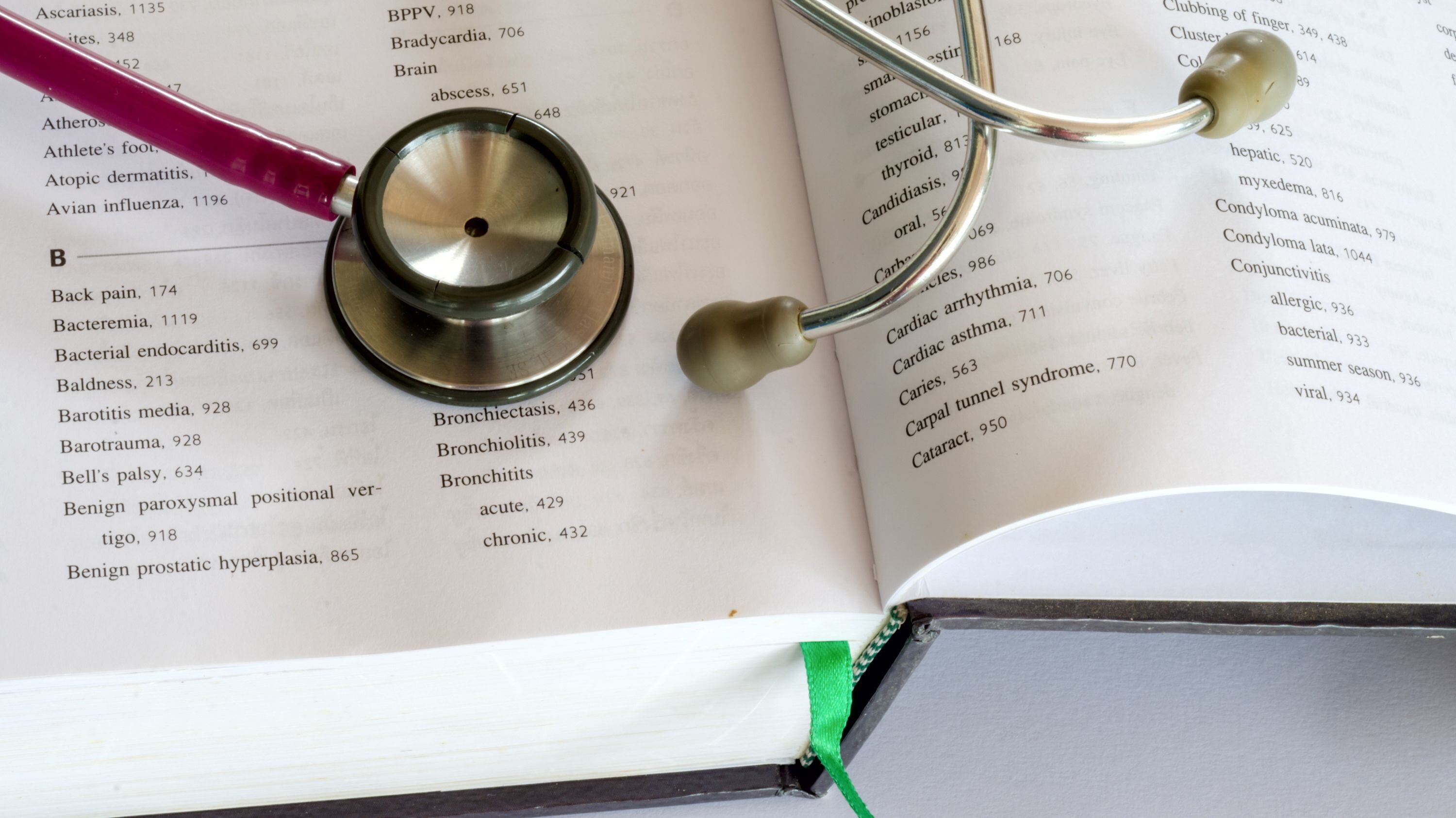
Dr. Mona Sarfaty, the director of the Medical Society's consortium on climate and health, details how the changing climate requires a change in the way future doctors are taught about public health.
The decision, announced last week, will impact about 5,600 hotels and 850,000 guest rooms, according to IHG, which operates 17 hotel brands, including Holiday Inn and Crowne Plaza.
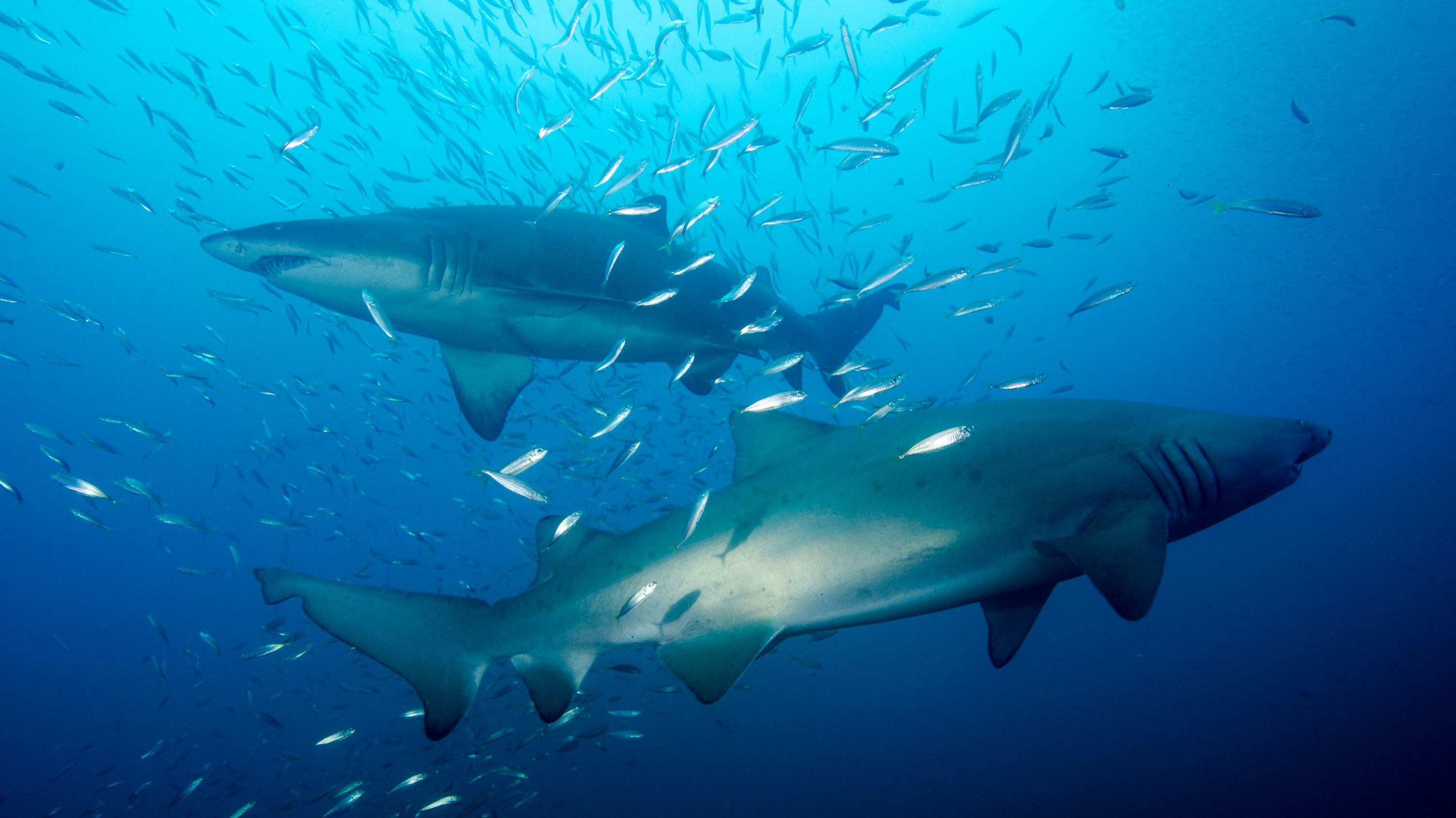
Shark Week is back for its 31st year and fans can bite into a new lineup of shows featuring some of the ocean's fiercest predators.
Digital health company Livongo had a successful public debut Thursday on the Nasdaq. It's the latest in a wave of digital health companies entering the public markets. Hemant Taneja, managing director at General Catalyst, joins Cheddar to discuss.
Smart glass, which comes with its own IP address, is being installed in office buildings around the country. Rao Mulpuri, CEO of View, which makes smart glass, joined Cheddar to discuss how his company’s windows can actually improve worker productivity.
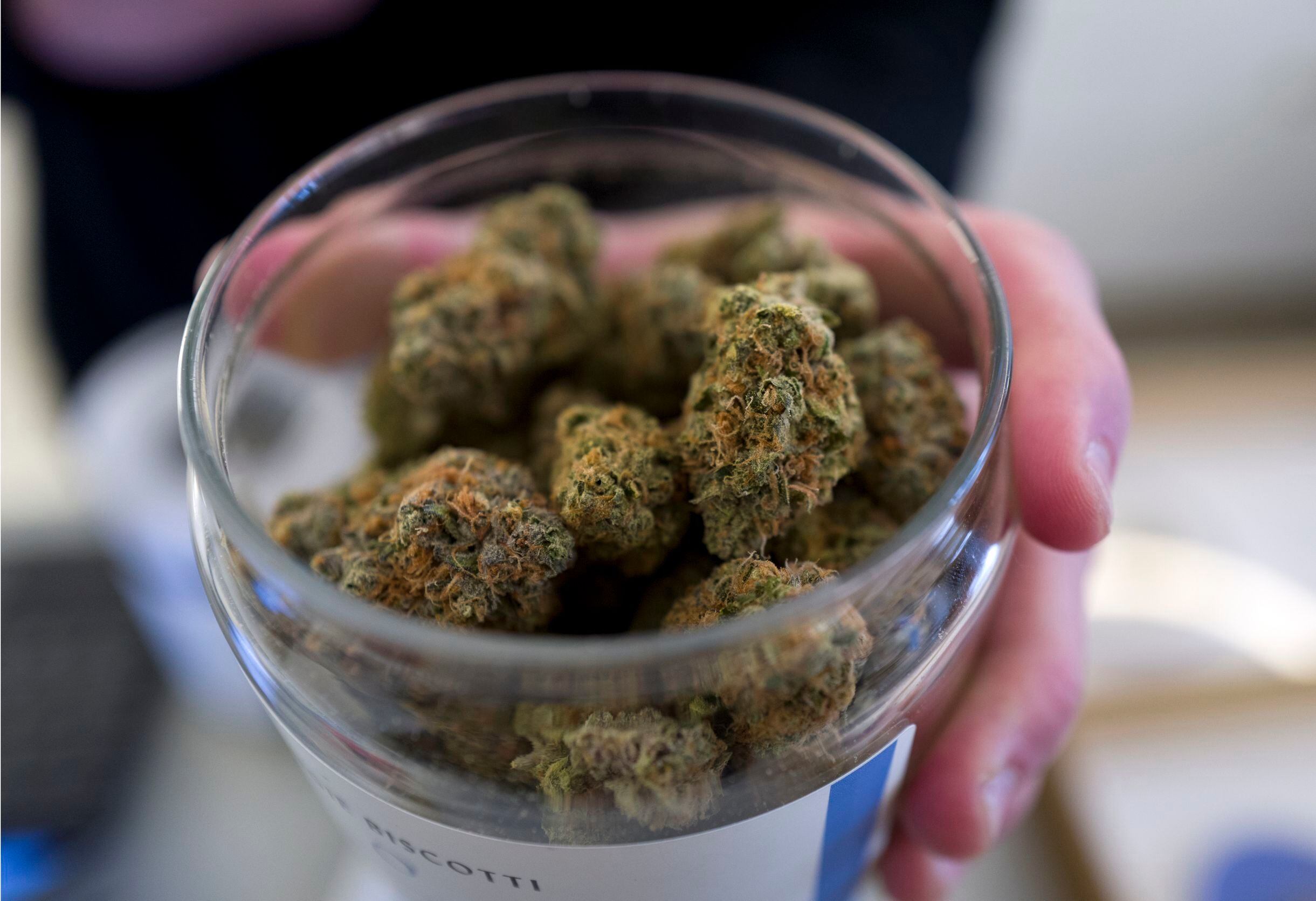
ELLO Capital will focus on guiding U.S.-focused cannabis, hemp, and ancillary companies through mergers and acquisitions, capital raises and private placements. The company also aims to assist “traditional cpg companies that are looking at how to navigate the CBD or cannabis world,” like Altria, Diageo, and Constellation.
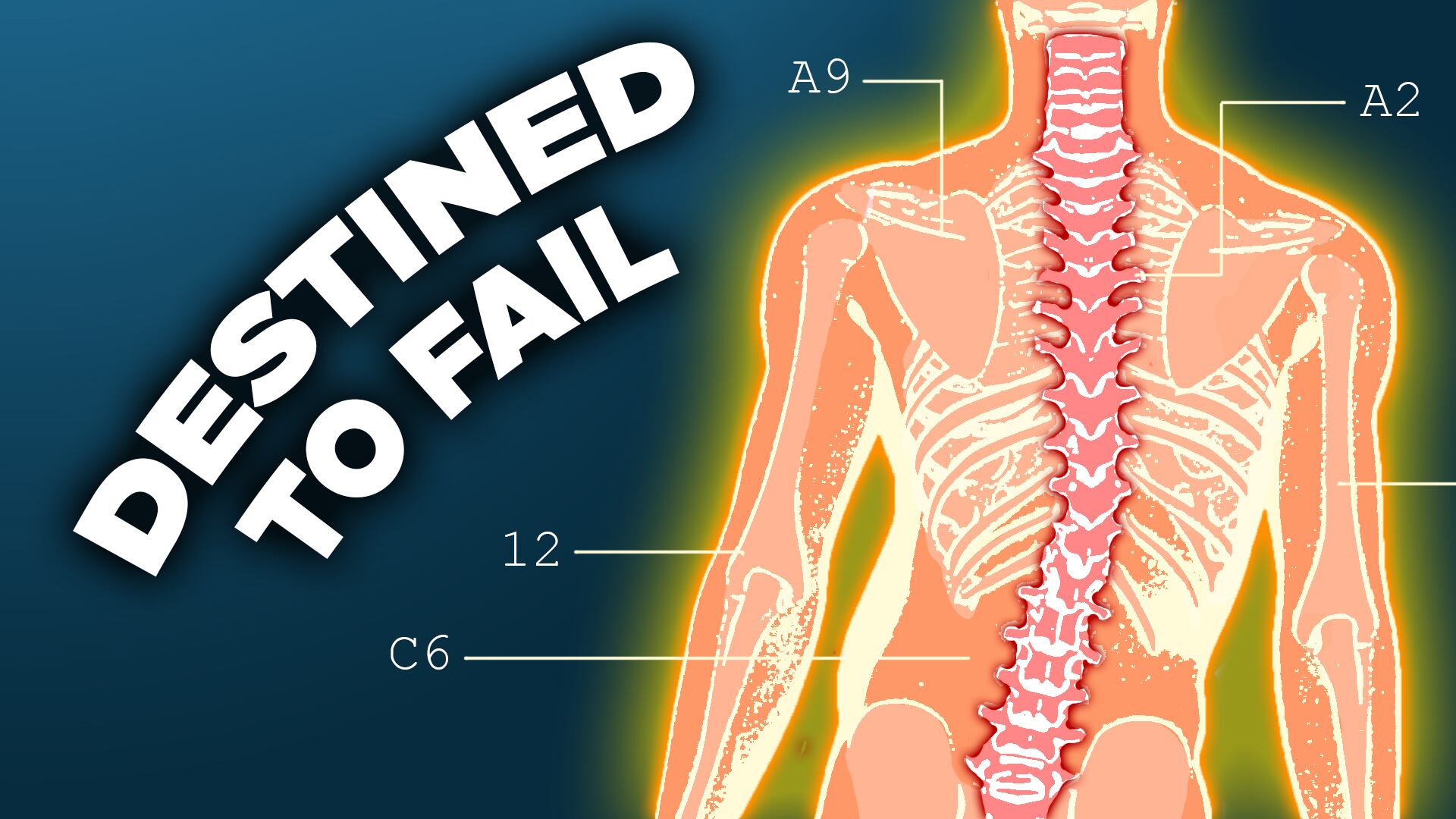
Everyone who lives long enough is likely to experience back pain. And the cause isn't just aging. We have evolution to blame for a spine that's an engineering nightmare. Cheddar Explores how our spines changed to accommodate human bipedalism.
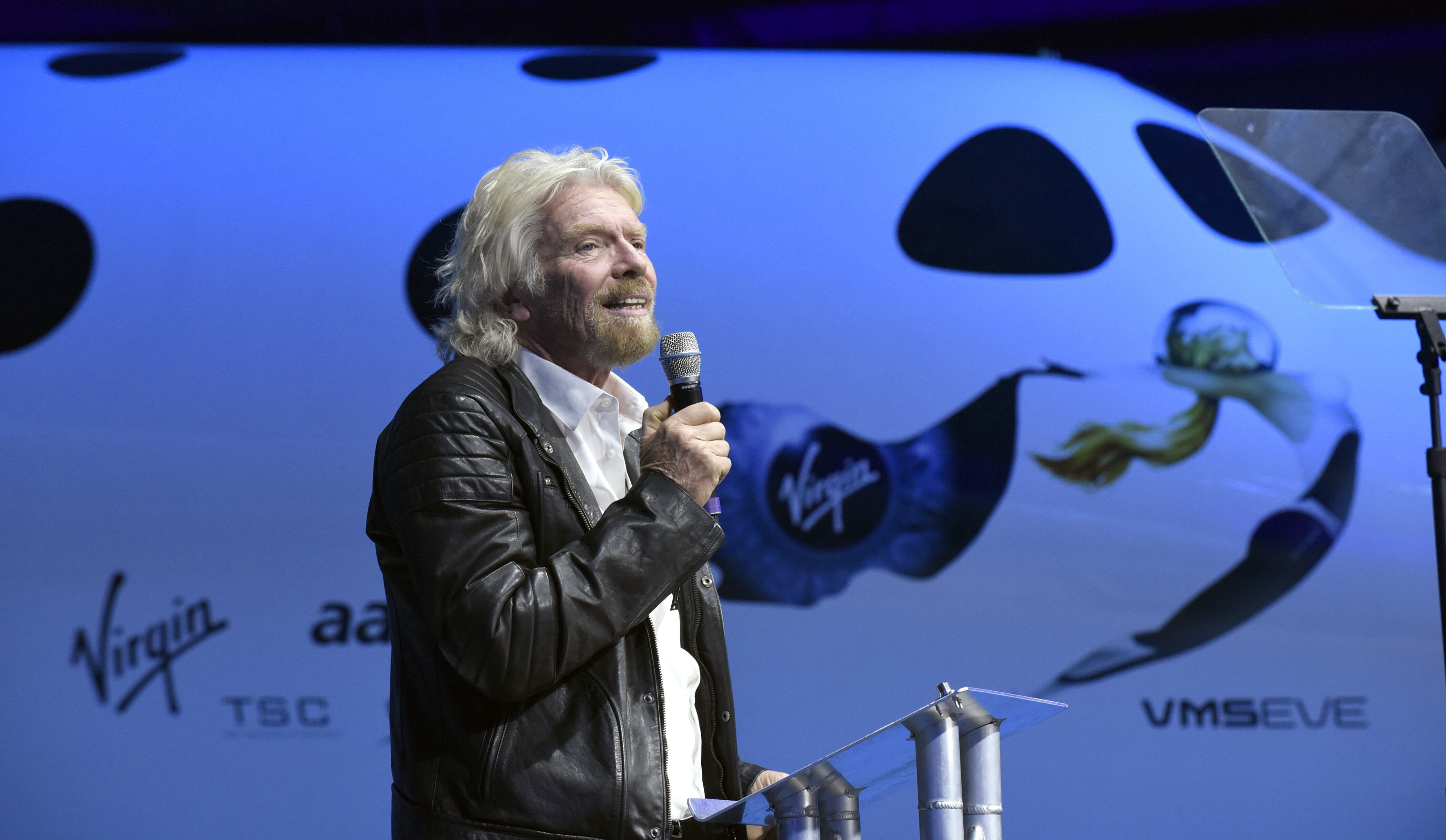
The modern-day space race just took a major step toward maturity, with Sir Richard Branson's announcement that Virgin Galactic will go public. When it lists later this year, Virgin will become the first publicly traded space-tourism company.
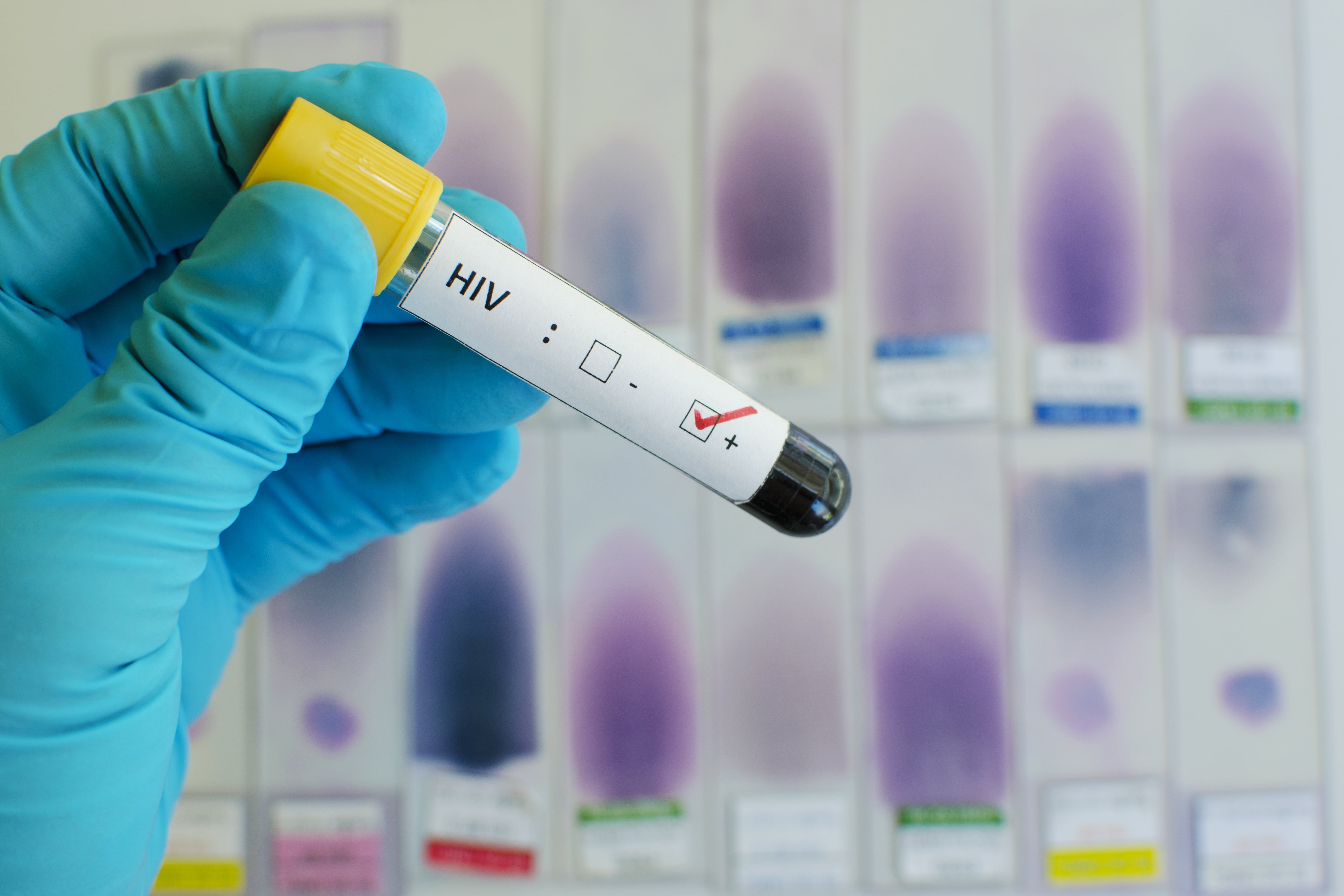
Researchers at the University of Nebraska Medical Center and Temple University reported using gene therapy to eradicate HIV in mice. Now the team is considering how to turn that into a life-saving cure for humans.