The time has come! SpaceX has finally revealed images of the Falcon Heavy. Will Goodman, Managing Editor at Rockets are Cool, joins Cheddar to discuss what January looks like for the aerospace company.
The Falcon Heavy has 50% less thrust than the Saturn V, which brought astronauts to the moon, but will have much more power. It will run on 92% force instead of 100%, so the landing of its three rockets will hopefully be smooth. Goodman says it will be like watching Cirque du Soleil show.
Plus, the race to get a man into space could be approaching the finish line. Blue Origin, Jeff Bezos' aerospace company, announced it will send a man to space in the next year and a half. Goodman says that will most likely not happen in the allotted timeframe, but does say that 2018 will be a big year for the Elon Musk-Jeff Bezos-Richard Branson competition.
Cheddar's Need2Know Podcast for Thurs., June 18, 2020.
Cheddar's Need2Know Podcast for Wed., June 17, 2020.
Cheddar's Need2Know Podcast for Tues., June 16, 2020.
From milk to canned tuna to shampoo, soy is in a good majority of our day-to-day products. It’s added to around 60% of the nation’s processed foods. Soy has been known to provide some real health benefits, like high protein. But there are legitimate health and environmental consequences that raise the question: why do we use so much soy? And should we?
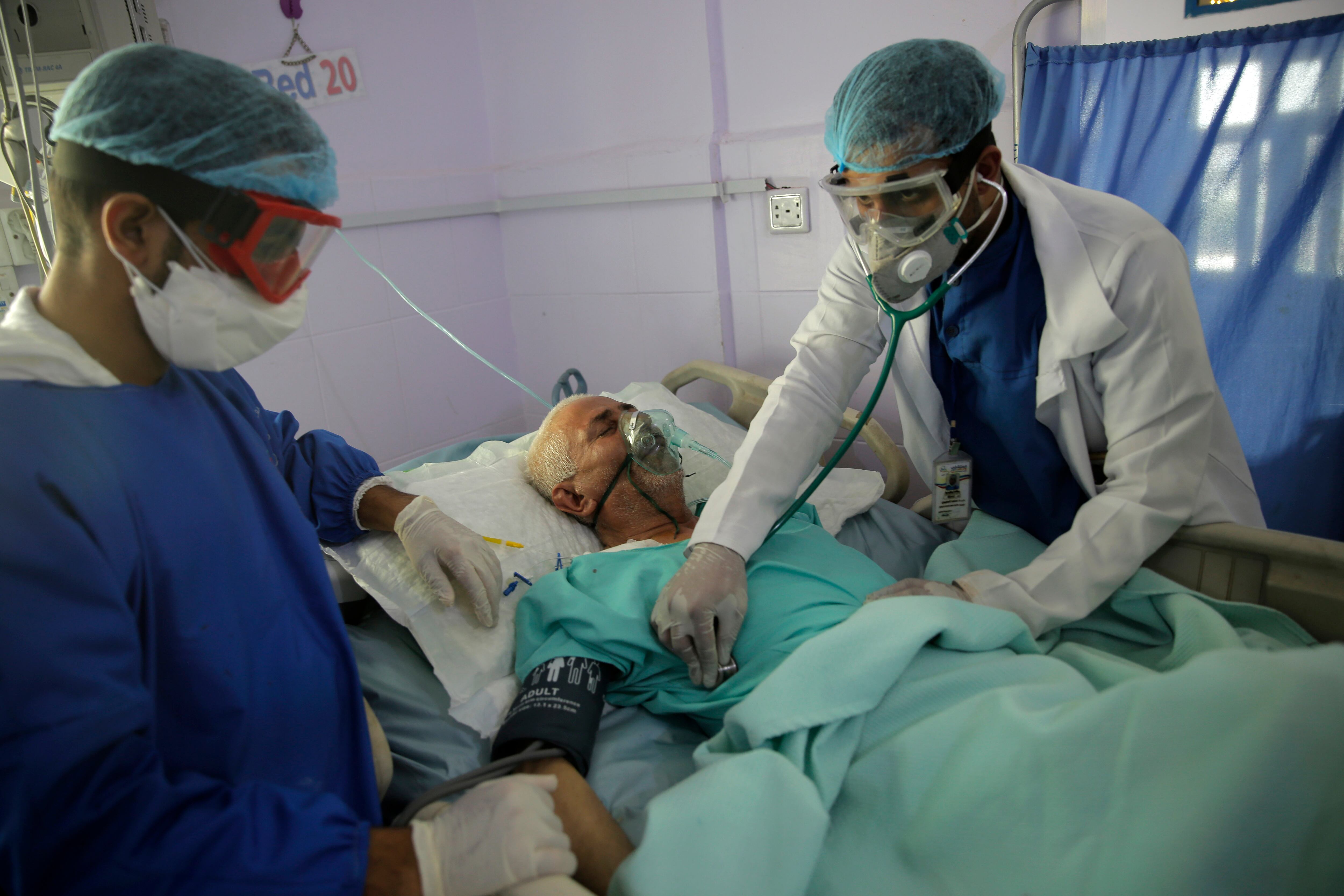
Researchers in England say they have the first evidence that a drug can improve survival from COVID-19. The drug is a cheap, widely available steroid called dexamethasone.
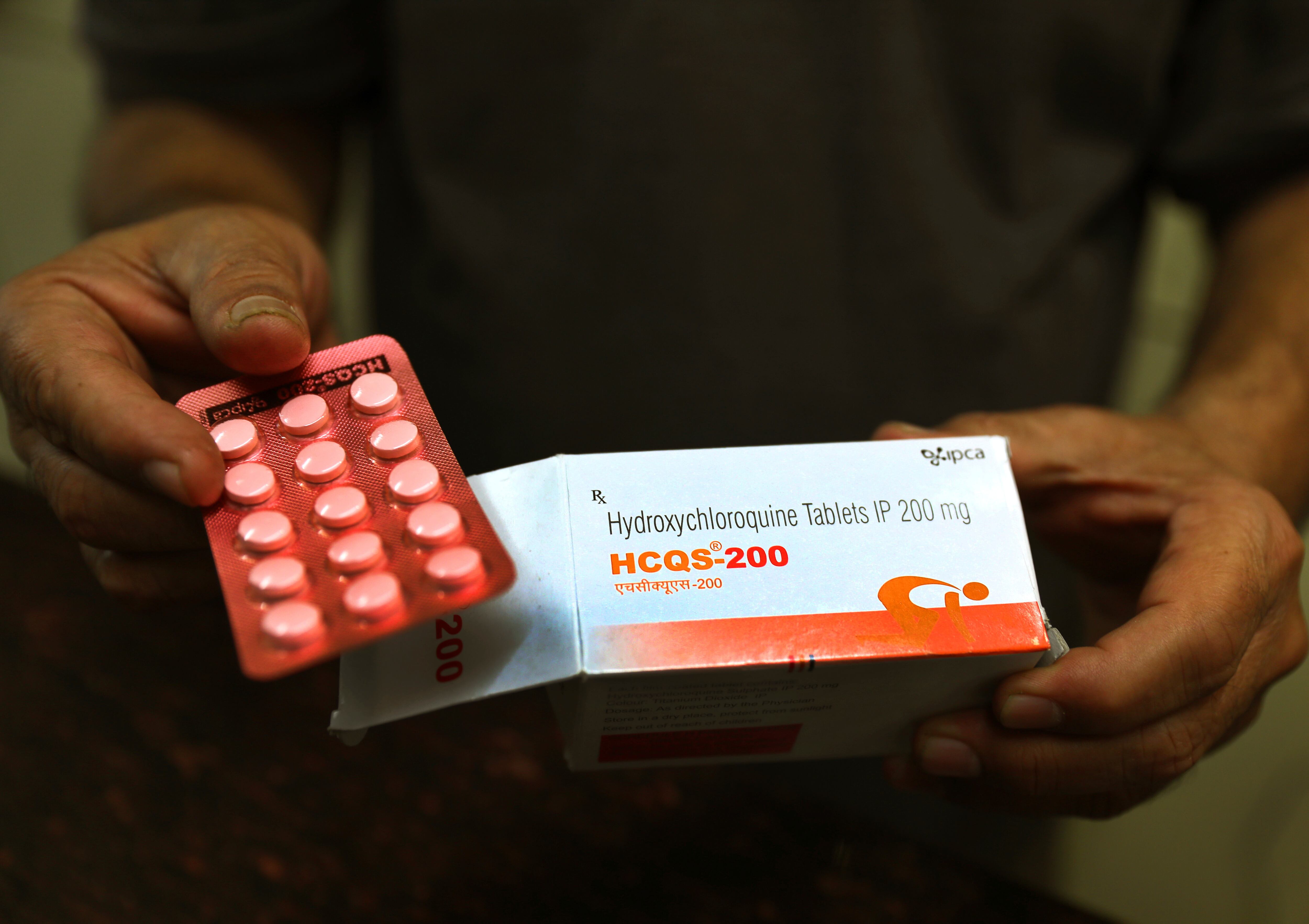
The Food and Drug Administration said Monday that the drugs hydroxychloroquine and chloroquine are unlikely to be effective in treating the coronavirus.
As the number of coronavirus cases continues to rise in the U.S., Johnson & Johnson's chief scientific officer Dr. Paul Stoffels told Cheddar the company has an accelerated plan to create a vaccine.
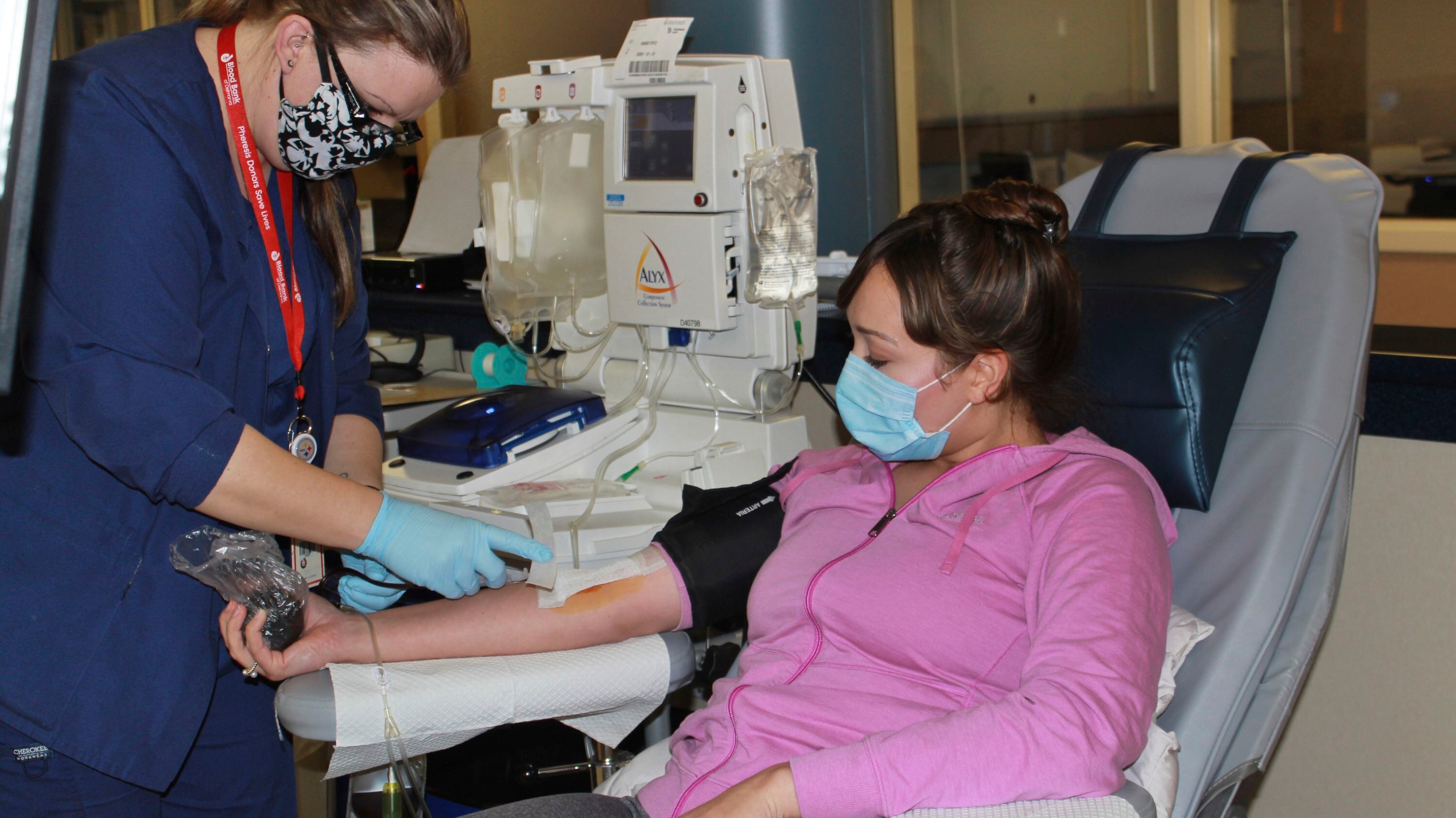
Scientists are beginning a new study to tell if the blood plasma of COVID-19 survivors might help prevent infection in the first place.
Coronavirus cases are rising in nearly half the U.S. states. And while many are chalked up to increased testing or to small, local outbreaks, others are more alarming.
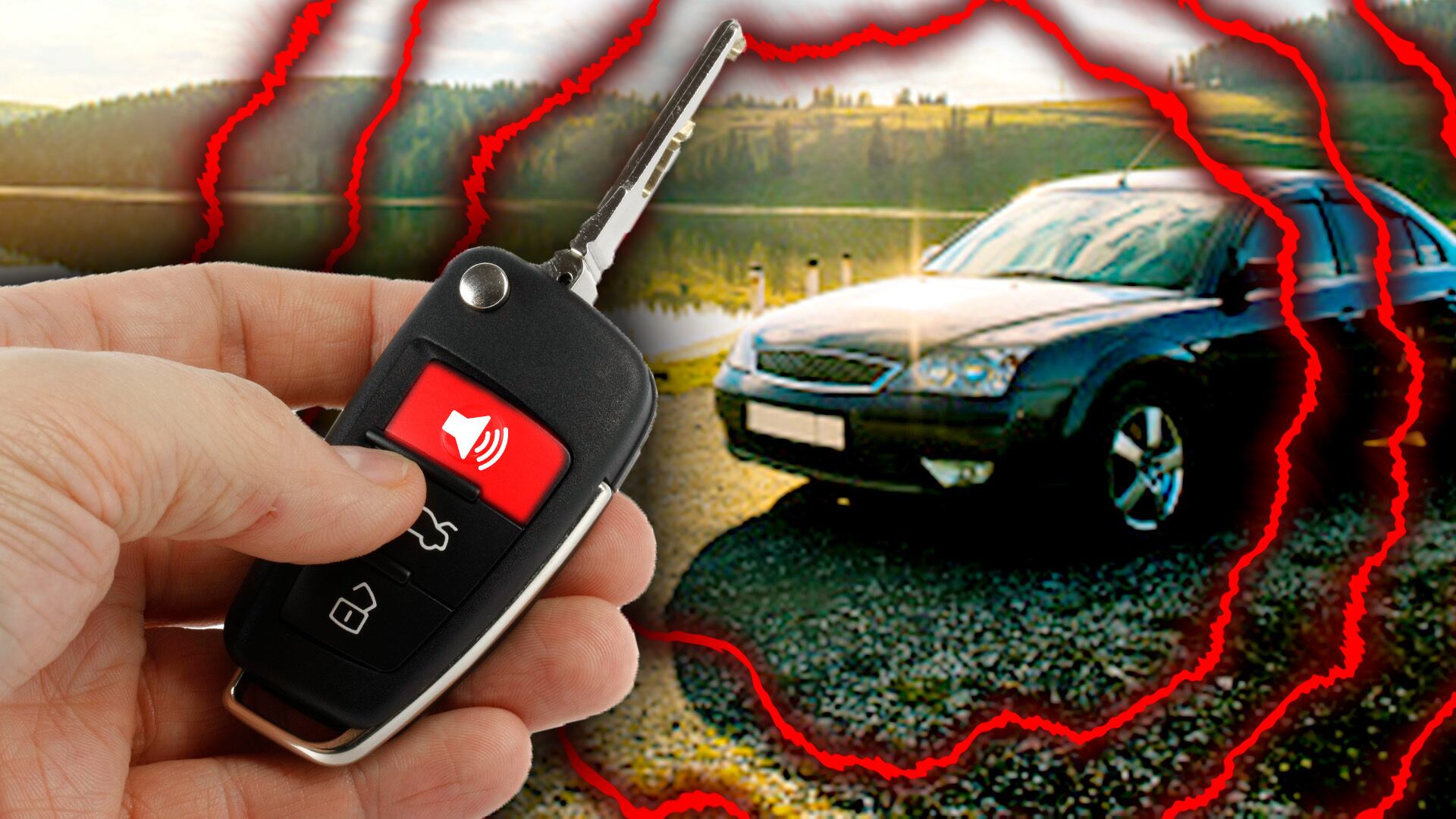
If you lived in a big city in the 90s, you're probably one of the unlucky people who was kept up at night on a regular basis by errant car alarms. But today, those in that same big city hear alarms far less often than you did. So where did car alarms go? How have they evolved, and did we ever need them to begin with?