The time has come! SpaceX has finally revealed images of the Falcon Heavy. Will Goodman, Managing Editor at Rockets are Cool, joins Cheddar to discuss what January looks like for the aerospace company.
The Falcon Heavy has 50% less thrust than the Saturn V, which brought astronauts to the moon, but will have much more power. It will run on 92% force instead of 100%, so the landing of its three rockets will hopefully be smooth. Goodman says it will be like watching Cirque du Soleil show.
Plus, the race to get a man into space could be approaching the finish line. Blue Origin, Jeff Bezos' aerospace company, announced it will send a man to space in the next year and a half. Goodman says that will most likely not happen in the allotted timeframe, but does say that 2018 will be a big year for the Elon Musk-Jeff Bezos-Richard Branson competition.
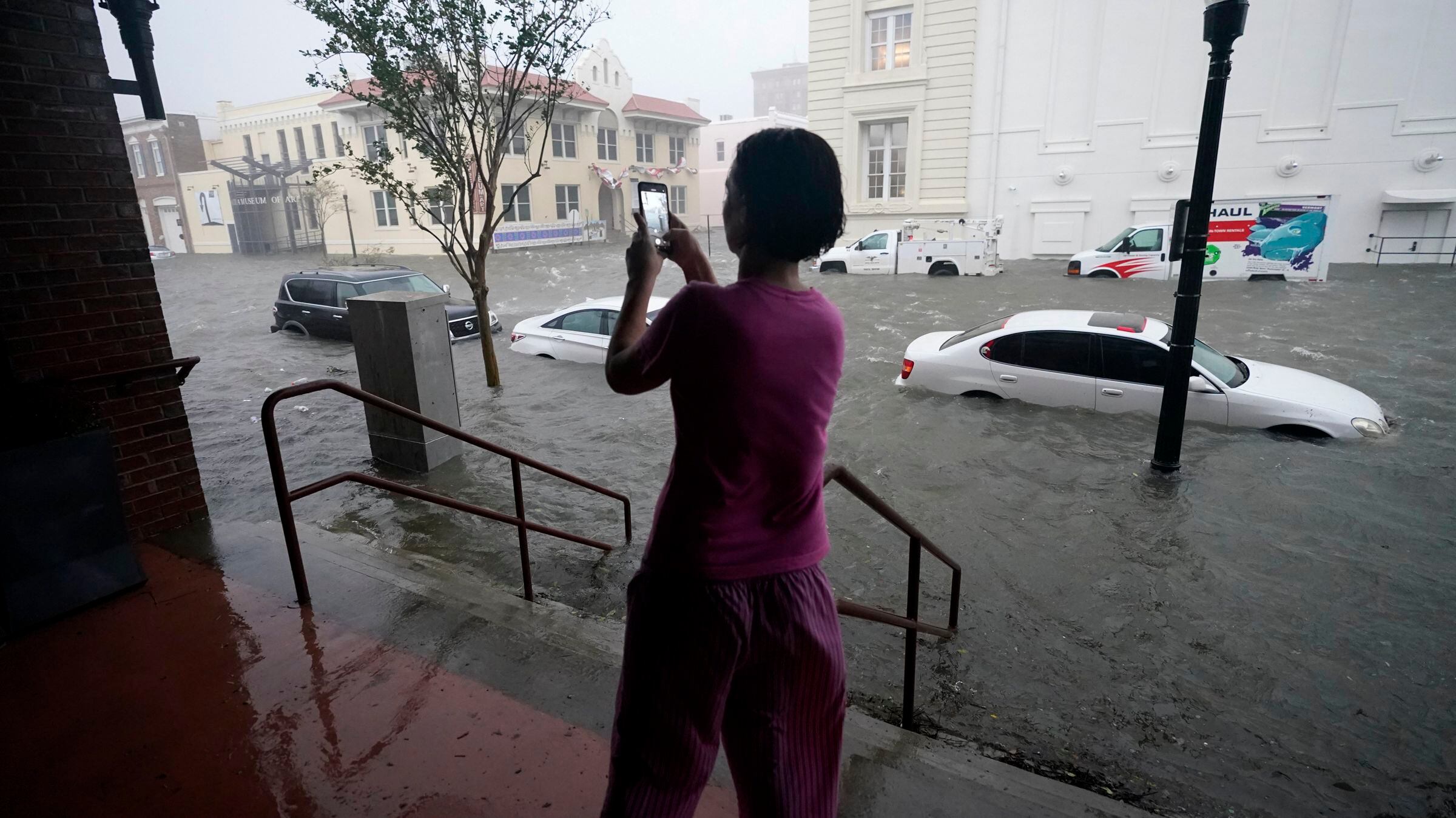
Hurricane Sally has lumbered ashore near Gulf Shores, Alabama, as a Category 2 storm, with top winds of 105 mph.
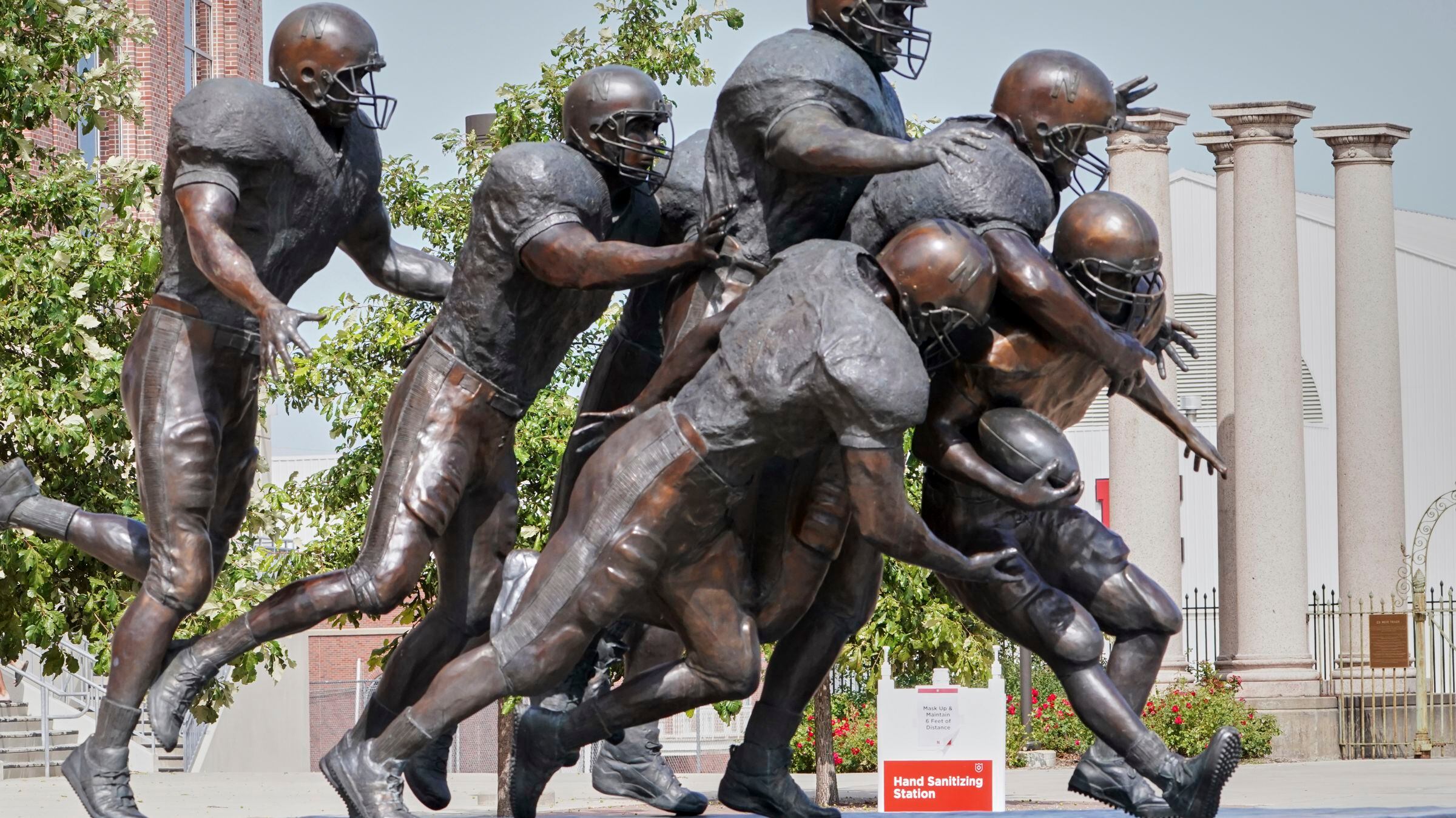
Less than five weeks after the conference announced it would push football and other fall sports to spring because of the pandemic, the conference changed course.
A new U.N. biodiversity report card highlights the decline over the past 10 years in fragile ecosystems such as coral reefs and tropical forests.
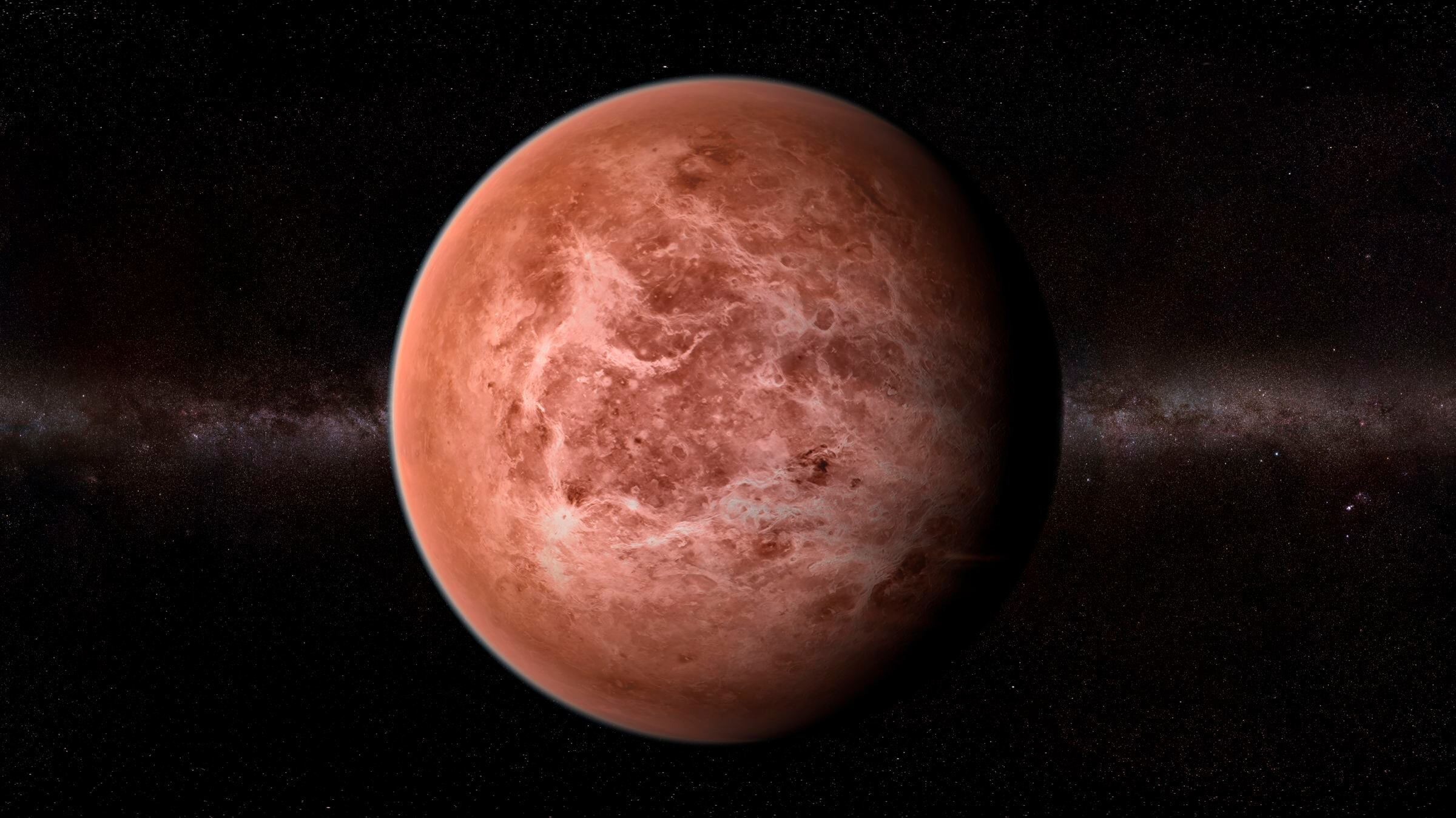
Astronomers looking at the atmosphere in neighboring Venus see something that might just be a sign of life. In a study published Monday, they say they found the chemical signature of a noxious gas called phosphine.
As people seek new ways to cope and treat psychiatric disorders like depression and anxiety, Ketamine is growing in popularity as doctors describe improvements in patients. Cheddar's Chloe Aiello reports.
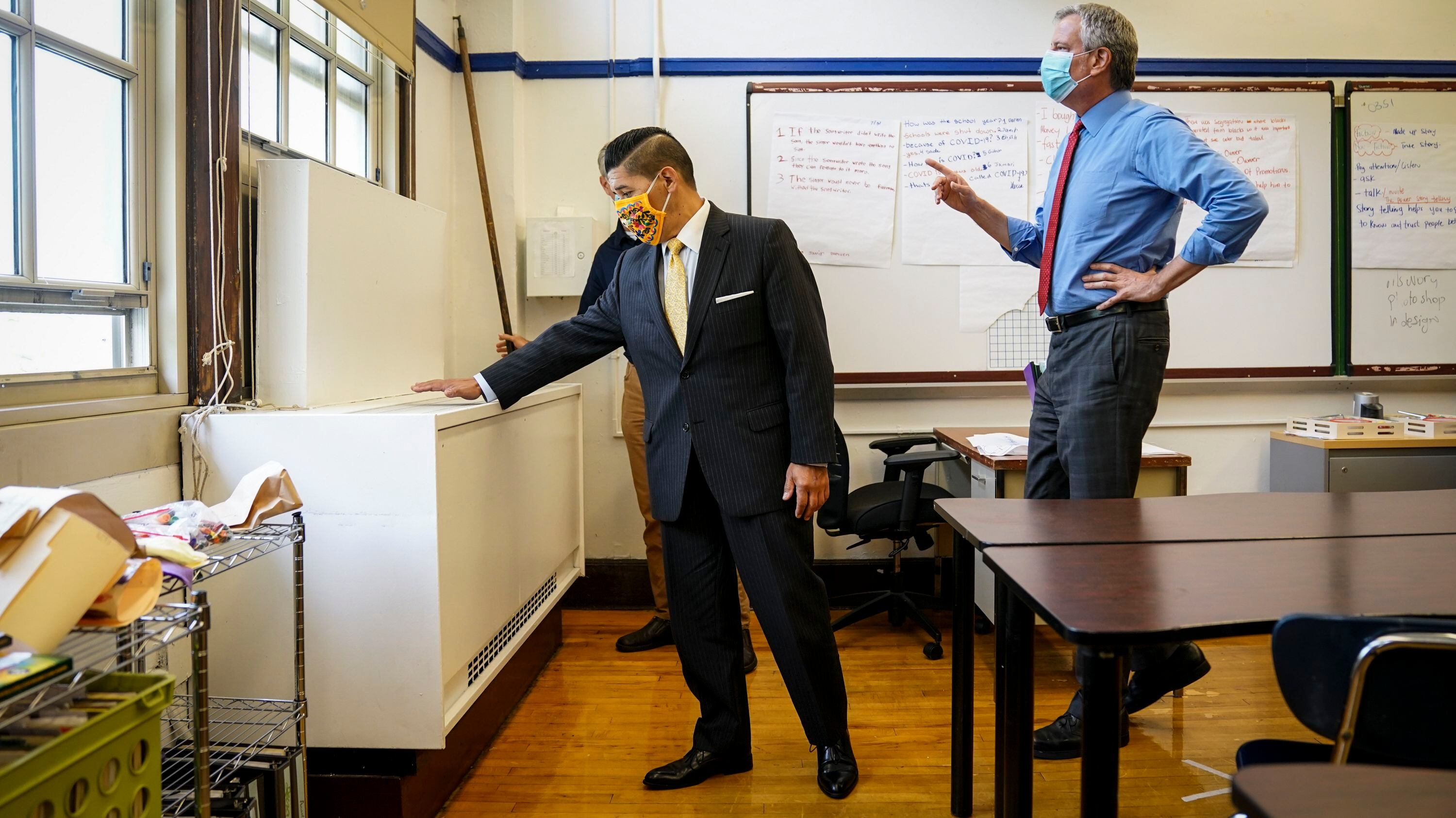
Figuring out best practices when it comes to preventing airborne transmission is inherently challenging though, especially when it comes to the technical aspects of retrofitting ventilation systems.
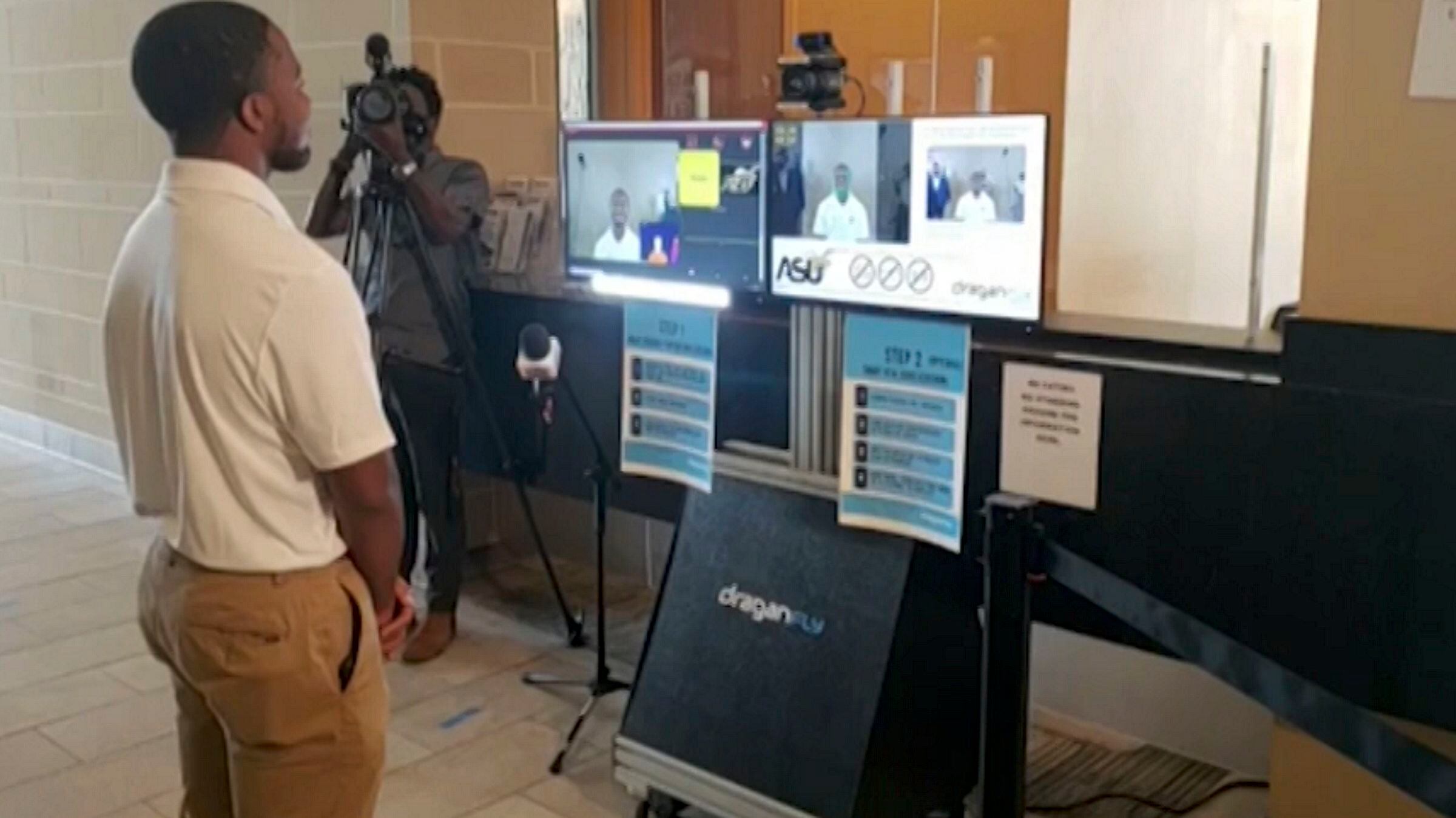
Alabama State University has managed to keep COVID-19 infections at zero despite rising cases on college campuses. University president, Quinton Ross, Jr, joined Cheddar to discuss new technology that scans for coronavirus symptoms.
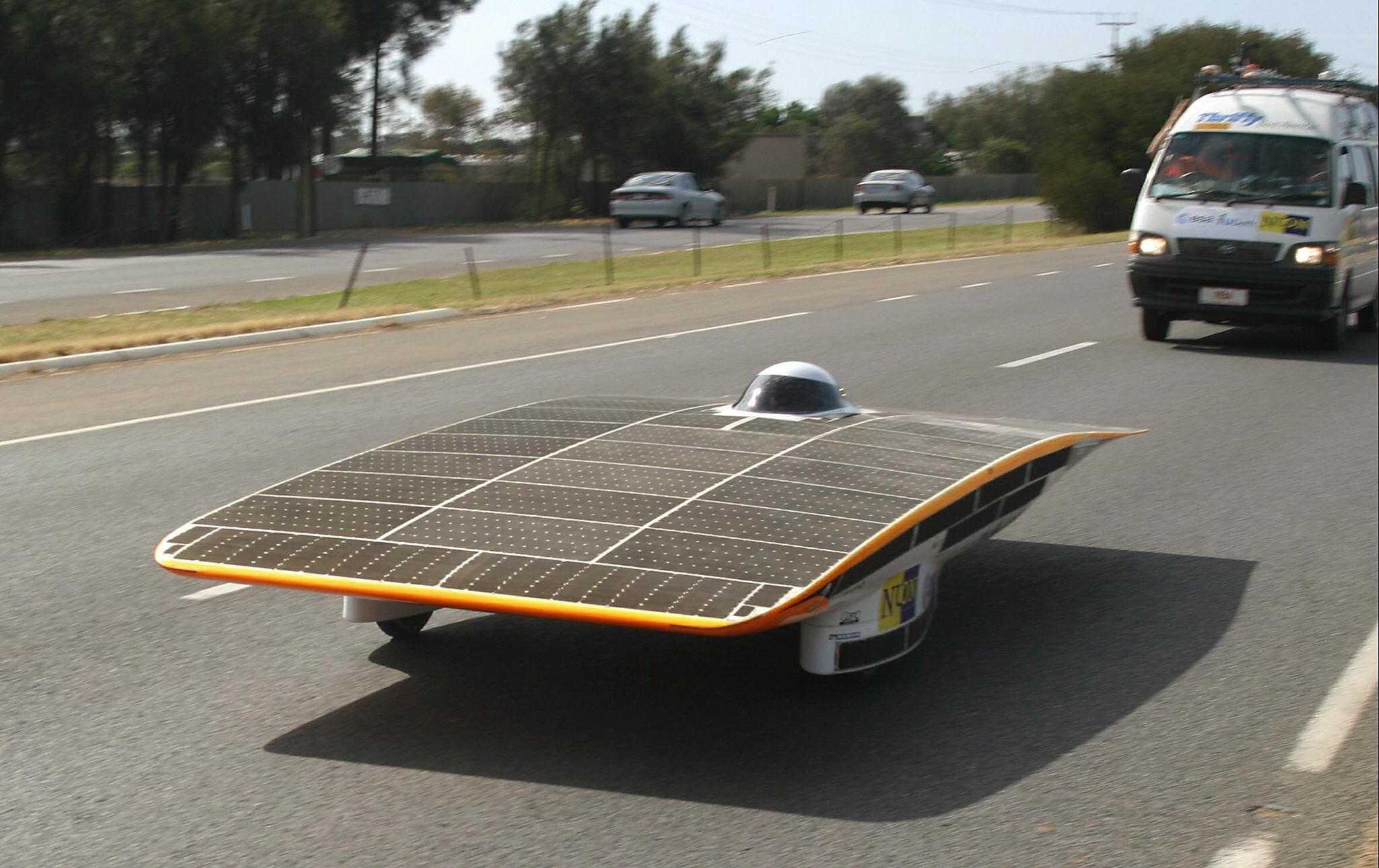
In the 1980's and 90's, the solar car was deemed the future of transportation. Yet, just as quickly as it arrived, the solar car disappeared. But today, as the problems caused by our reliance on fossil fuels have grown, so has a demand for alternative sources of energy for our vehicles. While electric cars are rapidly gaining a larger share of the automotive market, this technology still relies on electricity from a grid often fueled by petroleum or coal. And this is why some companies today are again trying to harness the most powerful energy source we know: the sun.
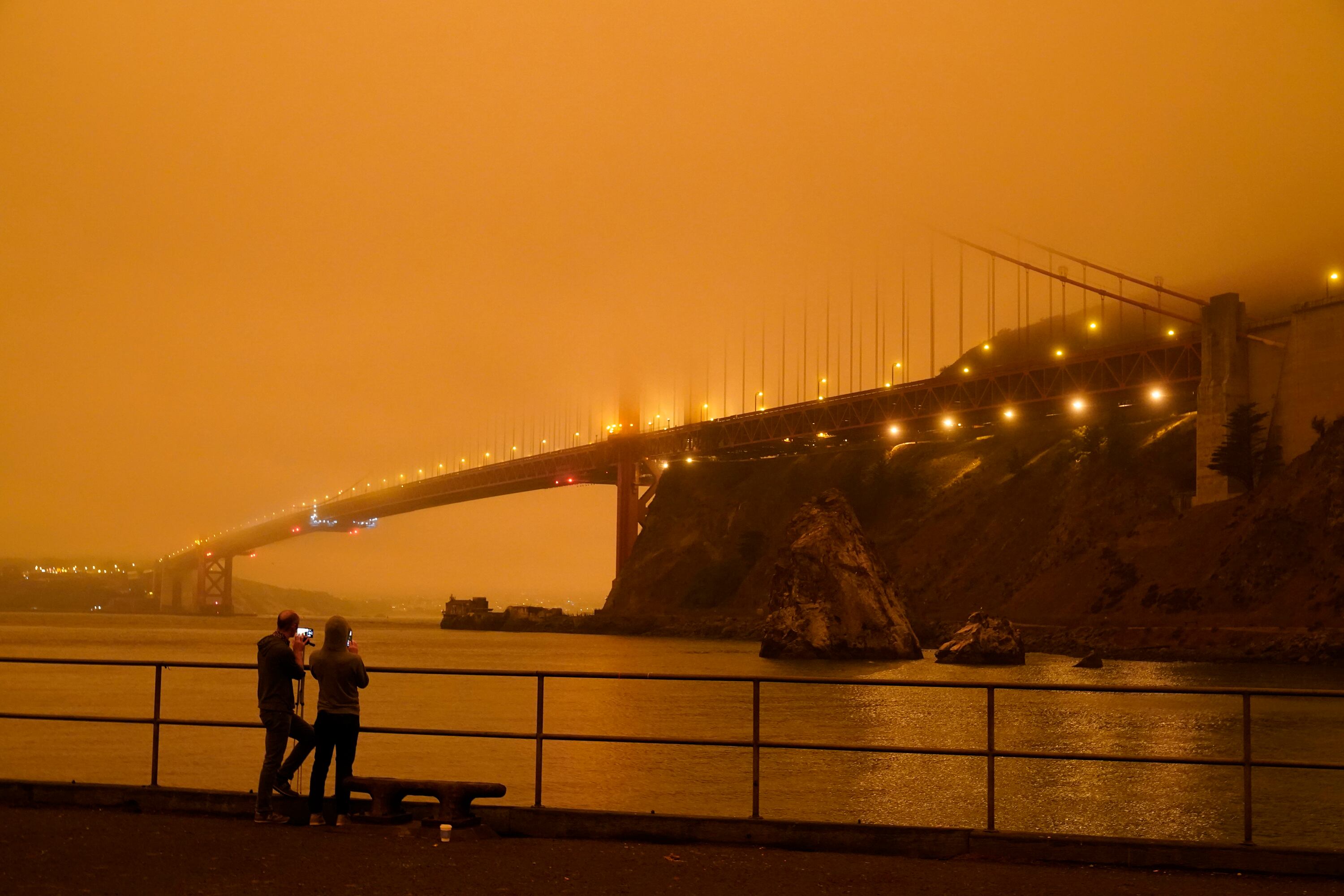
Wildfires are raging unchecked across parts of the western United States as winds sweep the region.
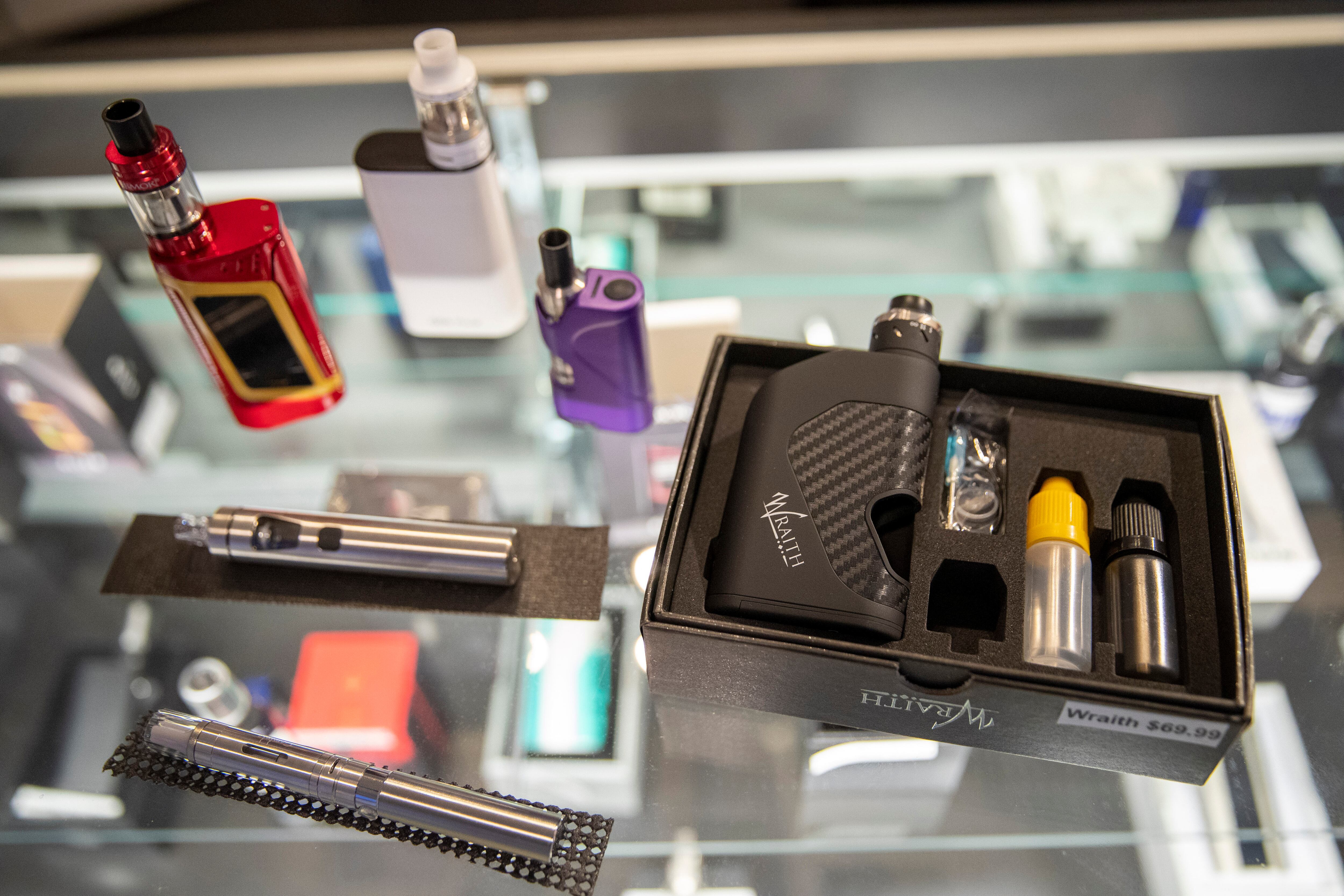
A new federal report shows vaping rates among U.S. teenagers fell dramatically this year.