The time has come! SpaceX has finally revealed images of the Falcon Heavy. Will Goodman, Managing Editor at Rockets are Cool, joins Cheddar to discuss what January looks like for the aerospace company.
The Falcon Heavy has 50% less thrust than the Saturn V, which brought astronauts to the moon, but will have much more power. It will run on 92% force instead of 100%, so the landing of its three rockets will hopefully be smooth. Goodman says it will be like watching Cirque du Soleil show.
Plus, the race to get a man into space could be approaching the finish line. Blue Origin, Jeff Bezos' aerospace company, announced it will send a man to space in the next year and a half. Goodman says that will most likely not happen in the allotted timeframe, but does say that 2018 will be a big year for the Elon Musk-Jeff Bezos-Richard Branson competition.
Here are the headlines you Need2Know for Tuesday, November 25, 2020:
Deep in the Mars-like landscape of Utah’s red-rock desert lies a mystery: A gleaming metal monolith in one of the most remote parts of the state.
Despite the expected arrival of COVID-19 vaccines in just a few weeks, it could take several months — probably well into 2021 — before things get back to something close to normal in the United States.
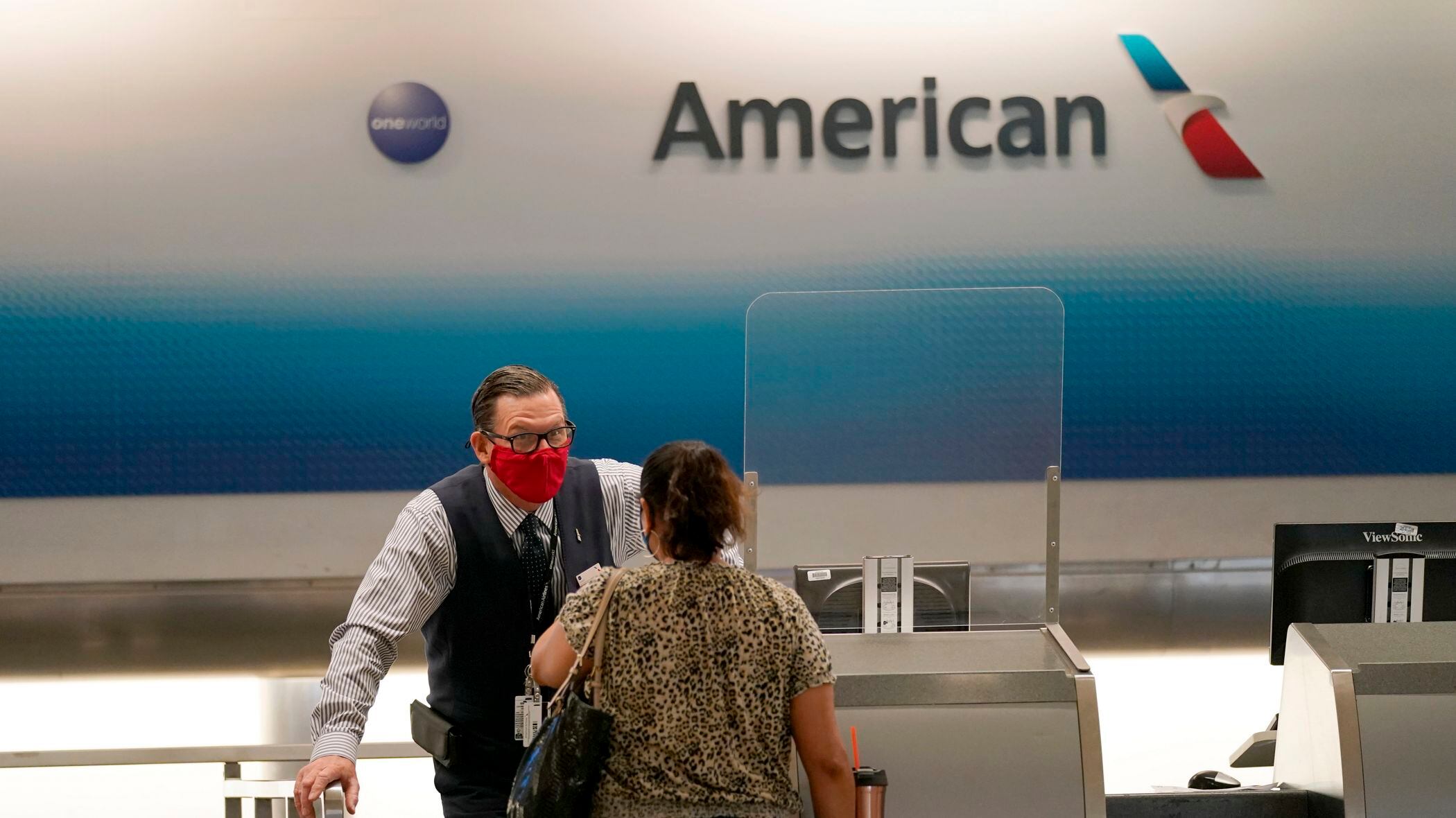
American Airlines is expanding its COVID-19 pilot pre-flight testing program to London in an effort to get more international flyers in the sky.
AstraZeneca reported that its vaccine is 90% effective and cheaper to distribute than vaccines from its competitors. Meanwhile, the U.S. is averaging 1,500 deaths per day according to Johns Hopkins.
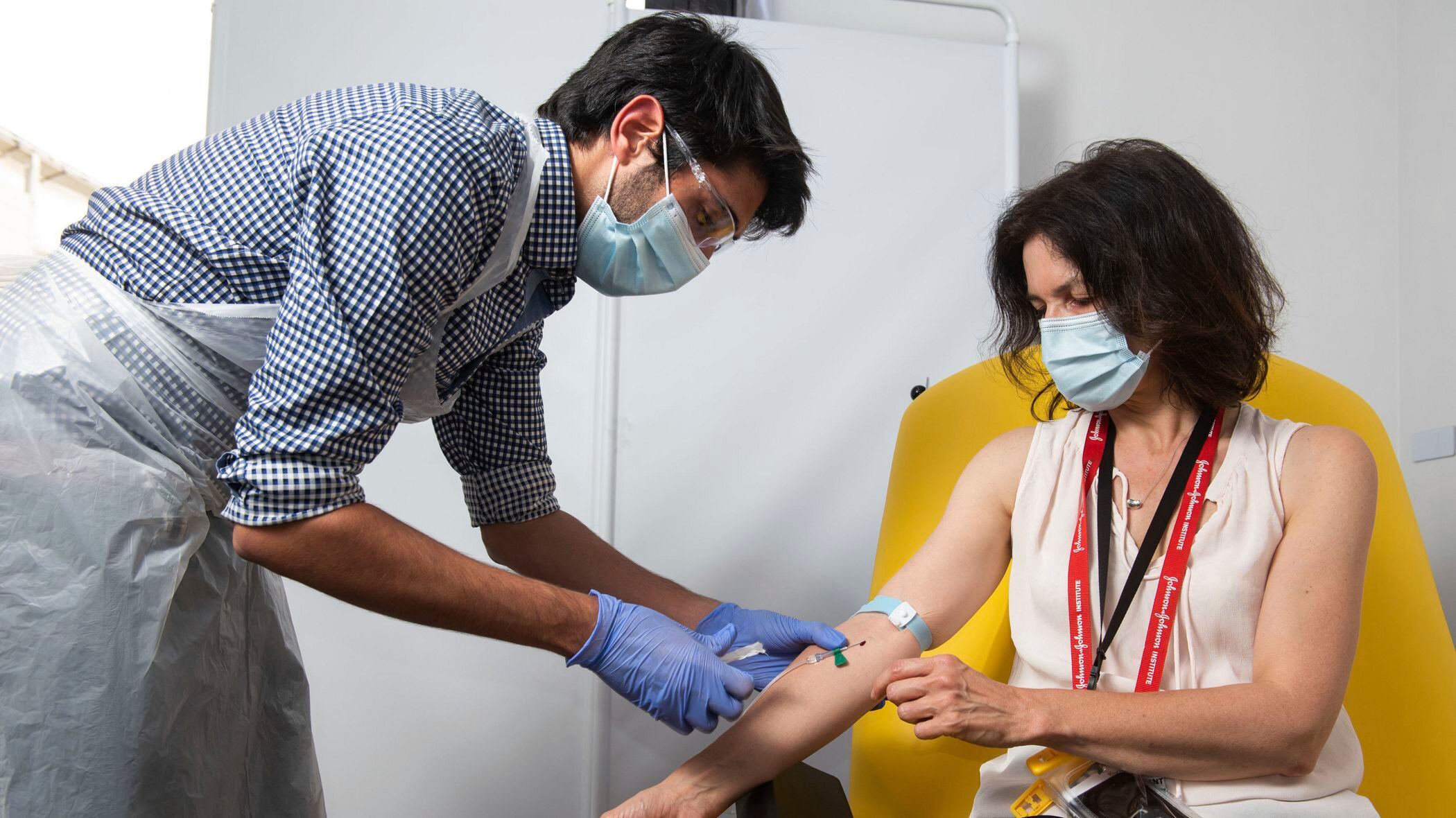
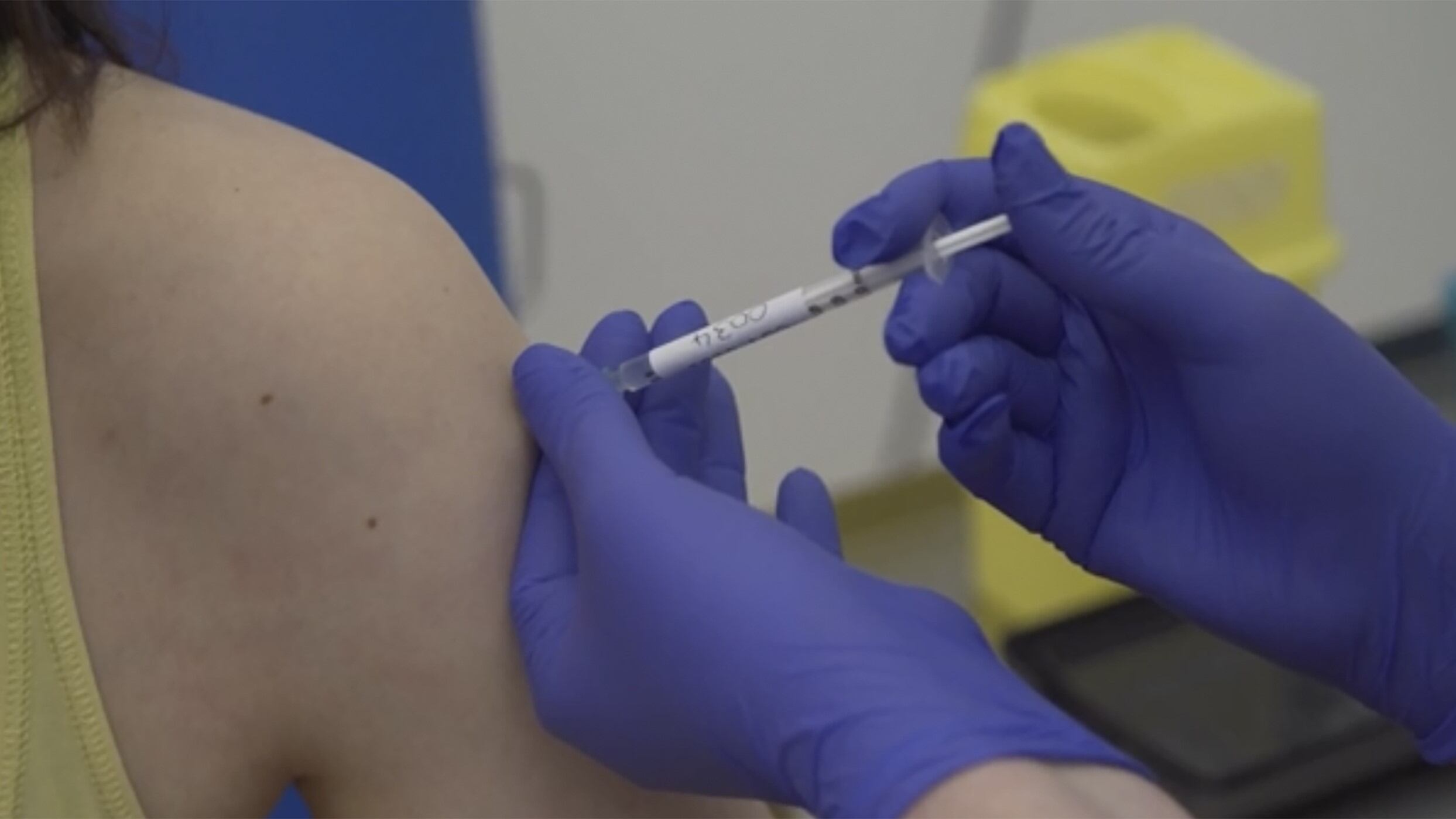
Pharmaceutical company AstraZeneca said Monday that late-stage trials showed its coronavirus vaccine was up to 90% effective, giving public health officials hope they may soon have access to a vaccine that is cheaper and easier to distribute than some of its rivals.
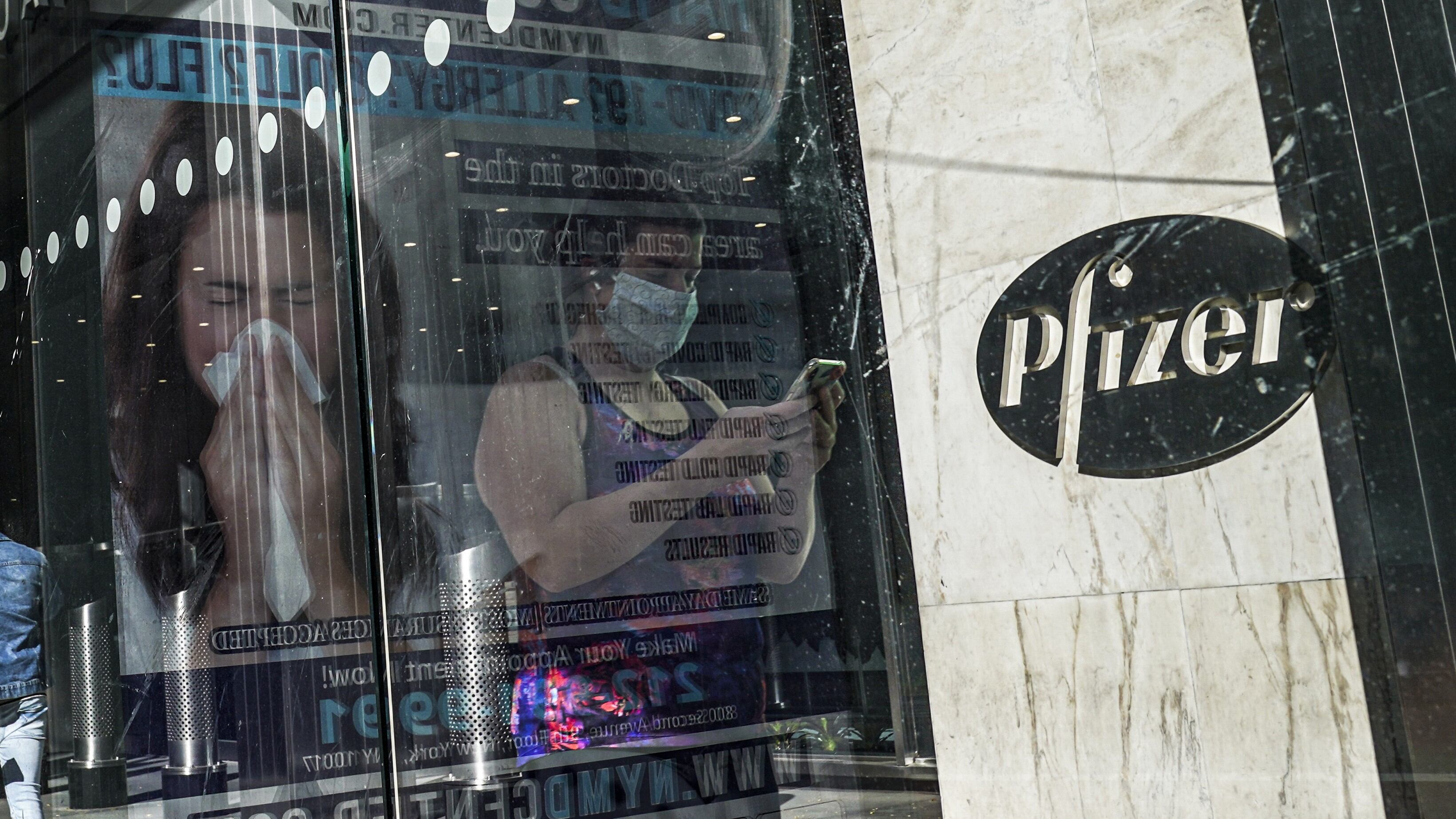
Pfizer said Friday it is asking U.S. regulators to allow emergency use of its COVID-19 vaccine, starting the clock on a process that could bring limited first shots as early as next month and eventually an end to the pandemic -- but not until after a long, hard winter.
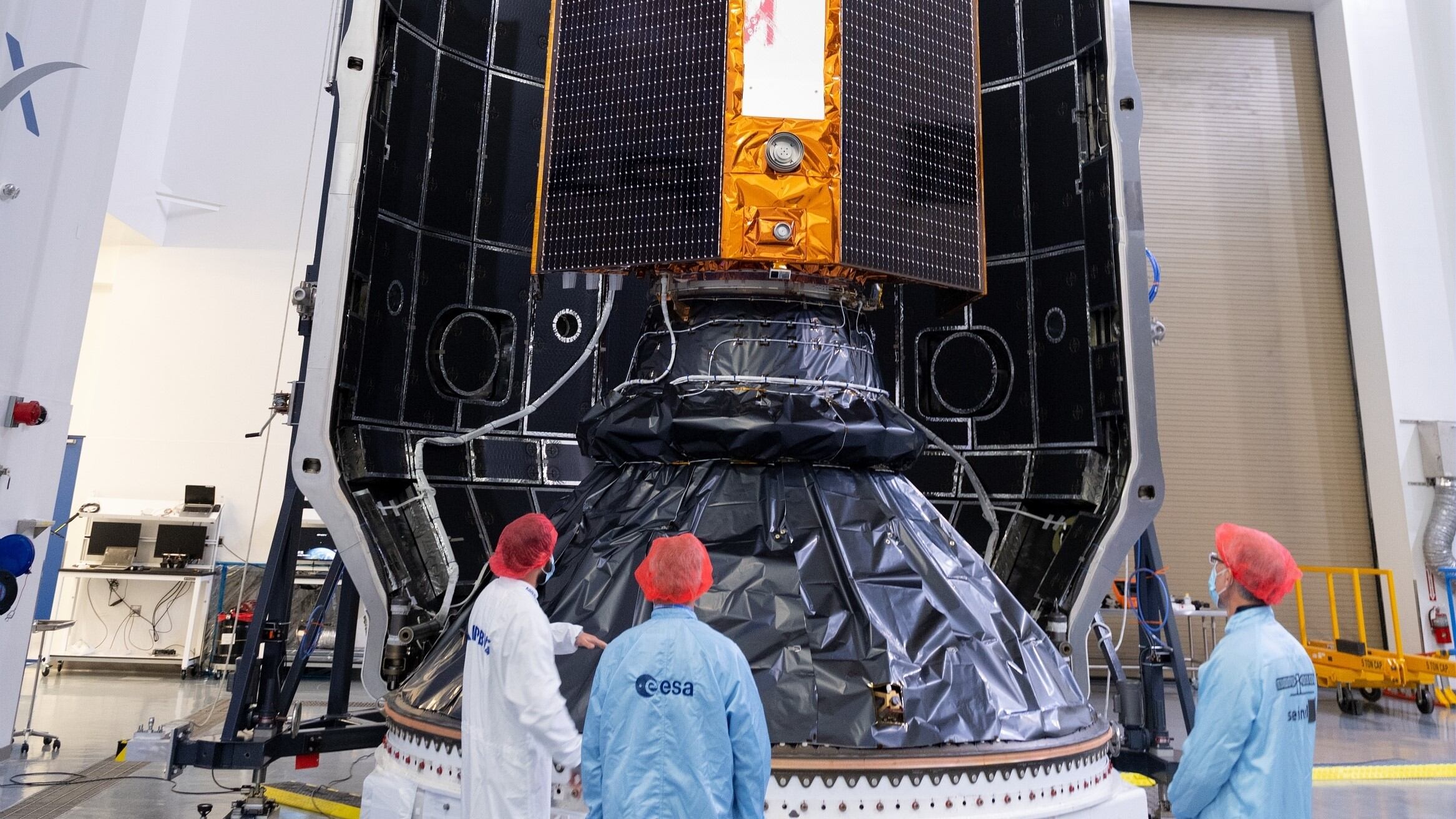
A satellite jointly developed by Europe and the United States being launched this weekend will greatly help scientists keep track of the rise in global sea levels, one of the most daunting effects of climate change, a senior official at the European Space Agency said Friday.
The use of mRNA technology in COVID-19 vaccines is groundbreaking for a number of reasons. However, there is a drawback to the vaccines: they have to be stored in brutally cold temperatures.
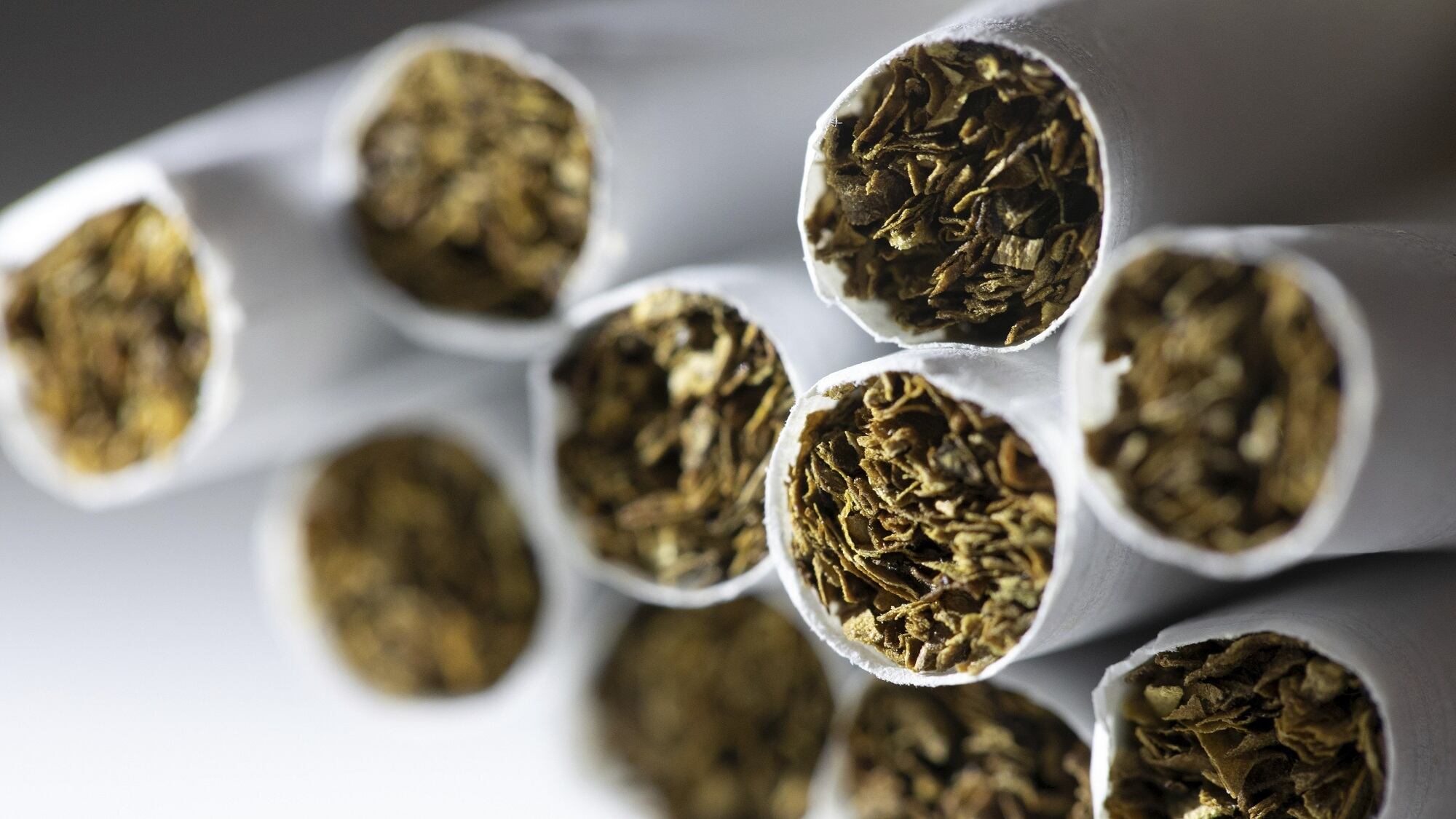
The U.S. decline in cigarette smoking could be stalling while the adult vaping rate appears to be rising, according to a government report released Thursday.