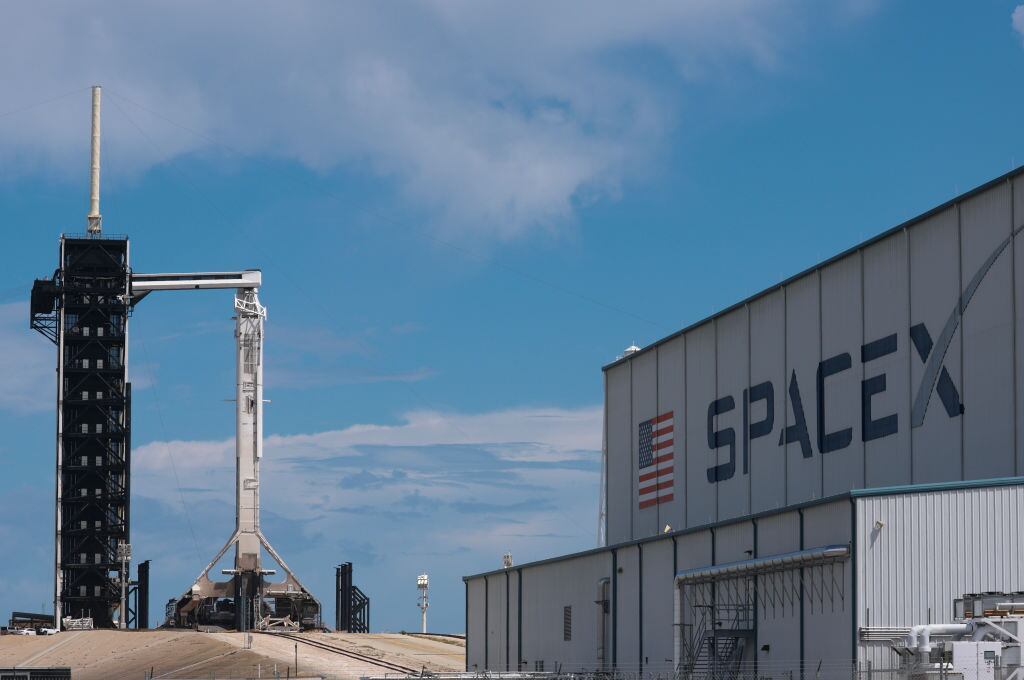
The time has come! SpaceX has finally revealed images of the Falcon Heavy. Will Goodman, Managing Editor at Rockets are Cool, joins Cheddar to discuss what January looks like for the aerospace company.
The Falcon Heavy has 50% less thrust than the Saturn V, which brought astronauts to the moon, but will have much more power. It will run on 92% force instead of 100%, so the landing of its three rockets will hopefully be smooth. Goodman says it will be like watching Cirque du Soleil show.
Plus, the race to get a man into space could be approaching the finish line. Blue Origin, Jeff Bezos' aerospace company, announced it will send a man to space in the next year and a half. Goodman says that will most likely not happen in the allotted timeframe, but does say that 2018 will be a big year for the Elon Musk-Jeff Bezos-Richard Branson competition.
A new study by Pfizer-BioNTech found that a third dose of their COVID-19 vaccine is effective against the emerging omicron variant. The pharmaceutical giants also look to manufacture a vaccine specific to the omicron variant by March 2022.
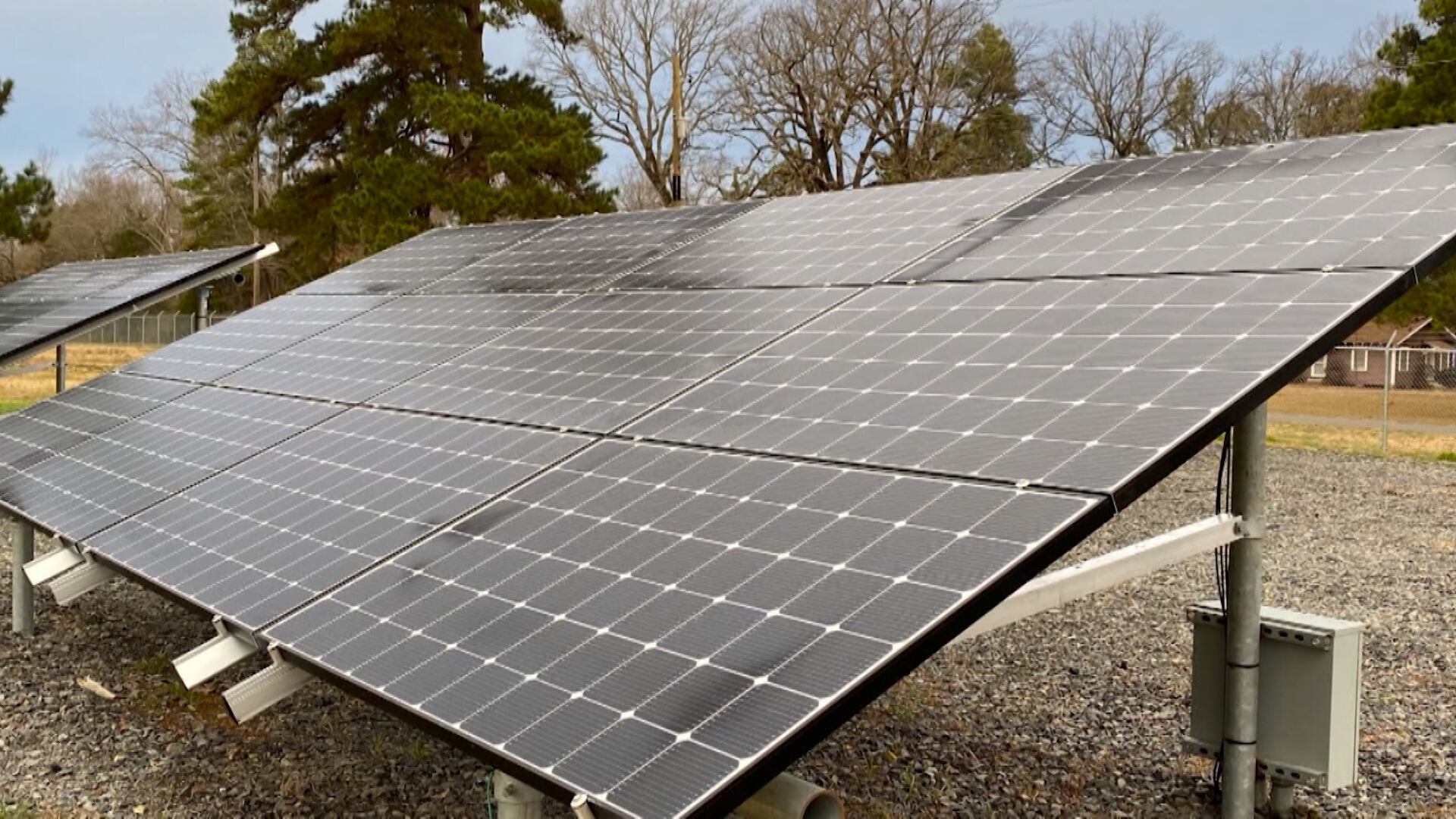
Heila Technologies, a startup that develops hardware and software to integrate renewables and batteries on a microgrid, is helping to power the first clean energy microgrid for Auto Mercado, a top supermarket chain in Costa Rica. The plant will reduce 20 tons of CO2 emissions per year. Heila Technologies CEO Francisco Morocz joins Cheddar Climate to discuss.
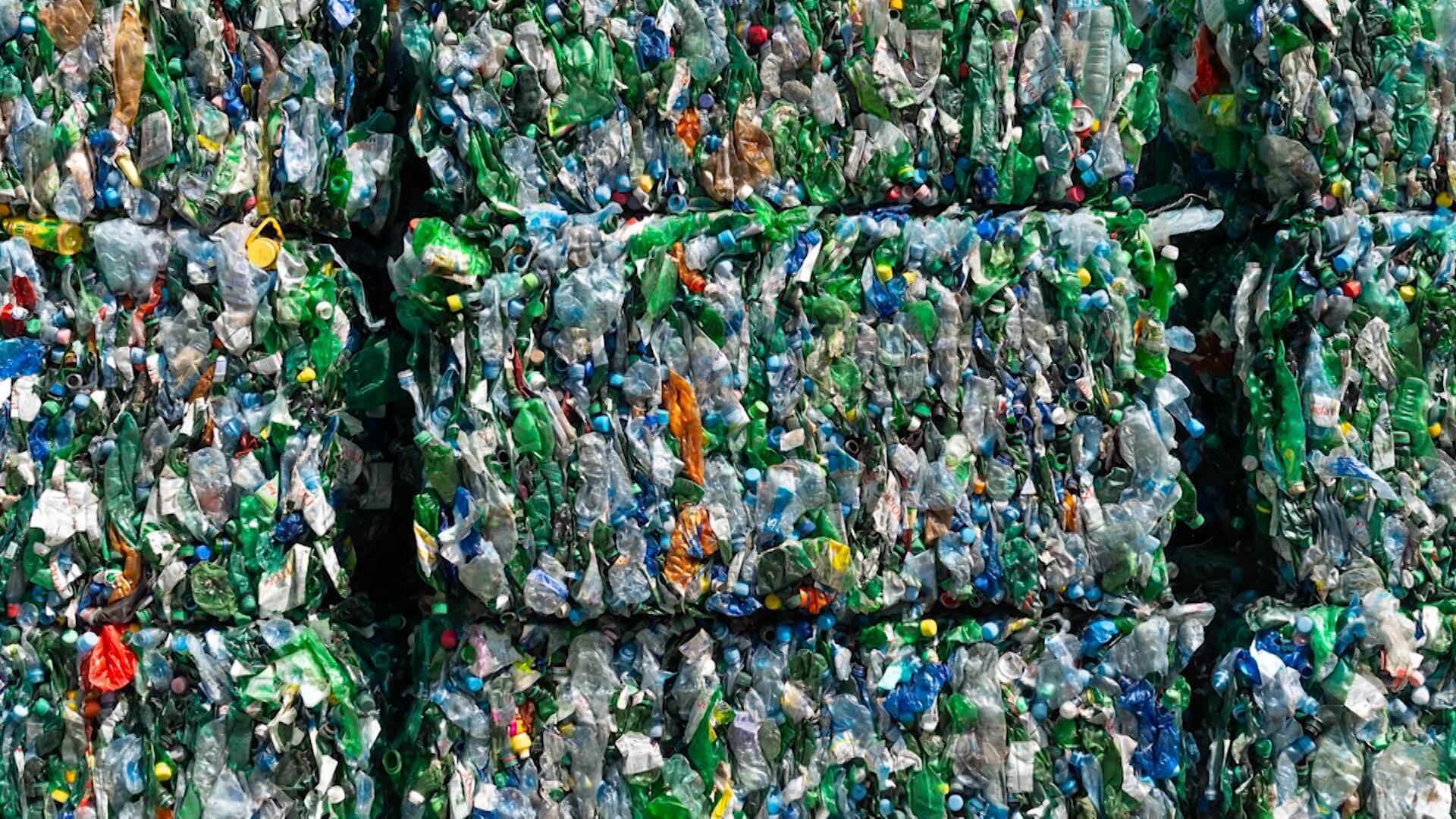
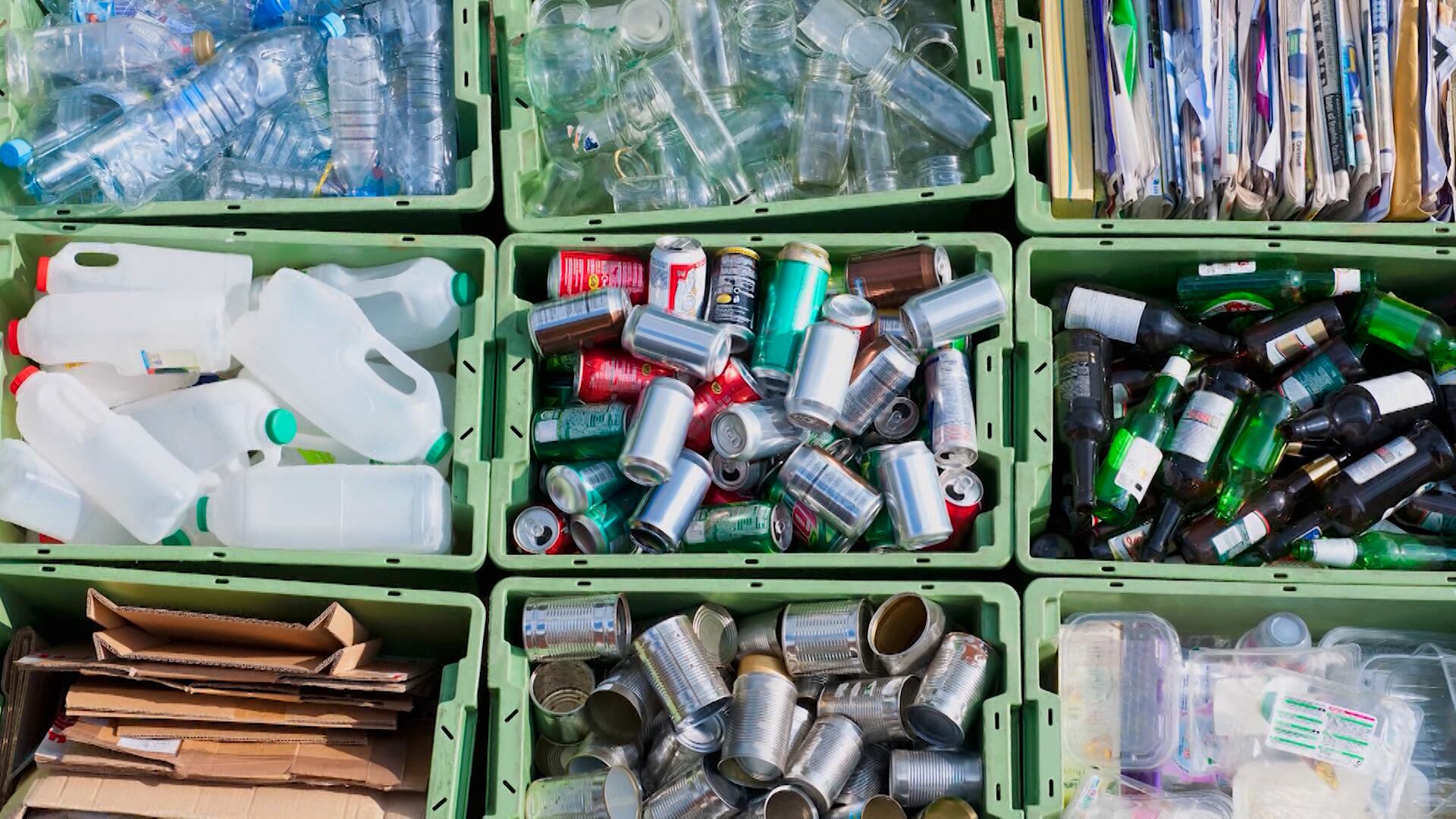
The U.S. has a million-ton problem: each year, hundreds of pounds of plastic waste are produced per person, and that leads to close to 2 million tons of that waste leaking into the environment. Eight million tons end up in the ocean, where it hinders marine life, damages ecosystems, and impacts industry. But in recent years, Congress has introduced measures including the Save our Seas act to try to mitigate the issue and turn our plastic problem around. Sen. Chris Murphy (D-CT) joins Cheddar Climate to discuss why the U.S. is the top global polluter of plastic, what Congress is doing to try to fix the issue, and more.
Daniel Huppmann, researcher at International Institute for Applied Systems Analysis, joins Cheddar Climate, where he explains how the global economy could be 2% bigger by 2100 if the world can hold global warming below 1.5°C.
While the World Health Organization strongly advises against a COVID-19 vaccine mandate, national and local governments are moving to make inoculations compulsory. Cheddar News speaks with Dr. Joel Zinberg of the Competitive Enterprise Institute on the issue.
Cheddar breaks down the challenges of plastic recycling and what one company is doing to help offset the negative environmental impact of single-use plastics.
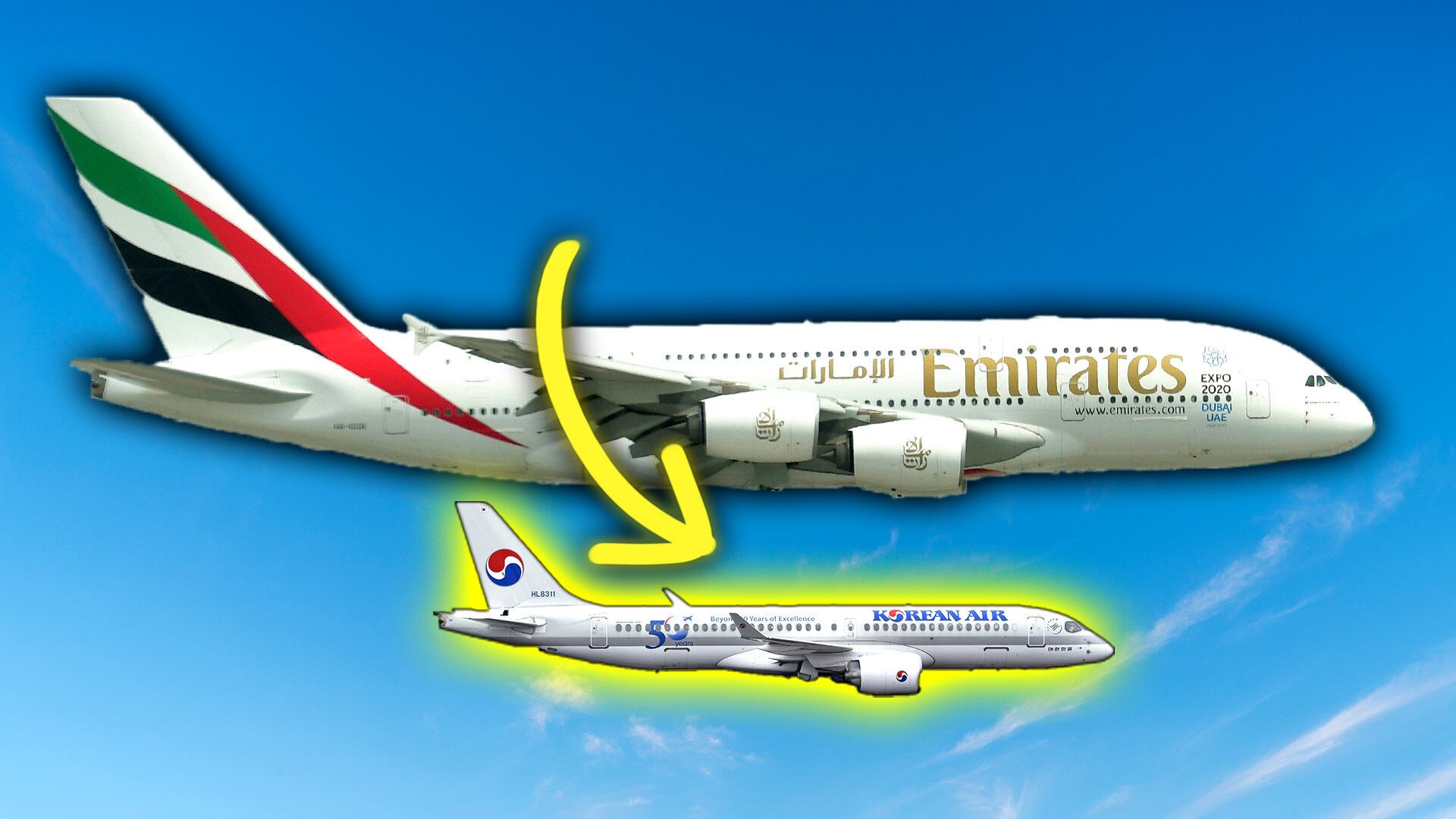
Earlier this year, JetBlue flew its inaugural flight into the United Kingdom. It was a game changer — not only did the airline enter the transatlantic market, but the plane that completed the flight was a single-aisle jet. For decades, flying the distance was synonymous with jumbo jets, but today narrow-body aircraft are now proving they are up for the task — and maybe even the best option. In this episode, Cheddar examines why airlines are betting on narrow-body aircraft.