SpaceX's Falcon Heavy has arrived at its launch pad at the Kennedy Space Center. Will Goodman, Managing Editor at Rockets are Cool, joins Cheddar to discuss what testing the Falcon Heavy will undergo before liftoff in January.
Goodman says the rocket should make it to space by early January, barring any major issues during the testing phase. As for what's on the docket for 2018, Goodman says SpaceX will continue to ramp up efforts for the BFR. He also believes it will add more Falcon 9 launches beyond the three it already has planned for January.
Now Elon Musk had promised to bring two private citizens to the moon in 2018, but will it actually happen? Goodman doesn't believe so, but he has high hopes for the aerospace community in general for the next year...including Blue Origin and Virgin Galatic.
Deep in the Mars-like landscape of Utah’s red-rock desert lies a mystery: A gleaming metal monolith in one of the most remote parts of the state.
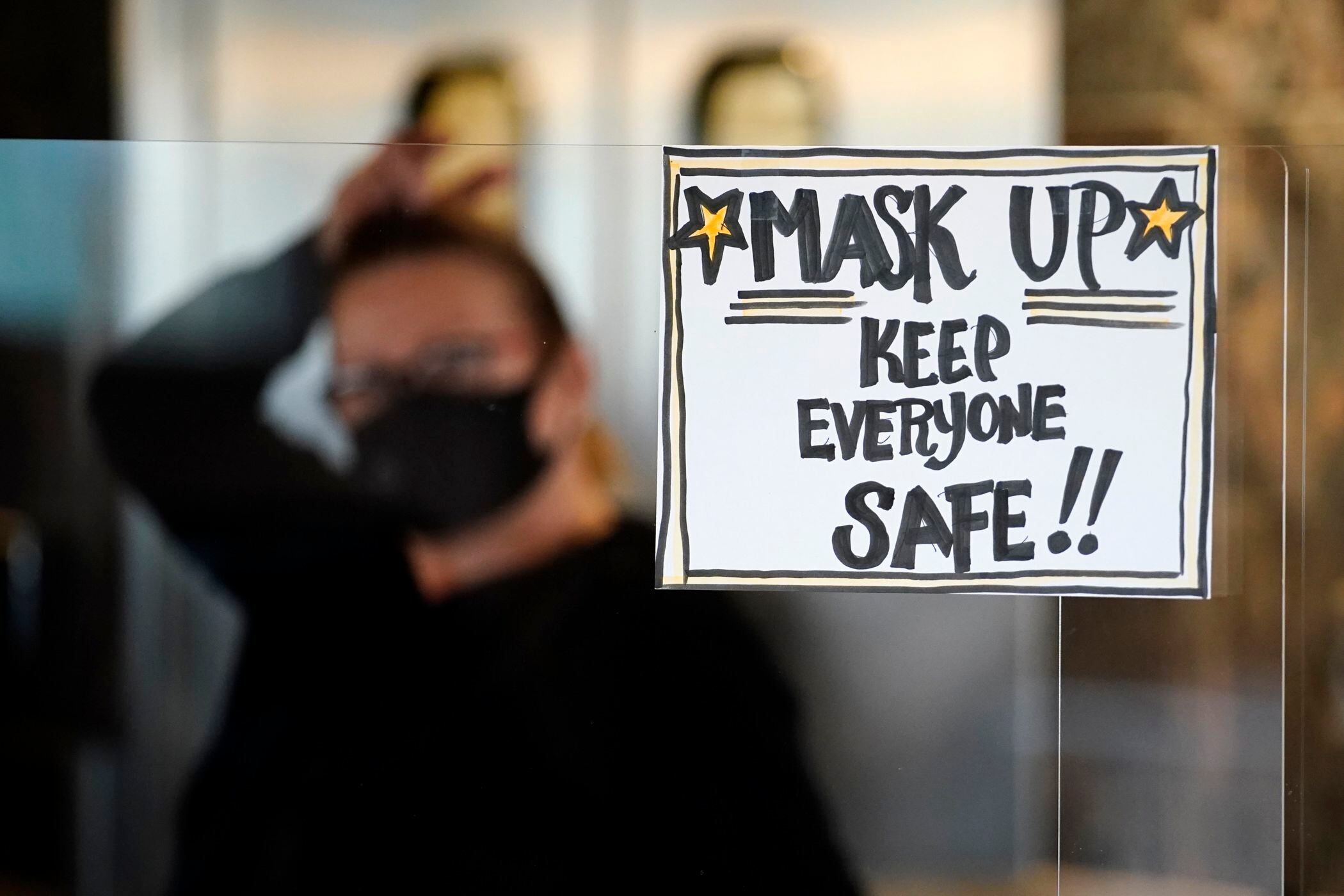
Despite the expected arrival of COVID-19 vaccines in just a few weeks, it could take several months — probably well into 2021 — before things get back to something close to normal in the United States.
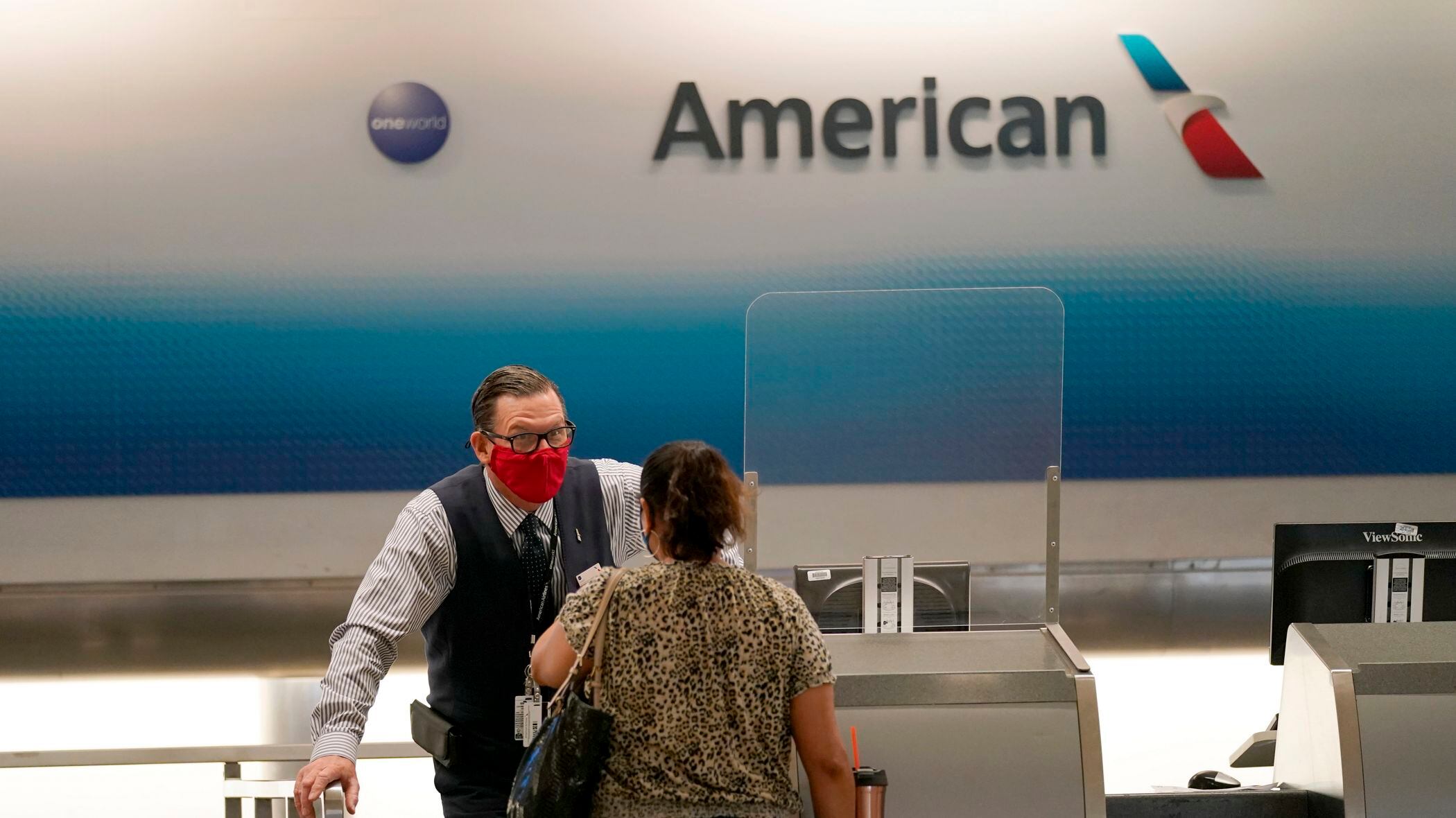
American Airlines is expanding its COVID-19 pilot pre-flight testing program to London in an effort to get more international flyers in the sky.
AstraZeneca reported that its vaccine is 90% effective and cheaper to distribute than vaccines from its competitors. Meanwhile, the U.S. is averaging 1,500 deaths per day according to Johns Hopkins.
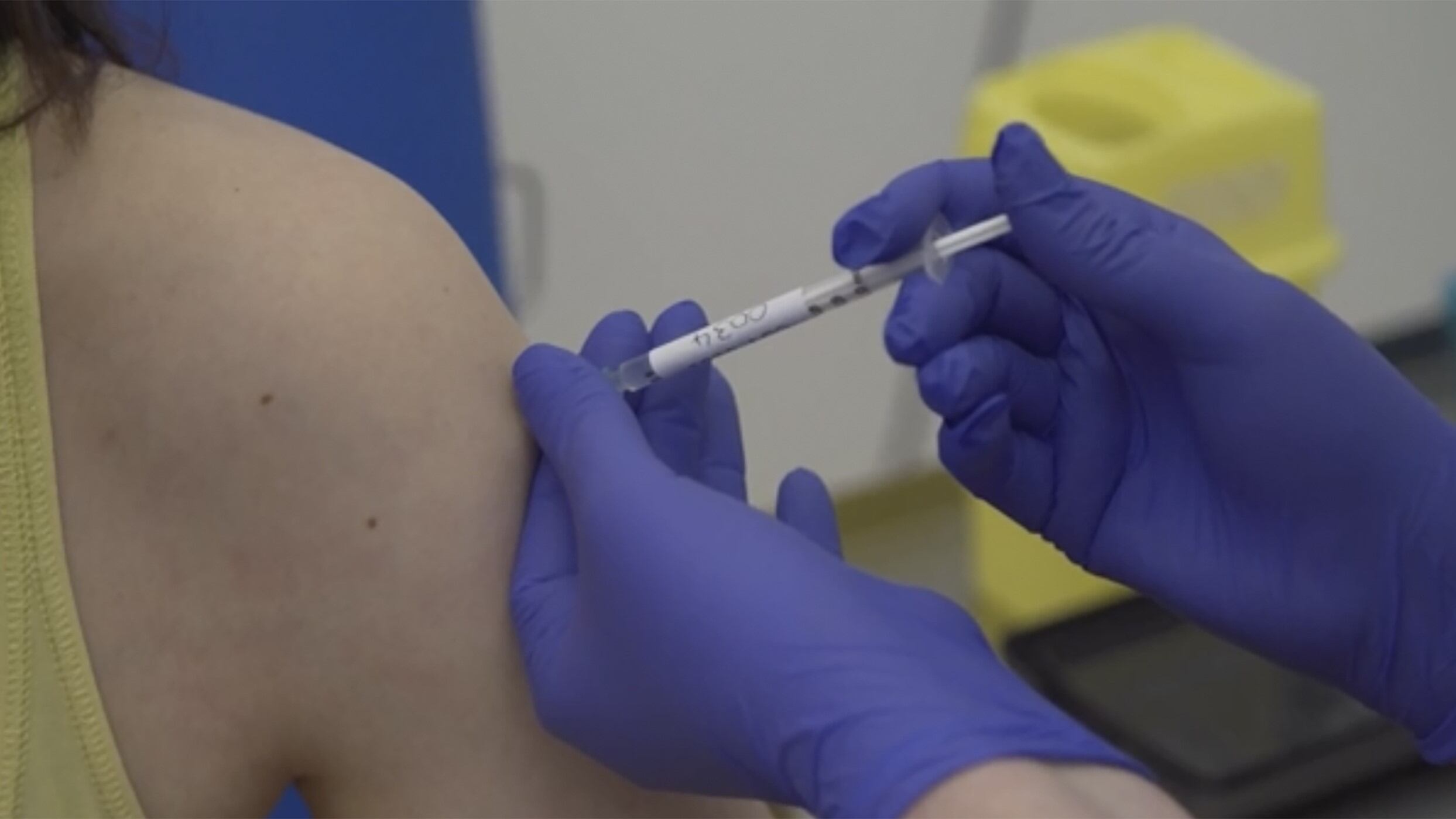
Pharmaceutical company AstraZeneca said Monday that late-stage trials showed its coronavirus vaccine was up to 90% effective, giving public health officials hope they may soon have access to a vaccine that is cheaper and easier to distribute than some of its rivals.
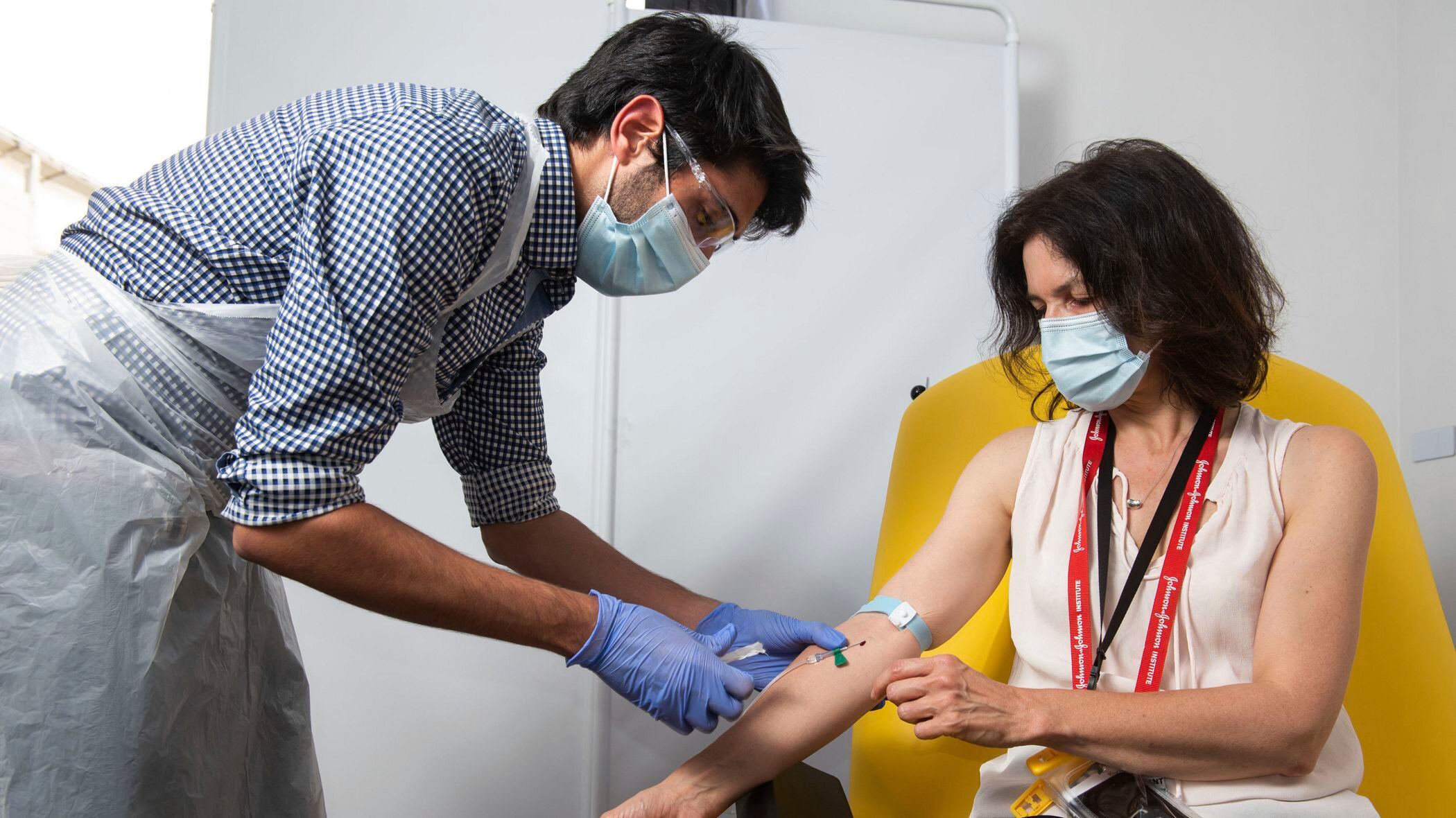
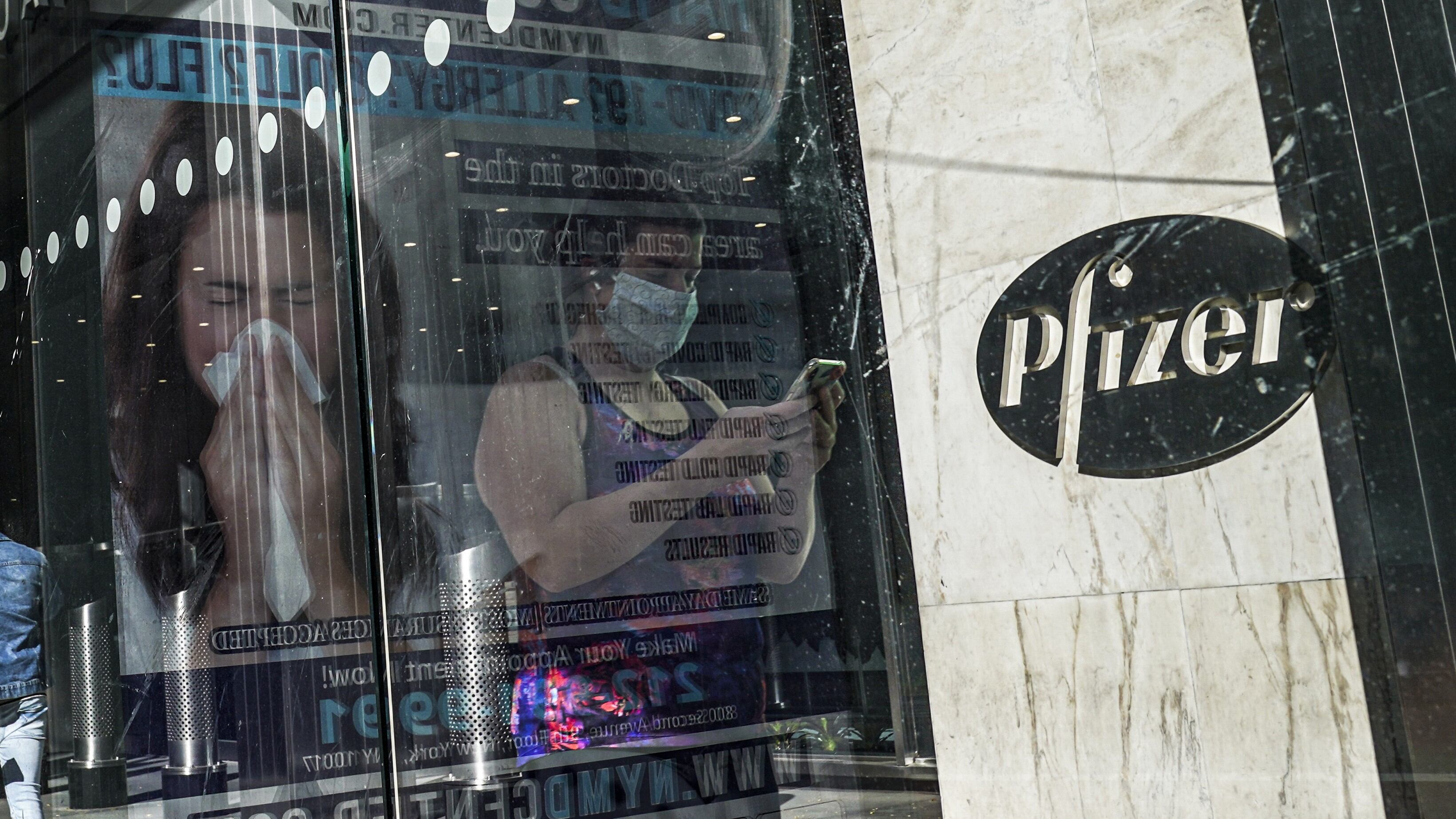
Pfizer said Friday it is asking U.S. regulators to allow emergency use of its COVID-19 vaccine, starting the clock on a process that could bring limited first shots as early as next month and eventually an end to the pandemic -- but not until after a long, hard winter.
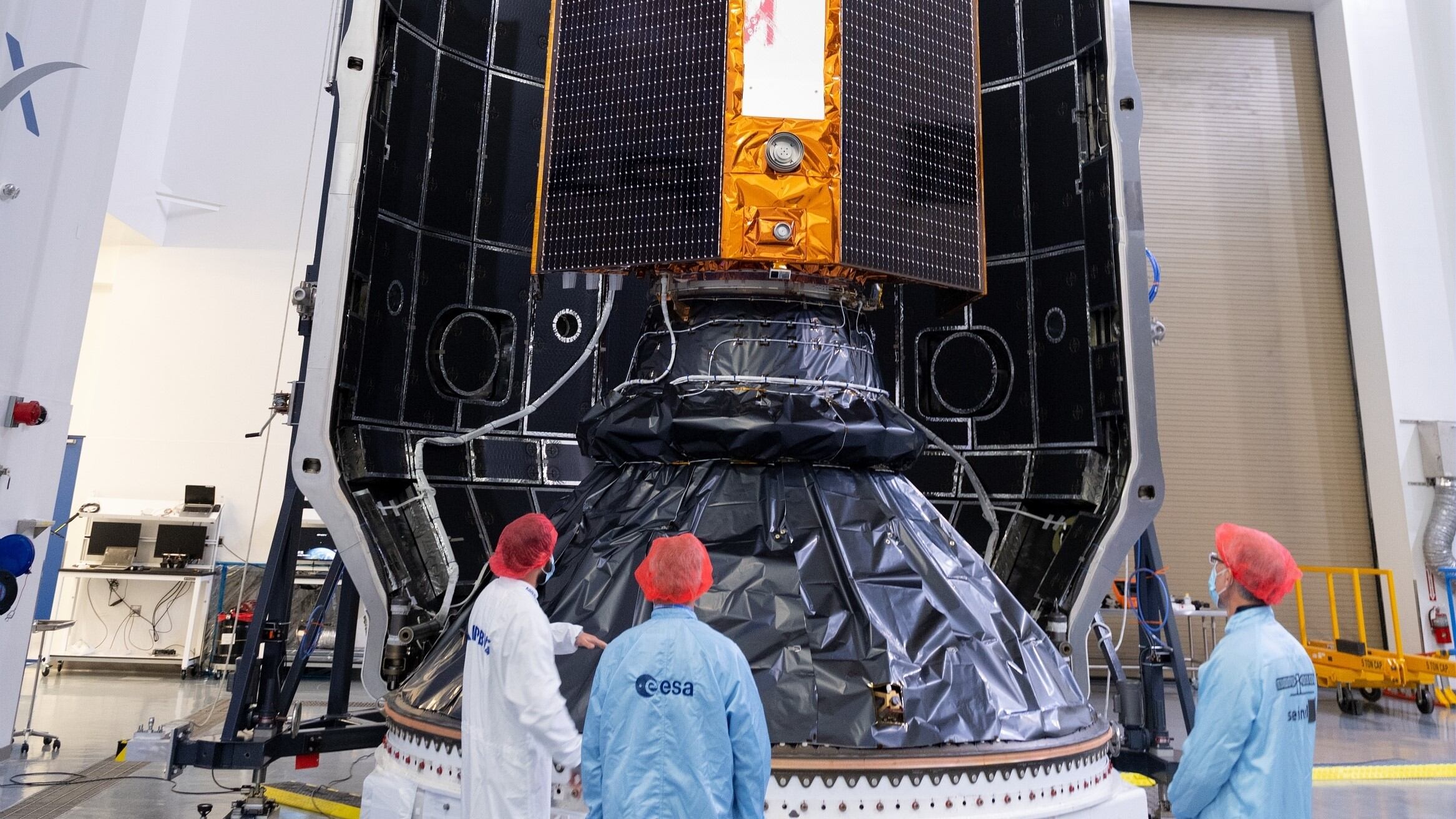
A satellite jointly developed by Europe and the United States being launched this weekend will greatly help scientists keep track of the rise in global sea levels, one of the most daunting effects of climate change, a senior official at the European Space Agency said Friday.
The use of mRNA technology in COVID-19 vaccines is groundbreaking for a number of reasons. However, there is a drawback to the vaccines: they have to be stored in brutally cold temperatures.
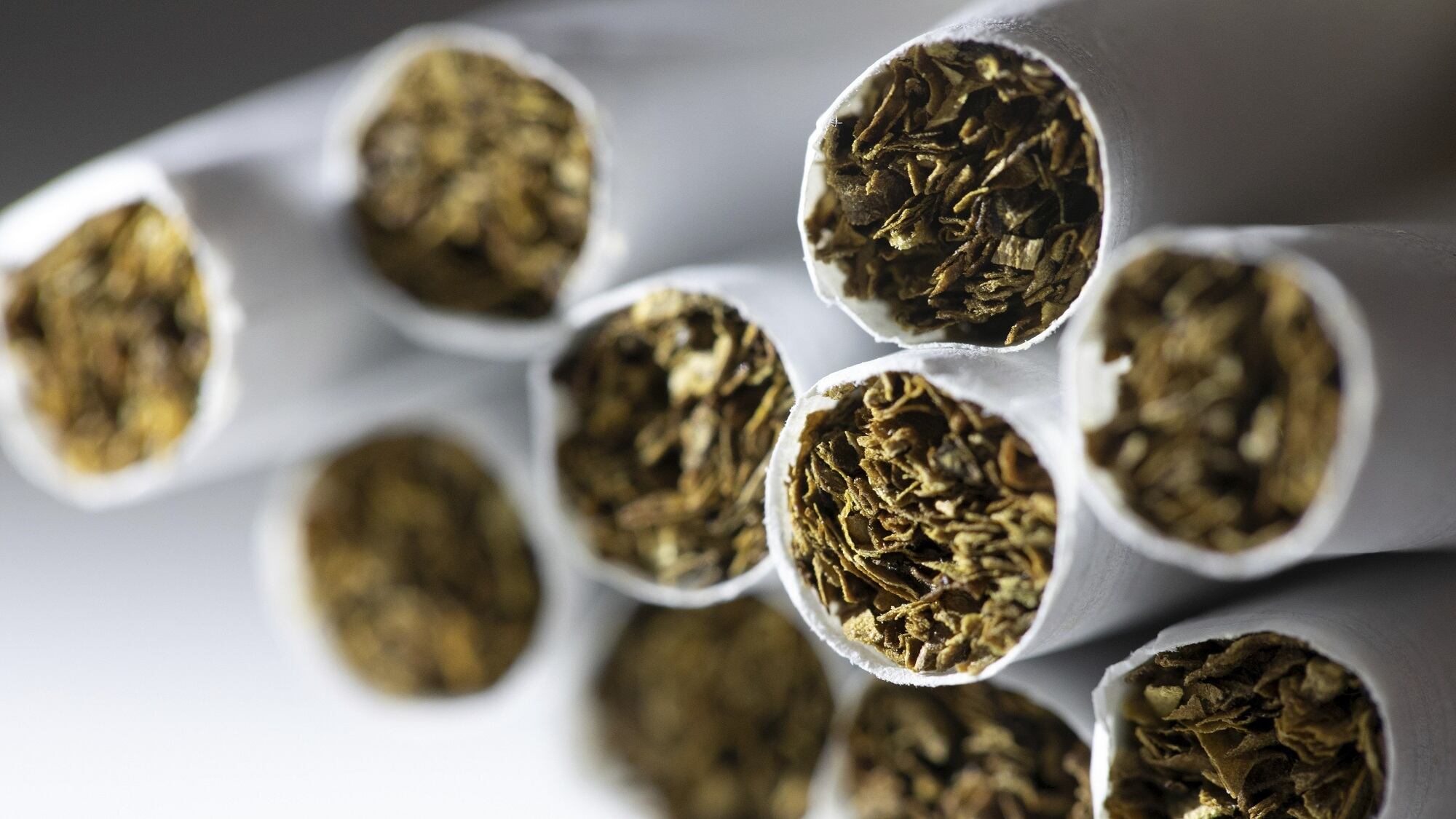
The U.S. decline in cigarette smoking could be stalling while the adult vaping rate appears to be rising, according to a government report released Thursday.
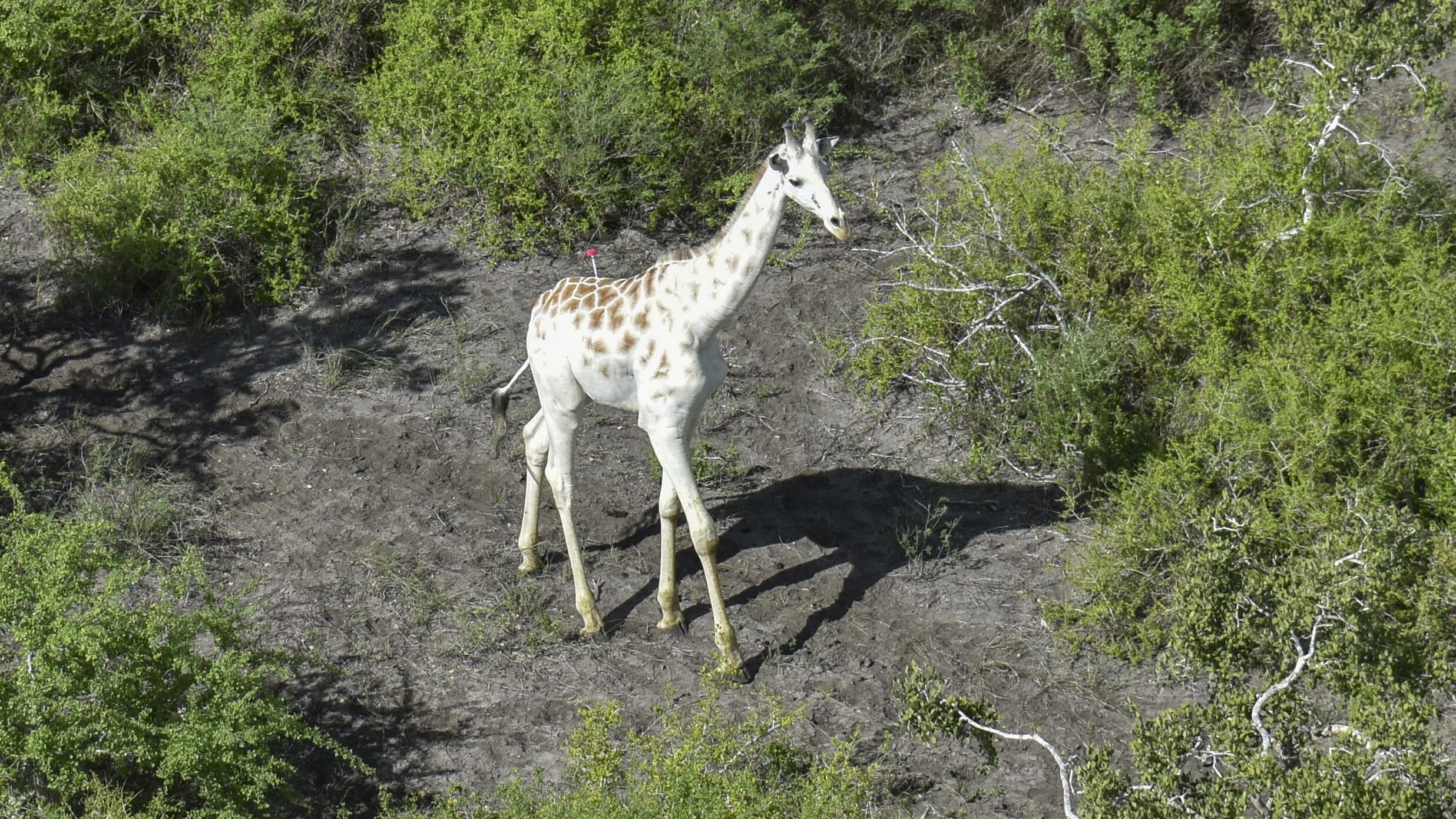
The only known white giraffe in the world has been fitted with a GPS tracking device to help protect it from poachers as it grazes in Kenya.