Fake news on Twitter travels six times faster than real news and reaches far more users according to a study released by researchers at MIT. Can fake news be stopped?
Sascha Segan is the lead analyst for PCMag.com. Segan joins Cheddar to explain why this problem is so rampant and what needs to be done to stop the problem.
Segan explains that falsehoods are a hard problem to deal with unless the platforms, Facebook and Twitter are willing to take responsibility and control the problem.
Segan says lies are so shareable because they can be constructed to be as fun as possible. In his words, "Lies have no boundaries."
In terms of fixing this problem, Segan says Twitter and Facebook need to come to grips with the fact they are publications and they are editors. They need to take responsibilities over their platforms and seek out lies.
By the time the 2024 election is over, be prepared to see some form of a recession – but this shouldn’t be as bad as what we experienced in 2020 or 2008.
International Master Alice Lee defeated grandmaster Irina Krush to win the American Cup – becoming one of the best women players in the world in the process – but she’s not stopping there.
You can track your sleep habits or heart rate, but how about your brain? Neurable's MW75-Neuro headphones turn your focus and productivity into data you can use to avoid burnout – here's how they do it.
Whether it’s a deepfake video of actor Tom Cruise discovering gum in a lollipop or President Joe Biden discouraging people from voting via telephone, you’ve likely come across a deepfake video, photo or audio recording.
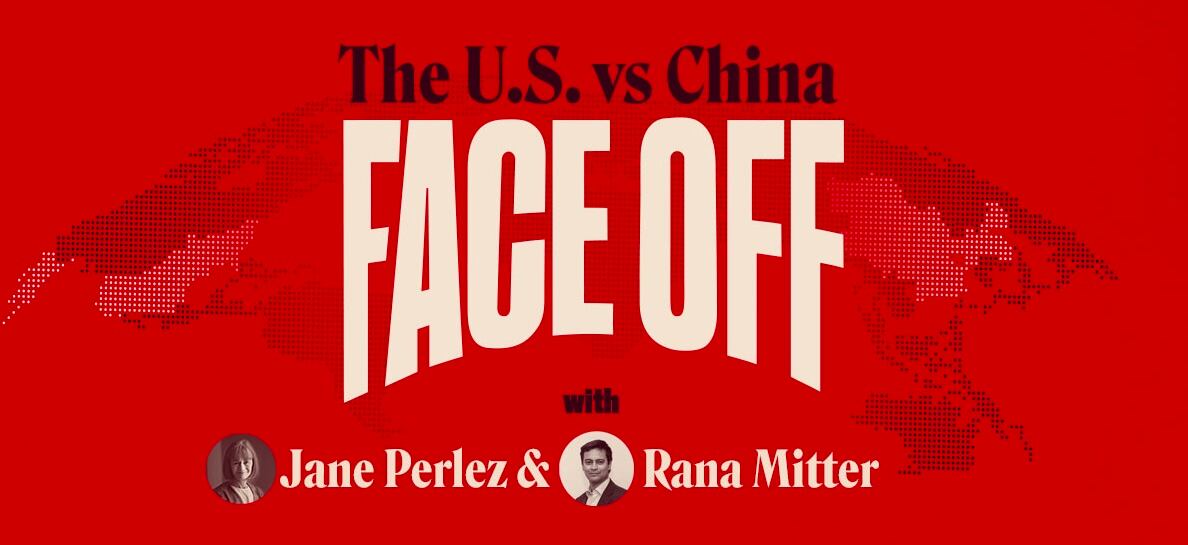
Tensions in the South China Sea, Apple moving to India, and banning TikTok? The podcast ‘Face Off: The U.S. Versus China’ helps explain how we got here.
Cust2Mate is a leading innovator in retail technology, aiming to revolutionize the shopping experience. By implementing smart cart technology, the tech company addresses the issue of theft while enhancing the shopper's journey.
The Biden administration has unveiled a plan, Plan B, to address the student loan debt crisis. It offers to cancel up to $20,000 in interest for borrowers enrolled in income-driven repayment plans. This proposal aims to reset balances for those facing growing debt due to unpaid interest, benefiting low—and middle-income borrowers. An estimated 25 million borrowers are eligible for some form of interest forgiveness.