Facebook's David Marcus Knows Why People Prefer the Messenger App
The way companies communicate with their customers is changing drastically, and Facebook’s head of Messenger says his company’s app creates a space for them to have a better dialogue.
David Marcus joined Cheddar CEO Jon Steinberg from the WPP Stream conference in Ojai, California Friday. He points out that no one ever seems to call companies anymore. Not only is the process tedious, he says, but it’s not the way clients prefer to communicate. Marcus thinks Messenger is a more viable and effective option than even traditional texting.
This push for consumers and companies to communicate via Messenger, which was created in 2011, comes at a time where communication apps are on the rise. Data research firm Statista projects that by 2019 2.19 billion people will be using mobile phone messaging.
Marcus said in September that Facebook Messenger had 1.3 billion active users every month. The company’s other product, WhatsApp, has over 1 billion daily users on the platform. According to Statista, WhatsApp is the most popular option worldwide, and Messenger ranks #3.
Marcus argued that the number of people choosing to communicate via Messenger continues to increase. “As a result [the app] becomes a great platform for businesses as well,” he said.
He points to a survey Facebook conducted found that over 64 percent of people across demographics would prefer to communicate with a brand via a platform like Messenger. But there is a generational difference. A study by Goldman Sachs found that 34 percent of millennials like a brand more when it uses social media, but that number drops to 16 percent in individuals over 36.
Facebook has sought to monetize Messenger through advertising.
“We have ‘Click to Messenger’ ads … you can buy ads that direct people to opening more conversations with your brands inside of Messenger.”
Integrating a system where brands and consumers can increase communication is reminiscent of Facebook’s active advertisement strategy. The tech behemoth one of the two dominant players in the advertising industry -- the other being Google. It rules display advertising with a projected market share of 39 percent this year and revenues at $16.33 billion, according to eMarketer.
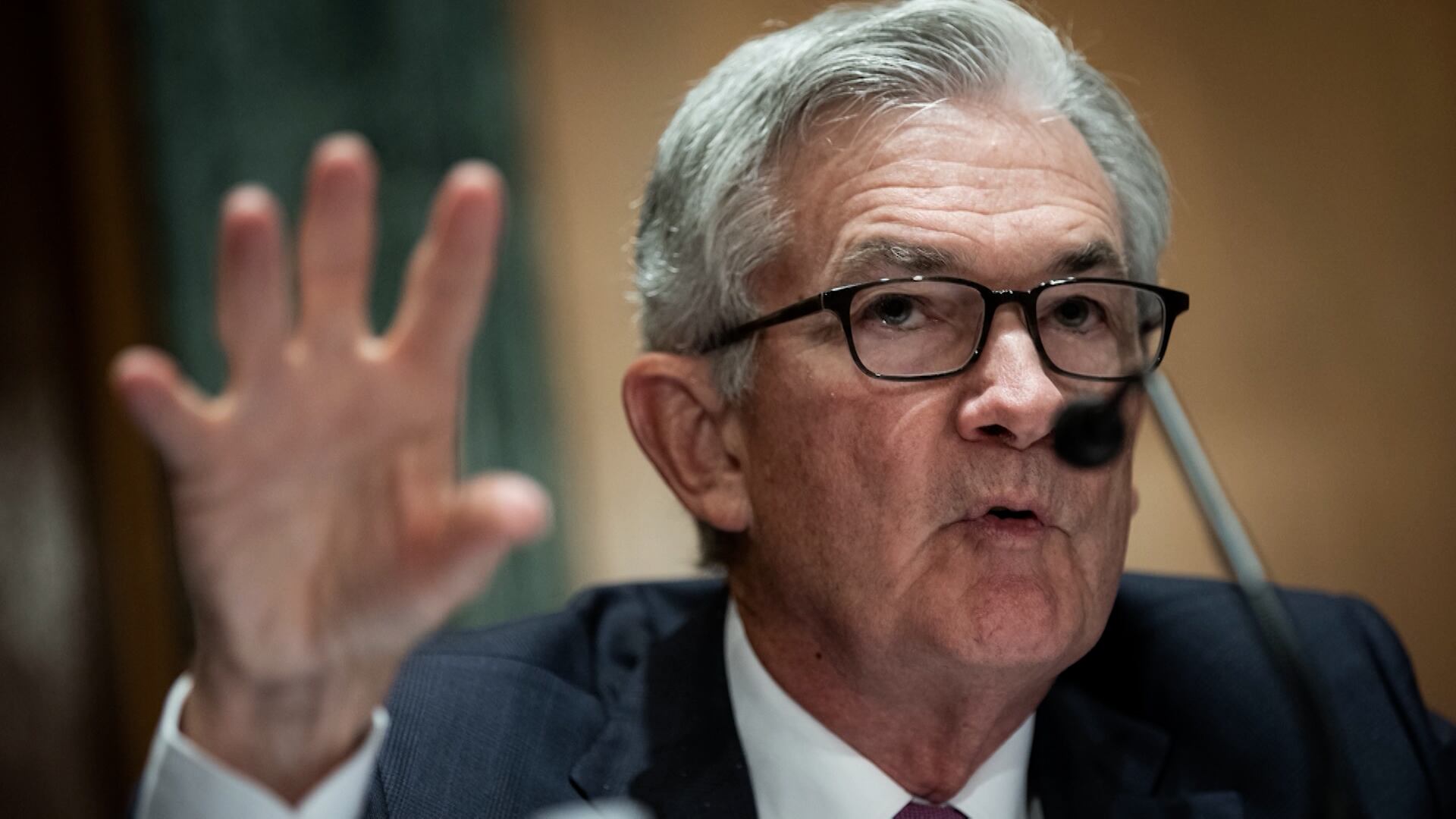
The Federal Reserve announced it would begin tapering asset purchases in mid-November and that it would keep interest rates low. Stocks hit a record high on the announcement. Dan Eye, Head of Asset Allocation & Equity Research at Fort Pitt Capital Group, joins Cheddar News' Closing Bell to discuss the Fed news, as well as Q3 earnings season.
Both the S&P 500 and Nasdaq hit new highs Thursday, with investors keeping an eye on strong economic data, and tech stocks boosting the Nasdaq. The Dow closed lower, but hovered near a record. Brandon Pizzurro, Director of Public Investments at GuideStone Capital Management, joins Cheddar News' Closing Bell to discuss today's close, Q3 earnings season so far, and 2022 outlook amid Fed announcements.
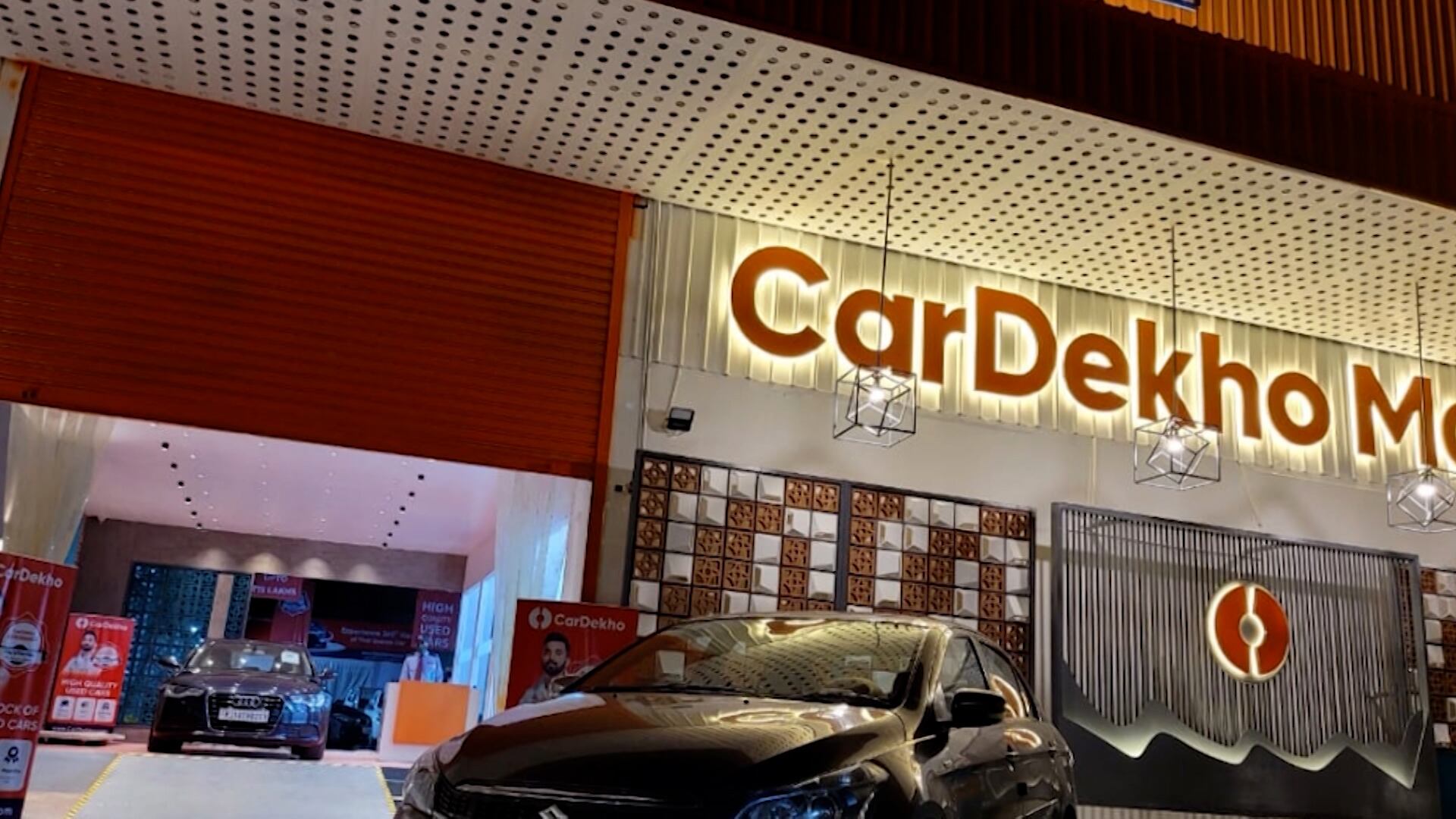
The largest car search platform in India, Cardekho, recently raised $250 million in what the company calls a pre-IPO round led by leapfrog investments. The funding bumps CarDekho above unicorn status with a $1.2 billion valuation. The company currently has a catalogue of more than 3,000 pre-owned cars for online purchases and hopes to expand with the new funding. Partner and co-head of South Asian investment for LeapFrog Stewart Langdon joins Cheddar News' Closing Bell to discuss.
E-scooter company Bird made its public debut on the New York Stock Exchange on Thursday. CFO Yibo Ling joined Cheddar to discuss what made the company launch a SPAC IPO now. Ling noted one of the deciding factors was the need to scale the business to help take "gas-guzzling cars off the road" by growing into more locations. "A large portion of our proceeds will go to fund expansion into these new geographies," he said.
Booking Holdings CEO Glenn Fogel joined Cheddar's "Closing Bell" to discuss the online travel company's Q3 earnings beat and the state of the travel industry. The earnings win was a sign that a sense of normalcy is slowly returning, according to Fogel, though he expressed disappointment in the Biden administration's delay allowing international vaccinated travelers into the country. He also predicted that elevated prices in areas like room bookings will remain high as travelers continue to pay more even as occupancy rates remain low.
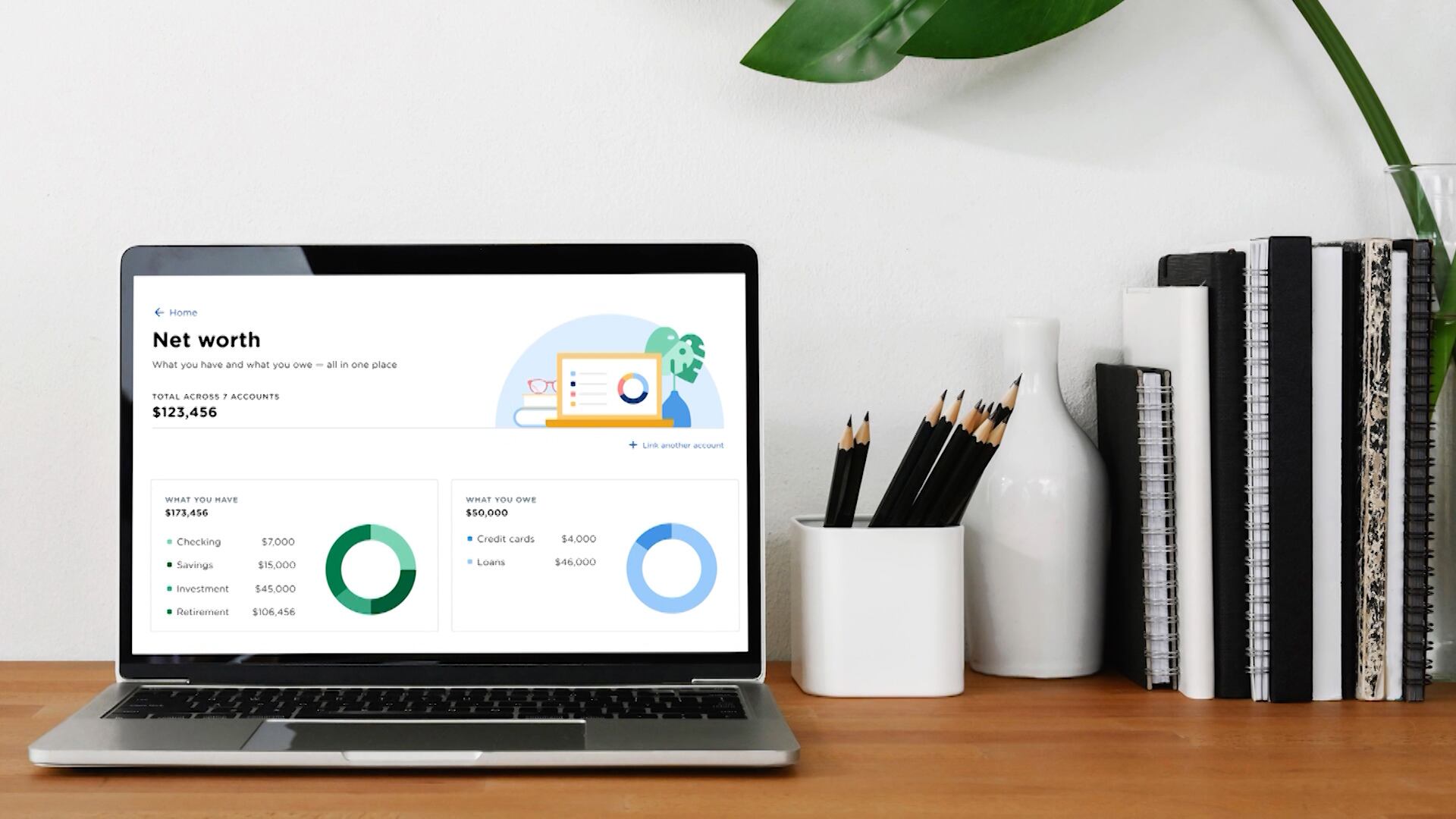
Fintech firm NerdWallet made its IPO debut on the Nasdaq on Thursday. CEO Tim Chen joined Cheddar to talk about the decision to tap the capital markets now and explained the company's revenue model by taking a cut from financial products like credit cards and loans sold through the site. Chen also talked about the firm's stance on cryptocurrencies, noting it advises people to only invest what they can afford to lose. (Updated November 5, 2021 to reflect that NerdWallet went public on Nasdaq, not NYSE.)
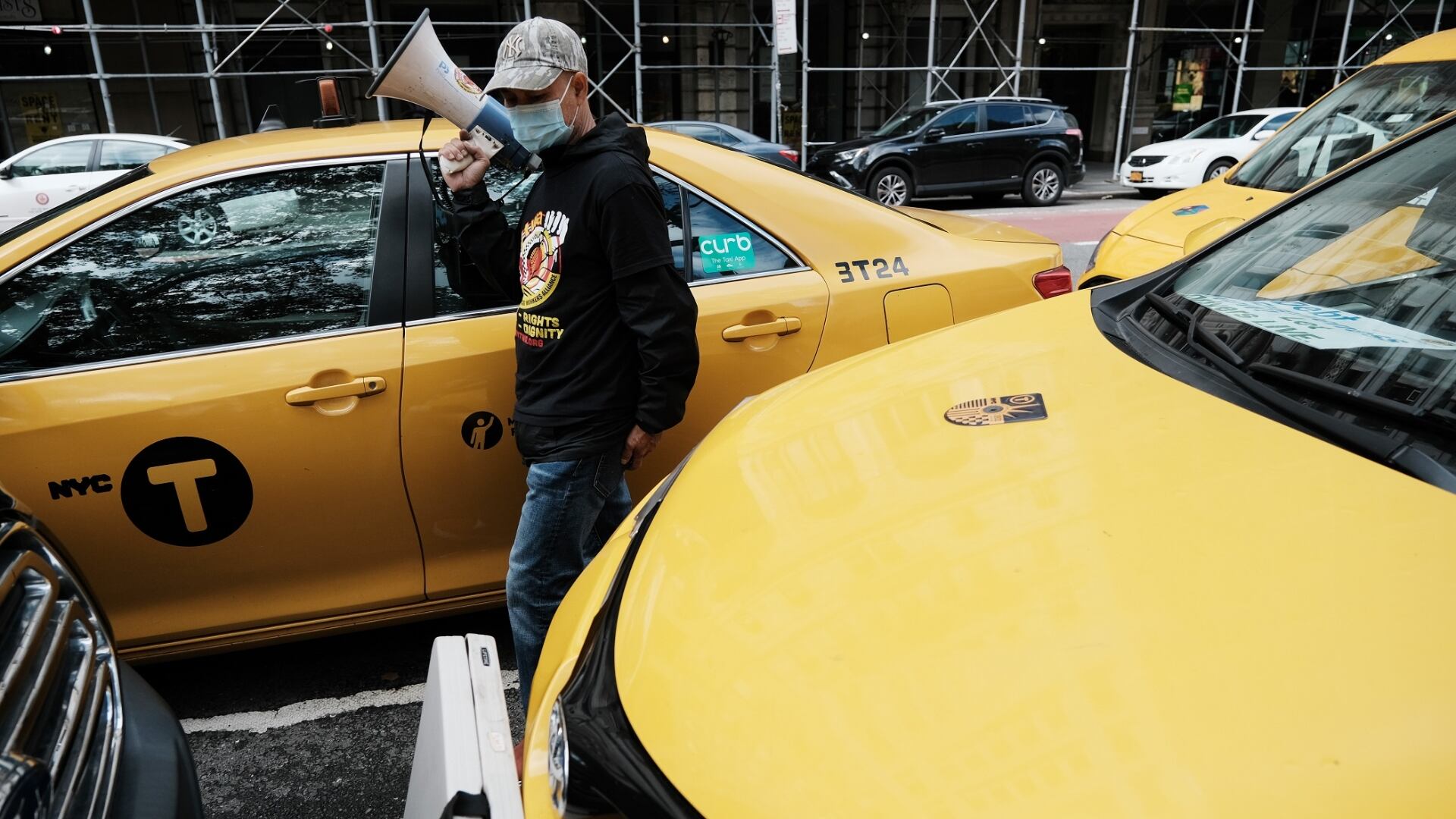
New York City taxi drivers won a major victory to slash the cost of money owed for taxi medallions. The announcement follows a two-week long hunger strike at City Hall by some drivers to demand debt relief.
Moderna reported a massive miss on revenue in its Q3 earnings, taking in $5 billion versus the expected $6.21 billion despite sales of the COVID-19 vaccine. The pharmaceutical giant's stock dropped sharply on the news.
Joan E. Solsman, a senior reporter at CNET, joined Cheddar's "Opening Bell" to talk about Netflix moving to offer mobile video games for Android users as part of their subscription. She said this is likely one "baby step" for the streaming giant as it moves into the space. "You can see what Netflix wants to do eventually down the line is have these great ambitions to make their service be more than just passive TV, movies," she said. "They're moving more into merchandising, that they're moving more into in-person experiences. They're trying to broaden a way, which is a great thing to do when everyone keeps talking about metaverses."