Facebook's David Marcus Knows Why People Prefer the Messenger App
The way companies communicate with their customers is changing drastically, and Facebook’s head of Messenger says his company’s app creates a space for them to have a better dialogue.
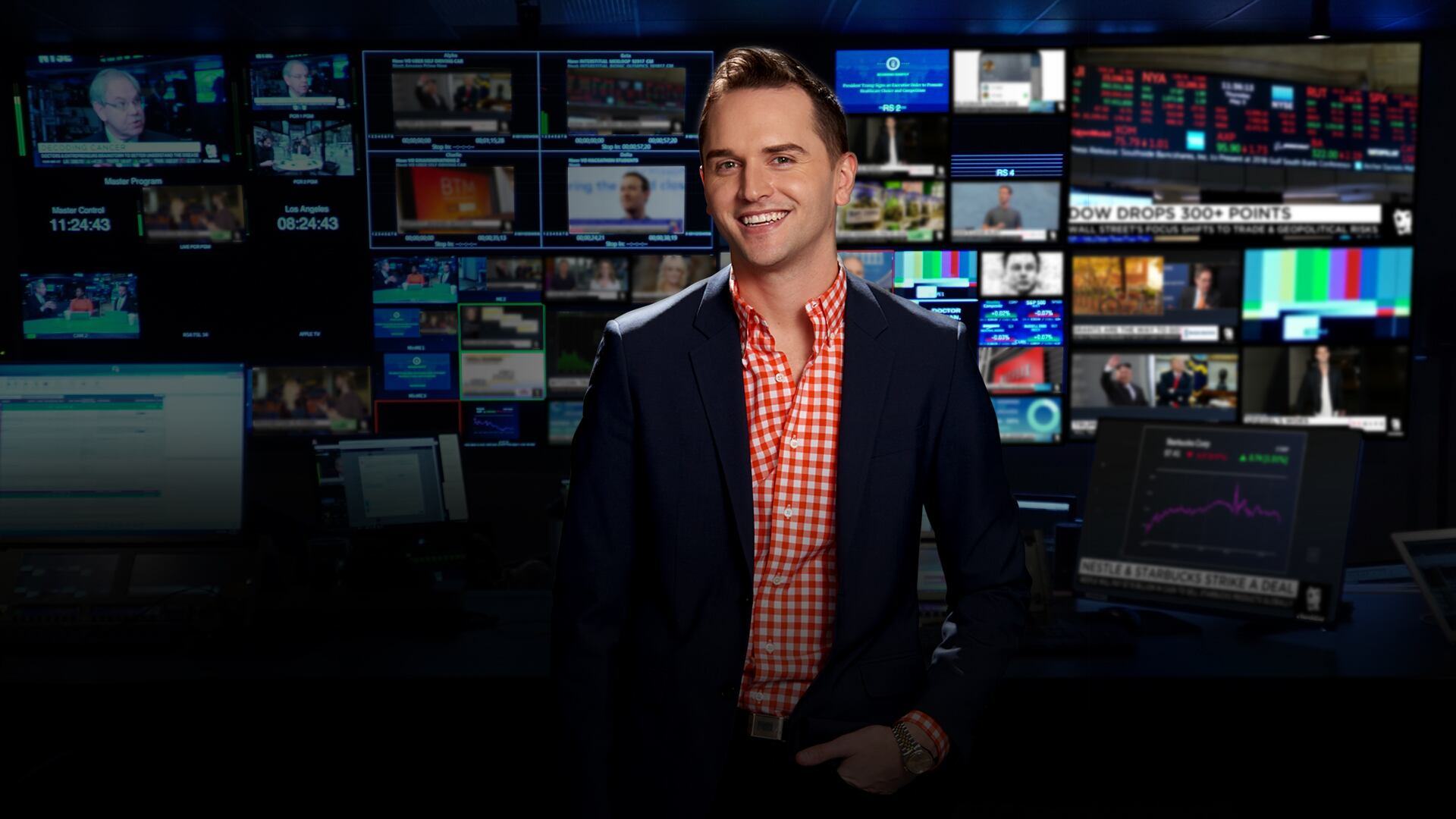
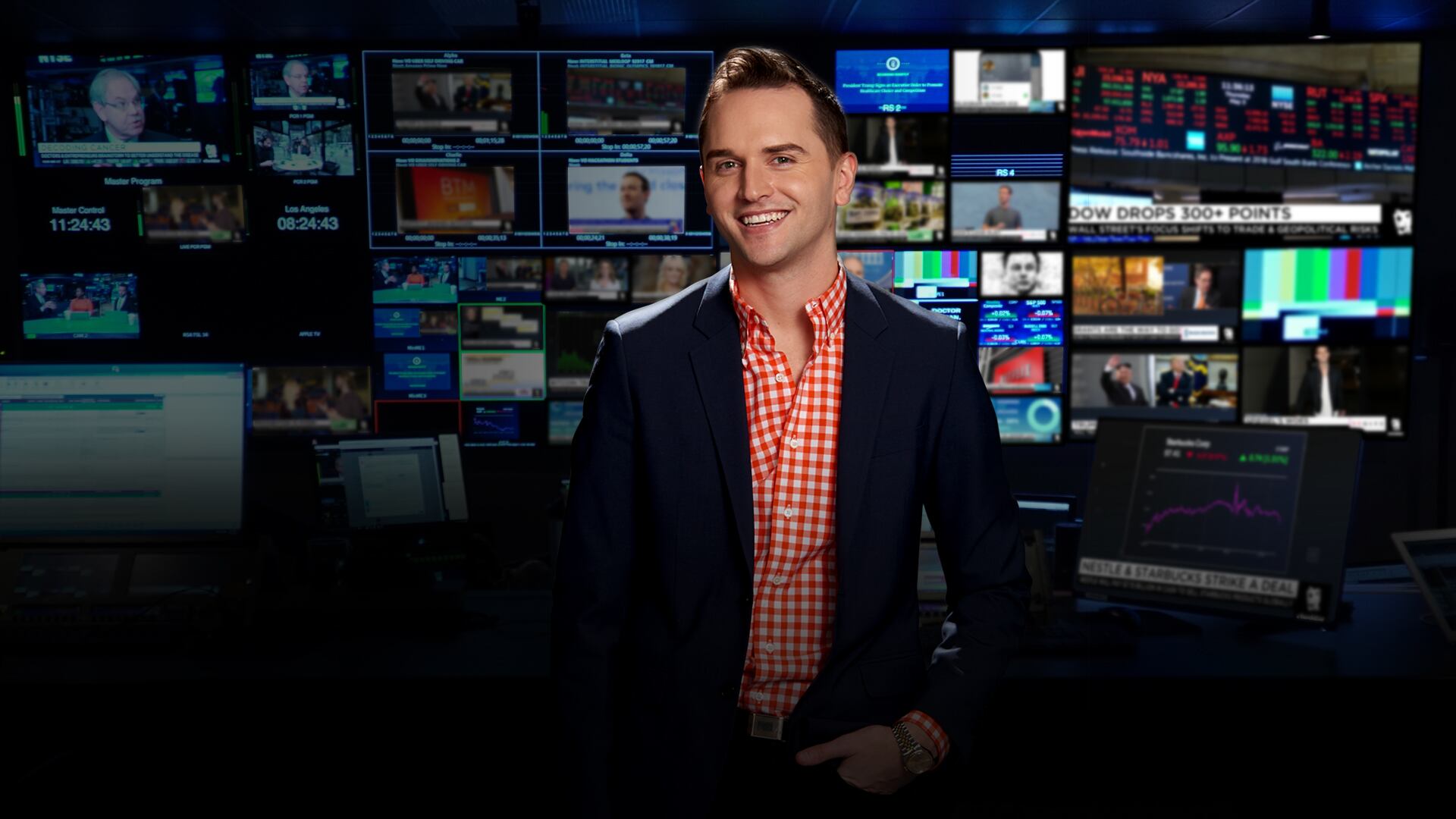
David Marcus joined Cheddar CEO Jon Steinberg from the WPP Stream conference in Ojai, California Friday. He points out that no one ever seems to call companies anymore. Not only is the process tedious, he says, but it’s not the way clients prefer to communicate. Marcus thinks Messenger is a more viable and effective option than even traditional texting.
This push for consumers and companies to communicate via Messenger, which was created in 2011, comes at a time where communication apps are on the rise. Data research firm Statista projects that by 2019 2.19 billion people will be using mobile phone messaging.
Marcus said in September that Facebook Messenger had 1.3 billion active users every month. The company’s other product, WhatsApp, has over 1 billion daily users on the platform. According to Statista, WhatsApp is the most popular option worldwide, and Messenger ranks #3.
Marcus argued that the number of people choosing to communicate via Messenger continues to increase. “As a result [the app] becomes a great platform for businesses as well,” he said.
He points to a survey Facebook conducted found that over 64 percent of people across demographics would prefer to communicate with a brand via a platform like Messenger. But there is a generational difference. A study by Goldman Sachs found that 34 percent of millennials like a brand more when it uses social media, but that number drops to 16 percent in individuals over 36.
Facebook has sought to monetize Messenger through advertising.
“We have ‘Click to Messenger’ ads … you can buy ads that direct people to opening more conversations with your brands inside of Messenger.”
Integrating a system where brands and consumers can increase communication is reminiscent of Facebook’s active advertisement strategy. The tech behemoth one of the two dominant players in the advertising industry -- the other being Google. It rules display advertising with a projected market share of 39 percent this year and revenues at $16.33 billion, according to eMarketer.
Jill and Carlo discuss the scenes of joy at American airports as borders reopen, another tool in the Covid toolbox, the latest in the Astroworld crowd crush tragedy and more.
Next week will see several different events that will likely weigh on the markets. Cheddar News' Closing Bell dives in, from the continuation of third-quarter earnings season to Rivian's IPO and a 're-IPO' from Hertz, along with more inflation data.
Frank Lee, Managing Director at Miracle Mile Advisors, joins Cheddar News' Closing Bell, where he explains why markets are soaring after the Dow, S&P, Nasdaq, and the Russell 2000 all reached new record closes to begin the trading week.
Amid an ongoing labor shortage, more companies are turning to automation for processes like shipping and delivery in order to relieve supply chain pressures. But what does this mean for the wider labor market - will those jobs return? How will workers fare once supply chain issues ease? Sam Lurye, CEO and Founder of automation startup Kargo, joins Cheddar News' Closing Bell to discuss the pros and cons of automation, how workers can adapt alongside new technology, and how the pandemic led to the perfect storm for the rise of automation.
Ben McMillan, CIO at IDX Digital Assets, joins Cheddar News' Closing Bell, where he explains how the recent surge by Ethereum and Bitcoin can be connected to a play against inflation.
AI chipmaker Hailo raised $136 million in its latest funds round, representing one of the largest investments ever in the AI chip space. It comes amid the ongoing global chip shortage, and a surge in demand for the company's technology, which is used to power smart cities, cars and homes, and the next generation of retail. Hailo co-founder and CEO Orr Danon joined Cheddar News' Closing Bell to discuss.
The two biggest names in the ride-sharing industry reported earnings this week. Uber and Lyft both beat Wall Street expectations on their top and bottom lines, as the companies and the ride-sharing industry have recently faced several challenges like the pandemic, the supply chain crisis, and driver shortages. Johnson Research Group CEO Chris Johnson joined Cheddar News' Closing Bell to discuss.