Facebook's David Marcus Knows Why People Prefer the Messenger App
The way companies communicate with their customers is changing drastically, and Facebook’s head of Messenger says his company’s app creates a space for them to have a better dialogue.
David Marcus joined Cheddar CEO Jon Steinberg from the WPP Stream conference in Ojai, California Friday. He points out that no one ever seems to call companies anymore. Not only is the process tedious, he says, but it’s not the way clients prefer to communicate. Marcus thinks Messenger is a more viable and effective option than even traditional texting.
This push for consumers and companies to communicate via Messenger, which was created in 2011, comes at a time where communication apps are on the rise. Data research firm Statista projects that by 2019 2.19 billion people will be using mobile phone messaging.
Marcus said in September that Facebook Messenger had 1.3 billion active users every month. The company’s other product, WhatsApp, has over 1 billion daily users on the platform. According to Statista, WhatsApp is the most popular option worldwide, and Messenger ranks #3.
Marcus argued that the number of people choosing to communicate via Messenger continues to increase. “As a result [the app] becomes a great platform for businesses as well,” he said.
He points to a survey Facebook conducted found that over 64 percent of people across demographics would prefer to communicate with a brand via a platform like Messenger. But there is a generational difference. A study by Goldman Sachs found that 34 percent of millennials like a brand more when it uses social media, but that number drops to 16 percent in individuals over 36.
Facebook has sought to monetize Messenger through advertising.
“We have ‘Click to Messenger’ ads … you can buy ads that direct people to opening more conversations with your brands inside of Messenger.”
Integrating a system where brands and consumers can increase communication is reminiscent of Facebook’s active advertisement strategy. The tech behemoth one of the two dominant players in the advertising industry -- the other being Google. It rules display advertising with a projected market share of 39 percent this year and revenues at $16.33 billion, according to eMarketer.
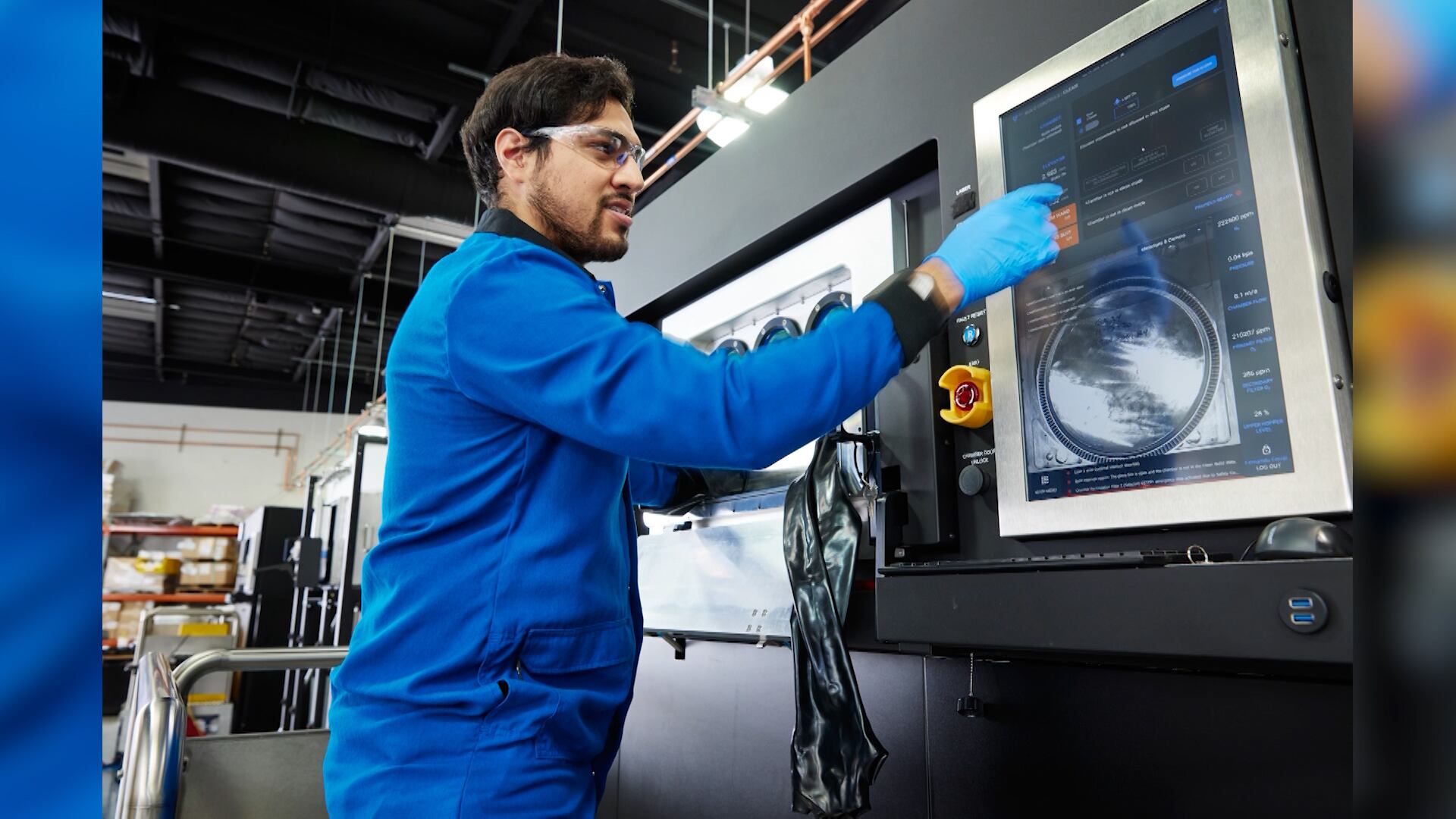
3D printing company Velo3D released its first earnings report since going public in September. CEO and co-founder Benny Buller joined Cheddar to discuss the company's bottom line miss while noting he expects revenue for the year will hit $26 million. Buller also expressed optimism about the company achieving $89 million in revenue in 2022.
Wheels Up CEO Kenny Dichter talked to Cheddar about the aviation company's Q3 earnings report, the increase in memberships, and rising fuel costs. He attributed some of the increase in the number of members and rising revenue to lingering concerns about commercial flying amid the pandemic and noted that legacy members have used the service more frequently than in previous years. Dichter also explained that a rise in pricing is planned for December.
With more companies offering employees flexibility in work schedules, Airbnb is looking to accommodate flexible travel plans. Chief Strategy Officer Nathan Blecharczyk joined Cheddar to discuss the growing trend of people staying in Airbnbs for longer periods of time. "In December over the holidays, in North America, we are seeing a 68 percent increase in the demand for month-long stays relative to years past," he said.
Asad Hussain, lead mobility analyst at data company PitchBook, joined Cheddar to discuss the blockbuster Rivian IPO. The electric truck maker's valuation jumped to more than $90 billion, signaling progress in the "multi-decade transformation in mobility," according to Hussain. He noted that electric automakers like Rivian, Tesla, and Lucid, will continue to lead electrification in being free to innovate and lacking the legacy issues facing traditional, combustion engine carmakers.
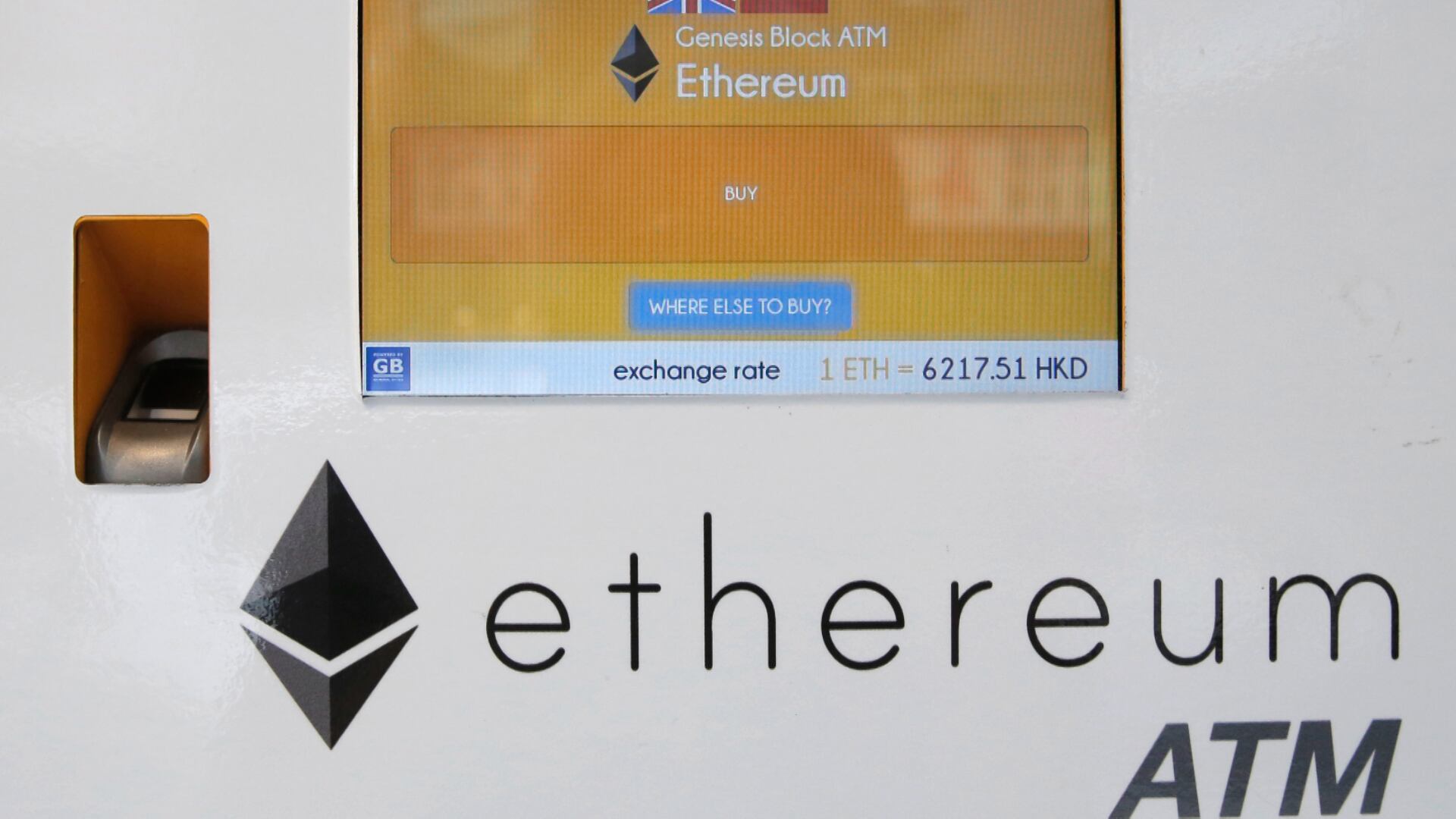
Coinbase reported third quarter earnings yesterday and revenue did not at all meet estimates, with the company saying that it also saw a staggering decrease of about 1.4 million customers in comparison to the previous quarter. This comes in the same week where bitcoin and ethereum, two of its most important digital assets hit record highs. Martin Gaspar, research analyst at CrossTower explains how a soft crypto trading quarter contributed to the less-than-ideal revenue outcome.
John Jannarone, Editor-In-Chief at IPOedge.com, joined Wake Up With Cheddar to discuss Riivian ahead of its public debut on the Nasdaq, as investors gear up for the biggest IPO for a U.S. company since Facebook.
DoorDash is set to acquire European-based food delivery company Wolt in an $8.1 billion deal. Ann Berry, chief investment officer at media platform Wheelhouse, joined Cheddar to discuss how this positions DoorDash in the prepared food and potentially the grocery delivery space. "I do think that what DoorDash is trying to be thoughtful about now is how to take that there's been a shift in consumer behavior in terms of mobile ordering and delivery and try and apply it to other categories," she said, also pointing to its partnership with beauty supply company Ulta.
Amazon founder Jeffrey Bezos took to the stage at the U.N.'s COP26 Climate Summit to unveil a new plan to combat climate change, but some say it might do more harm than good. Justine Calma, Science Reporter at The Verge, joined Cheddar to discuss.
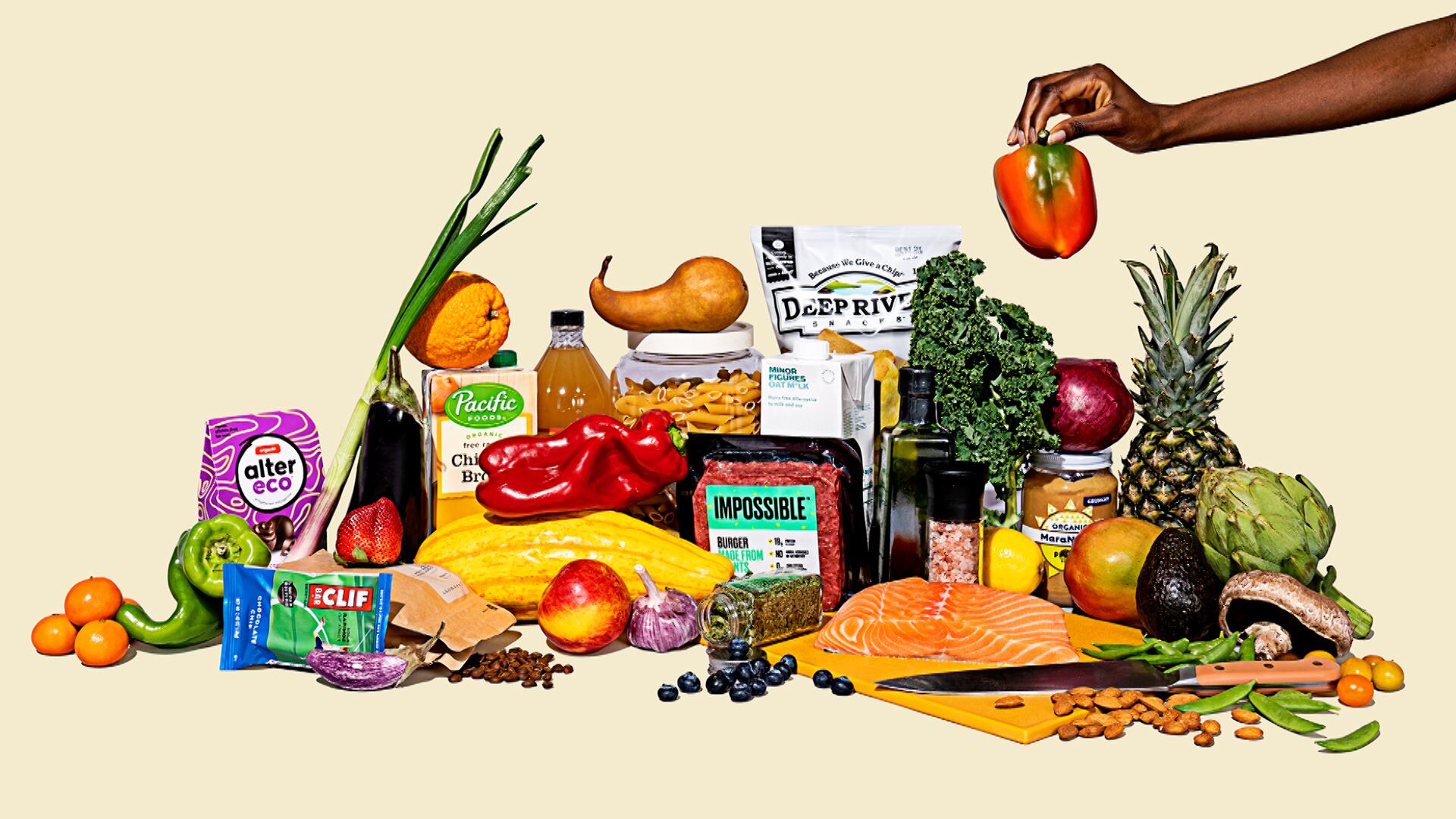
Misfits Market, the grocery delivery company that capitalizes on curbing food waste, expanded into California for the first time on Wednesday. Abhi Ramesh, founder and CEO, joined Cheddar to discuss the launch in the Golden State, after the company's beginnings in Philadelphia and experiencing a wave of growth amid the pandemic. He noted that the expansion was an opportunity to provide West Coast communities with fresh produce as "one in five California households are in food deserts and don't have access to fresh, healthy food."