Facebook's David Marcus Knows Why People Prefer the Messenger App
The way companies communicate with their customers is changing drastically, and Facebook’s head of Messenger says his company’s app creates a space for them to have a better dialogue.
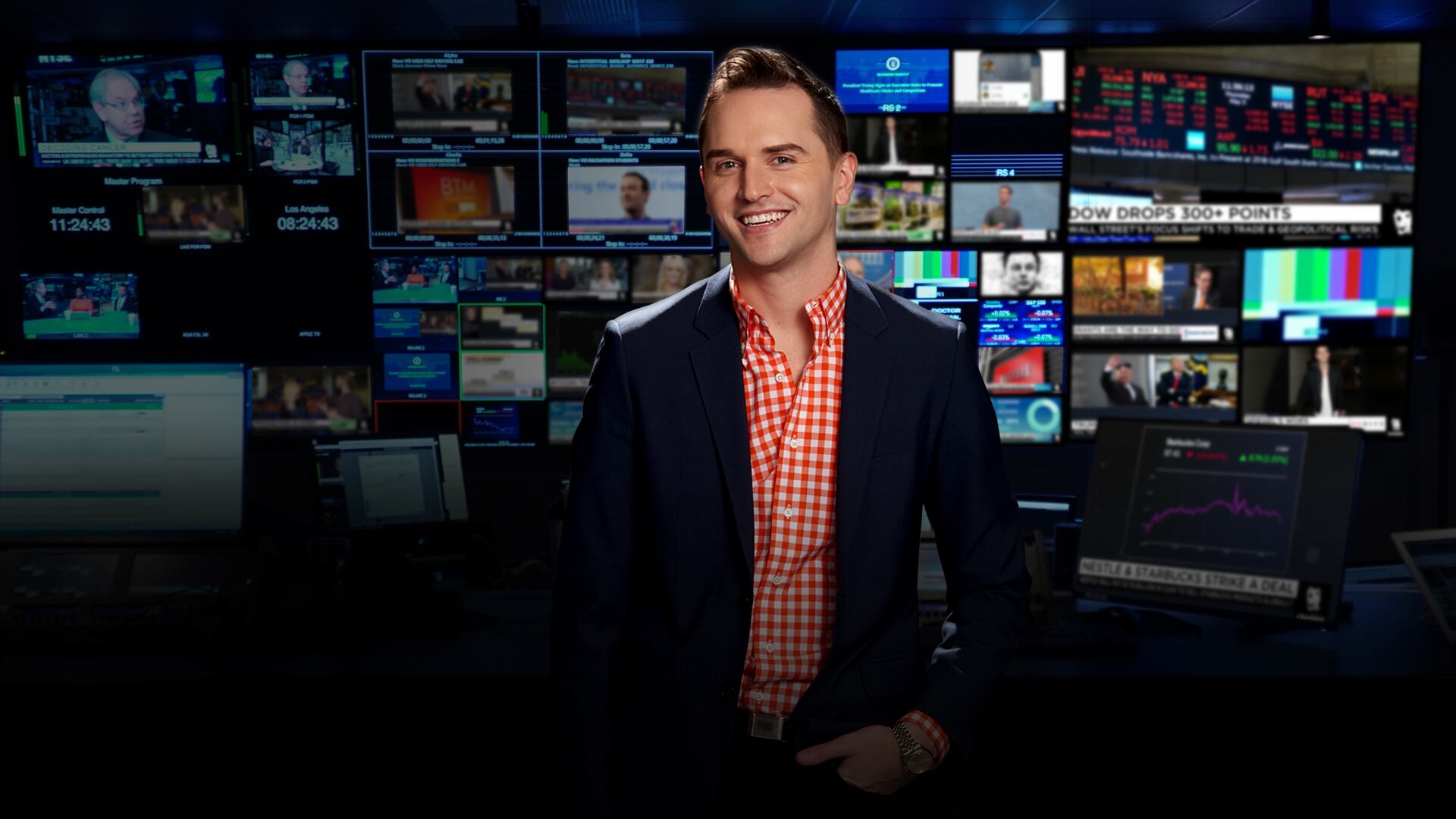
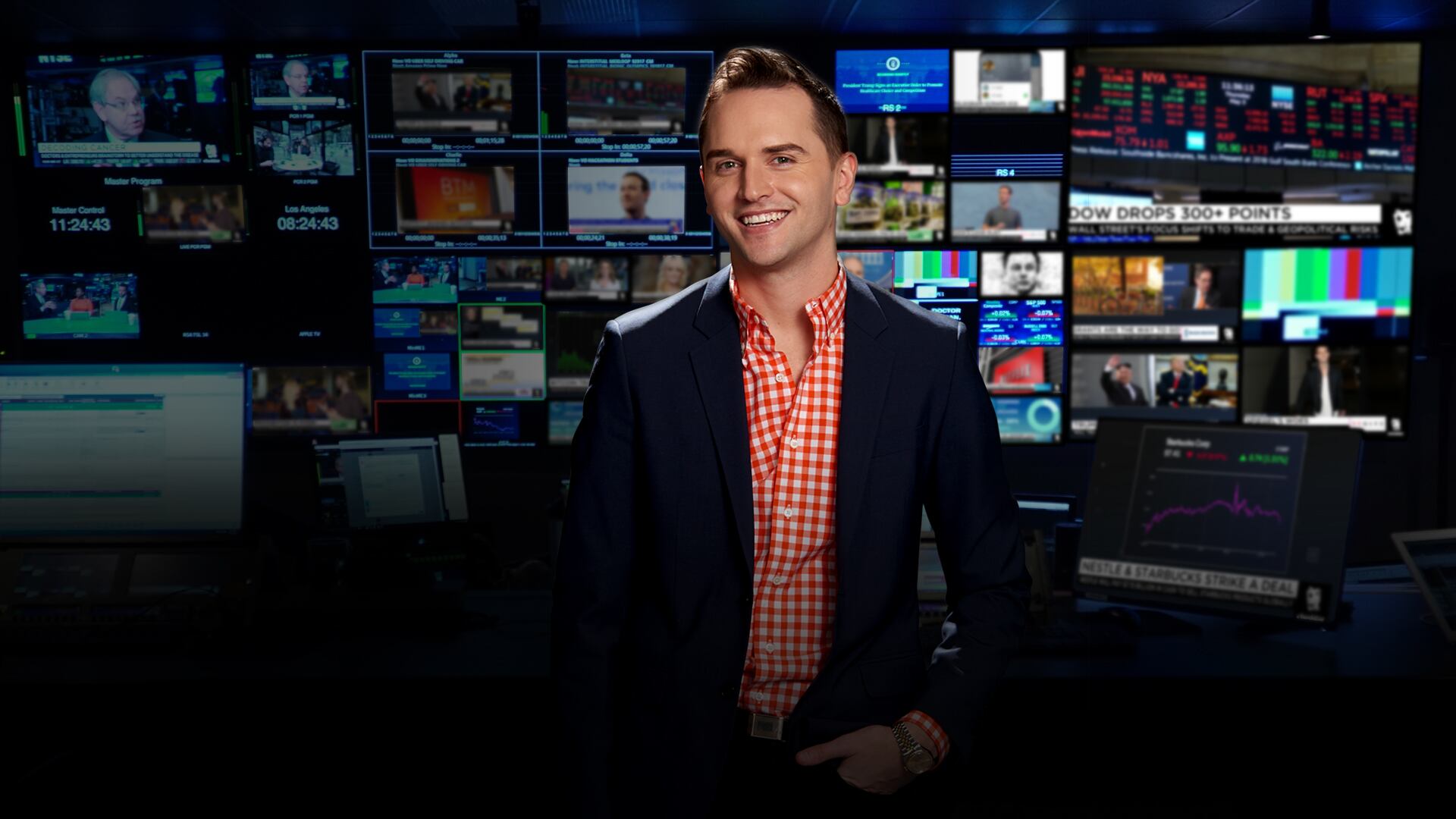
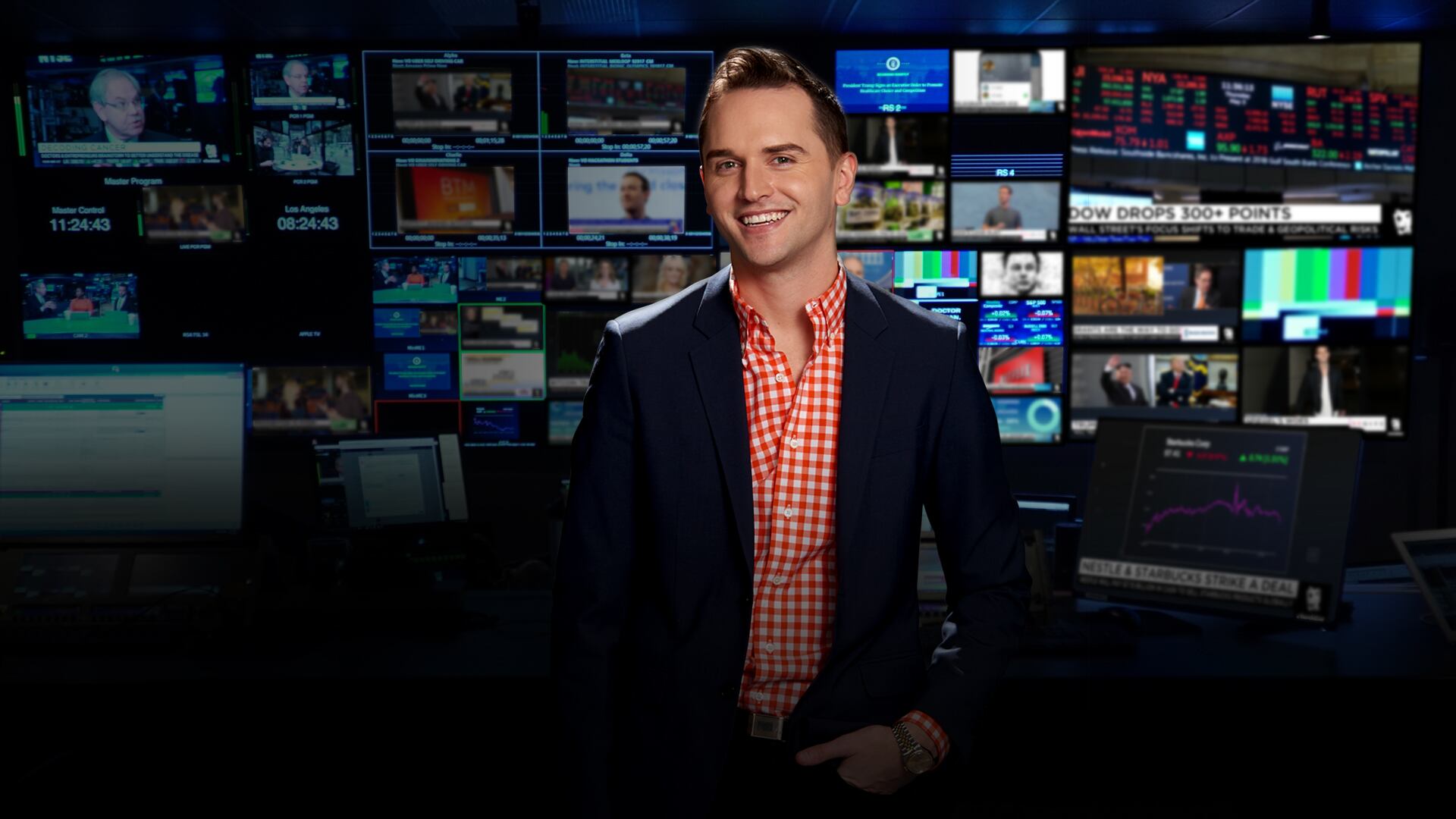
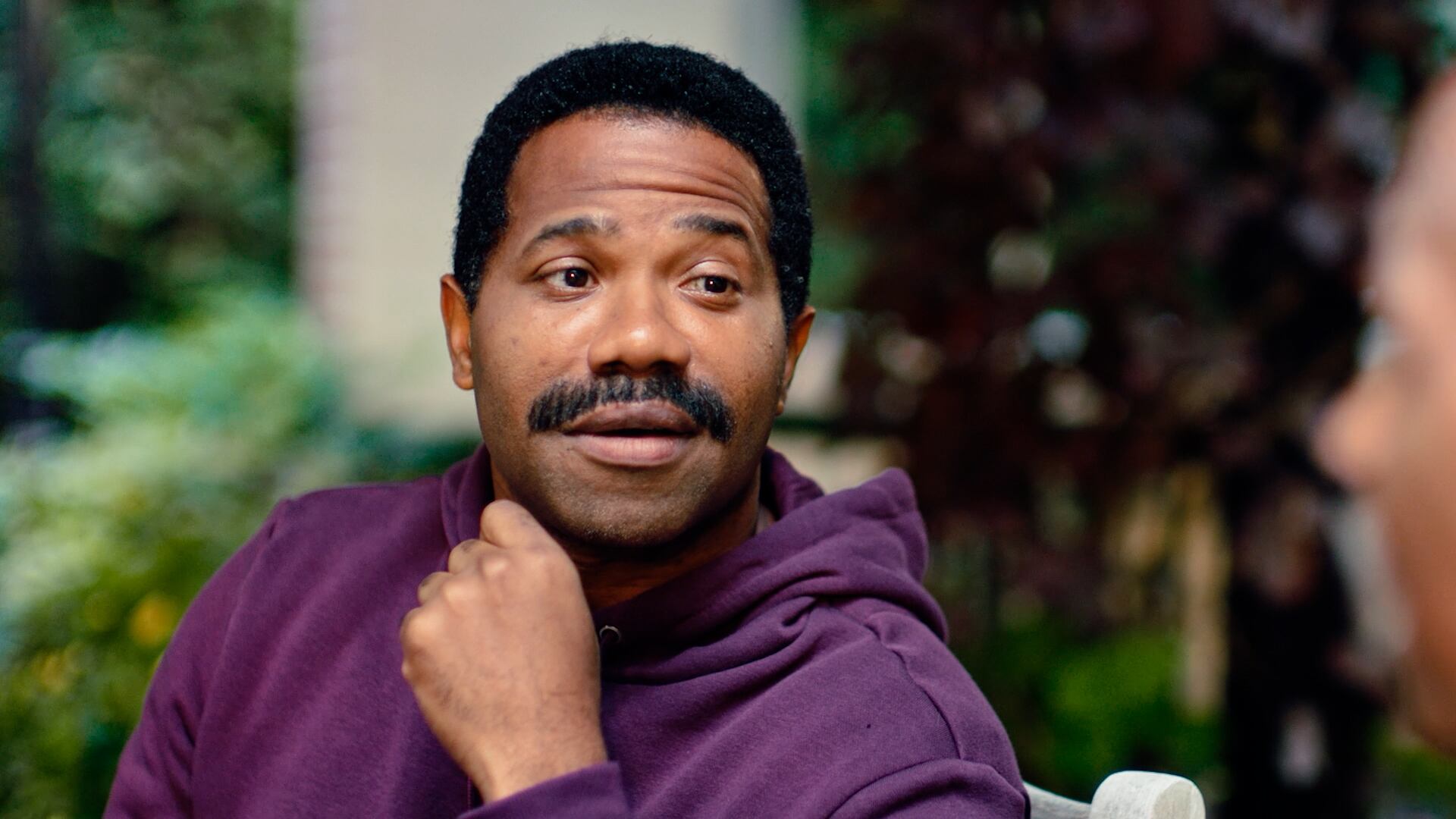
David Marcus joined Cheddar CEO Jon Steinberg from the WPP Stream conference in Ojai, California Friday. He points out that no one ever seems to call companies anymore. Not only is the process tedious, he says, but it’s not the way clients prefer to communicate. Marcus thinks Messenger is a more viable and effective option than even traditional texting.
This push for consumers and companies to communicate via Messenger, which was created in 2011, comes at a time where communication apps are on the rise. Data research firm Statista projects that by 2019 2.19 billion people will be using mobile phone messaging.
Marcus said in September that Facebook Messenger had 1.3 billion active users every month. The company’s other product, WhatsApp, has over 1 billion daily users on the platform. According to Statista, WhatsApp is the most popular option worldwide, and Messenger ranks #3.
Marcus argued that the number of people choosing to communicate via Messenger continues to increase. “As a result [the app] becomes a great platform for businesses as well,” he said.
He points to a survey Facebook conducted found that over 64 percent of people across demographics would prefer to communicate with a brand via a platform like Messenger. But there is a generational difference. A study by Goldman Sachs found that 34 percent of millennials like a brand more when it uses social media, but that number drops to 16 percent in individuals over 36.
Facebook has sought to monetize Messenger through advertising.
“We have ‘Click to Messenger’ ads … you can buy ads that direct people to opening more conversations with your brands inside of Messenger.”
Integrating a system where brands and consumers can increase communication is reminiscent of Facebook’s active advertisement strategy. The tech behemoth one of the two dominant players in the advertising industry -- the other being Google. It rules display advertising with a projected market share of 39 percent this year and revenues at $16.33 billion, according to eMarketer.
This November, Philips Norelco is partnering with Movember® in the United States and Canada to urge men to tackle health issues that are right under their noses. Brett Bardsley, Category Leader, Philips Grooming & Beauty, and Dr. Jake Taylor MD, MPH, Chief Urology Resident at NYU Langone Health, join None of the Above to break down how this partnership is more than just growing & grooming a Mo all month long, what men should know about their own mental and physical well-being, and the impact Philips continues to have as a global health technology company supporting men’s health programming and delivering meaningful innovations.
Learn more about how to get involved at Philips.com/Movember
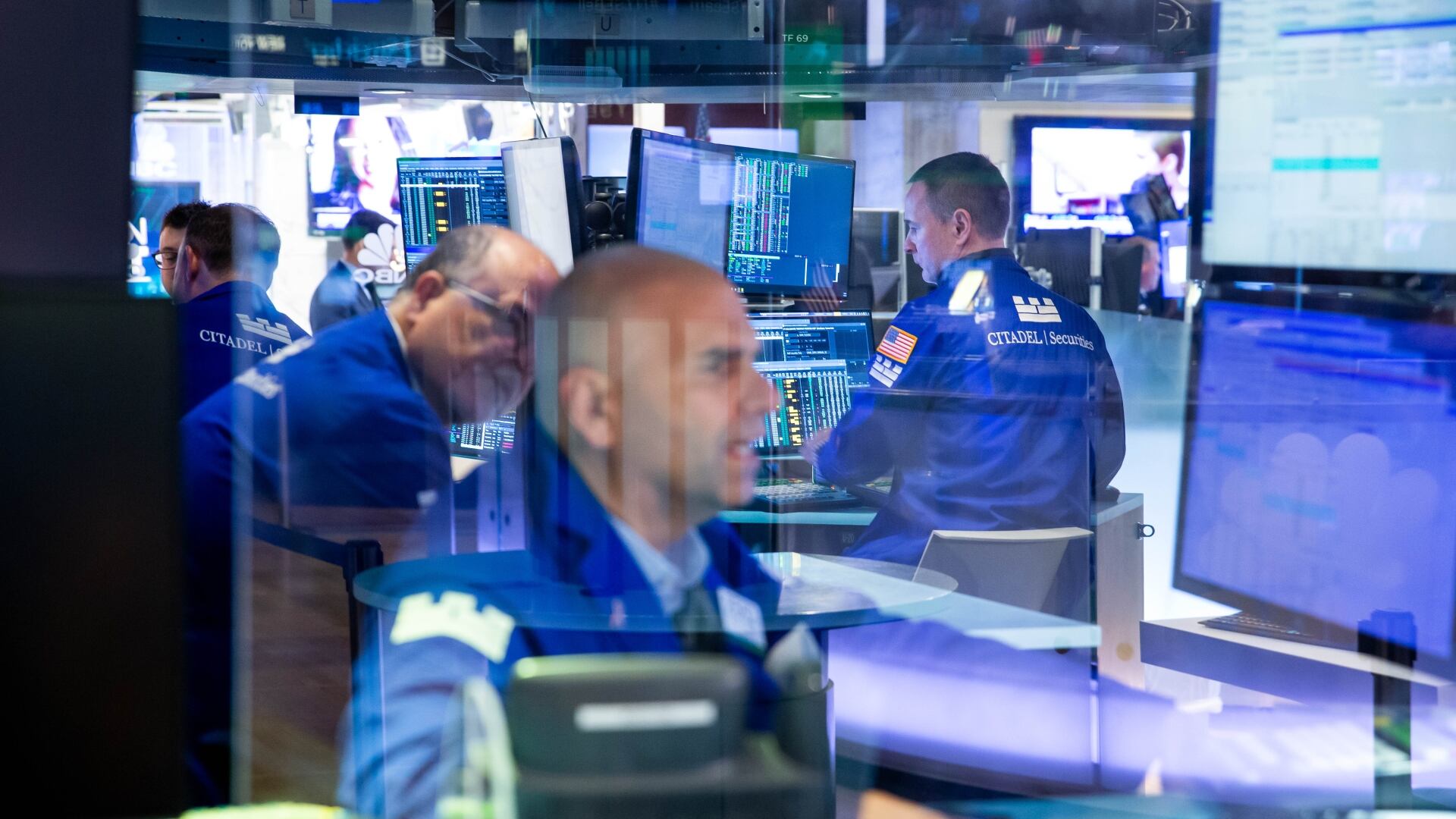
Stocks fell into the red on Wednesday after new data heightened fears over inflation. Vince Lorusso, Co-Founder and portfolio manager at Changebridge Capital, joins Cheddar News' Closing Bell where he says recent history suggests investors to buy the dips.
Food delivery giant DoorDash is acquiring European food delivery company Wolt. The all-stock deal is valued at $8.1 billion and is expected to close in the first half of 2022. The companies say they share a mission to build a global delivery platform. Gerber Kawasaki investment advisor Eva Agi joins Cheddar News' Closing Bell to discuss what the deal means for Doordash, as well as its customers and investors.
Identity verification startup Socure recently raised $450 million dollars in a series E round, bringing the company's valuation to $4.5 billion. Socure says it is now the highest-valued private company in the identity verification space, and that the funds will be used to accelerate its mission to verify 100% of good identities and eliminate identity fraud across all industries. Socure Founder and CEO Johnny Ayers joins Cheddar News' Closing Bell to discuss.
On Tuesday, an Oklahoma court overturned a ruling in a case against Johnson & Johnson for liability in the opioid crisis, and on Wednesday a North Carolina judge put a pause on the thousands of lawsuits accusing the company's baby powder product of containing cancer-causing asbestos. Elizabeth Burch, a professor at the University of Georgia school of law, joined Cheddar to break down the legal results that the pharmaceutical giant had long been hoping to get.