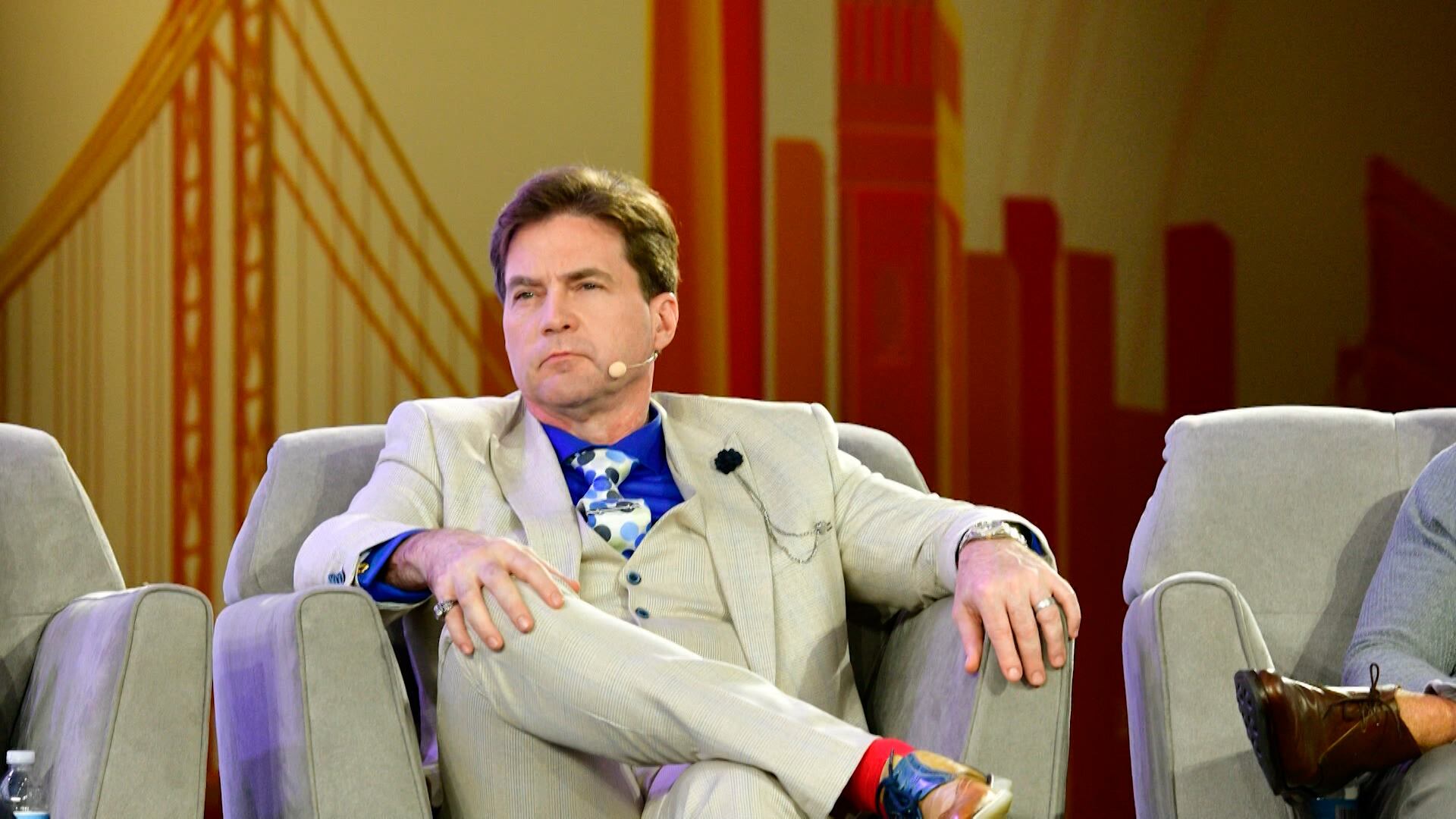
Facebook's David Marcus Knows Why People Prefer the Messenger App
The way companies communicate with their customers is changing drastically, and Facebook’s head of Messenger says his company’s app creates a space for them to have a better dialogue.
David Marcus joined Cheddar CEO Jon Steinberg from the WPP Stream conference in Ojai, California Friday. He points out that no one ever seems to call companies anymore. Not only is the process tedious, he says, but it’s not the way clients prefer to communicate. Marcus thinks Messenger is a more viable and effective option than even traditional texting.
This push for consumers and companies to communicate via Messenger, which was created in 2011, comes at a time where communication apps are on the rise. Data research firm Statista projects that by 2019 2.19 billion people will be using mobile phone messaging.
Marcus said in September that Facebook Messenger had 1.3 billion active users every month. The company’s other product, WhatsApp, has over 1 billion daily users on the platform. According to Statista, WhatsApp is the most popular option worldwide, and Messenger ranks #3.
Marcus argued that the number of people choosing to communicate via Messenger continues to increase. “As a result [the app] becomes a great platform for businesses as well,” he said.
He points to a survey Facebook conducted found that over 64 percent of people across demographics would prefer to communicate with a brand via a platform like Messenger. But there is a generational difference. A study by Goldman Sachs found that 34 percent of millennials like a brand more when it uses social media, but that number drops to 16 percent in individuals over 36.
Facebook has sought to monetize Messenger through advertising.
“We have ‘Click to Messenger’ ads … you can buy ads that direct people to opening more conversations with your brands inside of Messenger.”
Integrating a system where brands and consumers can increase communication is reminiscent of Facebook’s active advertisement strategy. The tech behemoth one of the two dominant players in the advertising industry -- the other being Google. It rules display advertising with a projected market share of 39 percent this year and revenues at $16.33 billion, according to eMarketer.
Rich Weiss, Multi-Asset Strategies CIO at American Century Investments, talks about economic growth amid COVID-19 concerns and how retail spending is being impacted by inflation.
Markets opened higher as investors shrugged off weaker-than-expected job growth and Omicron fears. George Seay, CEO, Annandale Capital joined Cheddar's Opening Bell to discuss.
Michele Schneider, Partner and Director of Trading Research & Education for MarketGauge, breaks down the major risks to the markets and discusses why tech and Agriculture are the best sectors to hedge inflation concerns.
Bitcoin took a nosedive over the weekend, falling to its lowest price level in nearly two months. According to data from Coindesk, the crypto dropped more than 20% to $42,000 on Saturday before rebounding some. Prices of Ether, Dogecoin and Shiba Inu dropped as well, with Ether tumbling by more than 15%at one point. Lance Ippolito, head trader at the Future of Wealth, joined Cheddar to discuss why crypto plummeted and what to expect next.
Less than six months after making its public debut on the NYSE, Chinese ride-hailing giant Didi says it will delist in the U.S. and pivot to Hong Kong instead. Chinese regulators are citing cybersecurity and data concerns. Shehzad Qazi, Managing Director, China Beige Book International joined Cheddar's Opening Bell to discuss.
As offices shifted to remote schedules, and people were forced into a new way of work, many began to re-think their career path and their purpose in the workforce, leading to what many are calling 'The Great Resignation.' During the last year, Americans quit their jobs in unprecedented numbers, seeking more flexibility, better benefits, a higher salary, and ultimately greater independence. Danielle Neal, CEO of Digital with Danielle, is just one of the millions who quit their job during the pandemic, and she joined Cheddar's Opening Bell to tell her story.
As Americans quit their jobs in record numbers this year, companies have been scrambling to try and fill those gaps. Gad Levanon, head of the labor market institute at The Conference Board, says companies need to focus more on salary if they want to better retain their employees. Levanon joined Cheddar to discuss the labor shortage, the "Great Resignation," and what companies can learn from it going into 2022.
The U.S. has seen several retailers across the country forced to close their brick-and-mortar stores amid the rise of e-commerce over the past few years. However, we are in the midst of a brick-and-mortar boom, with retailers expected to open more stores this year than they close, for the first time since 2017, according to an analysis of more than 900 chains by IHL Group, a research and advisory company. At the same time, the e-commerce businesses of retailers have become more dependent on physical stores to fulfill orders, especially during the holiday shopping season. Lionesque Group CEO Melissa Gonzalez joins Cheddar News' Closing Bell to discuss.
Stocks closed higher Tuesday with the S&P 500 and Nasdaq marking their best day since March. Tech stocks and chipmakers were on the move, lifting the Nasdaq higher as investors shake off recent COVID-19 omicron variant fears. Chris Konstantinos, Chief Investment Strategist at RiverFront Investment Group, joins Cheddar News' Closing Bell to discuss today's close, investor sentiment around COVID-19, inflation's impact on markets, and more.
Alyse Killeen, Founder & Managing Partner at Stillmark VC, joins Cheddar News' Closing Bell to discuss what the jury had to evaluate in the Craig Wright trial and if uncovering the identity of Bitcoin inventor Satoshi Nakamoto will actually impact crypto investors.