Facebook's David Marcus Knows Why People Prefer the Messenger App
The way companies communicate with their customers is changing drastically, and Facebook’s head of Messenger says his company’s app creates a space for them to have a better dialogue.
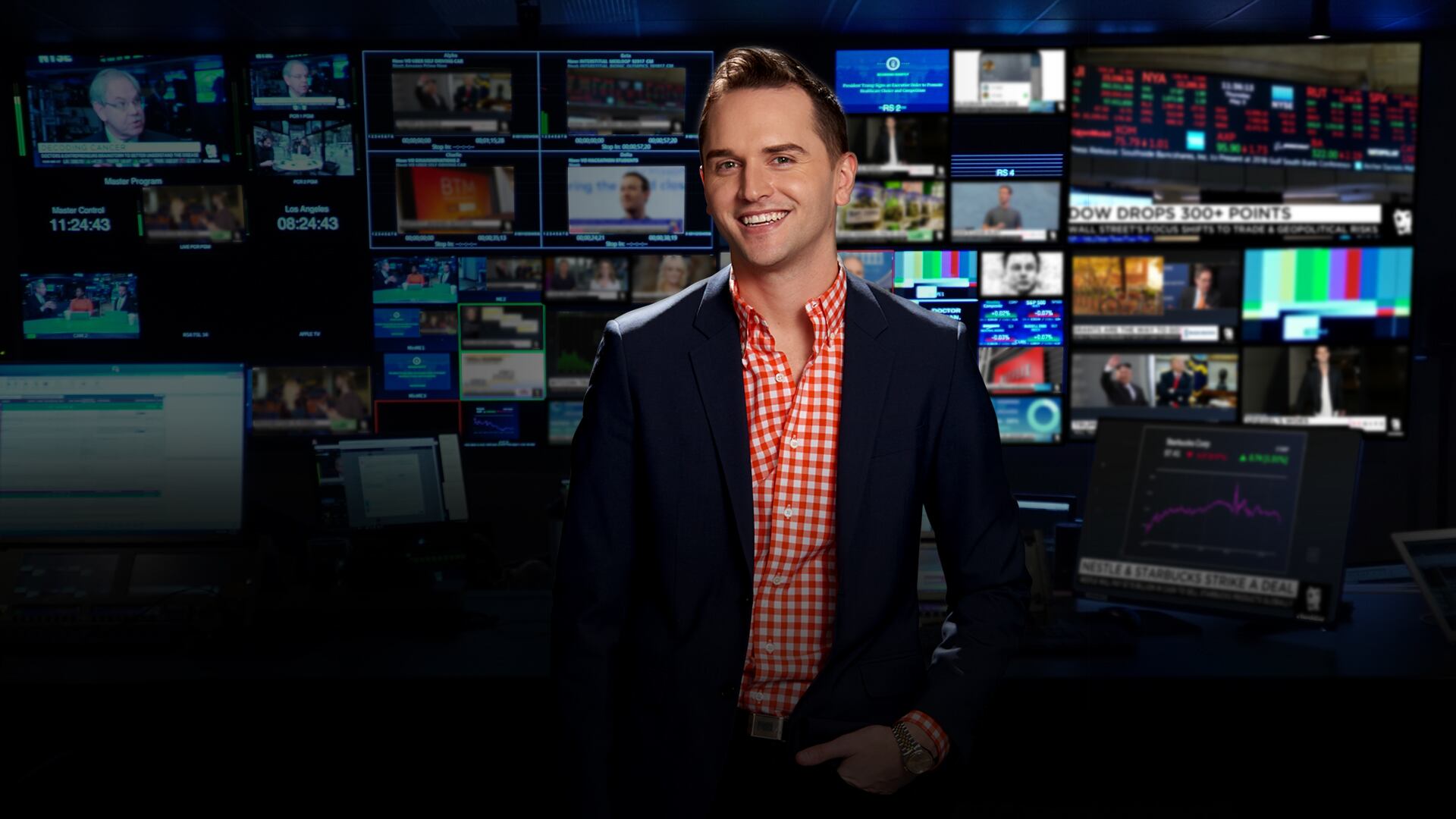
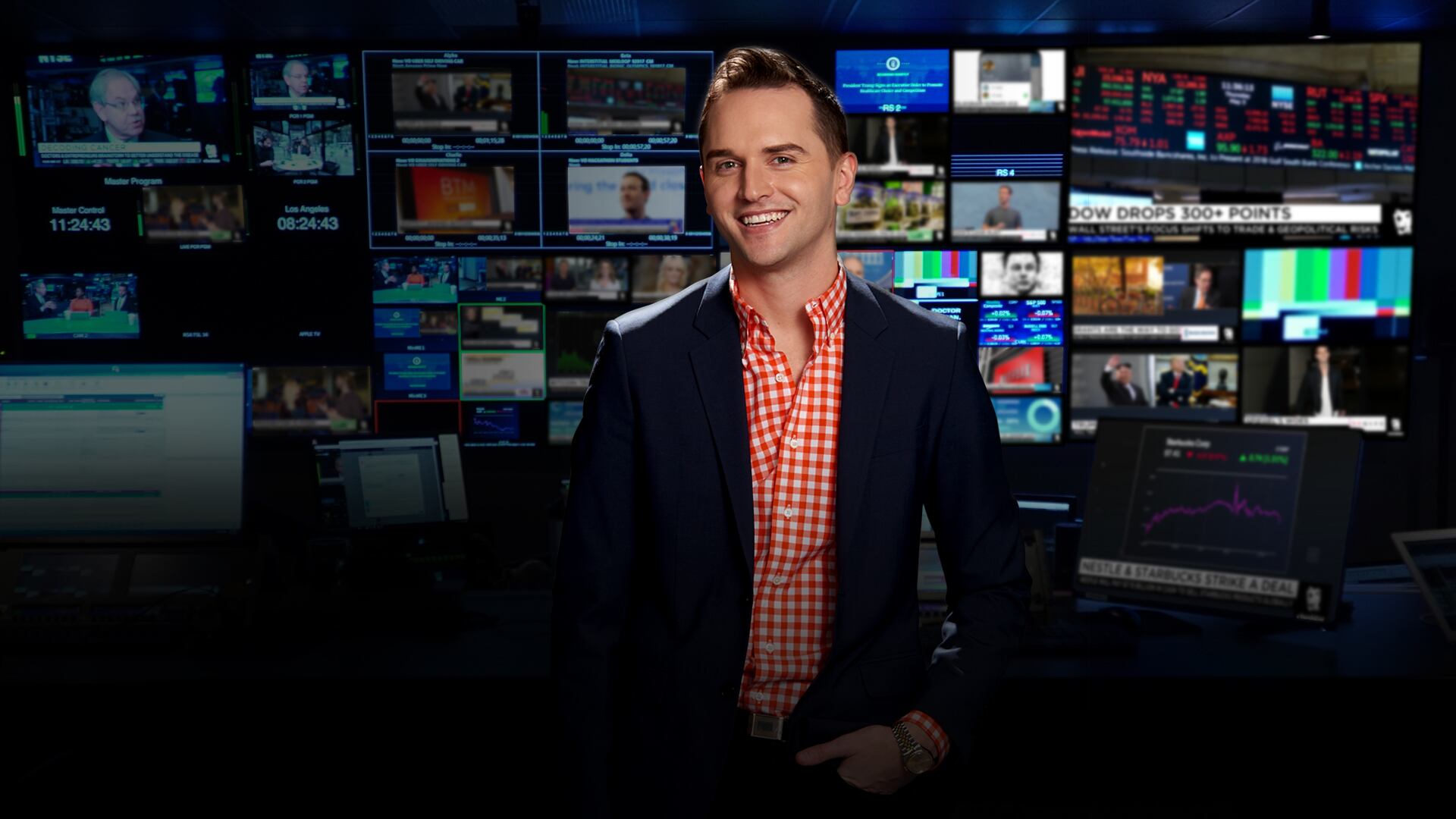
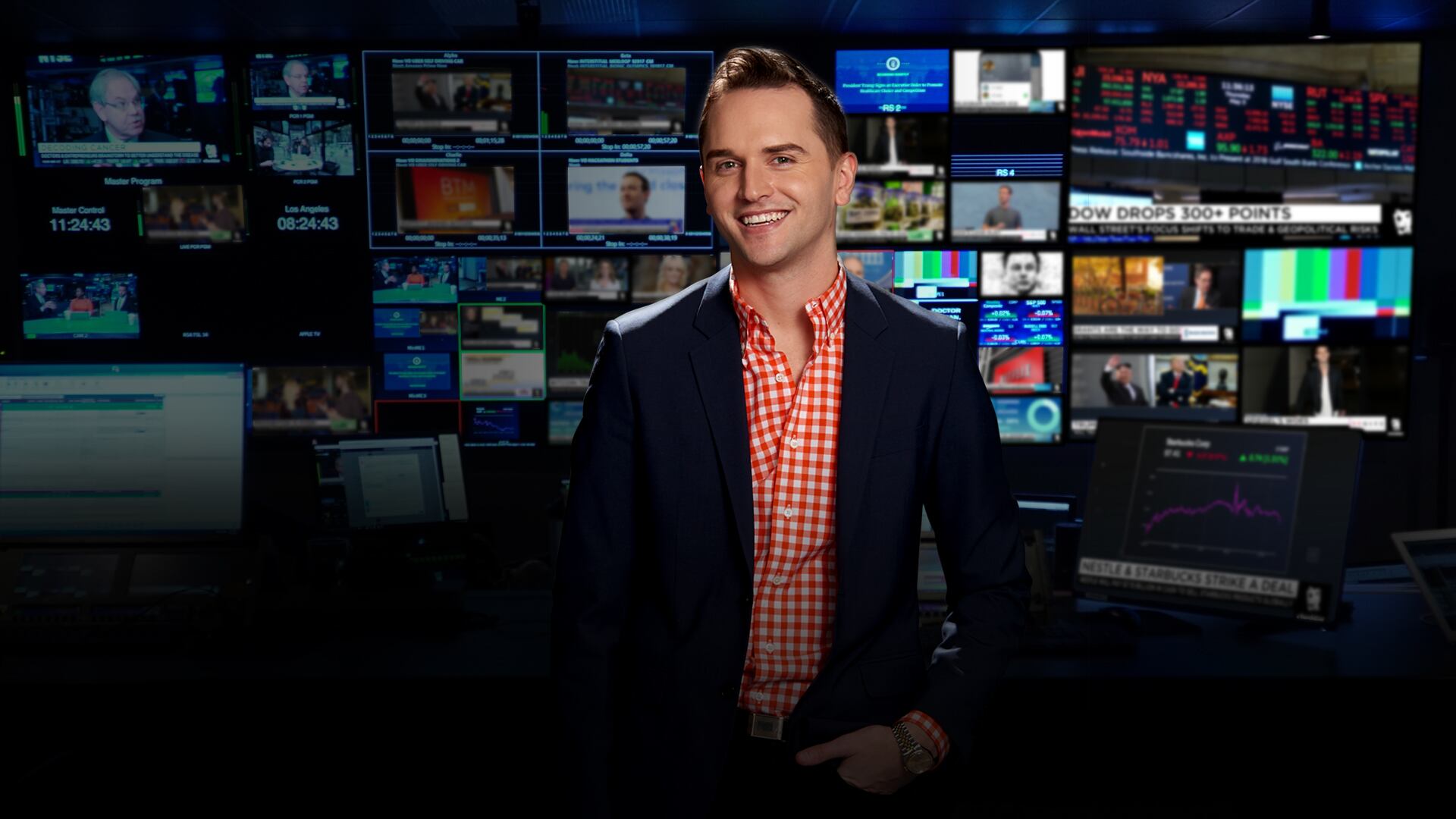
David Marcus joined Cheddar CEO Jon Steinberg from the WPP Stream conference in Ojai, California Friday. He points out that no one ever seems to call companies anymore. Not only is the process tedious, he says, but it’s not the way clients prefer to communicate. Marcus thinks Messenger is a more viable and effective option than even traditional texting.
This push for consumers and companies to communicate via Messenger, which was created in 2011, comes at a time where communication apps are on the rise. Data research firm Statista projects that by 2019 2.19 billion people will be using mobile phone messaging.
Marcus said in September that Facebook Messenger had 1.3 billion active users every month. The company’s other product, WhatsApp, has over 1 billion daily users on the platform. According to Statista, WhatsApp is the most popular option worldwide, and Messenger ranks #3.
Marcus argued that the number of people choosing to communicate via Messenger continues to increase. “As a result [the app] becomes a great platform for businesses as well,” he said.
He points to a survey Facebook conducted found that over 64 percent of people across demographics would prefer to communicate with a brand via a platform like Messenger. But there is a generational difference. A study by Goldman Sachs found that 34 percent of millennials like a brand more when it uses social media, but that number drops to 16 percent in individuals over 36.
Facebook has sought to monetize Messenger through advertising.
“We have ‘Click to Messenger’ ads … you can buy ads that direct people to opening more conversations with your brands inside of Messenger.”
Integrating a system where brands and consumers can increase communication is reminiscent of Facebook’s active advertisement strategy. The tech behemoth one of the two dominant players in the advertising industry -- the other being Google. It rules display advertising with a projected market share of 39 percent this year and revenues at $16.33 billion, according to eMarketer.
Carlo and Baker cover the heartening news on the Covid front ahead of the holiday, plus President Biden punting student loan repayments again, a new space telescope and Love, Hate, Ate: Christmas Eve Eve Edition!
Stocks closed lower Monday as investors continued to price in COVID-19 omicron variant fears. Reopening stocks like airlines, financial companies, restaurants and hotels, and more, dragged on the major indexes as businesses and events took a pause over the weekend amid rising case numbers in metropolitan areas. This comes a week after the Federal Reserve announced it plans to speed up its asset tapering timeline in January and institute three rate hikes next year. Is that plan aging well? Robert Conzo, CEO of The Wealth Alliance, joins Cheddar News' Closing Bell to discuss market movement, how stocks could close out the year, what the Fed could do in 2022, and more.
After a vote in one Buffalo, New York-area Starbucks created the first workers union in the coffee chain's history, the company has announced that it is ready to negotiate in good faith with the new bargaining unit. But a tense process where labor organizers leveled accusations of anti-union activity at the coffee giant may make that difficult. Cortlin Harrison, a barista at the unionized store, spoke to Cheddar about making a deal. "We can move past all the dirty tricks, the union-busting, the captive audience meetings," he said. "I'm ready to go to the table, and my fellow baristas are ready to go to the table, and just move forward."
This year's worldwide semiconductor shortage limited the supply of everything from new cars to smartphones; and now, many in the chip industry expect the shortage to continue deep into 2022, and maybe even 2023. Semiconductor senior research analyst for Robert W. Baird & Co., Tristan Gerra, joins Cheddar News' Closing Bell to discuss.
Direct health care company Nomi Health recently raised $110 million in a Series A round. Nomi Health lets public and private organizations directly purchase healthcare at reduced costs, and pay providers in real-time. It also delivers healthcare directly to under-served communities via its fleet of mobile care units, which the company says is the largest in the country. Nomi Health says its mission is to improve the health care experience for all Americans. Nomi Health CEO Mark Newman joined Cheddar News' Closing Bell to discuss.
American Express and Nova Credit have partnered the credit passport program aimed at expanding access to credit for immigrants from the Dominican Republic, Nigeria, Kenya, and Brazil. Misha Esipov, co-founder and CEO of Nova Credit, joined Cheddar's Ken Buffa to talk about the program's benefits for immigrants who have to start over in the U.S. and are looking to establish a credit history. "If you were a good borrower in your home country — and you can prove you were a borrower in your home country — when you first arrive here, you can use that information to continue to be a good borrower," he said of the service.