Facebook's David Marcus Knows Why People Prefer the Messenger App
The way companies communicate with their customers is changing drastically, and Facebook’s head of Messenger says his company’s app creates a space for them to have a better dialogue.
David Marcus joined Cheddar CEO Jon Steinberg from the WPP Stream conference in Ojai, California Friday. He points out that no one ever seems to call companies anymore. Not only is the process tedious, he says, but it’s not the way clients prefer to communicate. Marcus thinks Messenger is a more viable and effective option than even traditional texting.
This push for consumers and companies to communicate via Messenger, which was created in 2011, comes at a time where communication apps are on the rise. Data research firm Statista projects that by 2019 2.19 billion people will be using mobile phone messaging.
Marcus said in September that Facebook Messenger had 1.3 billion active users every month. The company’s other product, WhatsApp, has over 1 billion daily users on the platform. According to Statista, WhatsApp is the most popular option worldwide, and Messenger ranks #3.
Marcus argued that the number of people choosing to communicate via Messenger continues to increase. “As a result [the app] becomes a great platform for businesses as well,” he said.
He points to a survey Facebook conducted found that over 64 percent of people across demographics would prefer to communicate with a brand via a platform like Messenger. But there is a generational difference. A study by Goldman Sachs found that 34 percent of millennials like a brand more when it uses social media, but that number drops to 16 percent in individuals over 36.
Facebook has sought to monetize Messenger through advertising.
“We have ‘Click to Messenger’ ads … you can buy ads that direct people to opening more conversations with your brands inside of Messenger.”
Integrating a system where brands and consumers can increase communication is reminiscent of Facebook’s active advertisement strategy. The tech behemoth one of the two dominant players in the advertising industry -- the other being Google. It rules display advertising with a projected market share of 39 percent this year and revenues at $16.33 billion, according to eMarketer.
Americans looking to purchase at-home COVID-19 tests will now have to shell out a bit more money after an agreement expired between the White House and companies to sell the tests at cost. The price of Abbot's BinaxNow test kit from October to December was $14 apiece; on Tuesday, Walmart's website listed the test for $19.88, and Kroger listed the tests for $23.99. Carbon Health Regional Clinical Director Dr. Bayo Curry-Winchell joined Cheddar News' Closing Bell to discuss the impact higher prices will have as the nation experiences another surge in cases.
Natalia Abrams, President of the Student Debt Crisis Center, discusses how the extension impacts borrowers and what the federal government needs to do to tackle the student loan debt crisis.
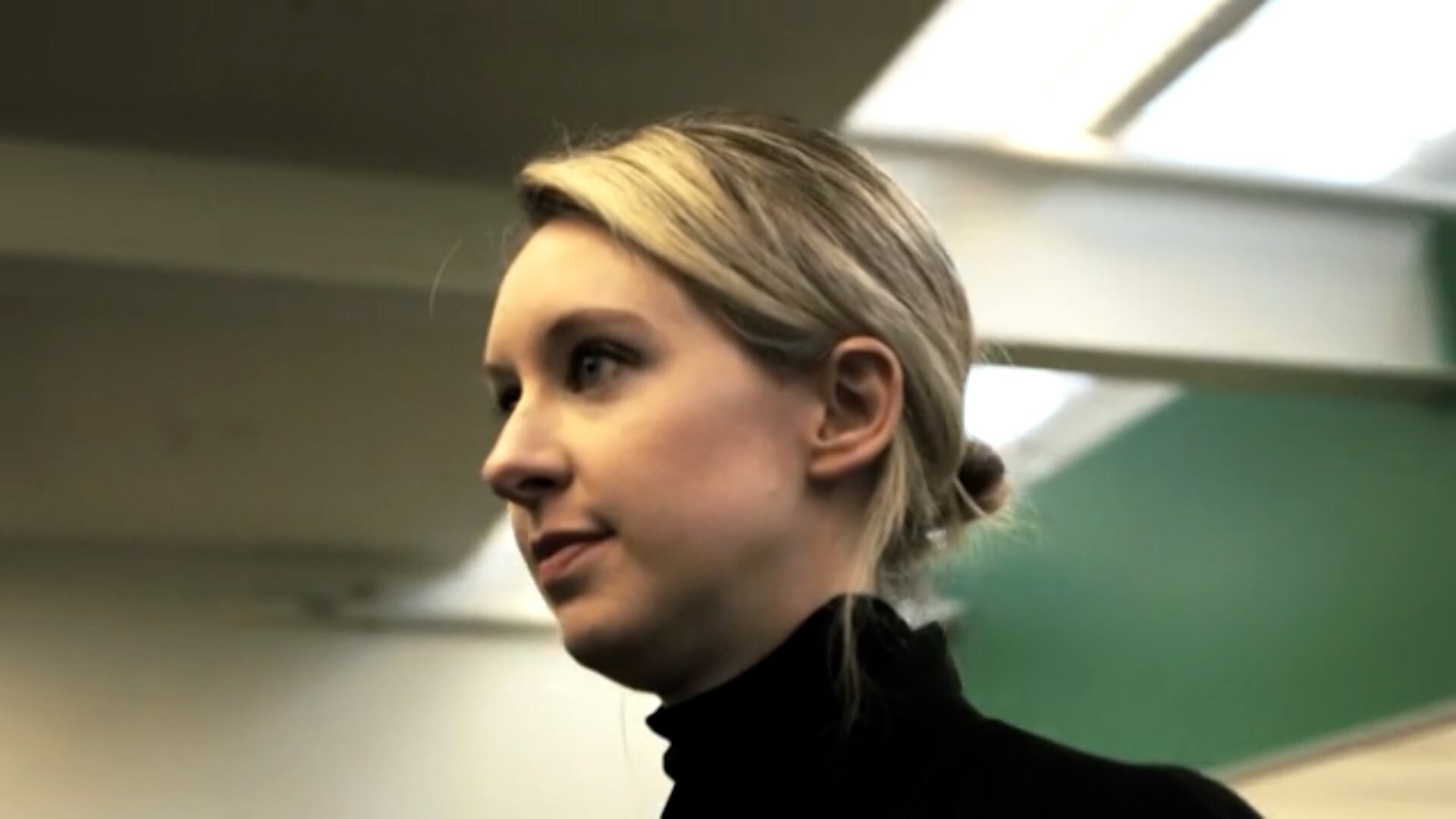
Caroline Polisi, Criminal Defense Attorney & Lecturer in Law at Columbia Law School, breaks down the Holmes verdict and how this case impacts the reputation of female entrepreneurs.
The streaming wars picked up in 2021, but what can we expect to see in 2022 as the global economy re-opens? Wall Street is likely to spend much of the new year debating where to place bets in the new year, and specifically which entertainment stocks to focus on. Tuna Amobi, media and entertainment analyst at CFRA research, joins Cheddar News to share his top picks.
2022 is set to be a big year for autonomous technology. After many new partnerships, acquisitions, and developments in 2021, all eyes will be on the self-driving sector to see what progress, or lack there-of, will be made this year. Soroush Salehian, CEO and co-founder of Aeva, gives a look at what's ahead for the industry.
Jon Wilk, CEO of CompoSecure, discusses how the adoption of tap-to-pay is expanding the longevity of physical cards and the growth opportunities within the crypto cold storage ecosystem.
The largest tech convention in the world kicks off this week. CES, organized by the Consumer Technology Association, will run from Wednesday Jan. 5 through Friday Jan. 7, featuring more than 2,000 exhibitors showing off their latest tech products in Las Vegas. Ian Sherr, editor at large at CNET, gives a first look at some of the biggest trends expected this year.
Verizon and AT&T have agreed to delay the launch of their 5G networks for two weeks following pressure from the Federal Aviation Administration, airline companies and even Transportation Secretary Pete Buttigieg. The aviation industry is concerned the 5G rollout could bring technical challenges or safety concerns on top of the current disruptions they're already dealing with from COVID and severe weather. Hugh Odom, founder and president of Vertical Consultants and former AT&T attorney, discusses how the Biden administration was able to come to this agreement with the wireless carriers.
Angelo Zino, Senior Industry Analyst & Vice President at CFRA Research, breaks down the tech giants' valuation milestone and discusses the areas of Apple's business that could see further growth.