Facebook's David Marcus Knows Why People Prefer the Messenger App
The way companies communicate with their customers is changing drastically, and Facebook’s head of Messenger says his company’s app creates a space for them to have a better dialogue.
David Marcus joined Cheddar CEO Jon Steinberg from the WPP Stream conference in Ojai, California Friday. He points out that no one ever seems to call companies anymore. Not only is the process tedious, he says, but it’s not the way clients prefer to communicate. Marcus thinks Messenger is a more viable and effective option than even traditional texting.
This push for consumers and companies to communicate via Messenger, which was created in 2011, comes at a time where communication apps are on the rise. Data research firm Statista projects that by 2019 2.19 billion people will be using mobile phone messaging.
Marcus said in September that Facebook Messenger had 1.3 billion active users every month. The company’s other product, WhatsApp, has over 1 billion daily users on the platform. According to Statista, WhatsApp is the most popular option worldwide, and Messenger ranks #3.
Marcus argued that the number of people choosing to communicate via Messenger continues to increase. “As a result [the app] becomes a great platform for businesses as well,” he said.
He points to a survey Facebook conducted found that over 64 percent of people across demographics would prefer to communicate with a brand via a platform like Messenger. But there is a generational difference. A study by Goldman Sachs found that 34 percent of millennials like a brand more when it uses social media, but that number drops to 16 percent in individuals over 36.
Facebook has sought to monetize Messenger through advertising.
“We have ‘Click to Messenger’ ads … you can buy ads that direct people to opening more conversations with your brands inside of Messenger.”
Integrating a system where brands and consumers can increase communication is reminiscent of Facebook’s active advertisement strategy. The tech behemoth one of the two dominant players in the advertising industry -- the other being Google. It rules display advertising with a projected market share of 39 percent this year and revenues at $16.33 billion, according to eMarketer.
Rental prices are rising across the country, causing millions to relocate. Average rents rose 14 percent last year, and Americans expect rents will continue to rise by about 10 percent just this year. Daryl Fairweather, chief economist at Redfin, joins Cheddar News to discuss.
The video game industry has seen monumental growth the past few years - with an increasing amount of companies jumping head first into the space. In January alone, Microsoft announced its plan to acquire Activision Blizzard, game publisher Take-Two agreed to buy Zynga, and most recently, Sony announced it has agreed to buy game developer Bungie for $3.6 billion. Tobias Batton, CEO and founder of Ex Populus, joined Cheddar Movers to discuss the surge in M&A activity in the gaming space.
Facebook parent Meta reported disappointing results in its first quarterly earnings report since rebranding to focus on the metaverse. The tech giant delivered mixed results with quarterly profit falling well below Wall Street expectations. Shares plunged more than 20 percent in after hours trading as a result. Martin Garner, COO of CCS Insight, joined Cheddar Movers to break down the company's results.
Karyn Cavanaugh, Chief Investment Officer at Carolinas Wealth Management, breaks down which industries investors should watch this earnings season and highlights which sectors have upside potential.
Super Group, the company behind leading global online sports betting and gaming businesses Betway and Spin, has landed on Wall Street. The company went public via SPAC with Sports Entertainment Acquisition Corp., and now lists on the NYSE under the ticker symbol 'SGHC.' This debut comes as the U.S. sports betting market continues to heat up with more and more states legalizing the practice. Eric Grubman, chairman of Super Group, joined Cheddar to discuss.
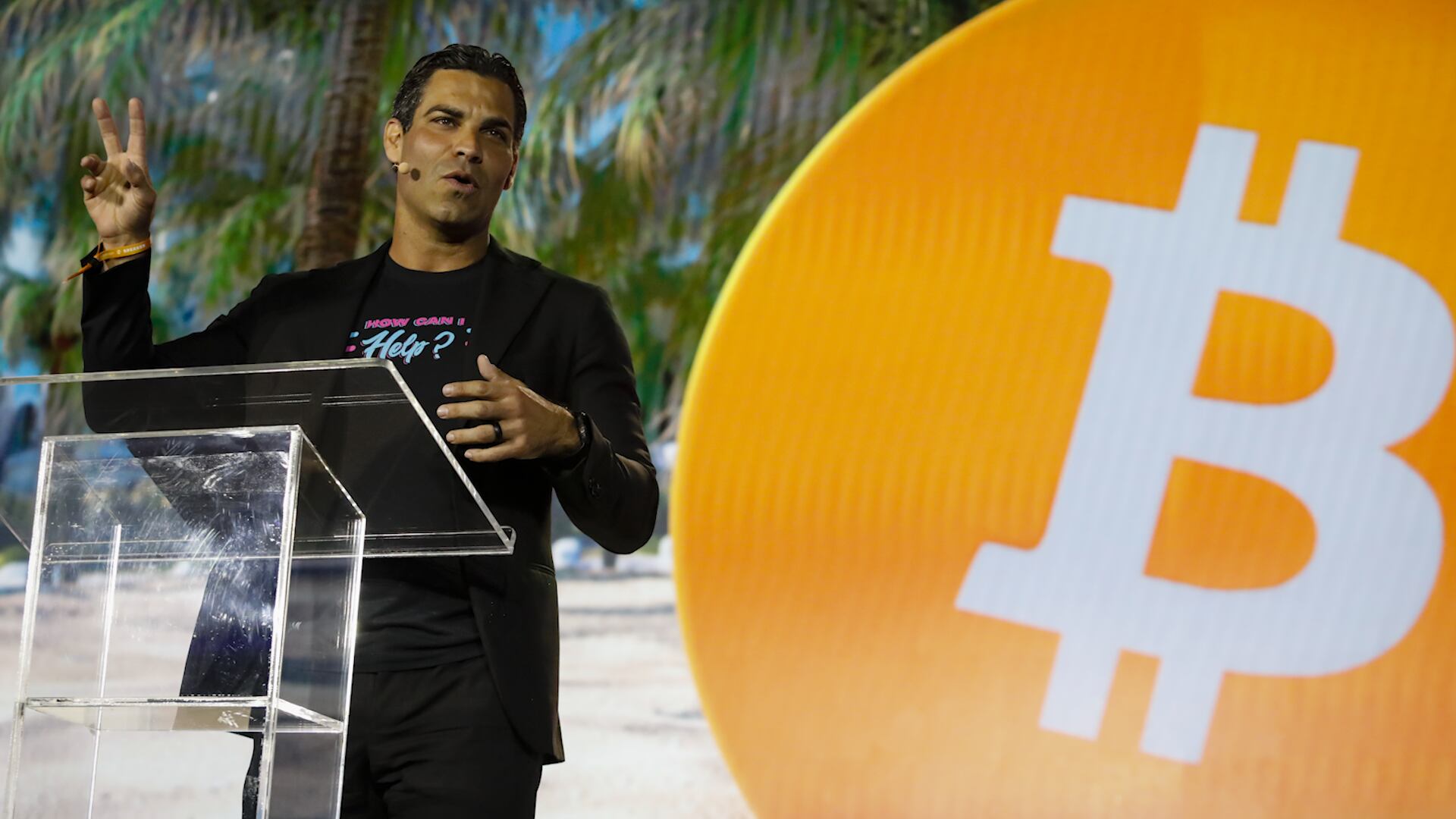
Miami wants to be the crypto capital of the world. Mayor Francis Suarez has gone all in on the blockchain, even accepting one of his first paychecks in Bitcoin, hosting one of the world's largest digital cryptocurrency conferences, and marketing Miami as a great place for tech experts to work. Maja Vujinovic, managing director of OGroupLLC, joined Cheddar's Fast Forward to discuss Miami's enthusiasm toward crypto, some of the potential risks that entails, and where the city might be heading when it comes to the crypto takeover.
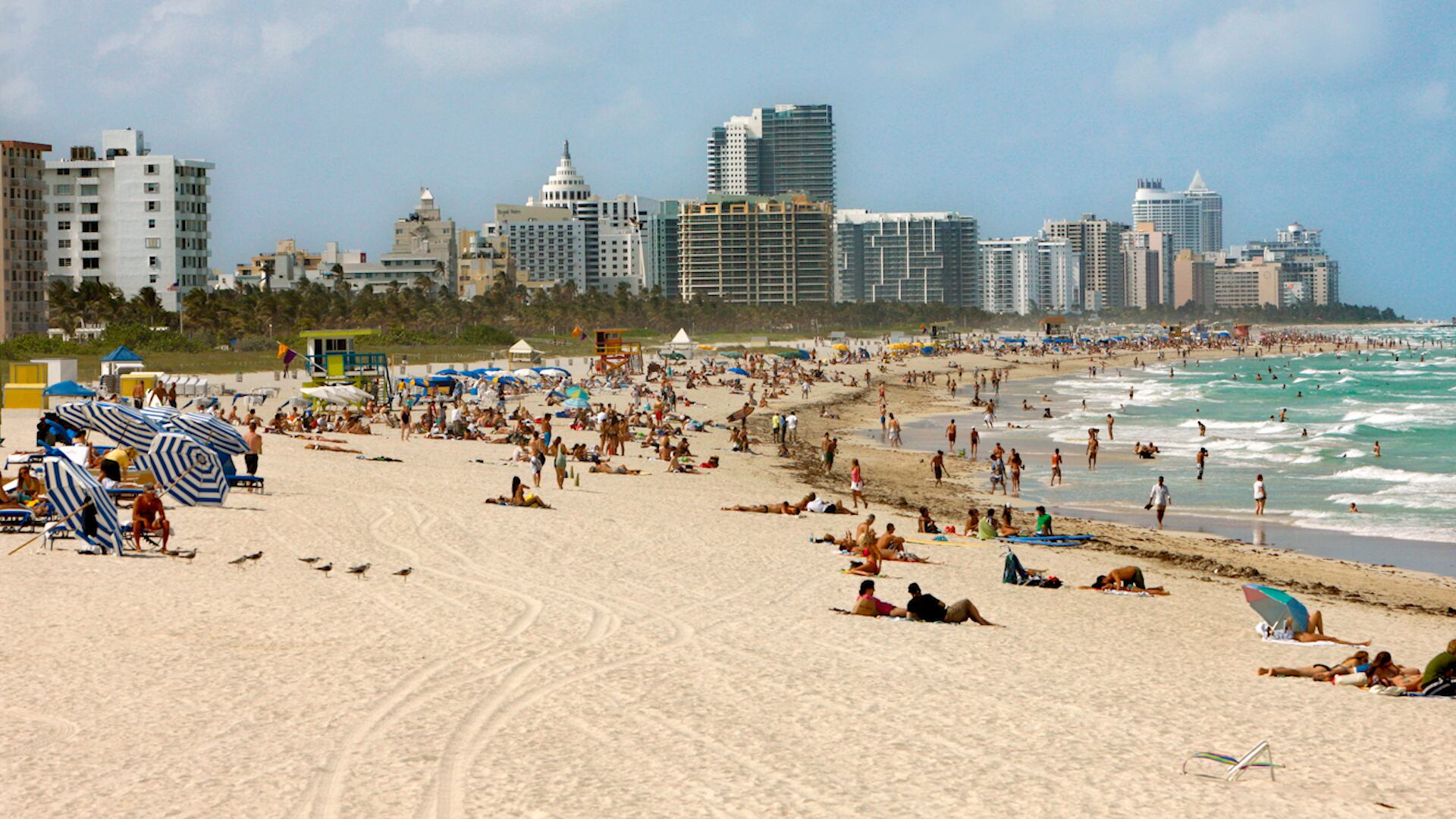
Like so many other cities, Miami experienced a tourism boom over the summer after vaccines were distributed. But, the Omicron variant has thrown the travel industry for a loop. David Whitaker, president and CEO of the Greater Miami Convention and Visitors Bureau, joined Cheddar to discuss the city as a tourist destination, and how it has handled headwinds from the pandemic.
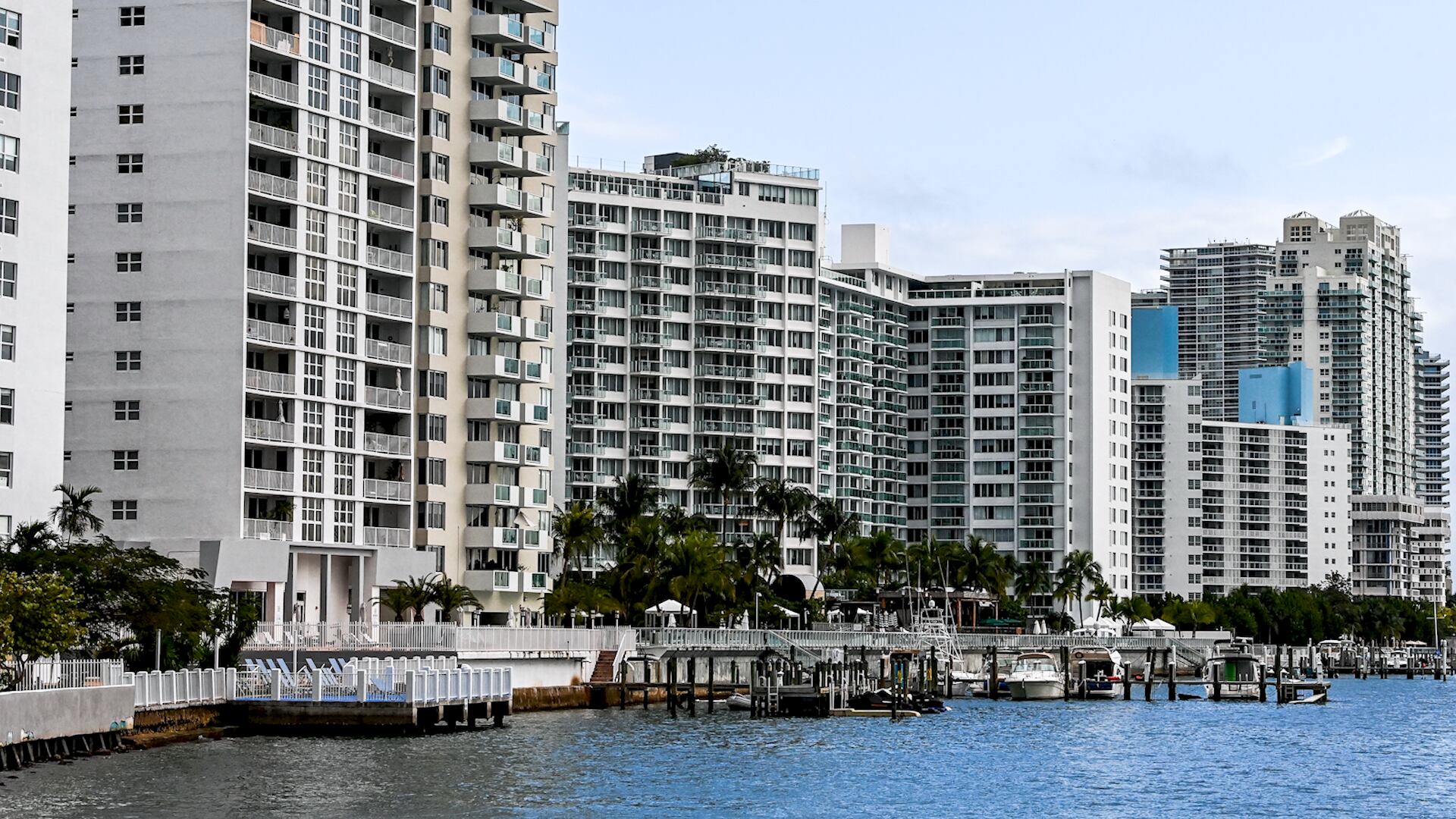
Miami's real estate market has boomed since early 2020, thanks to an overall strong housing market, remote work, and no income tax as incentives. The city is preparing to welcome even more residents as people relocate to warmer climates to work from home. Garrett Derderian, director of market intelligence at SERHANT, joined Cheddar to discuss the Magic City's red hot market.
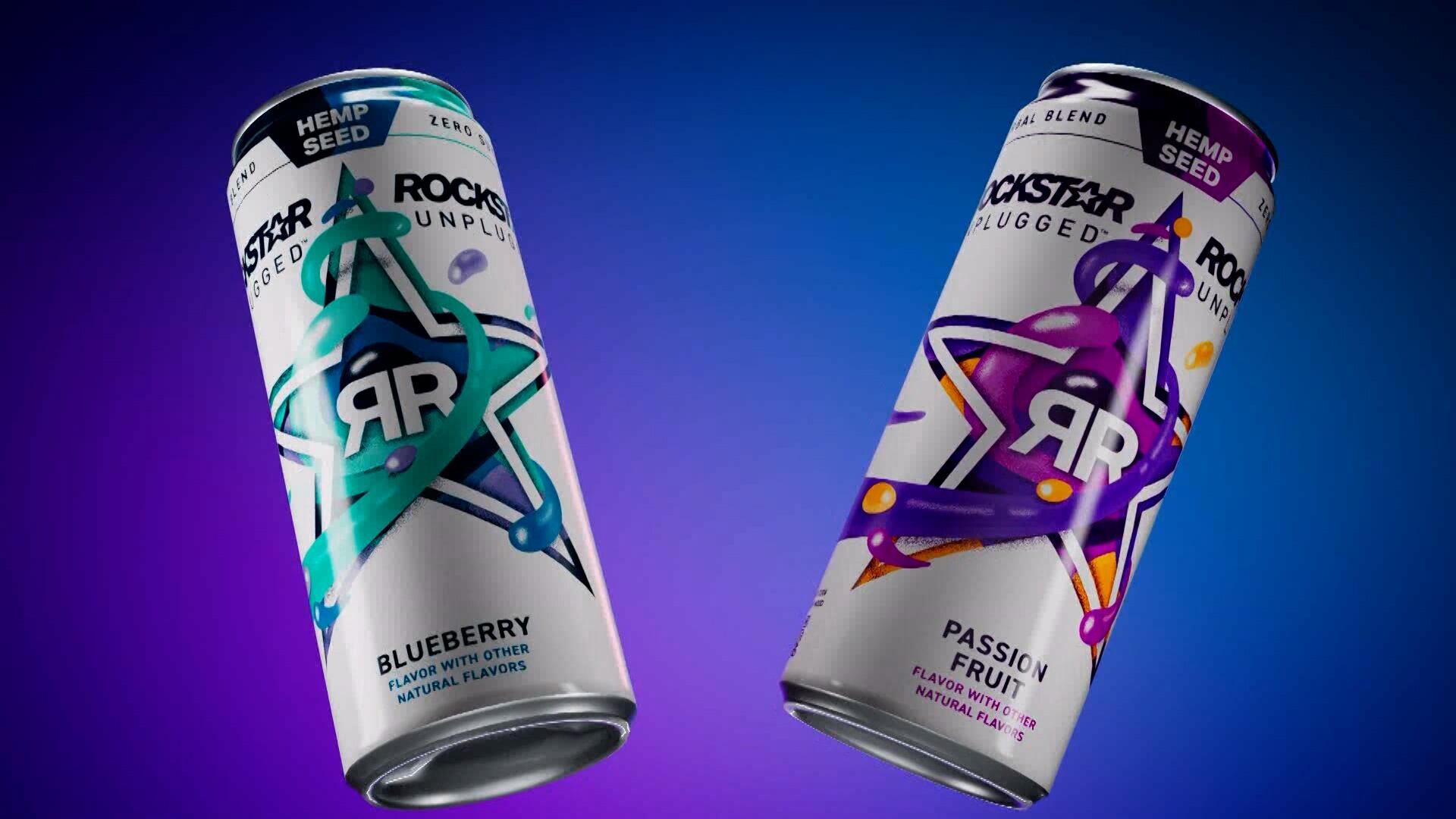
Rockstar Energy, a subsidiary of Pepsico, unveiled its new beverage brand, Rockstar Unplugged, changing up the energy drink formula with hemp seed oil as an ingredient. PepsiCo Energy CMO Fabiola Torres joined Cheddar News to talk about how the product promotes “good vibes” and allows consumers to unwind and discuss partnering with "MTV Unplugged" for a concert series. "We couldn't find a better partnership that MTV," she said. "MTV Unplugged has been such an iconic proposition … and we believe that we're the right partners because the insight of our proposition for Rockstar Unplugged comes from music.