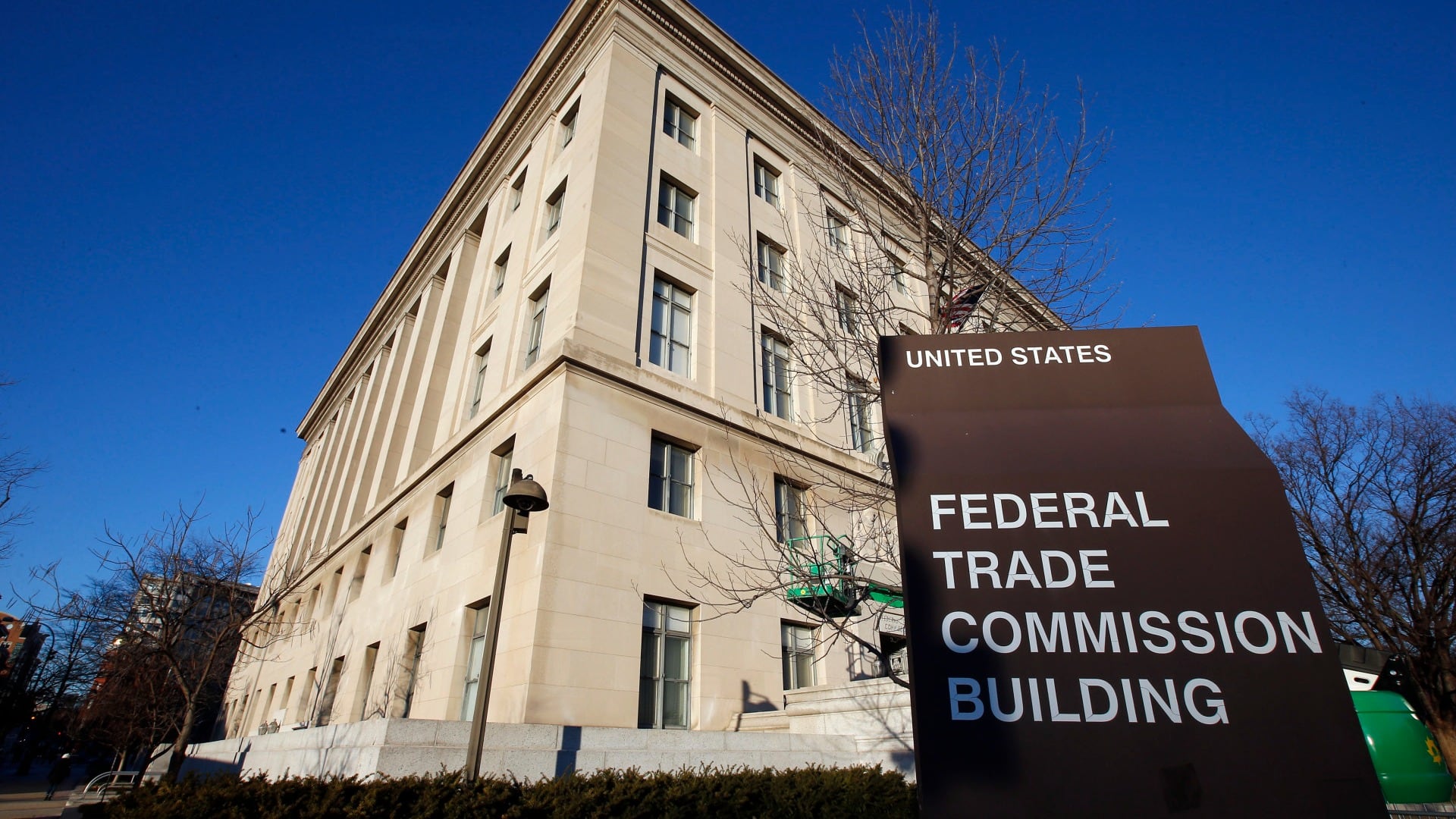
Facebook and the Federal Trade Commission have officially reached a settlement agreement over a nearly 18-month investigation into the social media giant's practice of sharing user data with third parties without their consent.
The settlement, which had been previously reported and expected, was announced Wednesday morning. Facebook will pay a $5 billion fine to the government ー the largest privacy-related fine and largest fine of a tech company ever, by an order of magnitude. The company will also agree to have CEO Mark Zuckerberg personally "certify" every quarter that Facebook is in compliance with new privacy provisions imposed by the FTC. Facebook will create a new committee as part of its board to oversee those compliance efforts. If Zuckerberg gave false certifications, he could be subject to criminal and civil penalties, according to the FTC's statement.
Facebook does not admit guilt to any missteps as part of the deal.
In a statement, Facebook General Counsel Colin Stretch said the agreement presents a "sharper turn toward privacy, on a different scale than anything we’ve done in the past.” The company also announced a separate, far smaller, settlement with the SEC over a different investigation into its handling of user data. That settlement included a $100 million fine.
For Facebook ($FB) ー which saw its shares go up after the first reports of the record penalty ー it remains unclear how, or if, the settlement will substantively change its business model, which relies mainly on serving advertisements based on the mountains of data it collects from its 2+ billion users.
In a sign of Facebook's scale and intertwining services, the settlement comes the same week as a new report found that the company discovered a bug in its Messenger Kids platform that allowed strangers to add young children to group messages without their parents' knowledge. Facebook publicly disclosed that bug only when contacted by The Verge.