*By Conor White*
With only one chance to make a first impression, jobseekers would do well to hone their social media profiles before ever stepping into an office for an interview.
"The way that we look at it is your public profile is really like your resume," said Francesca de Quesada Covey, Facebook's head of jobs and service partnerships. "It's information you want to share."
Job candidates can share ambitions, skills, and job pitches in real time, and receive direct feedback from hiring managers via Facebook's Messenger app, de Quesada Covey said in an interview Monday with Cheddar.
"We have 80 million businesses on the Facebook platform, and we see that 1.6 billion people are connected with businesses," she said. "So we know there's a lot of opportunity there to connect people and businesses."
Many Facebook users may be reluctant to share after it was revealed that 87 million of them had their personal information compromised in the Cambridge Analytica data breach. De Quesada Covey said she understands some people are skittish.
To ease concerns, the social network has introduced new protections for jobseekers. A "view as" feature lets users see what personal information is available when someone else views their public profile. This allows jobseekers to know exactly what potential employers will see.
"We're putting privacy in control of the people using Facebook, because privacy is one of the most important things we're doing at Facebook right now," she said.
For the full interview, [click here](https://cheddar.com/videos/finding-a-job-with-facebook).
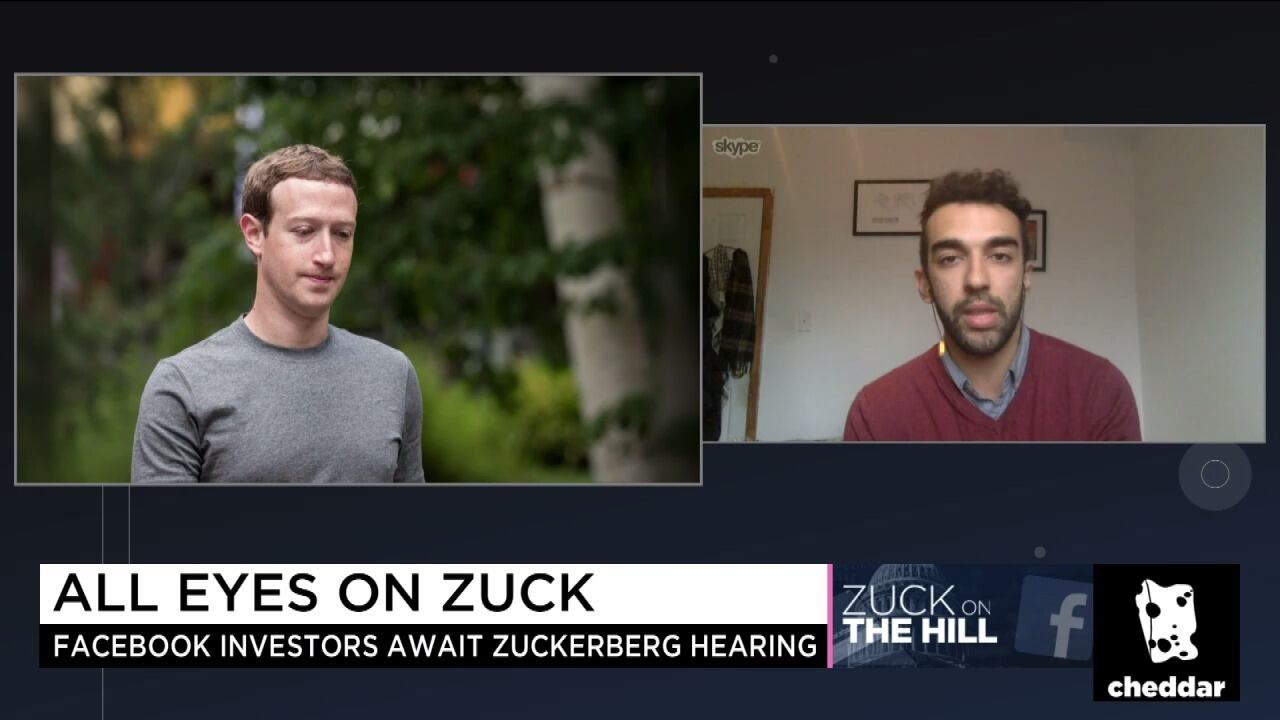
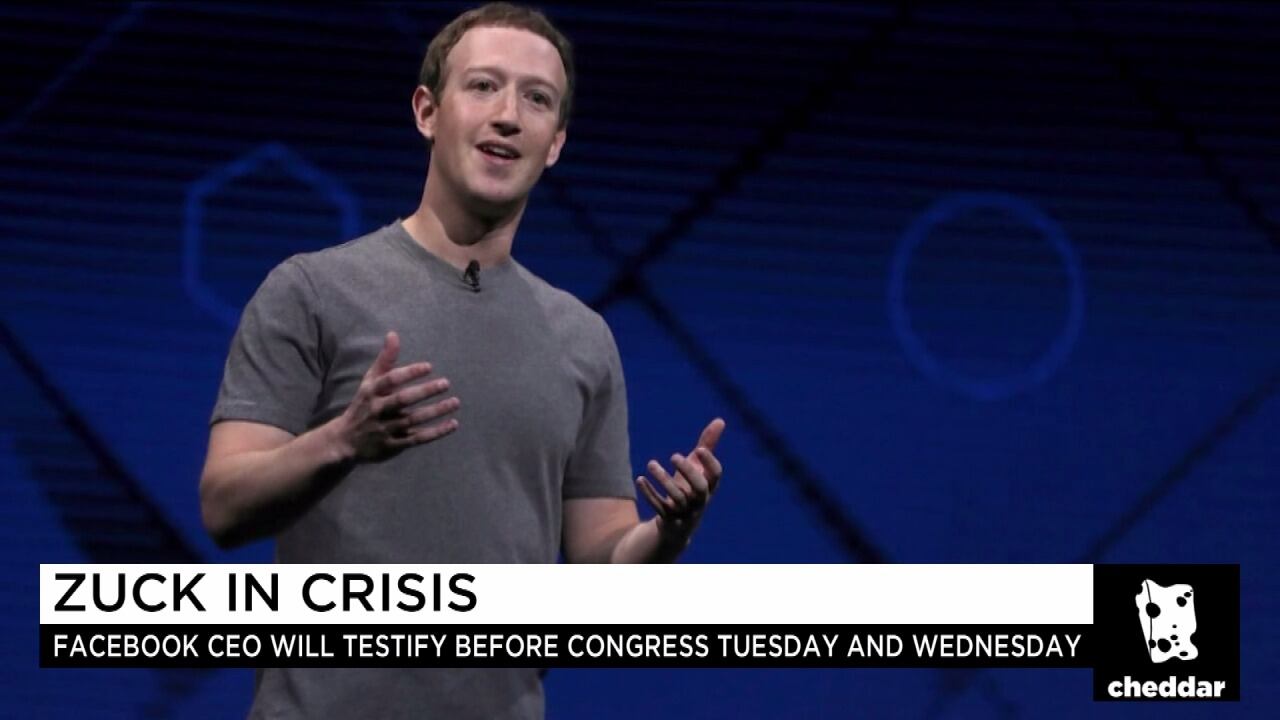
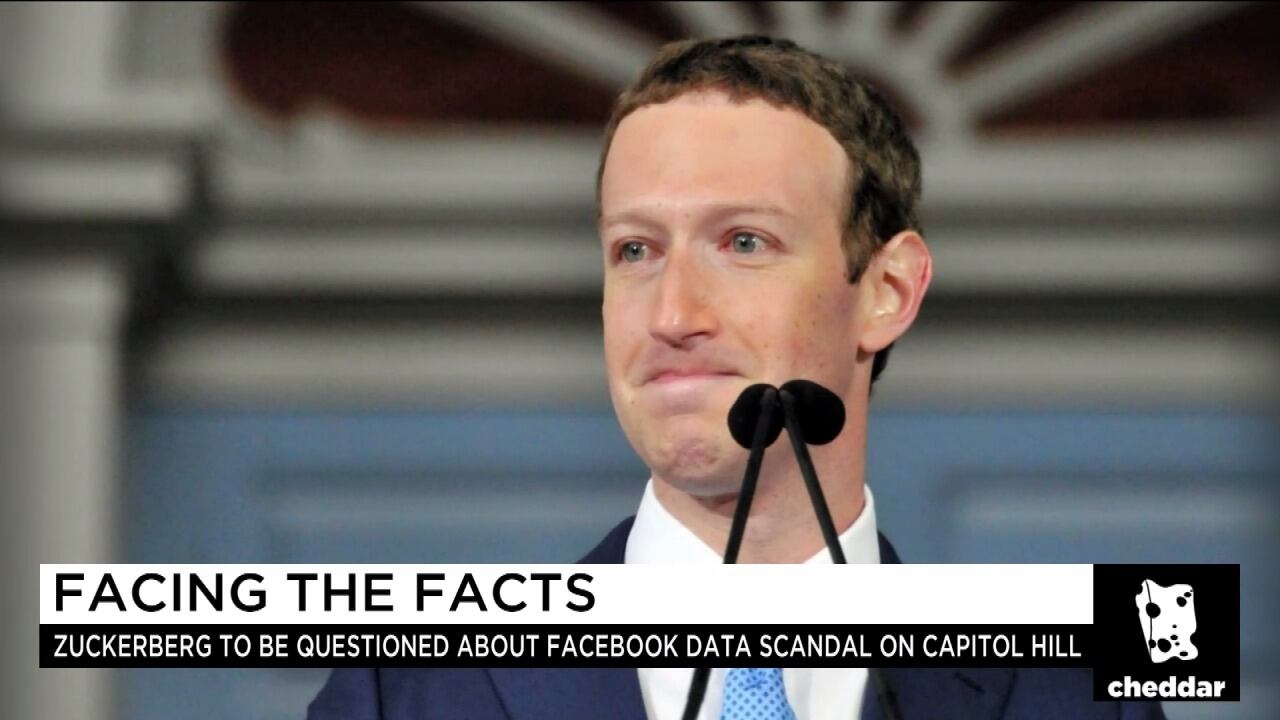
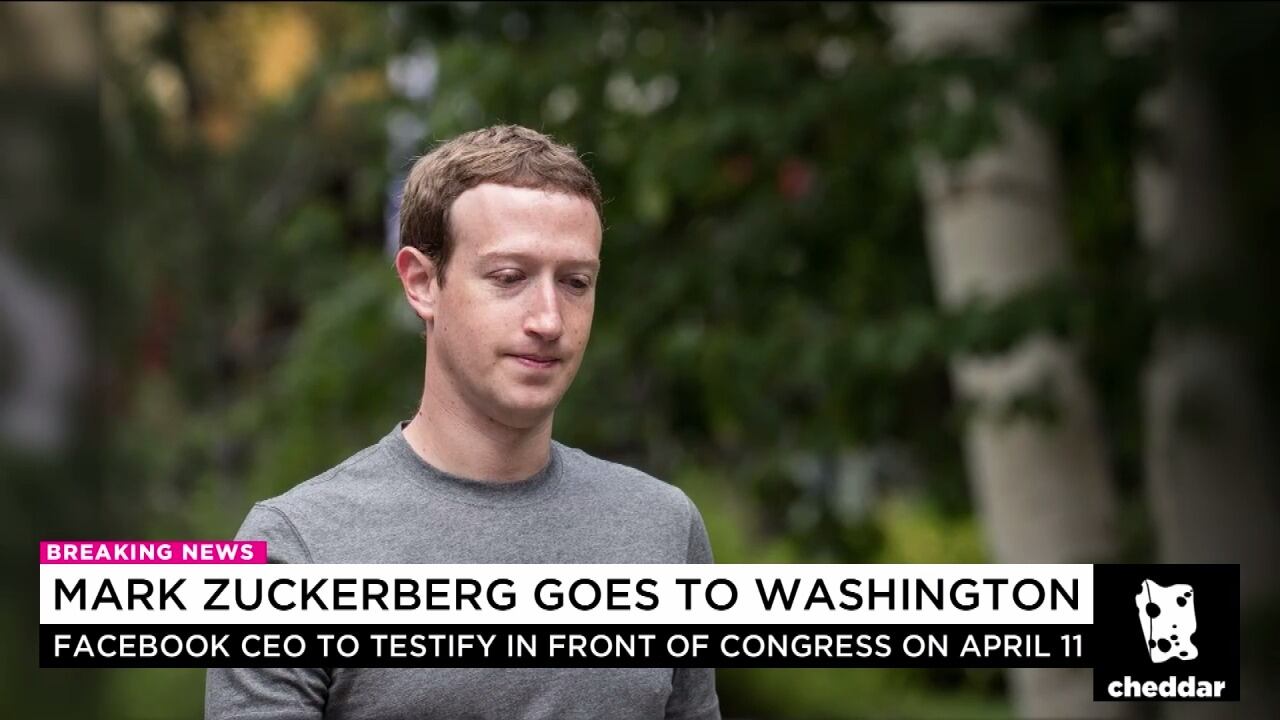
Democrats have already signaled that they're going to focus more on election interference and be "a little bit more aggressive than Republicans" during Mark Zuckerberg's testimonies this week, says Ali Breland, technology and politics reporter at The Hill. The Facebook CEO will appear before Congress Tuesday and Wednesday to face questions about the Cambridge Analytica scandal.
The Facebook CEO's hearings on Capitol Hill will likely dominate headlines for days. If those stories focus more on the new initiatives that the social network has recently rolled out, rather than the data scandal itself, "that would be a big win," says Aaron Pressman, Senior Technology Reporter at Fortune Magazine.
Washington won't easily forgive Facebook for sending a "low-level" deputy to testify when Congress first wanted answers about Russia's role in the 2016 election. And legislators are likely to take out their frustration on the CEO when he appears before them next week, says Ken Gude, Senior Fellow at the Center for American Progress.
If the stock had surged too high, "it would be hard to grow into that valuation over time," says Pär-Jörgen Pärson, partner at European venture capital firm Northzone, a Spotify investor since 2008.
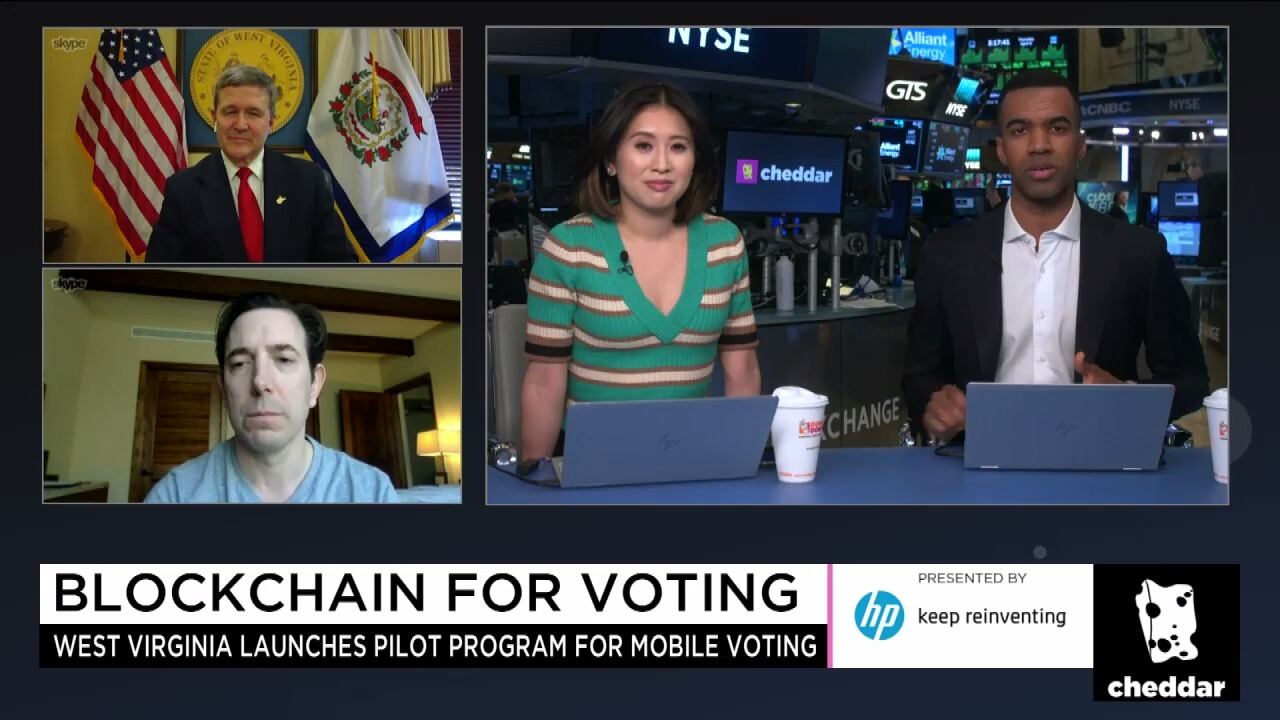
West Virginia is the first state to test out voting via blockchain, collaborating with venture capitalist Bradley Tusk. "[People] want to vote the same way that they order something from Amazon," says Mac Warner, WV's Secretary of State. The experiment has rolled out for deployed military voters in some counties, with plans to deploy it across the state for the midterm elections in November.
CEO Mark Zuckerberg said Facebook's handling of user data was a "huge mistake" and that the company failed to take "a broad enough view of what our responsibility was" to its more than 2 billion users.
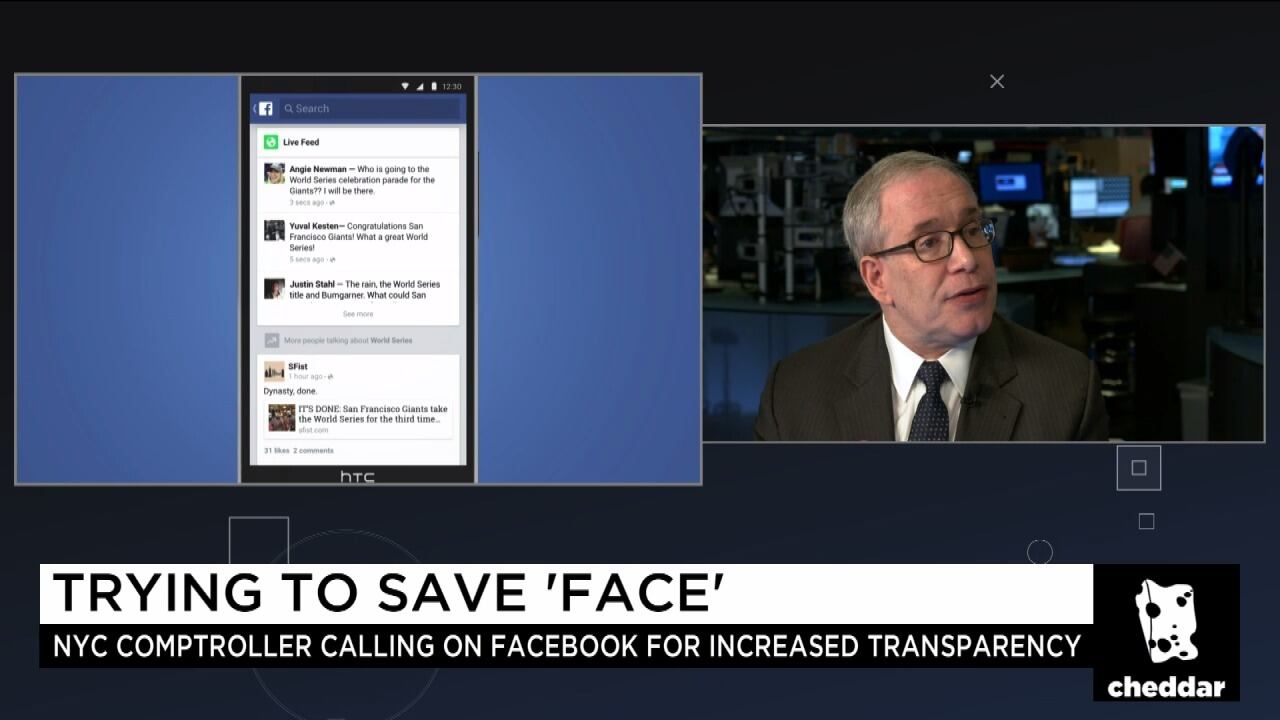
Stringer wants Facebook to bring in more independent directors and experts on data protection to provide more oversight at the company. As the comptroller, Stringer manages the city's public pension funds, which have close to $1 billion invested in Facebook.
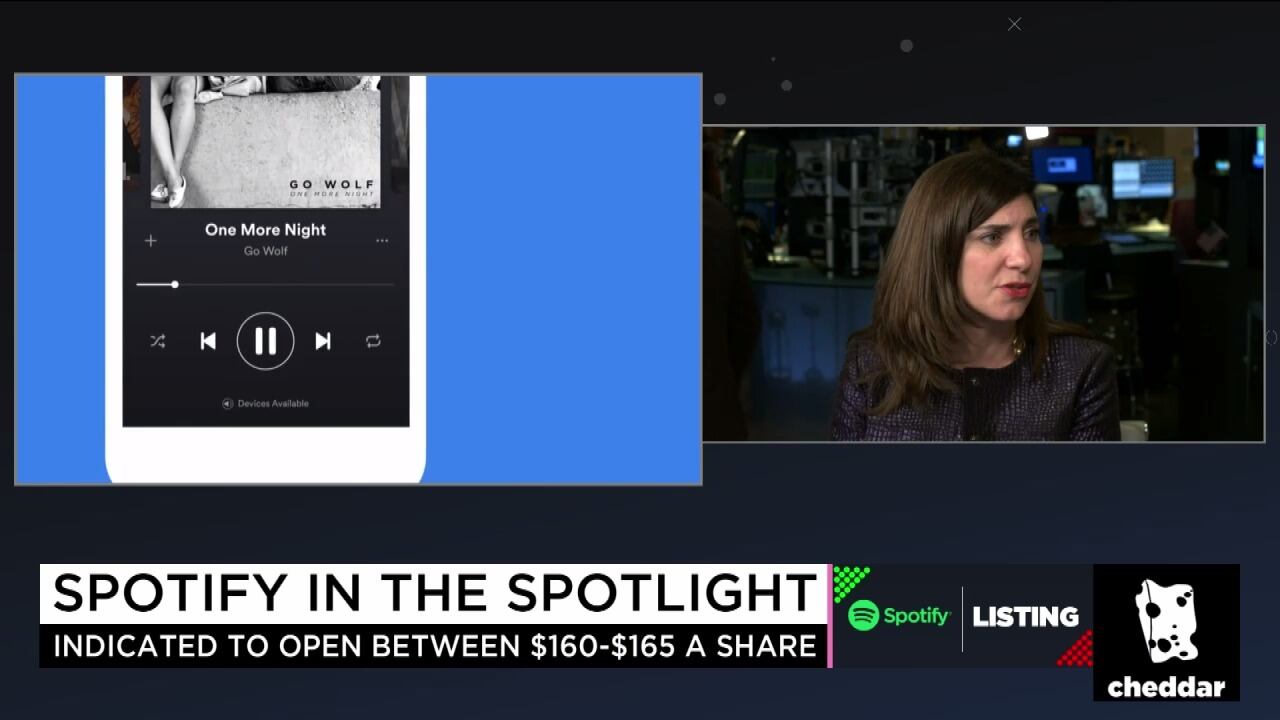
Both companies decided to bypass banks and let anyone participate in the listing process, says Stacey Cunningham, COO at the New York Stock Exchange. The music streaming company started trading on the market Tuesday, with shares opening at $165.90 a pop.
There are "some unique factors" that went into Spotify's decision to choose a direct listing, and not all companies will have the same needs, says Stacey Cunningham, COO at the New York Stock Exchange. Spotify started trading on the market Tuesday, with shares opening at more than $165 a pop.
Choosing a direct listing over an IPO has left a lot of room for volatility when the stock starts trading tomorrow, says Maureen Farrell, reporter at the Wall Street Journal. The music streaming company goes public Tuesday, and investors have little guidance on the debut price or even what kind of volume we'll see on day one.