*By Conor White*
With only one chance to make a first impression, jobseekers would do well to hone their social media profiles before ever stepping into an office for an interview.
"The way that we look at it is your public profile is really like your resume," said Francesca de Quesada Covey, Facebook's head of jobs and service partnerships. "It's information you want to share."
Job candidates can share ambitions, skills, and job pitches in real time, and receive direct feedback from hiring managers via Facebook's Messenger app, de Quesada Covey said in an interview Monday with Cheddar.
"We have 80 million businesses on the Facebook platform, and we see that 1.6 billion people are connected with businesses," she said. "So we know there's a lot of opportunity there to connect people and businesses."
Many Facebook users may be reluctant to share after it was revealed that 87 million of them had their personal information compromised in the Cambridge Analytica data breach. De Quesada Covey said she understands some people are skittish.
To ease concerns, the social network has introduced new protections for jobseekers. A "view as" feature lets users see what personal information is available when someone else views their public profile. This allows jobseekers to know exactly what potential employers will see.
"We're putting privacy in control of the people using Facebook, because privacy is one of the most important things we're doing at Facebook right now," she said.
For the full interview, [click here](https://cheddar.com/videos/finding-a-job-with-facebook).
From milk to canned tuna to shampoo, soy is in a good majority of our day-to-day products. It’s added to around 60% of the nation’s processed foods. Soy has been known to provide some real health benefits, like high protein. But there are legitimate health and environmental consequences that raise the question: why do we use so much soy? And should we?
Recent data shows that Quibi isn't gaining as much traction with viewers as one might expect, especially with the initial subscribers' three-month free trial period wrapping up in a few weeks.
From Wall Street to Silicon Valley, these are the top stories that moved markets and had investors, business leaders, and entrepreneurs talking this week on Cheddar.
As Twitter waded into controversy for taking steps to fight misinformation and controversial remarks from perhaps its most famous tweeter, President Donald Trump, Facebook has taken the opposite tack, but with no less backlash.
Nikola Motor Company, the hydroge-electric truck manufacturer,
If you lived in a big city in the 90s, you're probably one of the unlucky people who was kept up at night on a regular basis by errant car alarms. But today, those in that same big city hear alarms far less often than you did. So where did car alarms go? How have they evolved, and did we ever need them to begin with?
The online used-car marketplace, Vroom, began trading on Nasdaq on Tuesday, doubling its IPO price.
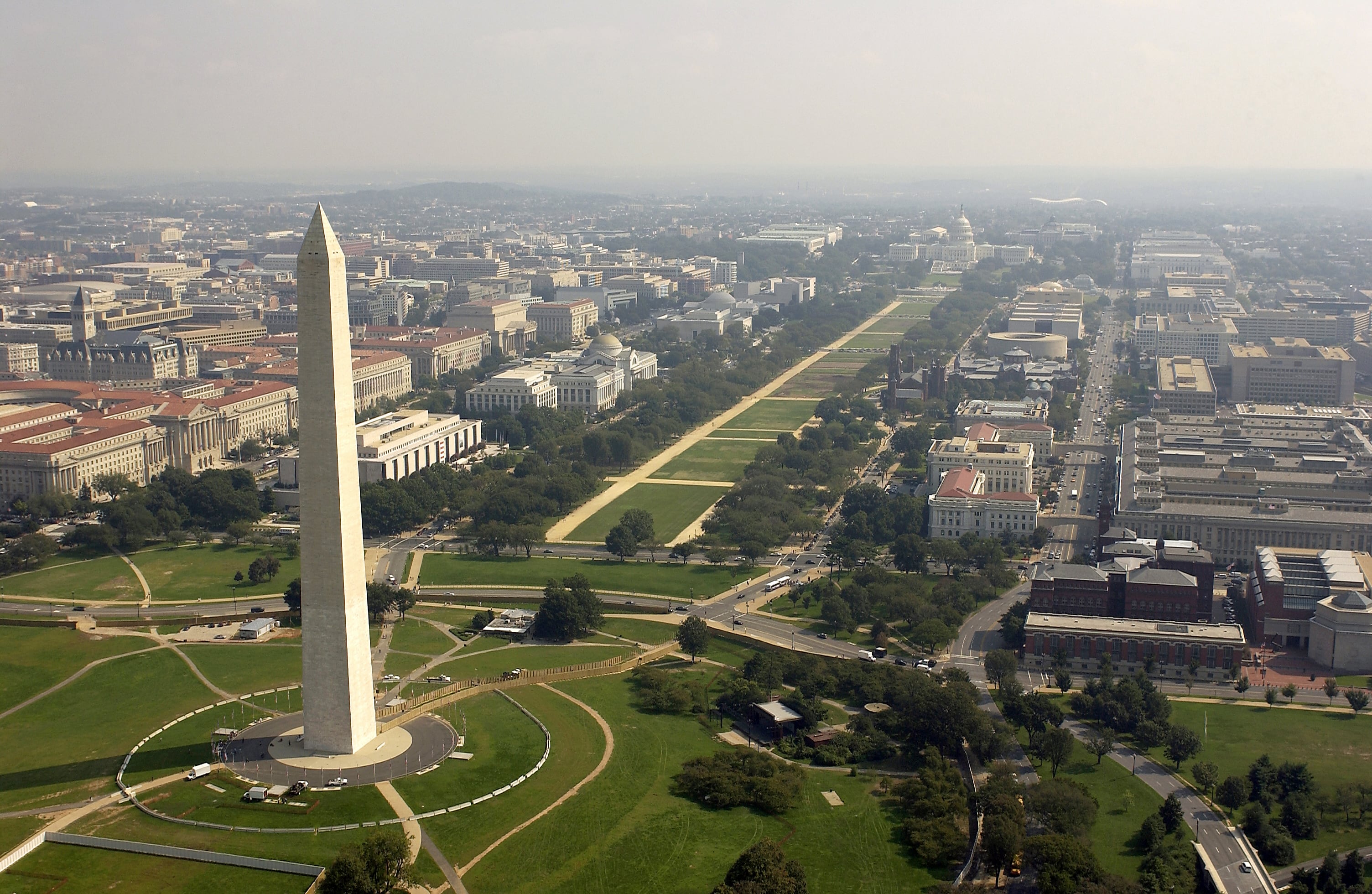
The skyline of Washington D.C. is stunted. You've probably heard that D.C. can't build skyscrapers taller than the U.S. Capital Building or the Washington Monument. But those are both myths from a bygone era. Cheddar tells the real story.
IBM says it is getting out of the facial recognition business over concern about how it can be used for mass surveillance and racial profiling.
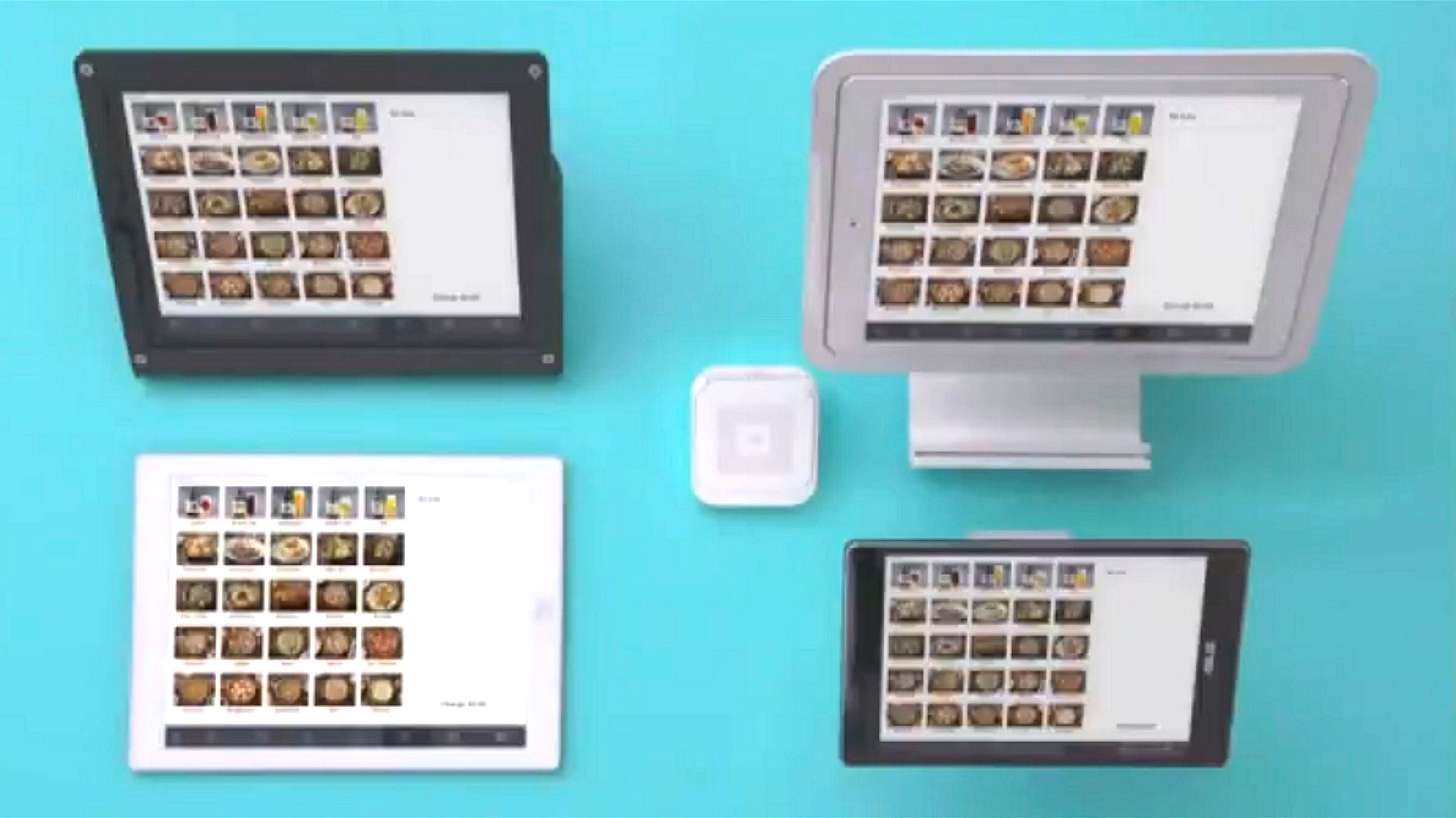
Contactless payments company Square has seen its clients forced to adapt to social distancing and stay-at-home orders with new technology.