*By Conor White*
With only one chance to make a first impression, jobseekers would do well to hone their social media profiles before ever stepping into an office for an interview.
"The way that we look at it is your public profile is really like your resume," said Francesca de Quesada Covey, Facebook's head of jobs and service partnerships. "It's information you want to share."
Job candidates can share ambitions, skills, and job pitches in real time, and receive direct feedback from hiring managers via Facebook's Messenger app, de Quesada Covey said in an interview Monday with Cheddar.
"We have 80 million businesses on the Facebook platform, and we see that 1.6 billion people are connected with businesses," she said. "So we know there's a lot of opportunity there to connect people and businesses."
Many Facebook users may be reluctant to share after it was revealed that 87 million of them had their personal information compromised in the Cambridge Analytica data breach. De Quesada Covey said she understands some people are skittish.
To ease concerns, the social network has introduced new protections for jobseekers. A "view as" feature lets users see what personal information is available when someone else views their public profile. This allows jobseekers to know exactly what potential employers will see.
"We're putting privacy in control of the people using Facebook, because privacy is one of the most important things we're doing at Facebook right now," she said.
For the full interview, [click here](https://cheddar.com/videos/finding-a-job-with-facebook).
Activision Blizzard, one of the world’s most high-profile video game companies, has confirmed a regulatory probe and said it is working to address complaints of workplace discrimination.
The demonstration Wednesday centered on fears Bukele may try for re-election in 2024. Protests also voiced concern about the president's concentration of power and the controversial decision to make the cryptocurrency Bitcoin legal tender.
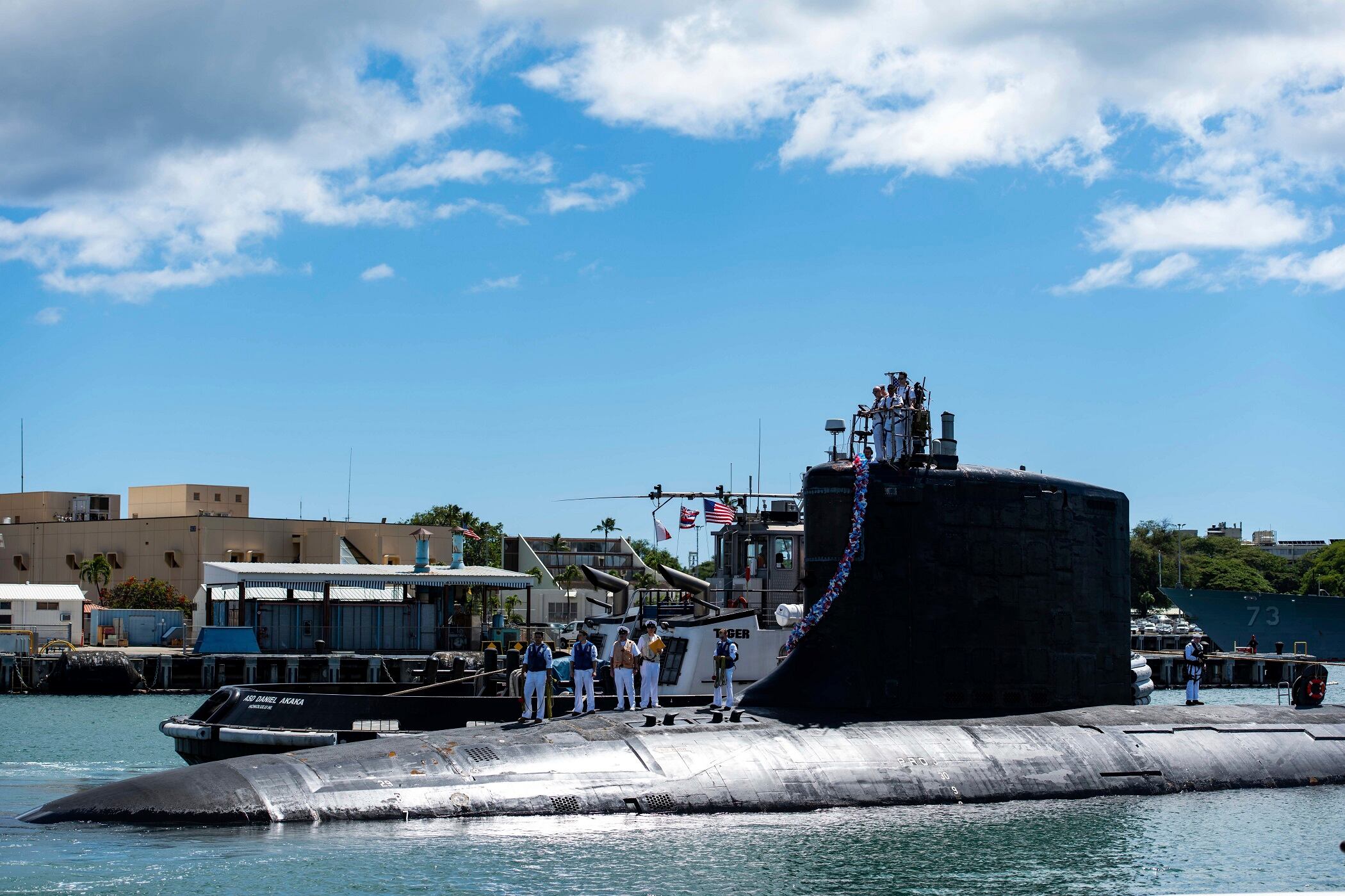
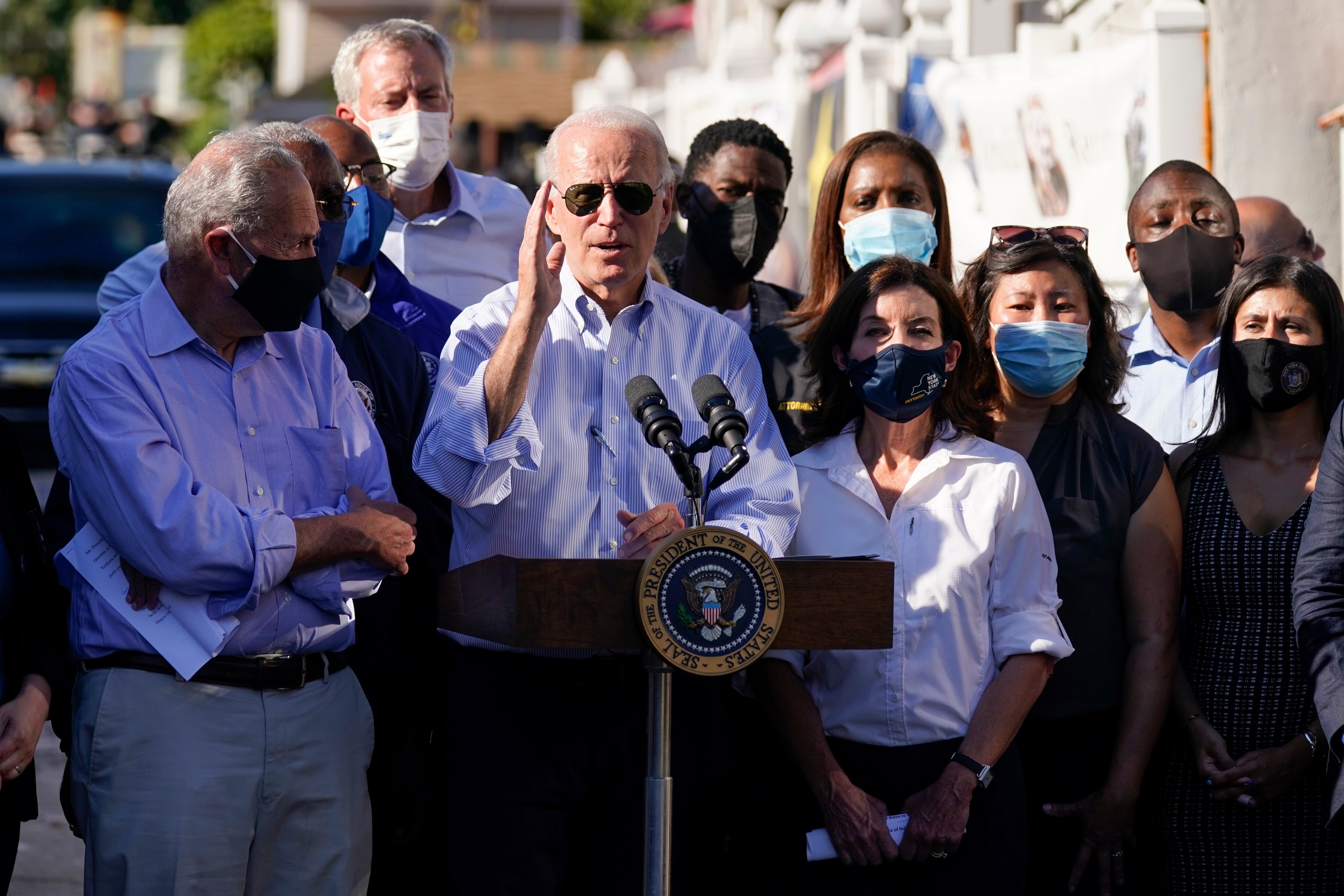
The U.S., Britain and Australia have announced they’re forming a new security alliance that will help equip Australia with nuclear-powered submarines.
Space Milestone, Booster Debate & Greatest Songs Ever
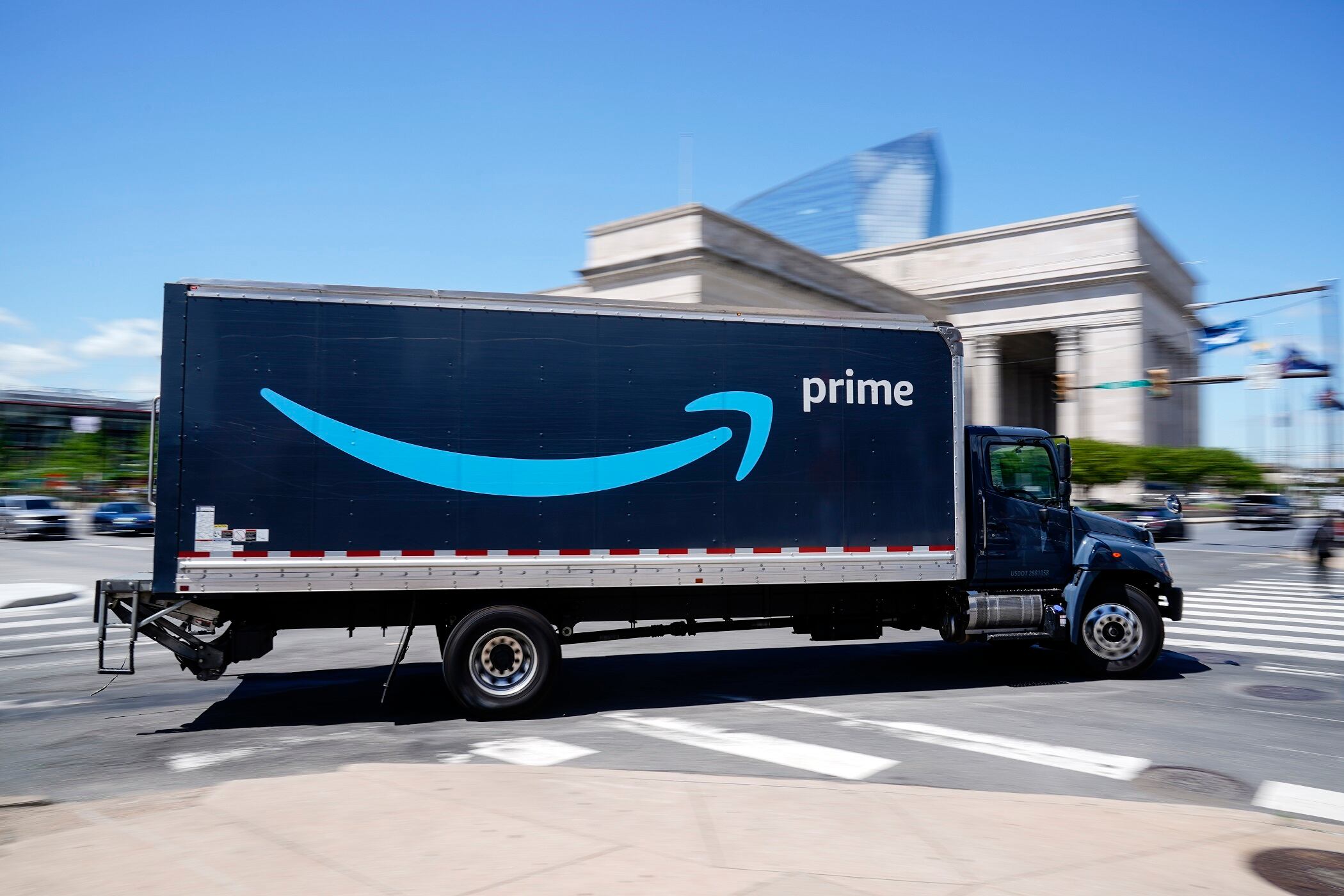
Amazon said that it is hiring 125,000 positions in warehousing and distribution throughout 18 states, in addition to the 40,000 corporate and tech openings it announced earlier this month.
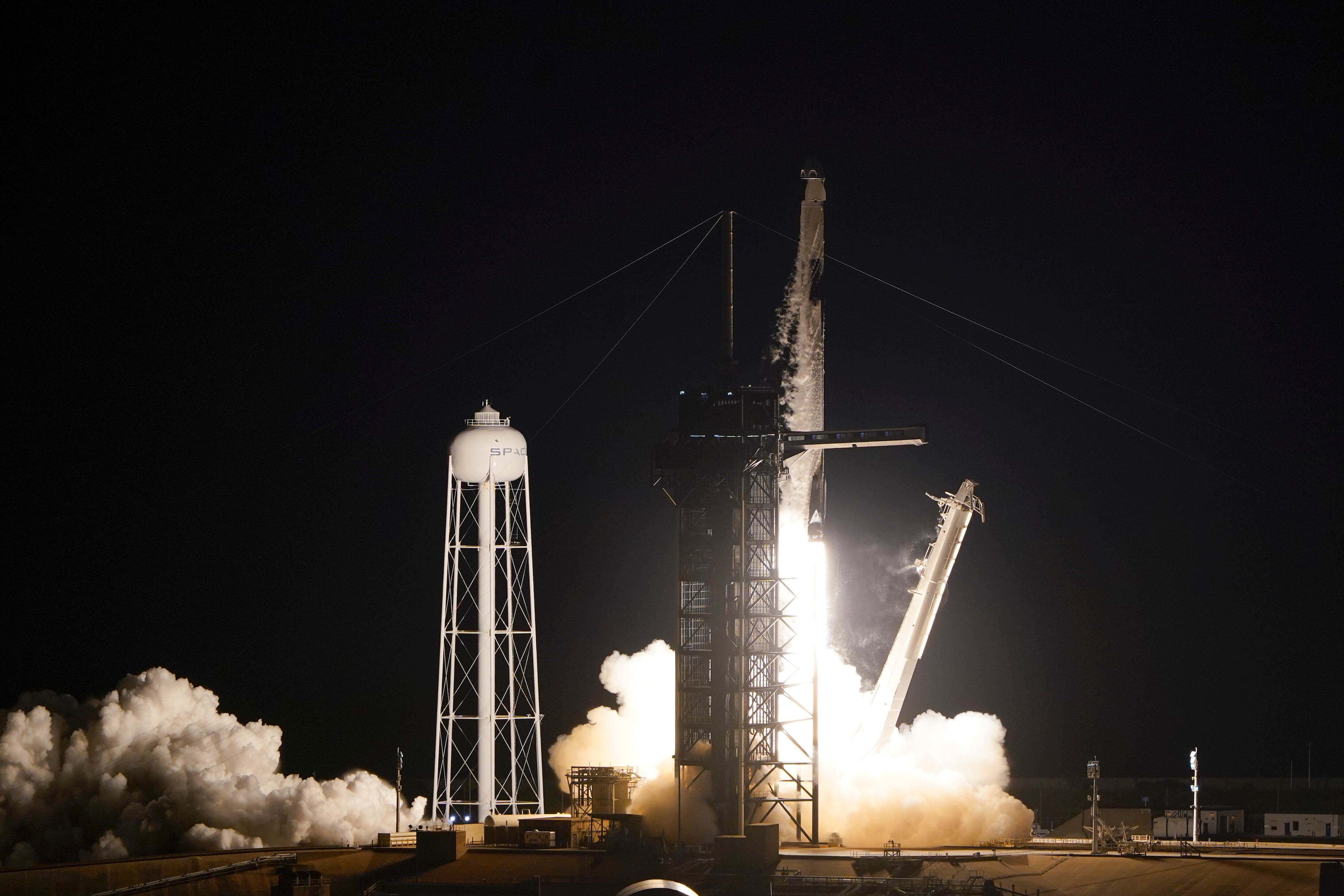
For the first time in 60 years of human spaceflight, a rocket is poised to blast into orbit with no professional astronauts on board, only four tourists.
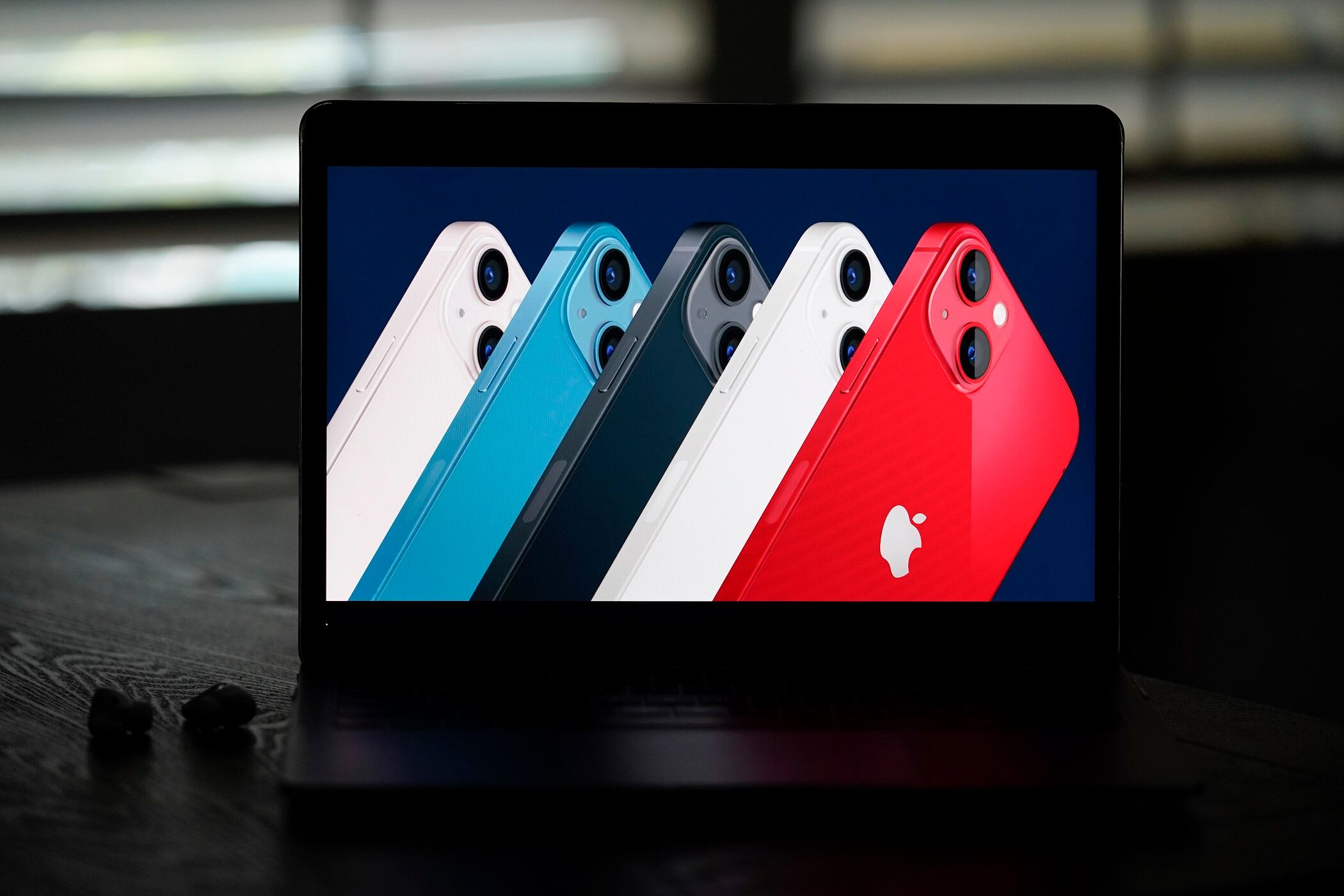
Apple unveiled its next iPhone line-up, including a model that offer twice the maximum and other modest upgrades to last year’s editions.
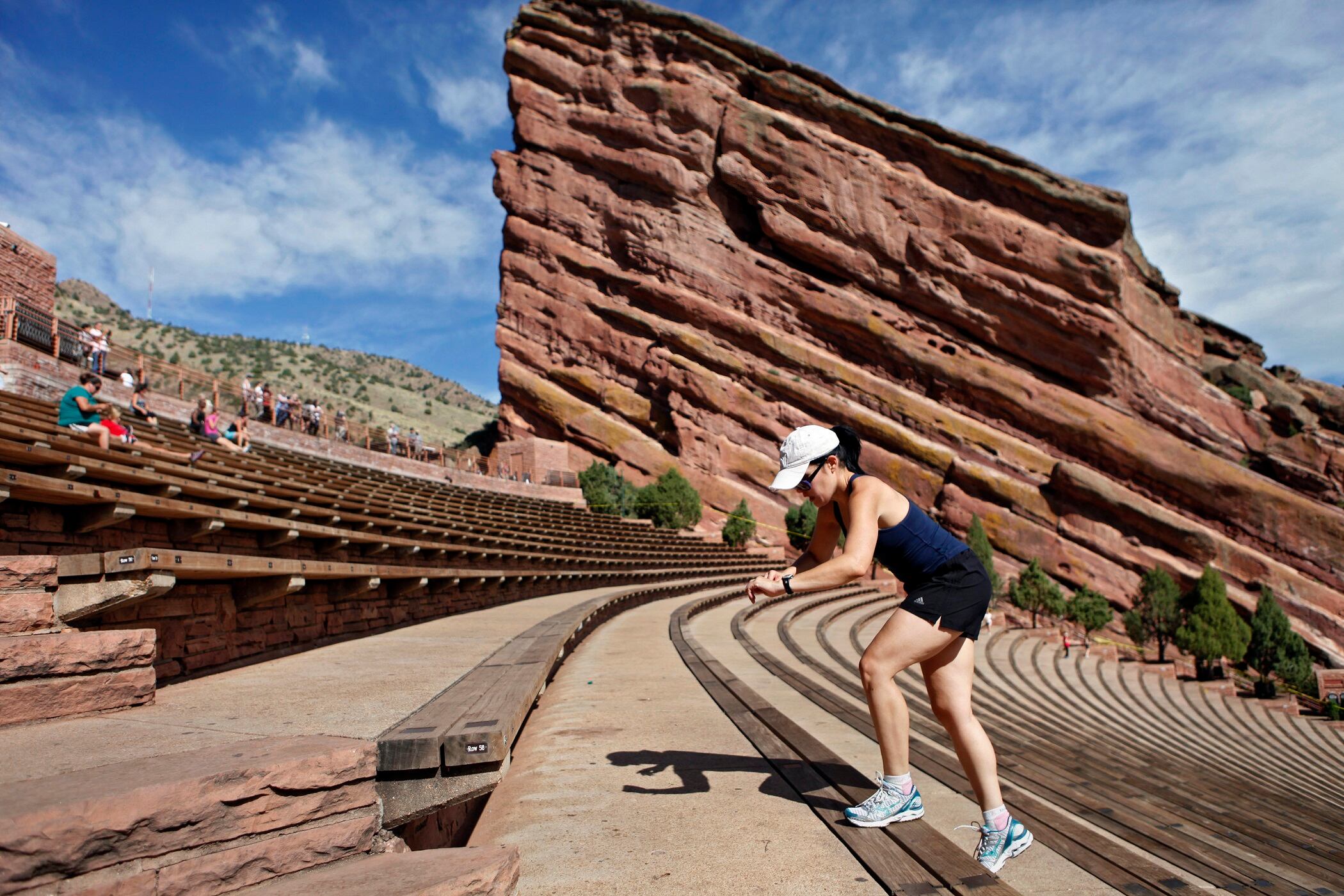
Your palm could soon be your ticket into a concert. Amazon says it is bringing its palm-recognition technology to the Red Rocks Amphitheatre in Denver and it will be available at other venues in the coming months.
Solar energy has the potential to supply up to 40% of the nation’s electricity within 15 years — a 10-fold increase over current solar output, but one that would require massive changes in U.S. policy and billions of dollars in federal investment to modernize the nation's electric grid, a new federal report says.
Amazon to Open 2 Cashier-less Whole Foods Stores Next Year