*By Britt Terrell* Facebook may have a very different understanding of its users' privacy concerns than the millions of people whose personal information was shared with dozens of device makers as part of the social media company's efforts to spread its network. "I think a lot of people have entered into agreements with Facebook without fully understanding the complete context of how this data can be used," said Damon Beres, executive editor at Mashable. "Facebook may say that someone signed their data rights away 10 years ago, but I don't think that anyone had the level of awareness about these privacy concerns that we have now." [The New York Times reported](https://www.nytimes.com/interactive/2018/06/03/technology/facebook-device-partners-users-friends-data.html) that Facebook shared users' personal data ー and the data of those users' friends ー with dozens of device makers over the last decade. The revelation that Facebook had for years shared this information raised new privacy concerns as the company was facing greater scrutiny stemming from the Cambridge Analytica data scandal. "I think it goes to show that Facebook has permeated a lot of how we use our devices without us really thinking about it," Beres said Monday in an interview with Cheddar. "So, these problems kind of keep springing up as people have more awareness of data privacy concerns." In response to The Times's report, Facebook's vice president of product partnerships wrote [a blog post](https://newsroom.fb.com/news/2018/06/why-we-disagree-with-the-nyt/) that said the revelations in the latest article are different from "past concerns about the controls over Facebook information shared with third-party app developers." That's what happened with Cambridge Analytica, a political research firm that gained access to the private data of 87 million Facebook users via a third-party app. There were no apps a decade ago when Facebook was trying to get its network into the hands of mobile users, according to Ime Archibong, the Facebook VP, so the company relied on partnerships with device makers, including Amazon, Apple, Blackberry, HTC, Microsoft, and Samsung. "All these partnerships were built on a common interest — the desire for people to be able to use Facebook whatever their device or operating system," Archibong wrote. Beres said that Facebook's users may not have shared those same interests, or had the same understanding as Facebook as to how their data would be used. "Facebook's natural defense is to be very literal, but I think we need to talk more about ethics and how people can actually naturally expect how their information is being used on these services," Beres said. For the full interview, [click here](https://cheddar.com/videos/facebooks-privacy-problems-continue).

Share:
More In Technology
ClickUp CEO on $400M Fundraise for the All-in-One Productivity Platform
Project management platform ClickUp raised $400 million in Series C funding this week, and founder and CEO Zeb Evans joined Cheddar's "Closing Bell" to talk about taking the added funds to help make the workplace more efficient by being a one-stop-shop for office needs. He also discussed a growing demand for his company's services during the pandemic as companies seek solutions to keep their employees on the same page.
Why Metaverse Real Estate Is Selling For Millions
How much real money would you pay for a virtual plot of land? Developing technology is introducing everyone in the real world to new, virtual worlds, like Decentraland. In this metaverse economy, users are buying virtual real estate at high value – and it’s not just the average Joe that’s looking to invest. Company's like Facebook are betting big.
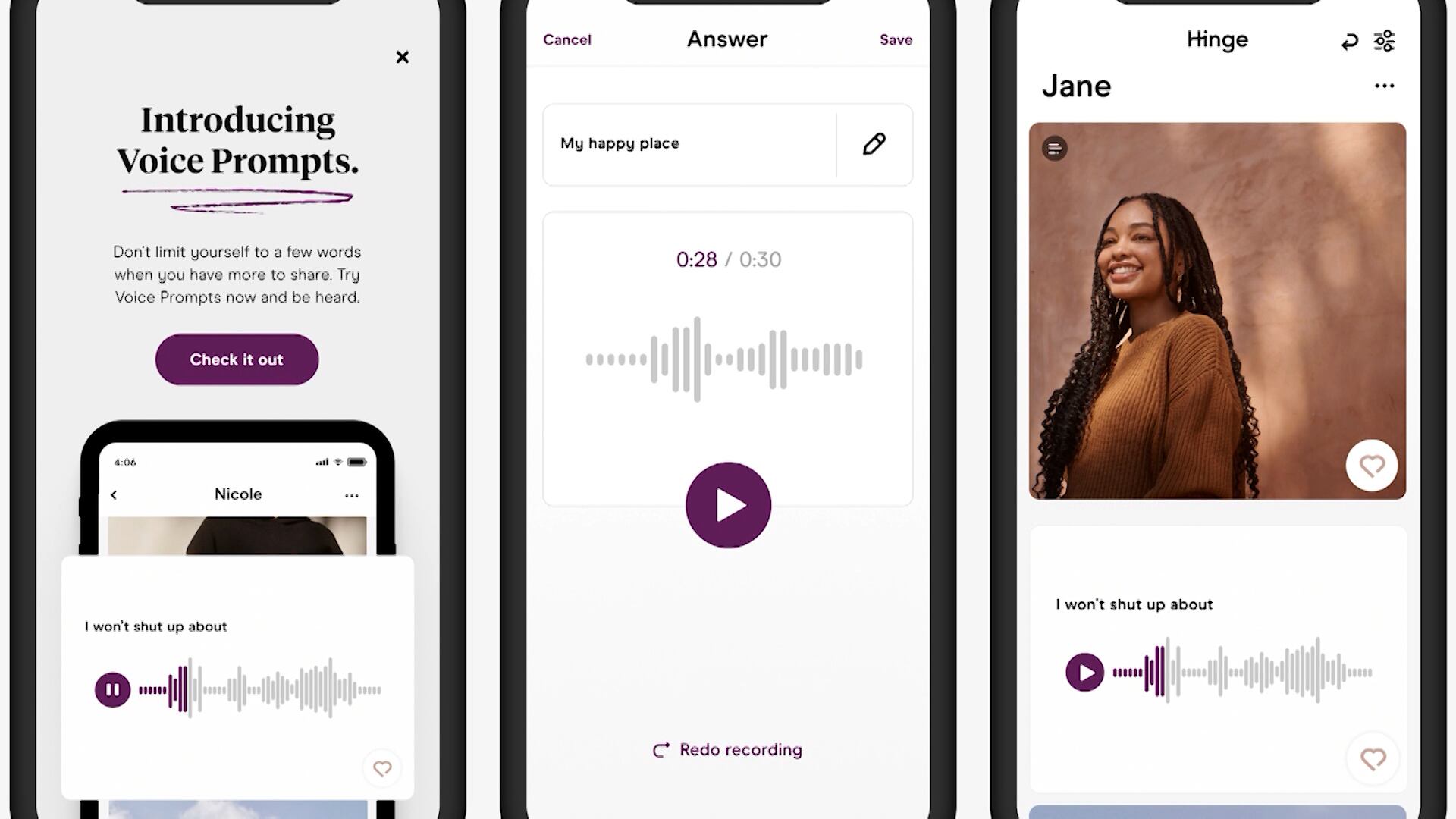
Dating App Hinge Rolls Out Voice Prompt Feature to Showcase User Personality
The dating app Hinge says it's taking online dating to the next level by introducing a voice prompt feature for profiles. Michelle Parsons, chief product officer, joined Cheddar to talk about providing the question prompts for users to make accounts more personable in their own voice. She also went into how much the pandemic has had an impact on engagement.
Assessing Shiba Inu and Dogecoin as Crypto's Meme Coin War Heats Up
Tonya Evans, professor at Penn State Dickinson Law, joined Cheddar to talk about the meme coin war flaring up between the Shiba Inu and Dogecoin tokens. She noted that one of the most fascinating takeaways from the crypto craze is the "power of community" being able to manipulate market prices. Evans also talked about the rising number of coins coming to market and how to assess if they are worth investing in.
Expanding Genetic Testing for Women Everywhere
Nicole Lambert, President at Myriad Genetics joins ChedHER to discuss how to expand access to genetic testing for all women, and how her experience as a 'pre-vivor' motivates her role in the industry.
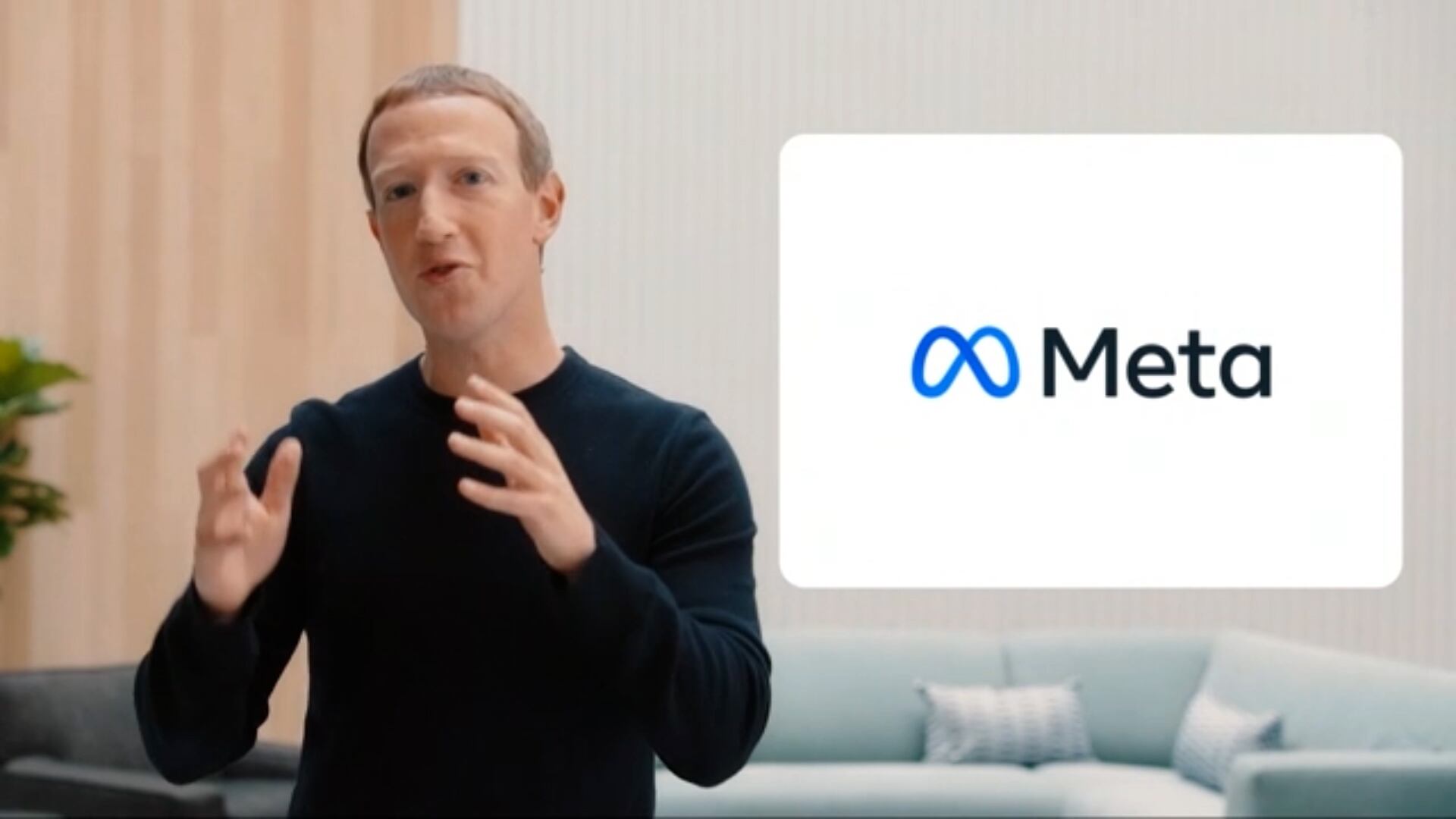
Facebook Rebrands to Meta, Gives a Glimpse into Internet of the Future
Social media giant 'Facebook' has rebranded itself as 'Meta' in a move that has many talking about the motive behind the timing of the announcement as the company finds itself getting negative press almost daily. Editor In Chief of Investopedia Caleb Silver breaks down the change and how the vision of Meta and the Metaverse could change the future.
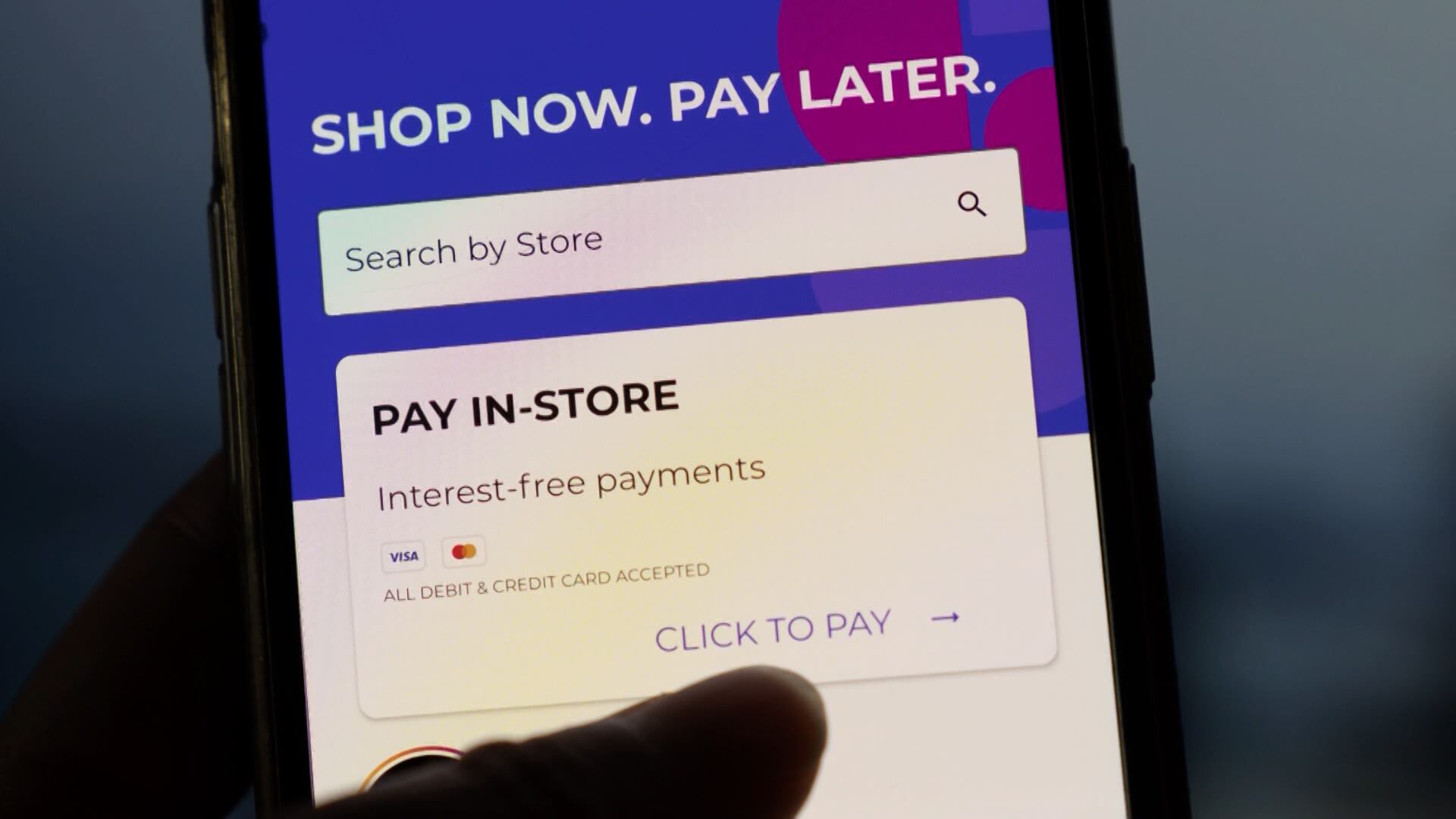
Shopify Q3 Earnings Fall Short of Estimates
Third quarter Shopify earnings fell below expectations in both revenue and earnings per share. Though the e-commerce retailer has seen growth in partnerships with Target and Spotify, as well as adoption of a buy now, pay later payment option, Hatem Dhiab, Managing Partner at Gerber Kawasaki explains the impact that ongoing supply chain issues have had on Shopify's bottom line.
Load More